Flow Anchor MT4
- Indicators
-
Kestutis Balciunas
 With over 16 years of active experience in financial markets, I specialize in developing high-performance forex trading strategies, technical indicators, and automated Expert Advisors for MT4/MT5. My work spans precision-engineered trading systems designed for accuracy, consistency, and real-world
 - Version: 1.0
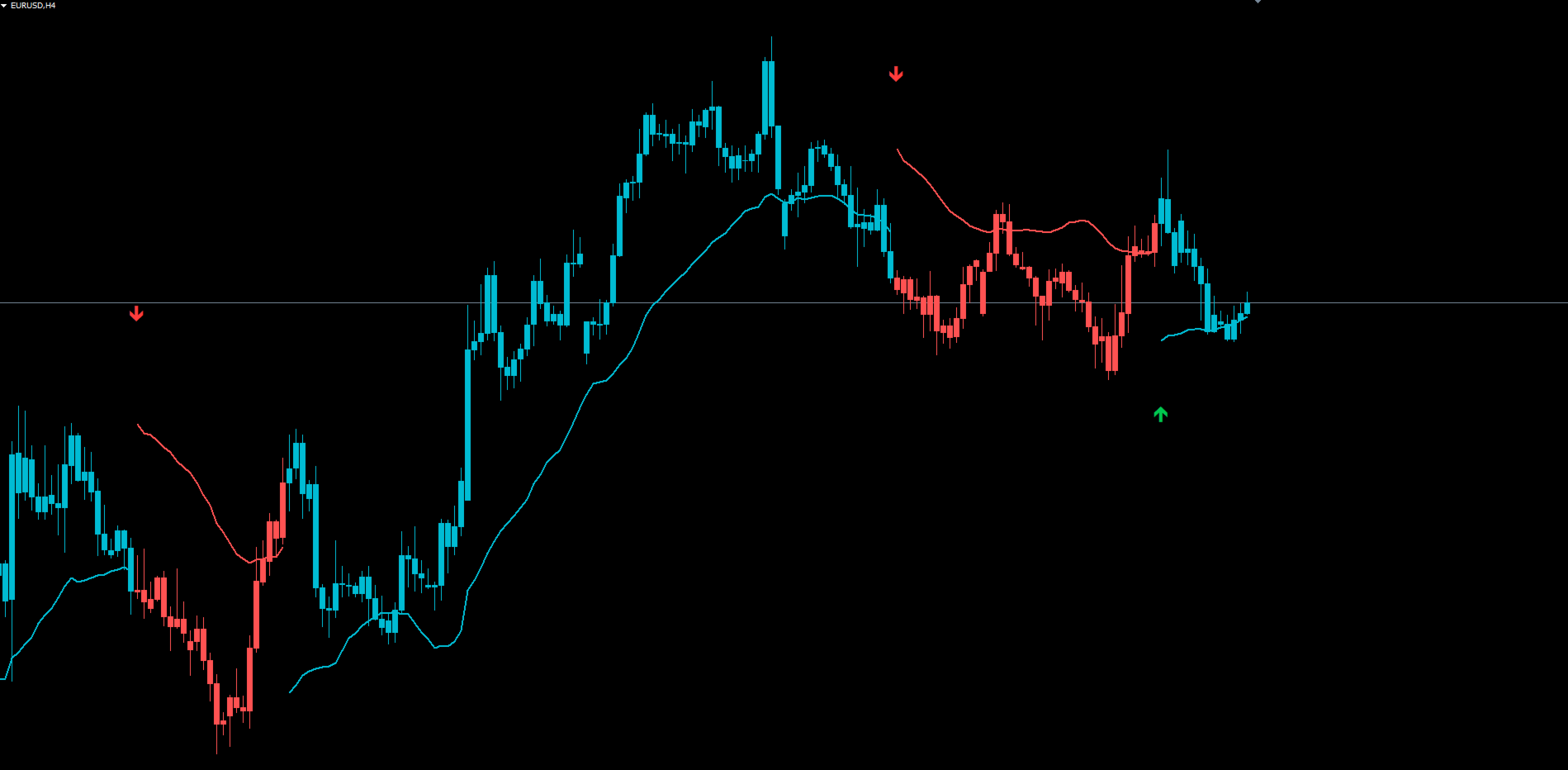
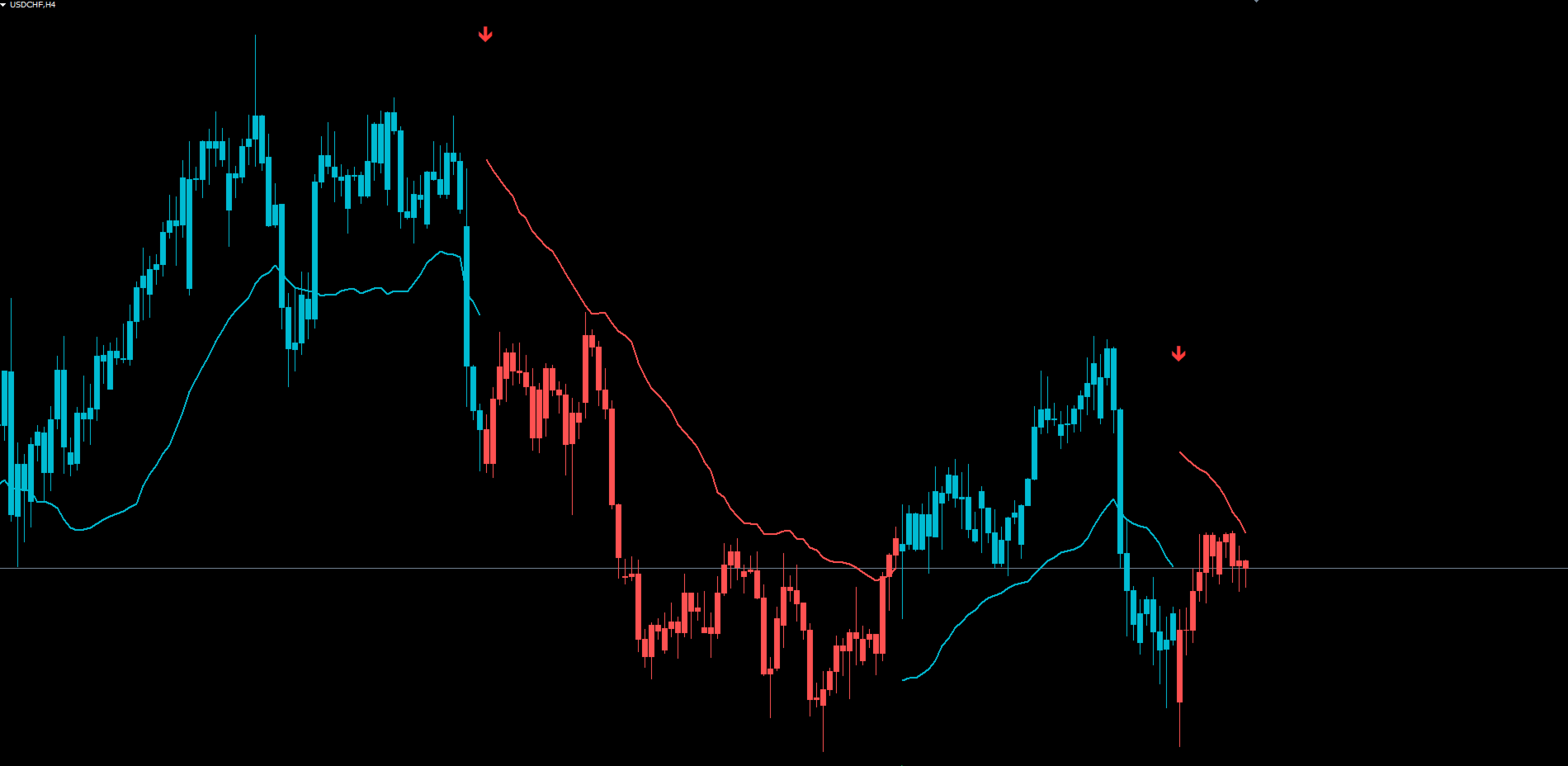
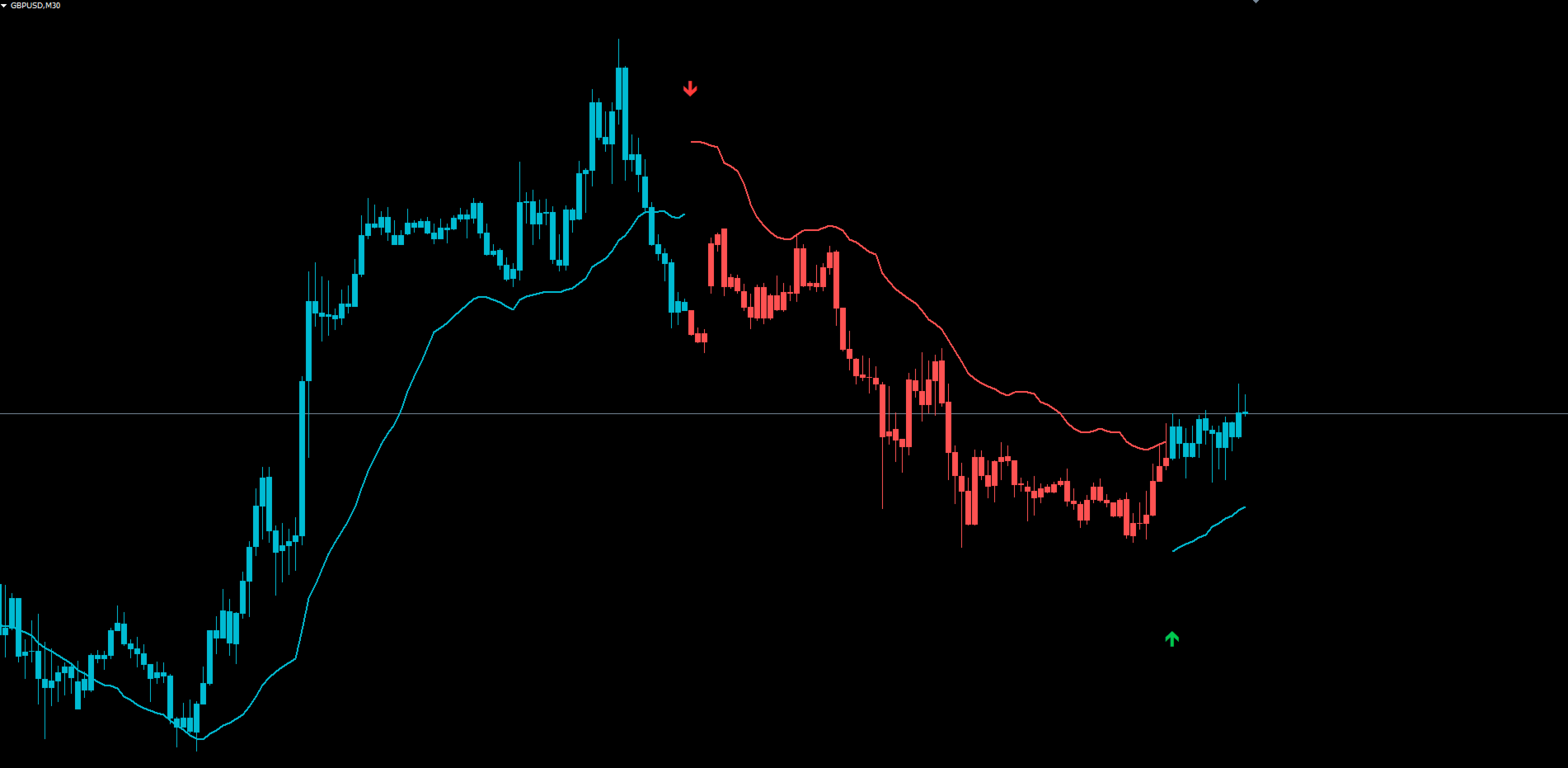
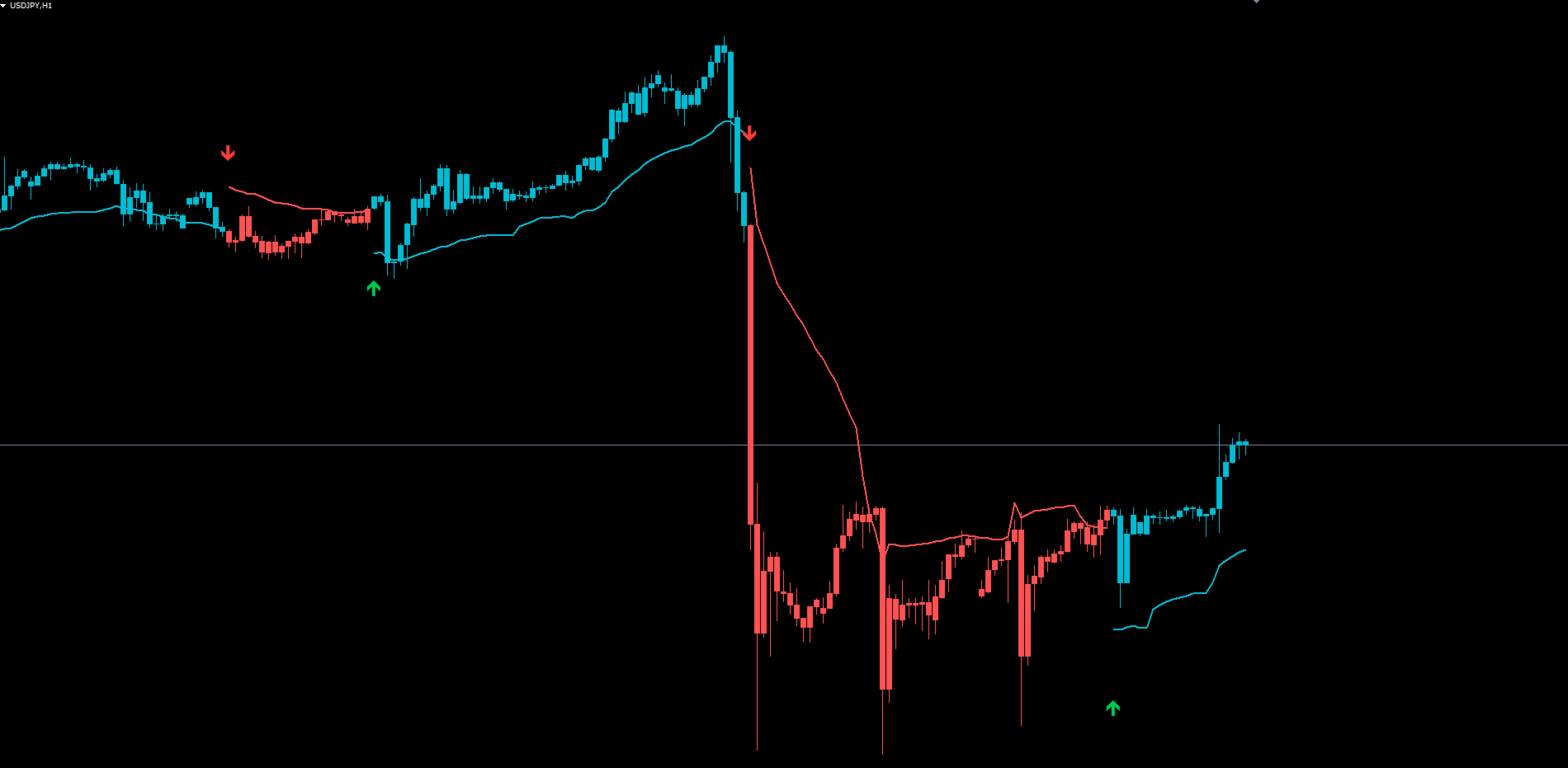
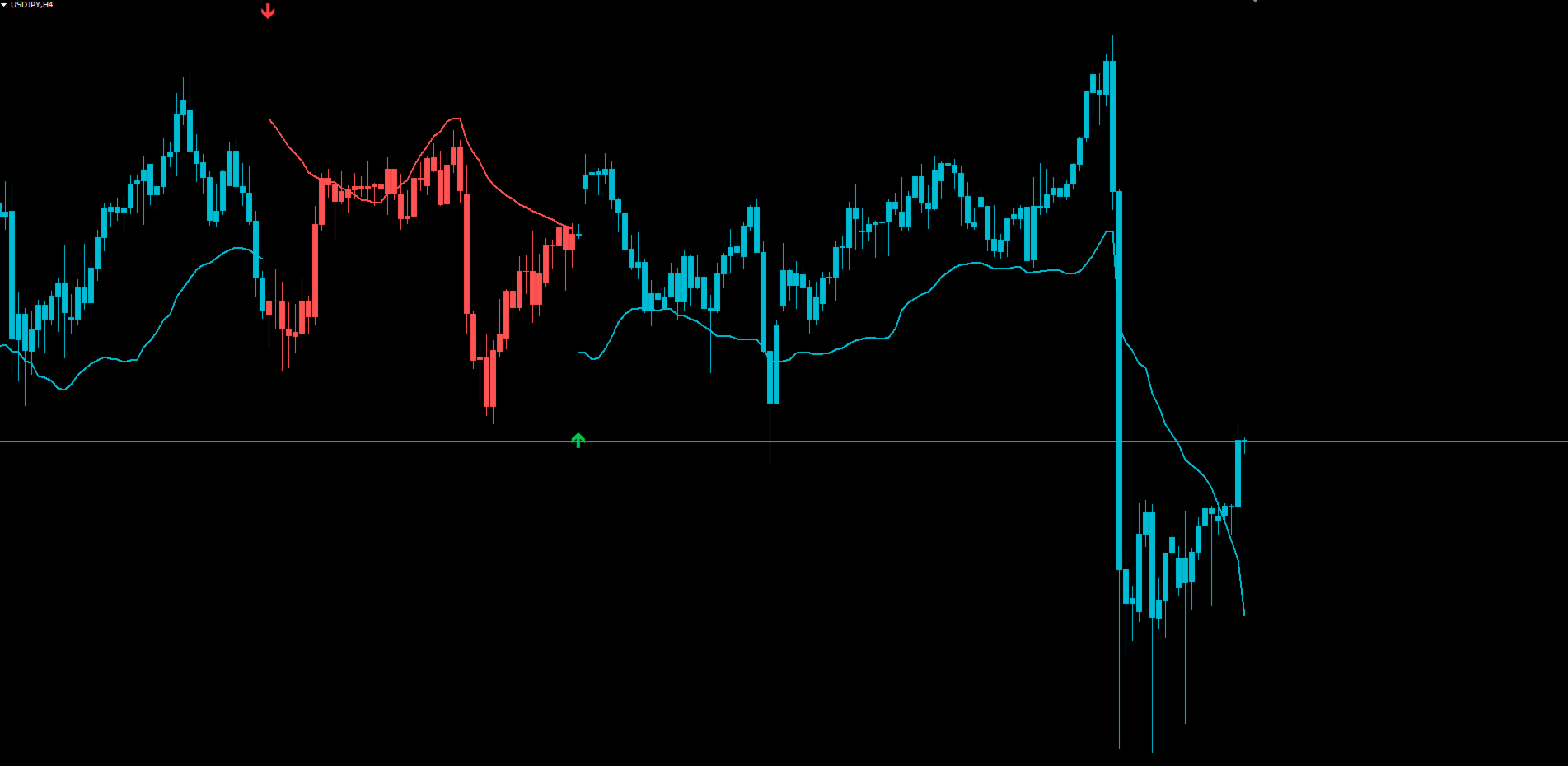
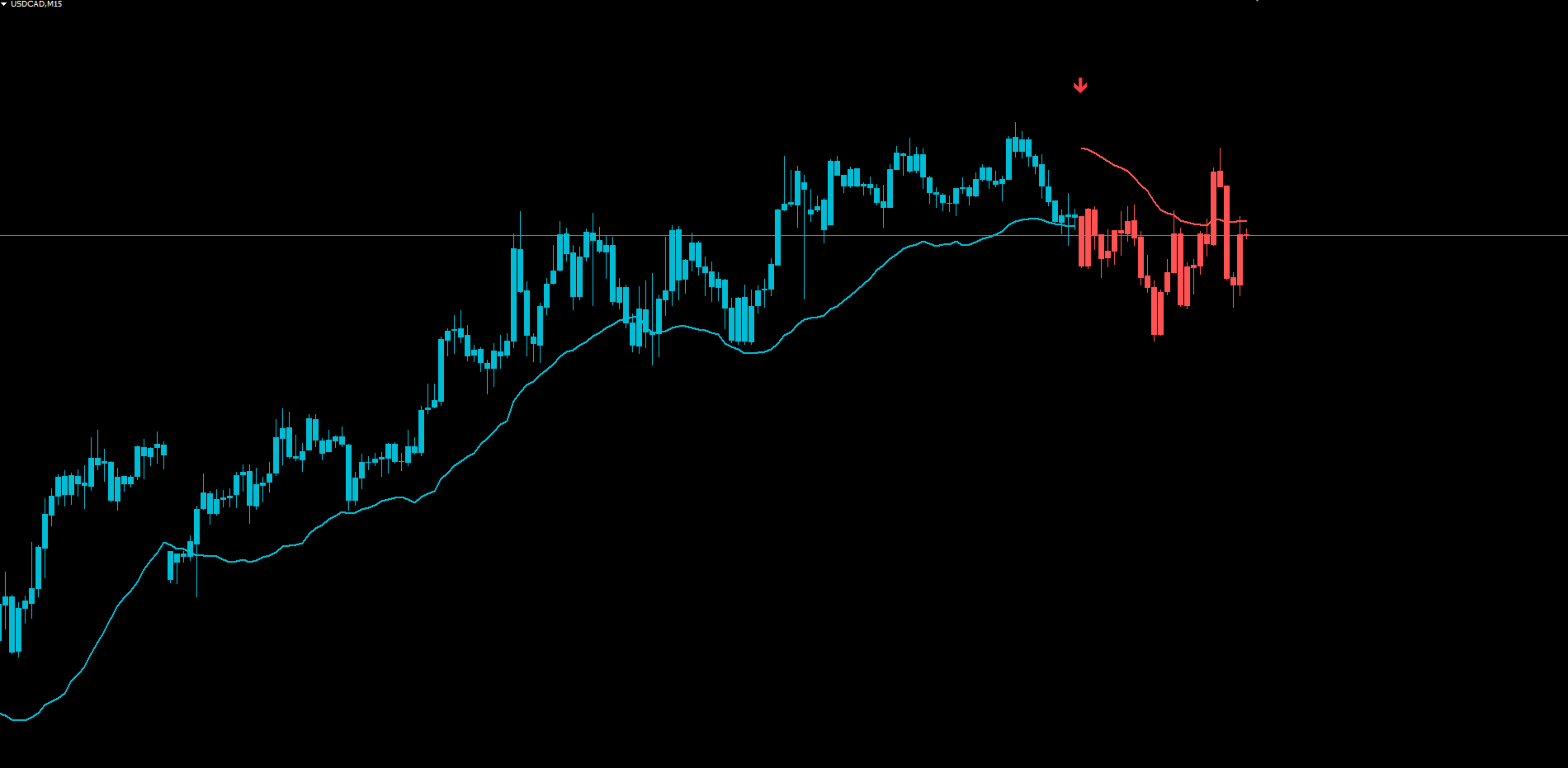
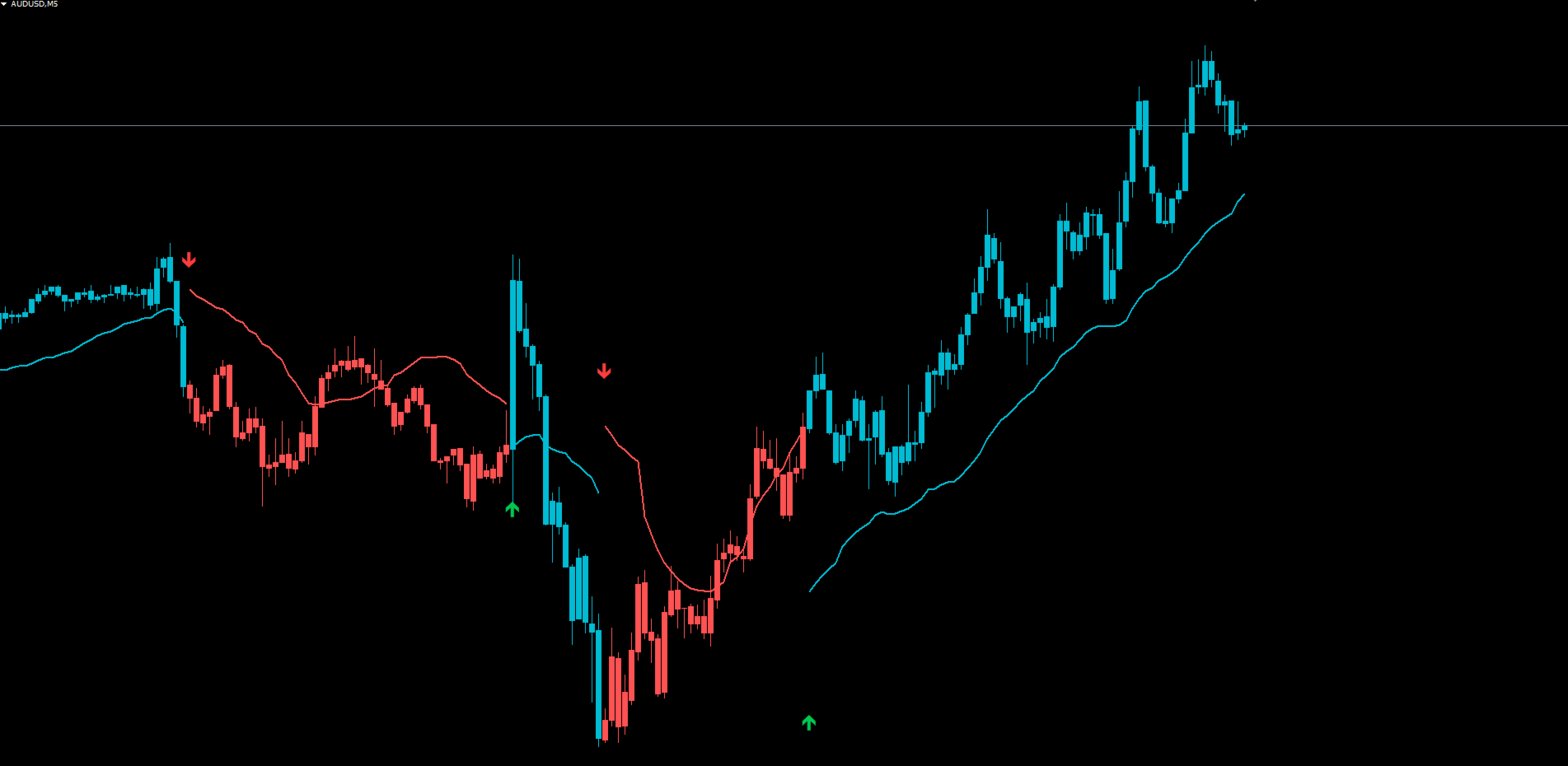
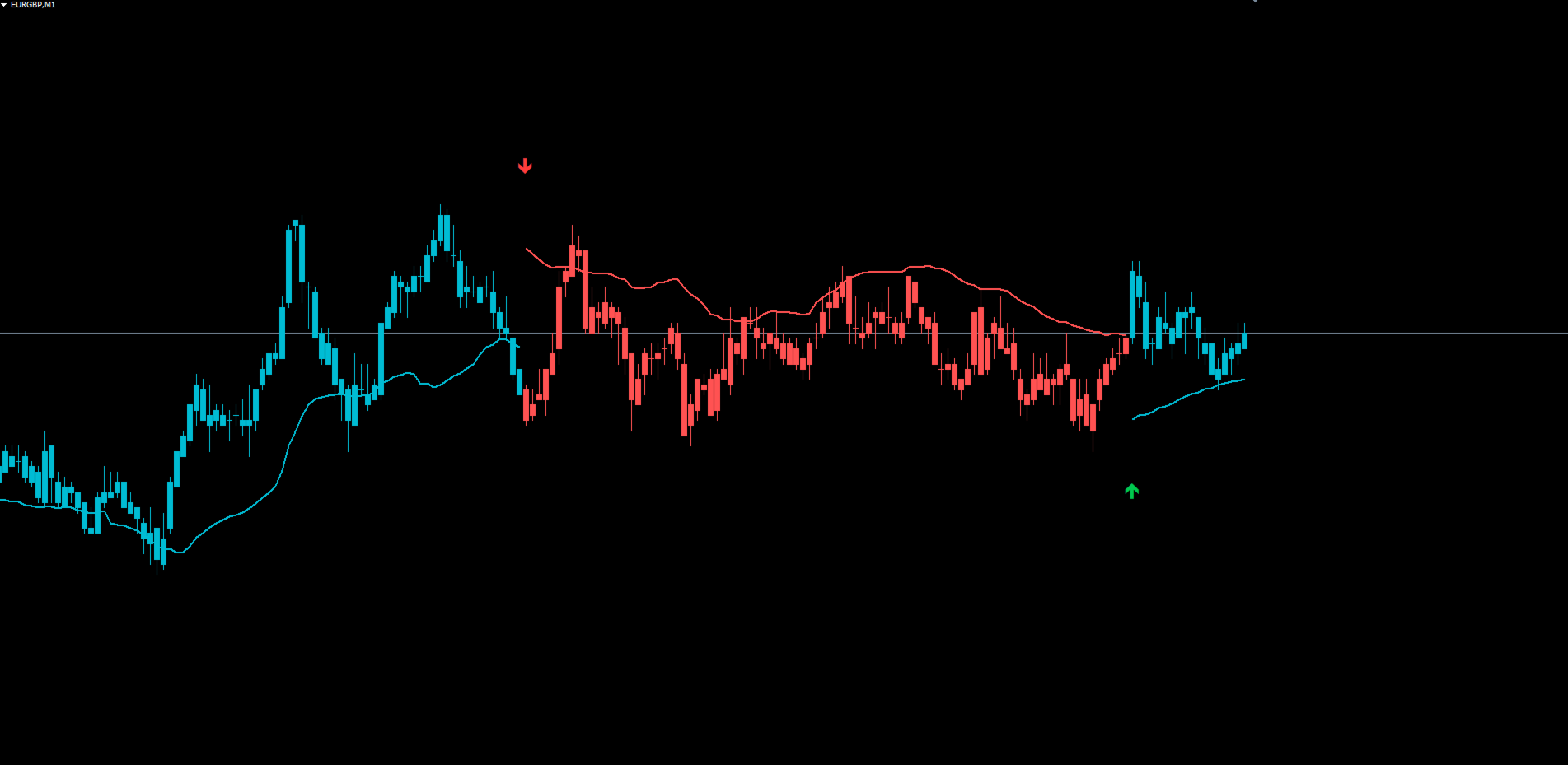
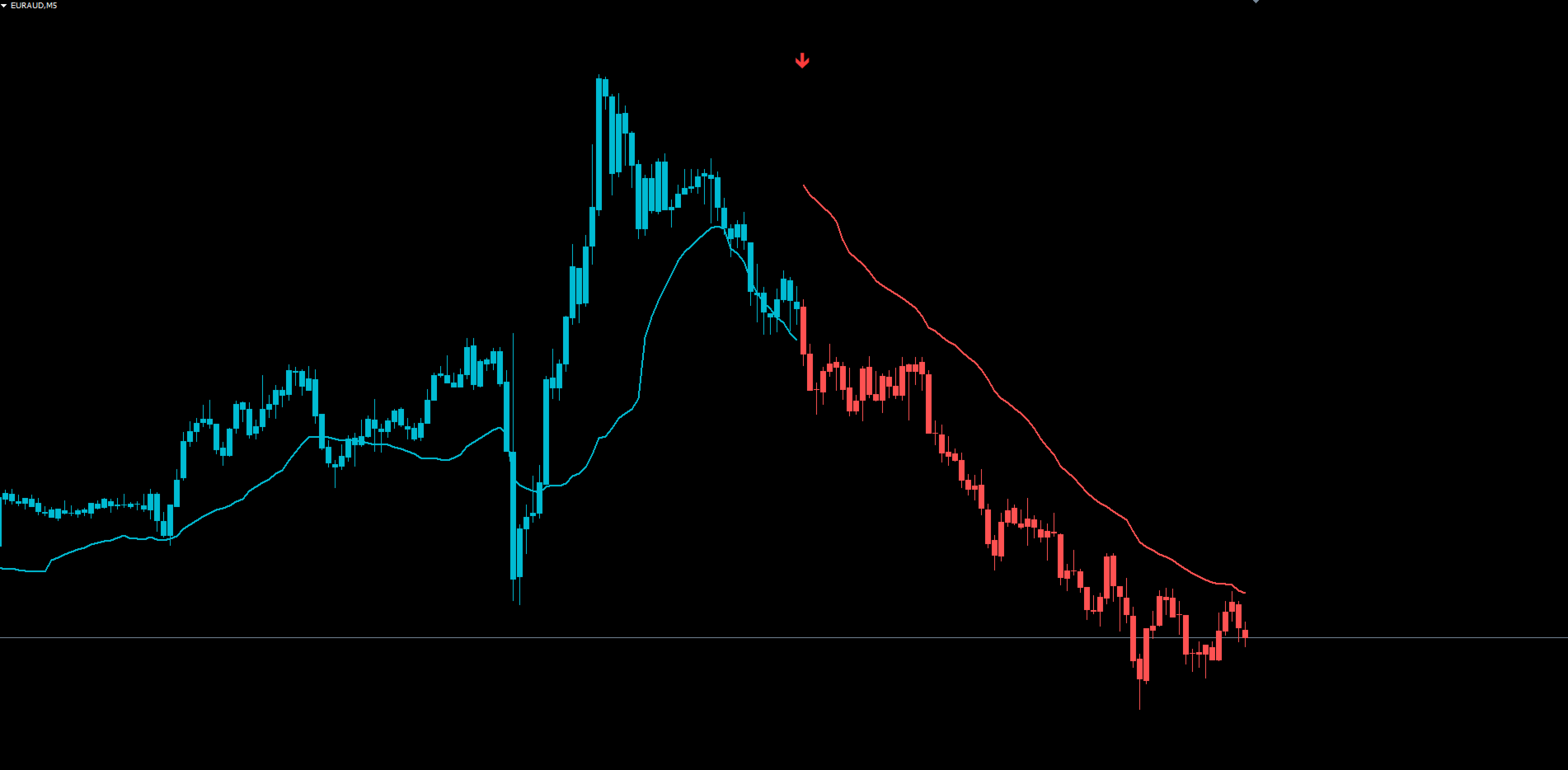
Flow Anchor Indicator is a non-repainting trend engine for MetaTrader 4. It combines a Relative Momentum Index — the average of the standard 14-period RSI on close and the 14-period Money Flow Index on the typical price — with a range-weighted moving average and an ATR-derived adaptive band. The result is a single colored anchor line that tracks the dominant trend, sits below price during bullish phases, sits above price during bearish phases, and never crosses through the candles. State transitions trigger BUY and SELL arrows on the chart along with optional alerts through up to four delivery channels.
Check MT5 version at: Flow Anchor MT5
See more products at: All Products
Check MT5 version at: Flow Anchor MT5
See more products at: All Products
For live examples and new tools, visit my profile and send a Friend request so you don’t miss updates!
How It Works
Hybrid Momentum Index (RMI)
The RMI is the arithmetic average of two well-known oscillators: the standard 14-period RSI calculated on the closing price and the 14-period Money Flow Index calculated on the typical price (high+low+close)/3. The RSI captures pure price-based momentum; the MFI weights momentum by traded volume. Averaging the two produces a hybrid index that responds to both price velocity and market participation. A market that rallies on strong volume produces a high RMI quickly; a market that drifts up on thin volume produces a moderate RMI even with rising prices. This makes RMI more selective than a pure RSI and more sensitive than a pure MFI.
Latched Trend State
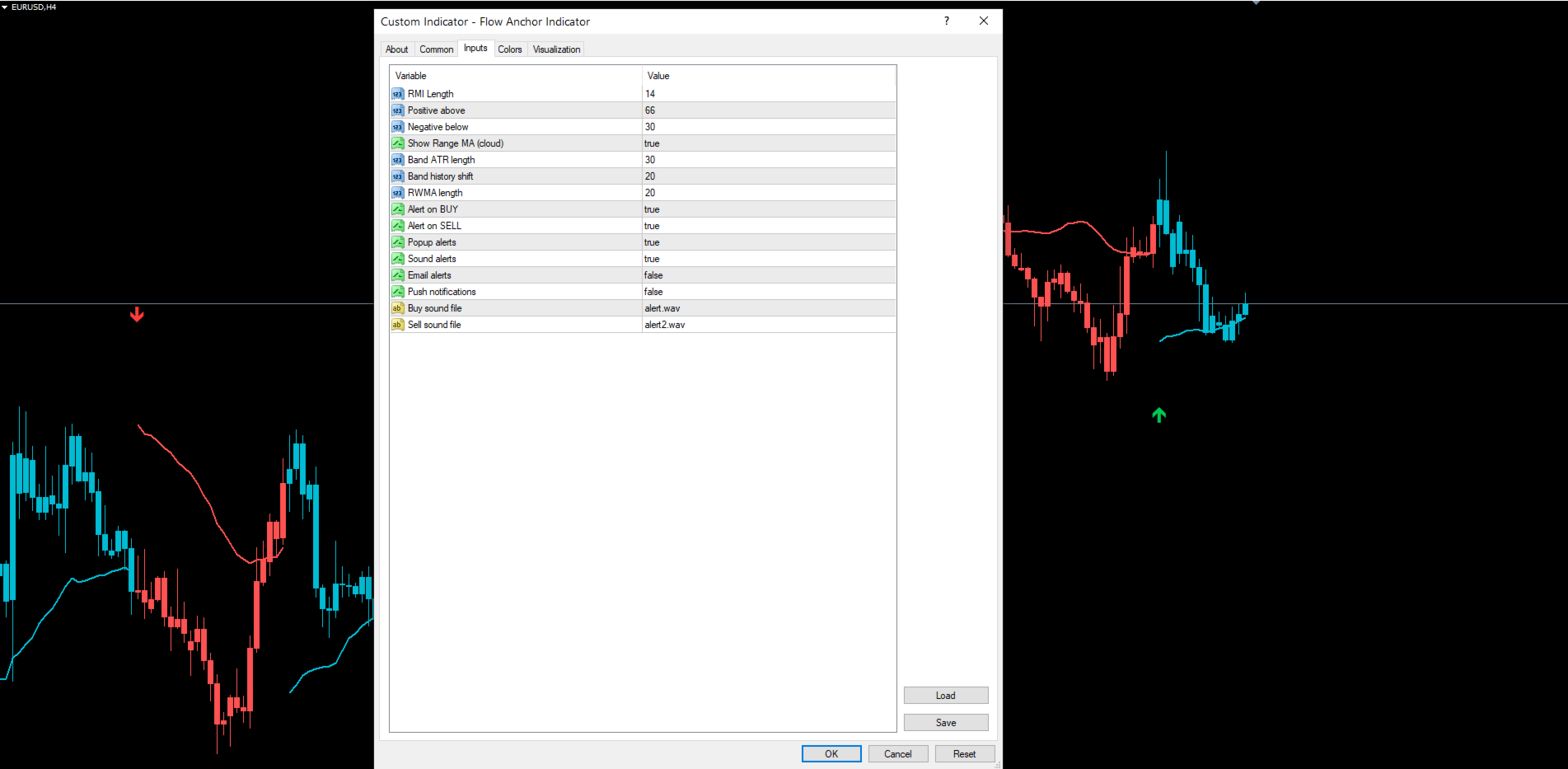
The trend state flips to positive when the RMI crosses up through the upper threshold (default 66) AND the 5-period EMA of close has risen since the previous bar. The state flips to negative when the RMI is below the lower threshold (default 30) AND the 5-period EMA has fallen. Once flipped, the state persists until the opposite trigger fires. This latched behavior produces stable, readable trend phases with one BUY or SELL signal per phase, rather than rapid flickering that plagues simpler oscillator-based strategies.
Range-Weighted Anchor Line
The anchor line is drawn as a range-weighted moving average over the last 20 bars, offset by a volatility-adaptive band. The weighting scheme gives more importance to high-range bars (where the market was actually moving) and less importance to low-range bars (where it was waiting). The result is a moving average that tracks dominant trend structure responsively without the high-frequency noise of an EMA. The band offset is computed as the smaller of (30-period ATR × 0.3) or (close × 0.003), shifted backward by 20 bars and multiplied by 4. This composition keeps the anchor line visibly separated from price under any volatility regime.
Key Features
- Hybrid RMI driver: average of 14-period RSI(close) and 14-period MFI(hlc3) for selective trend triggers
- Asymmetric thresholds (default 66 / 30) tuned for slow-build uptrends and fast-break downtrends
- Latched trend state machine: positive or negative state persists until the opposite trigger fires
- Range-weighted moving average emphasizes high-volatility bars over consolidation bars
- Adaptive flow band: volatility-scaled offset prevents the anchor line from crossing through price
- Cyan/red colored candles for instant trend-state visibility
- BUY/SELL signal arrows positioned automatically by band size (always visually proportional)
- 100% non-repainting: state transitions on closed bars, alerts deduplicated per bar
- 4 alert channels per direction: Popup, Sound, Email, Push notification — all independently configurable
- Customizable BUY and SELL sound files
- Works on all symbols (Forex, indices, commodities, crypto) and all timeframes
- Symbol and timeframe agnostic; no hardcoded broker assumptions