A large number of losing trades does not automatically make a strategy bad. The mistake most traders make is trying to find a system without any losses, while in reality, long-term profitability comes not from avoiding stop losses, but from the correct strategy math.
It’s not frequency that matters, but the ratio
In trading, what matters is not how many trades are closed in profit, but how much you earn on winning trades compared to how much you lose on losing ones.
If a system provides a risk-to-reward ratio of 1:3, one profitable trade can cover several losing ones. That is why a strategy can have many losses and still remain profitable in the long run.
Take a look at the table of win rates and risk-to-reward ratios. It quickly illustrates the key idea: a strategy’s profitability depends not only on the percentage of winning trades, but on how much each strong trade brings relative to the loss.
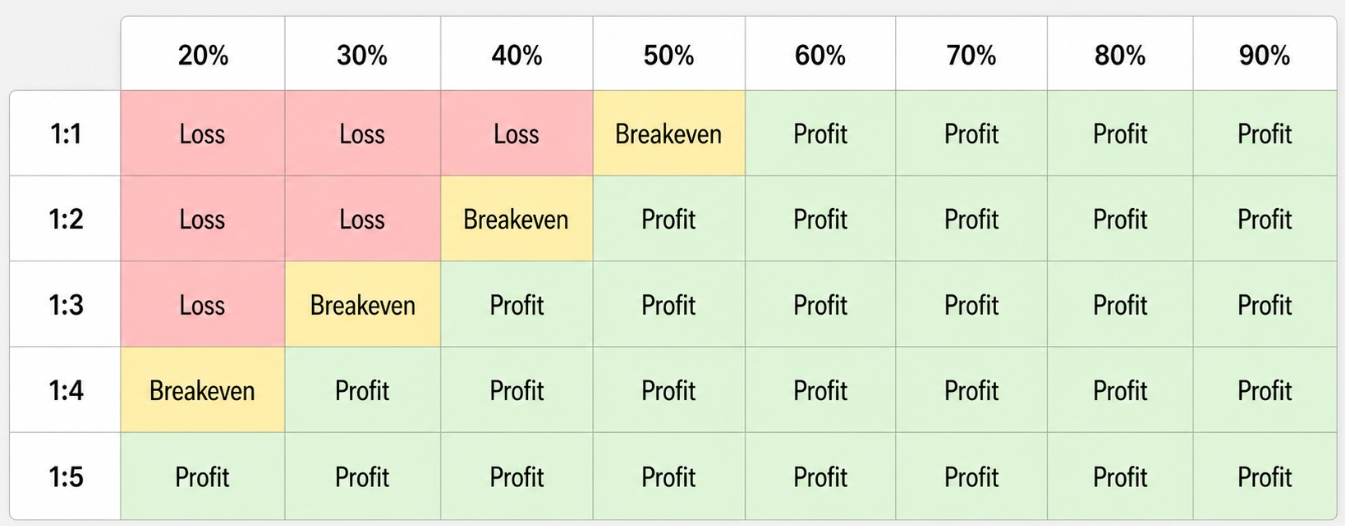
Fig. 1. Win rate and risk-to-reward ratio table
For example:
- with a 1:1 ratio, the strategy breaks even only from around a 50% win rate
- with a 1:2 ratio, such a high accuracy is no longer required
- with a 1:3 ratio, even a win rate of around 30% is close to breakeven, and beyond that the strategy becomes profitable
- with a 1:4 or 1:5 ratio, the win rate requirements become even lower
In simple terms: the higher the reward-to-risk ratio, the fewer trades need to be profitable for the strategy to work over time.
That is why the key question in trading is not: How to eliminate all losing trades? The correct question is: How to focus only on trades where the market move has real potential to deliver a strong risk-to-reward ratio?
How Owl Smart Levels helps here
Owl Smart Levels is not just a set of entry signals, but a system where strong signals should be taken and weak ones should be ignored.
Both good and bad entries will appear in the market. That is why a trader’s task is not to take every single trade, but to allow only those signals where the market structure truly offers solid movement potential.
In the Owl Smart Levels system, the core logic is built around a 1:3 risk-to-reward ratio. This is what allows the strategy to remain effective over time: even if some trades close in loss, strong entries can cover these losses thanks to proper math.
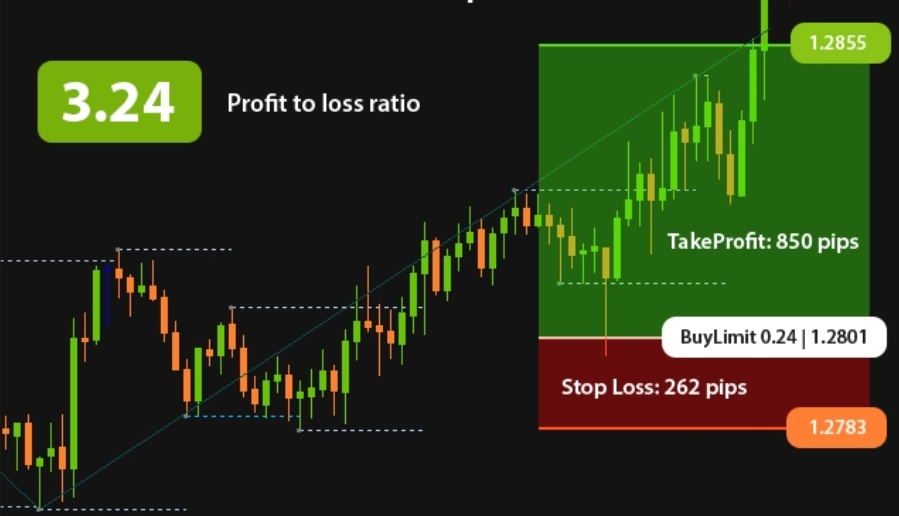
Fig. 2. Example of risk-to-reward ratio in Owl Smart Levels
That is why, when working with the system, it is especially important to understand in advance which signals should be ignored and which ones should be prioritized. This is covered in more detail in the articles “When to Ignore Signals from the Owl Indicator” and “Don’t miss these signals from the Owl Smart Levels indicator!”.
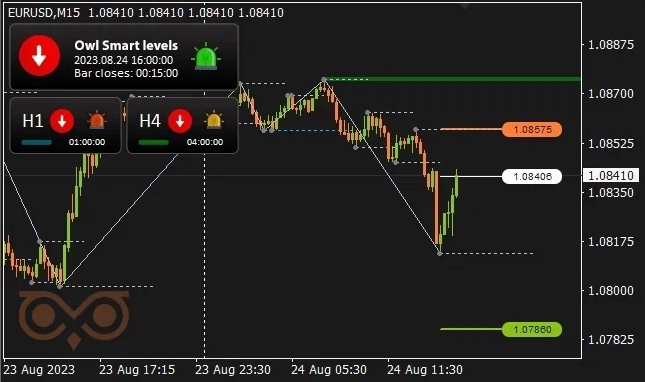
Fig. 3. Example of a strong Owl Smart Levels signal
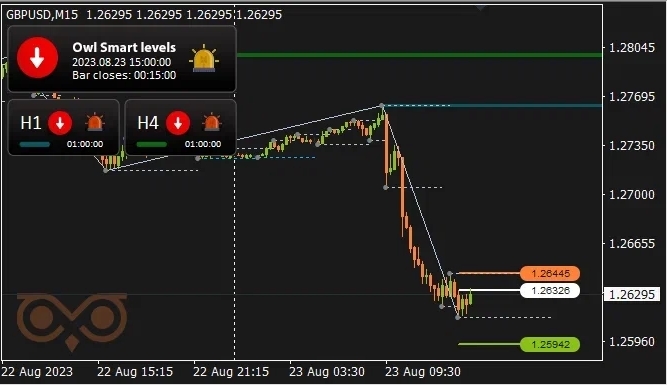
Fig. 4. Example of a weak Owl Smart Levels signal
So the point is not to eliminate all losing trades, but to work only with those entries where the trade truly has the potential to deliver the desired risk-to-reward ratio.
Therefore, a large number of losing trades by itself means nothing. If the strategy maintains a proper risk-to-reward ratio and you know how to filter out weak entries, it can remain profitable over the long term.
If you want to better understand the Owl Smart Levels system, we recommend taking a look at the following articles:
Recommended for reading
DON'T MISS THE MAY HOLIDAY SALE!!!
I'm Sergei Ermolov, follow me and don't miss more useful tools for profitable trading on the Forex market.