XAUUSD, EURUSD, USDJPY: Review of trades of the Owl Smart Levels system from May 4 to 8, 2026

Today I present you an overview of trades made using the Owl trading system - smart levels for the XAUUSD, EURUSD and USDJPY currency pairs for the week from May 4 to 8, 2026. The report covers all trades generated by the system's signals, taking into account strict risk management and predefined entry and exit levels.
XAUUSD review
The first signal on XAUUSD was received on May 6 and was classified as a weak signal. The main reason for filtering was that by the time the signal appeared, the price had already made a strong upward move, so the entry was late relative to the main impulse.
In such a situation, the signal does not provide a high-quality entry point, because most of the move has already occurred, and the probability of a pullback against the trade becomes higher. Therefore, no trade was opened according to the system, even though the overall direction remained bullish.
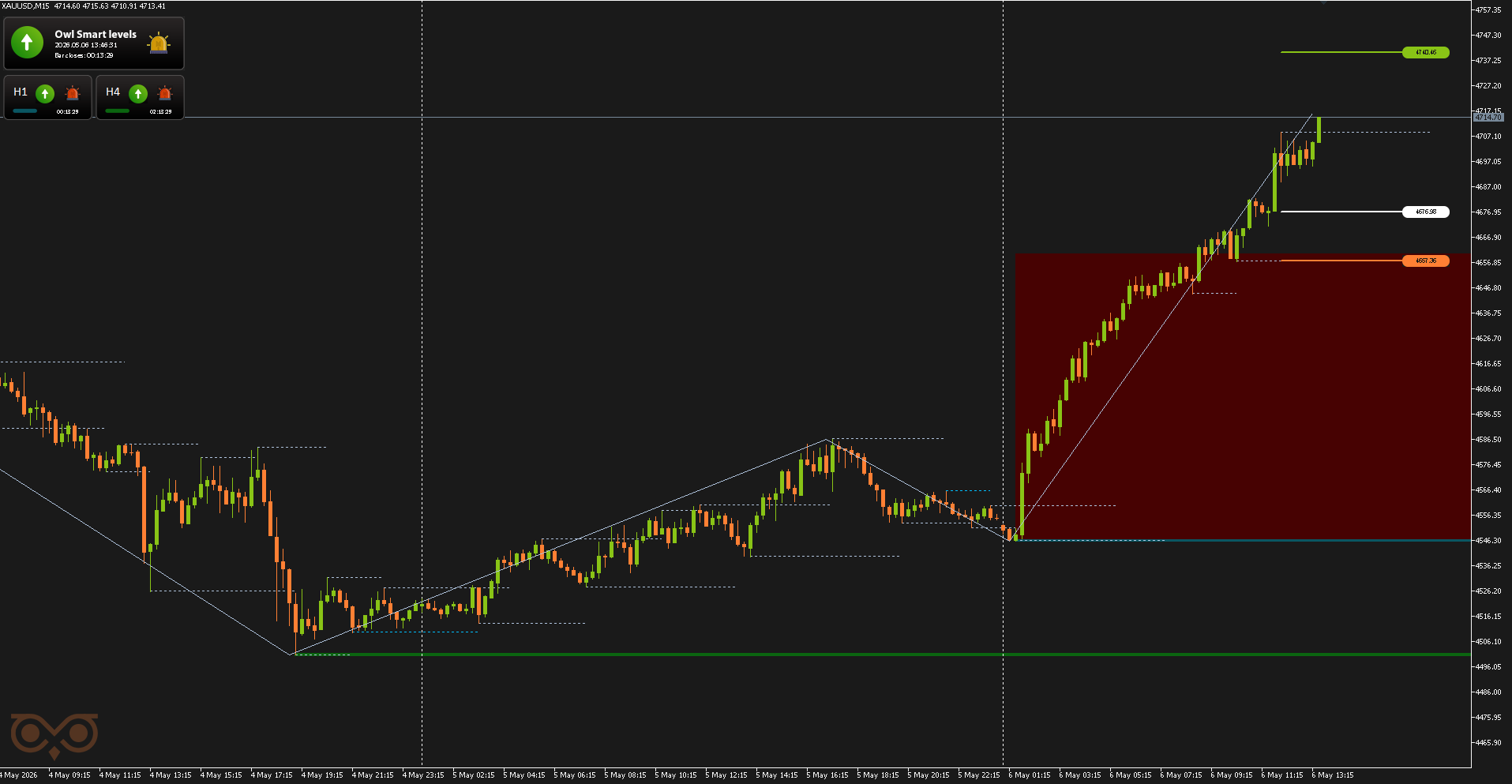
Fig. 1. Weak signal — before the signal appeared, the market had already made a strong move
The second signal on XAUUSD was received on May 8 and was a strong signal. In this case, the entry point formed near the H1 level, which strengthened the scenario and made it higher quality according to the system. When a signal appears near a higher timeframe level, the trade gets additional support, as the entry is not random but based on an area where the market may continue its main movement.
After the signal appeared, a buy trade on XAUUSD was opened. After entry, the price did continue moving in the direction of the main scenario, but it did not reach TakeProfit. Since by 23:00 the position was still open, the trade was closed manually at 4724.00 according to the system rules.
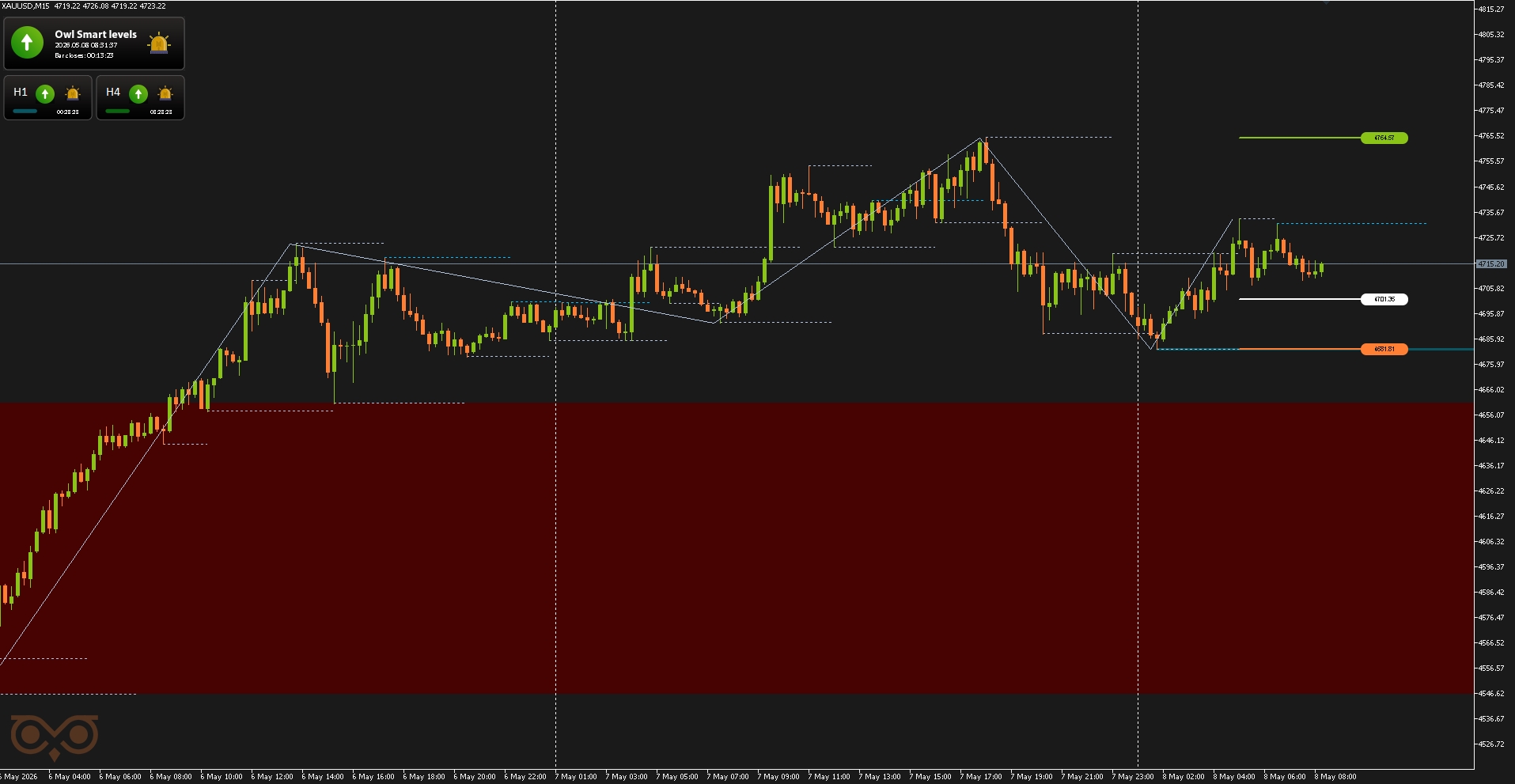
Fig. 2. XAUUSD BUY, Lot = 0.77, OpenPrice = 4701.35, StopLoss = 4681.81, TakeProfit = 4764.57, ClosePrice = 4724.00, Profit = +$1 743.28

Indicator Owl Smart Levels MT5 | MT4 version
EURUSD review
The first signal on EURUSD was received on May 6 and was classified as a weak signal. In this case, the main reason for filtering was that by the time the signal appeared, the market had already made a strong upward move, so the entry became less accurate and late.
Even though the direction after the impulse remained bullish, the entry point appeared after a significant part of the move had already happened. In such a situation, the risk of a pullback increases, and the potential for continuation becomes less attractive. Therefore, this signal was intentionally skipped according to the system.
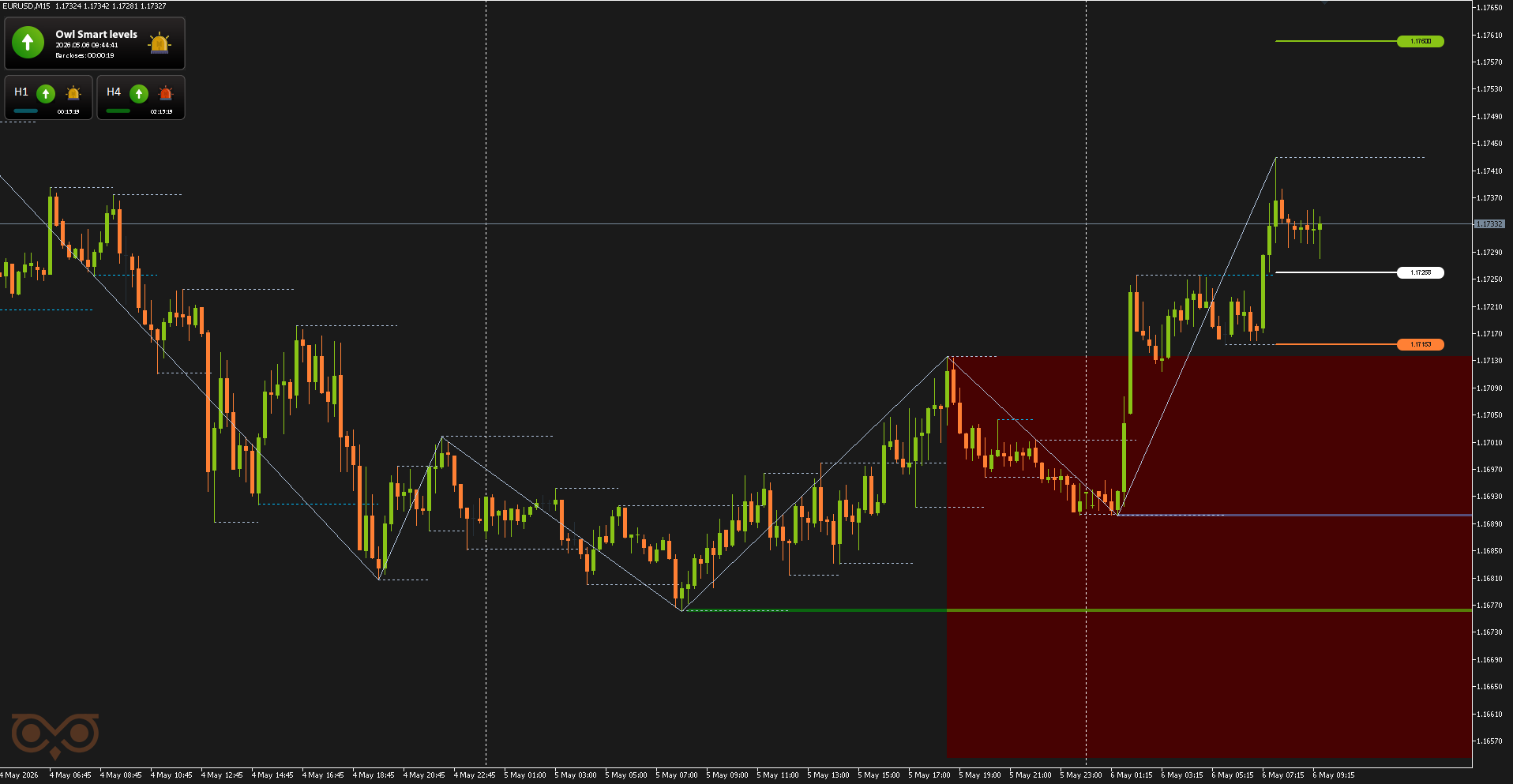
Fig. 3. Weak signal — before the signal appeared, the market had already made a strong move
The second signal on EURUSD was received on May 7 and was a strong signal. In this case, the signal formed near the H1 level, so it was taken as a higher-quality setup according to the system. The price was near an important higher timeframe area, and after a pullback, a continuation entry appeared.
After the signal appeared, a buy trade on EURUSD was opened. The idea was that after the reaction from the H1 zone, the market could maintain its bullish structure and continue toward the target. However, this time buyers failed to continue the move: price returned against the position, and the trade was closed at StopLoss.
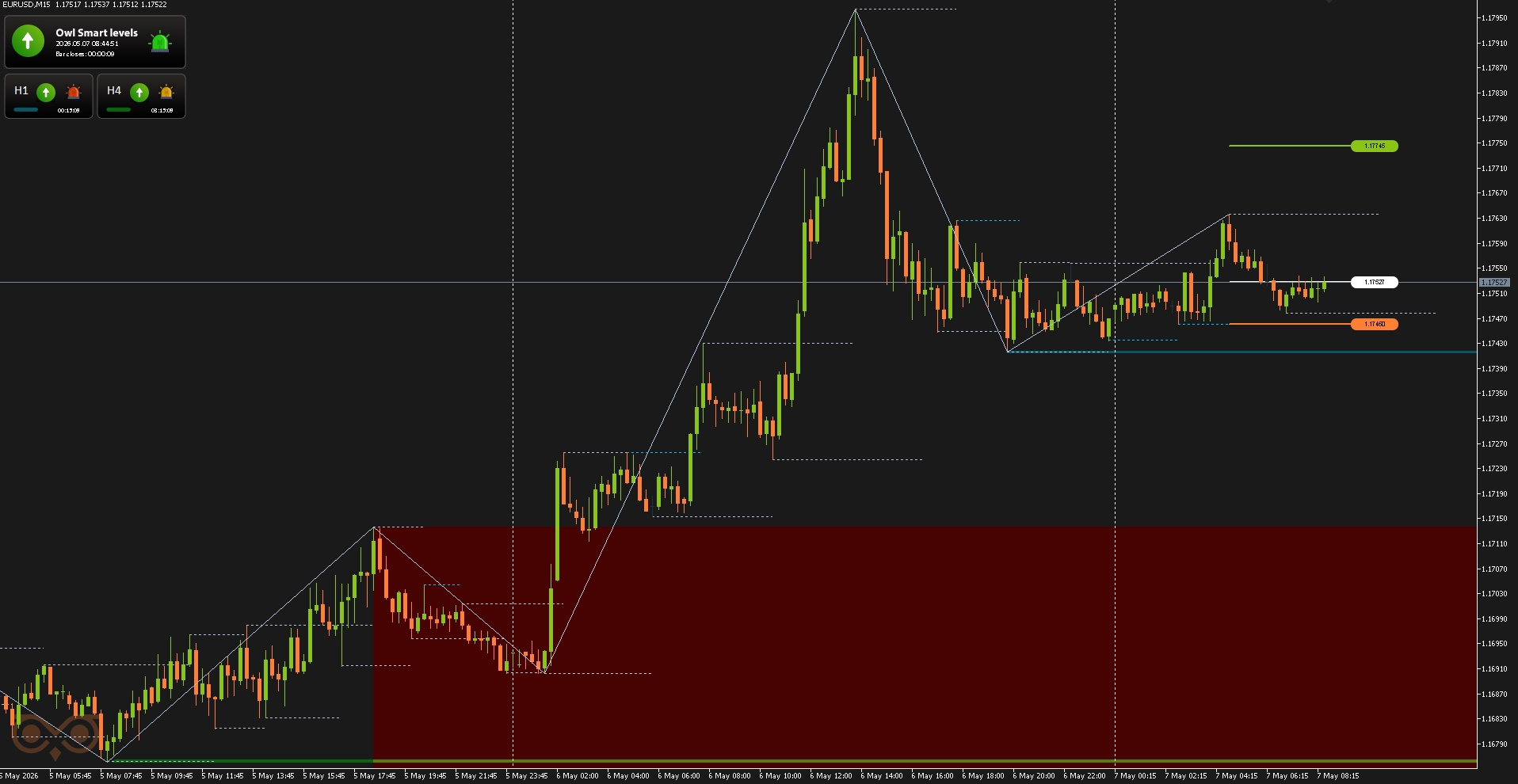
Fig. 4. EURUSD BUY, Lot = 22.39, OpenPrice = 1.17527, StopLoss = 1.17460, TakeProfit = 1.17745, Profit = -$1 500.00
The third signal on EURUSD was also received on May 7 and again was a strong one. In this case, the signal belongs to a deep pullback within the trend: the market had previously formed an upward move, then made a fairly deep correction without breaking the overall bullish structure. This setup was valid because the entry appeared after a full correction, not at a late impulse stage.
After the signal appeared, a buy trade on EURUSD was opened. Since there had already been a loss before, this position was opened with increased risk of 1.75% of the deposit. The idea was continuation of the upward move after the deep correction, but the market failed to develop the bullish scenario. Price moved against the position, and the trade was closed at StopLoss.
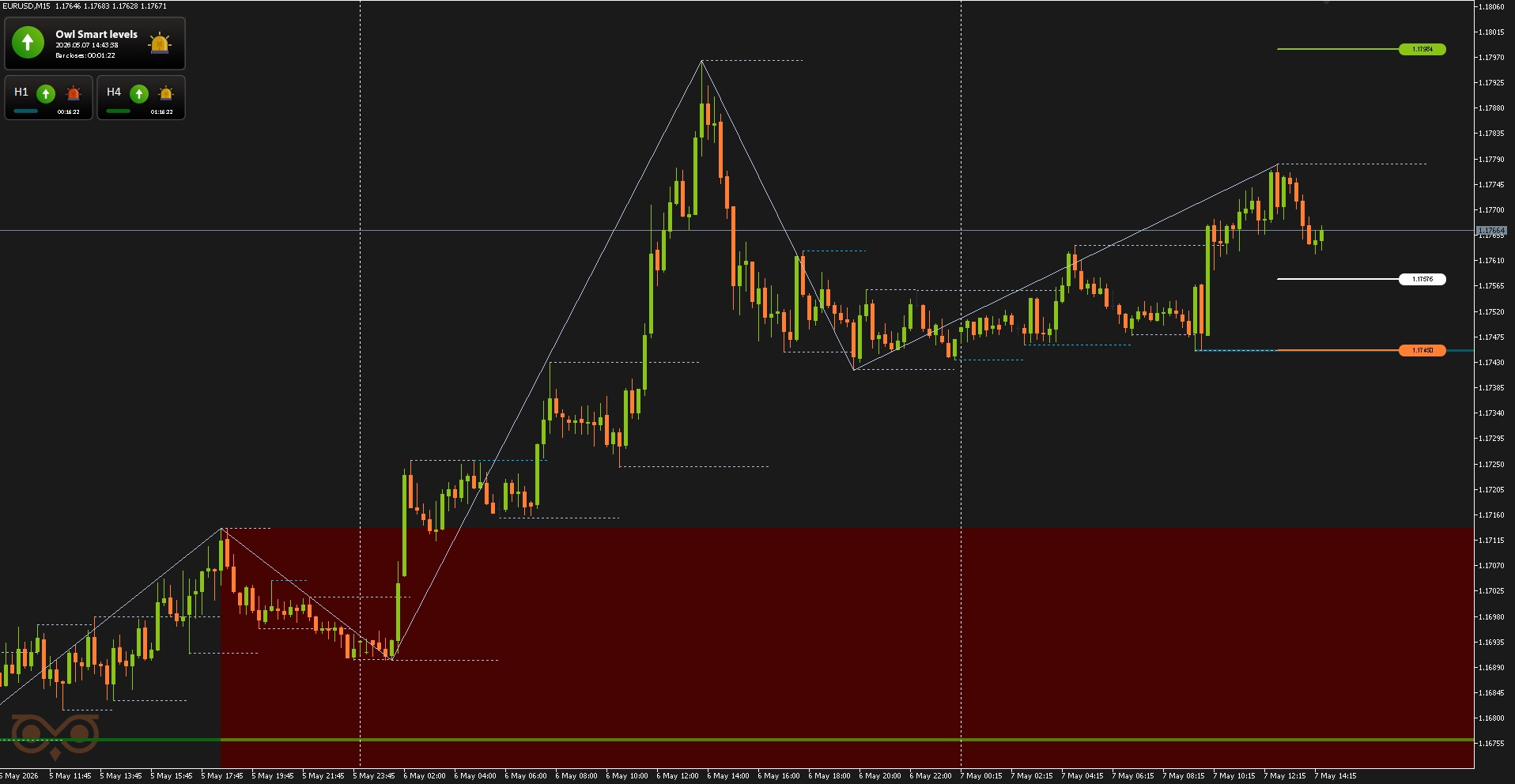
Fig. 5. EURUSD BUY, Lot = 13.89, OpenPrice = 1.17576, StopLoss = 1.17450, TakeProfit = 1.17984, Profit = -$1 750.00
USDJPY review
The first and only signal on USDJPY was received on May 5 and was classified as a weak signal. In this case, the main reason for filtering was timing: the signal formed near the end of the trading day, when opening a new position no longer met the conditions for a high-quality entry.
Even with a bullish direction, such a signal was not taken into trading because late in the day the market may lose normal momentum, and the trade risks becoming less controlled. Therefore, the entry was intentionally skipped according to the system.
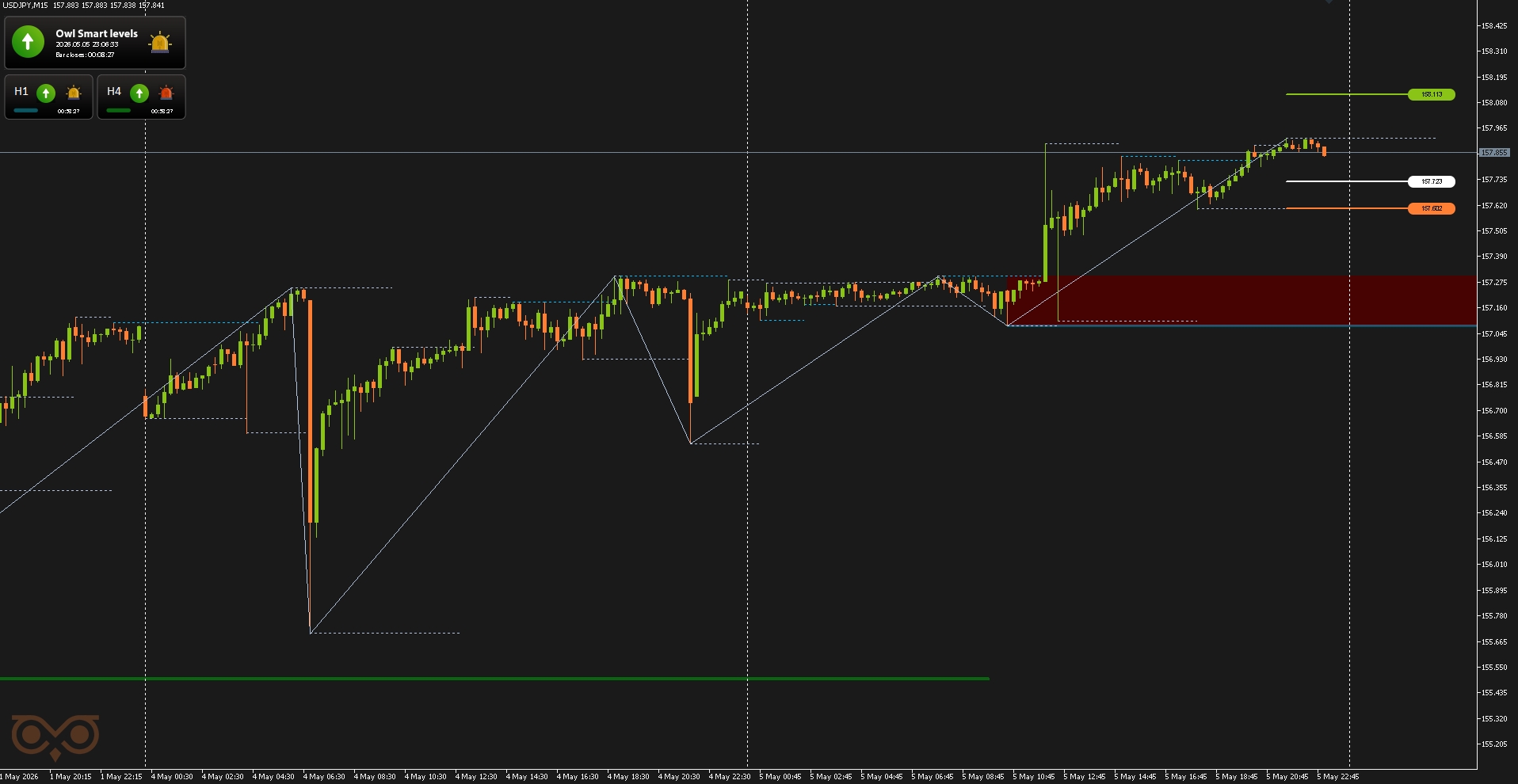
Fig. 6. Weak signal — formed near the end of the trading day
As a result, no trades were opened on USDJPY during the trading week.
Summary:
The trading results show that the past week was unprofitable on open trades, but all decisions were made within the rules of the Owl Smart Levels system.
During the reviewed period, 6 signals were received on XAUUSD, EURUSD, and USDJPY. Out of these, 3 signals were strong and 3 were weak. All weak signals were intentionally skipped: some appeared after a strong move had already occurred, and one was formed near the end of the trading day.
All 3 strong signals were traded. One XAUUSD trade was closed manually at 23:00 according to management rules, as price did not reach TakeProfit by the end of the trading day. Two EURUSD trades were closed at StopLoss.
It is important to understand that no trading system is profitable every week. Losing periods are a normal part of trading, and it is especially important during such times to stay consistent with the rules if the system shows results over time. During this week, there were no random entries or rule violations — weak signals were skipped, strong setups were executed according to the rules, and trades were managed as defined.
The overall result for the week’s open trades was -$1 506, which corresponds to -1.51% of the deposit.
If you want to better understand which signals are low probability and which have higher chances of success, check out the following articles:
Detailed data for all positions and final results for each trade are shown in the summary table.


Indicator Owl Smart Levels MT5 | MT4 Version
See other trading reviews using the Owl Smart Levels system:
I'm Sergei Ermolov, follow me and don't miss more useful tools for profitable trading on the Forex market.