XAUUSD, EURUSD, USDJPY: Review of trades of the Owl Smart Levels system from May 11 to 15, 2026

Today I present you an overview of trades made using the Owl trading system - smart levels for the XAUUSD, EURUSD and USDJPY currency pairs for the week from May 11 to 15, 2026. The report covers all trades generated by the system's signals, taking into account strict risk management and predefined entry and exit levels.
XAUUSD review
The first signal on XAUUSD was received on May 11 and belonged to the category of weak signals. In this case, the main reason for filtering was that before the signal appeared, the market had already completed the main downward movement, so the entry became delayed relative to the current impulse.
Even if a signal appears on the chart after such a move, the quality of the entry is already lower: most of the scenario could have played out before the entry point, and the probability of a pullback against the position becomes higher. As a result, this signal was not taken into work according to the system, since opening a trade after the main movement had already passed was less justified.
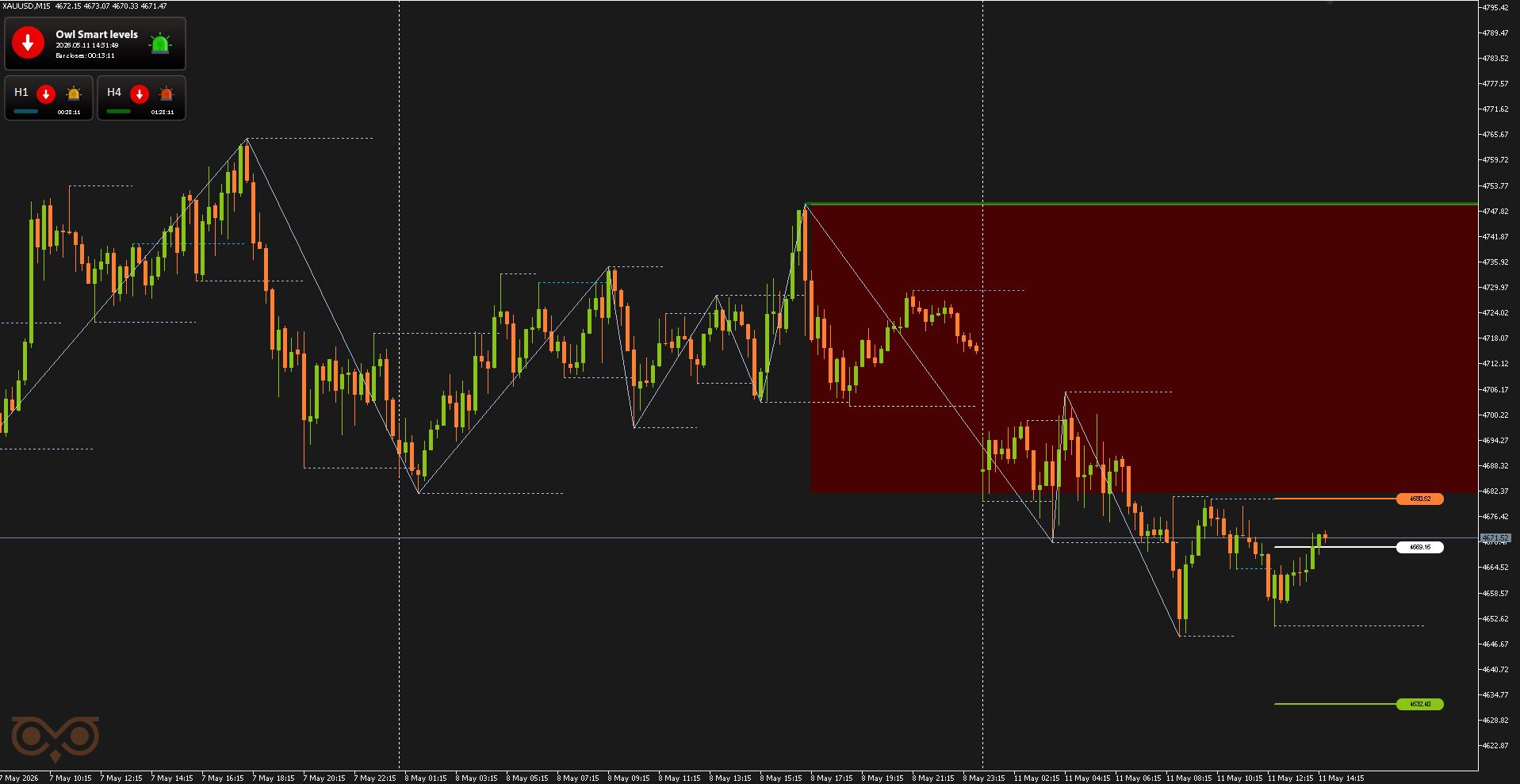
Fig. 1. Weak signal — before the signal appeared, the market had already completed the main movement
The second signal on XAUUSD was also received on May 11 and was again weak. In this case, the signal was not taken into work for several reasons: it formed closer to the end of the trading day and was also located in the dead zone, which is marked in red on the chart.
Even if a technical signal appears on the chart, its quality decreases when it forms in a zone where, according to the system, there are no good conditions for opening a trade. Additionally, the timing of the signal made the entry less justified, since near the end of the trading day a new position may move into a less manageable phase.
For this reason, this signal was deliberately skipped. This is an example of a situation where it is important not just to react to the appearance of an arrow, but to consider the overall context, timing, and the signal’s position relative to the system’s working zones.
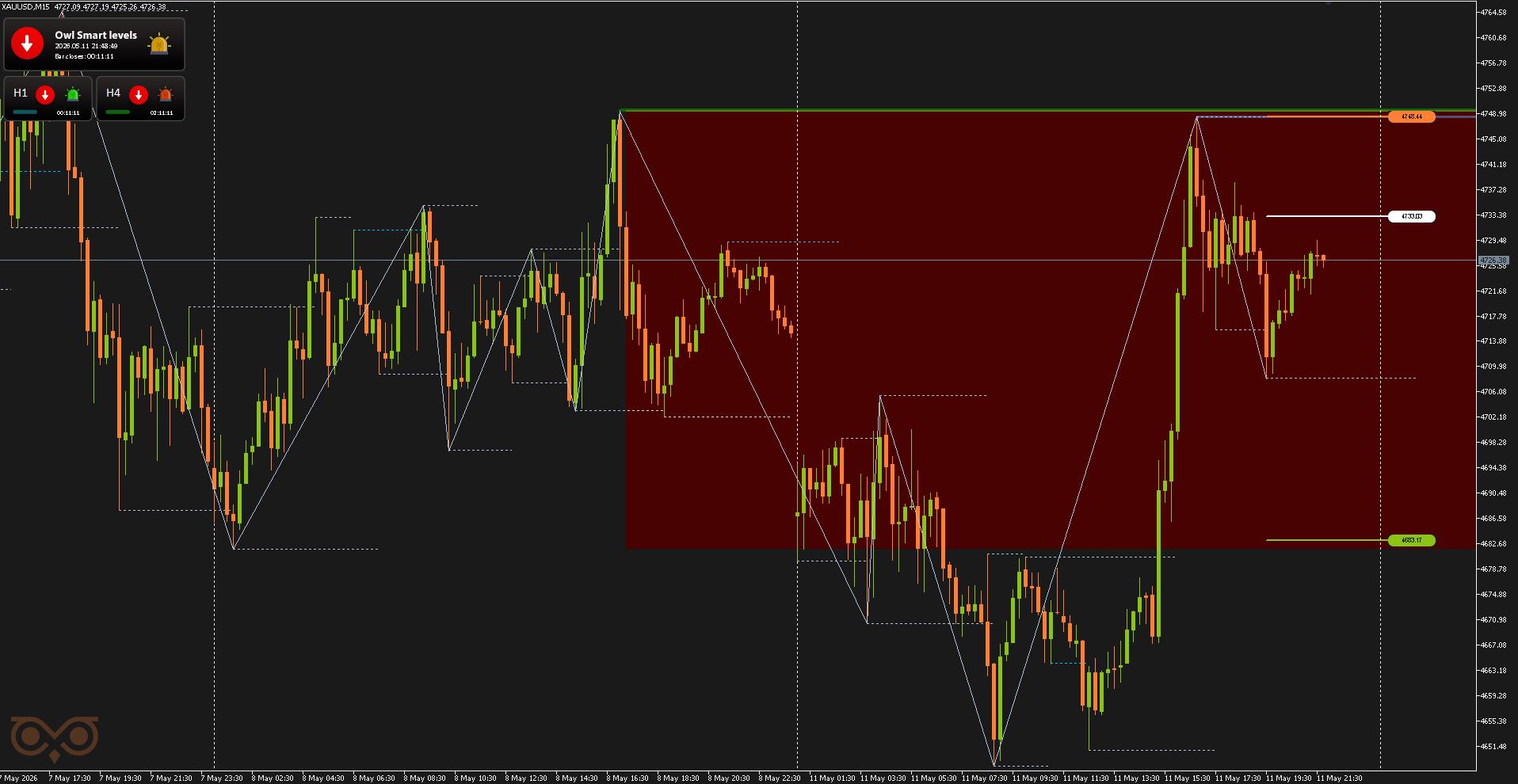
Fig. 2. Weak signal — formation at the end of the trading day and inside the dead zone
The third signal on XAUUSD was received on May 12 and also belongs to the category of weak signals. In this case, the main reason for skipping it was the signal’s location inside the dead zone, which is marked in red on the chart.
According to the system, such signals should not be taken into work because the zone itself does not provide a quality advantage for opening a position. Even if direction appears on the chart and there is visible movement, an entry inside the dead zone is considered less reliable: the scenario may look valid, but by the system rules it does not have sufficient confirmation for a trade.
So, this signal was deliberately ignored. It is included in the review as an example of a situation where it is important to follow the filter of working zones and not open a trade just because a signal appears.
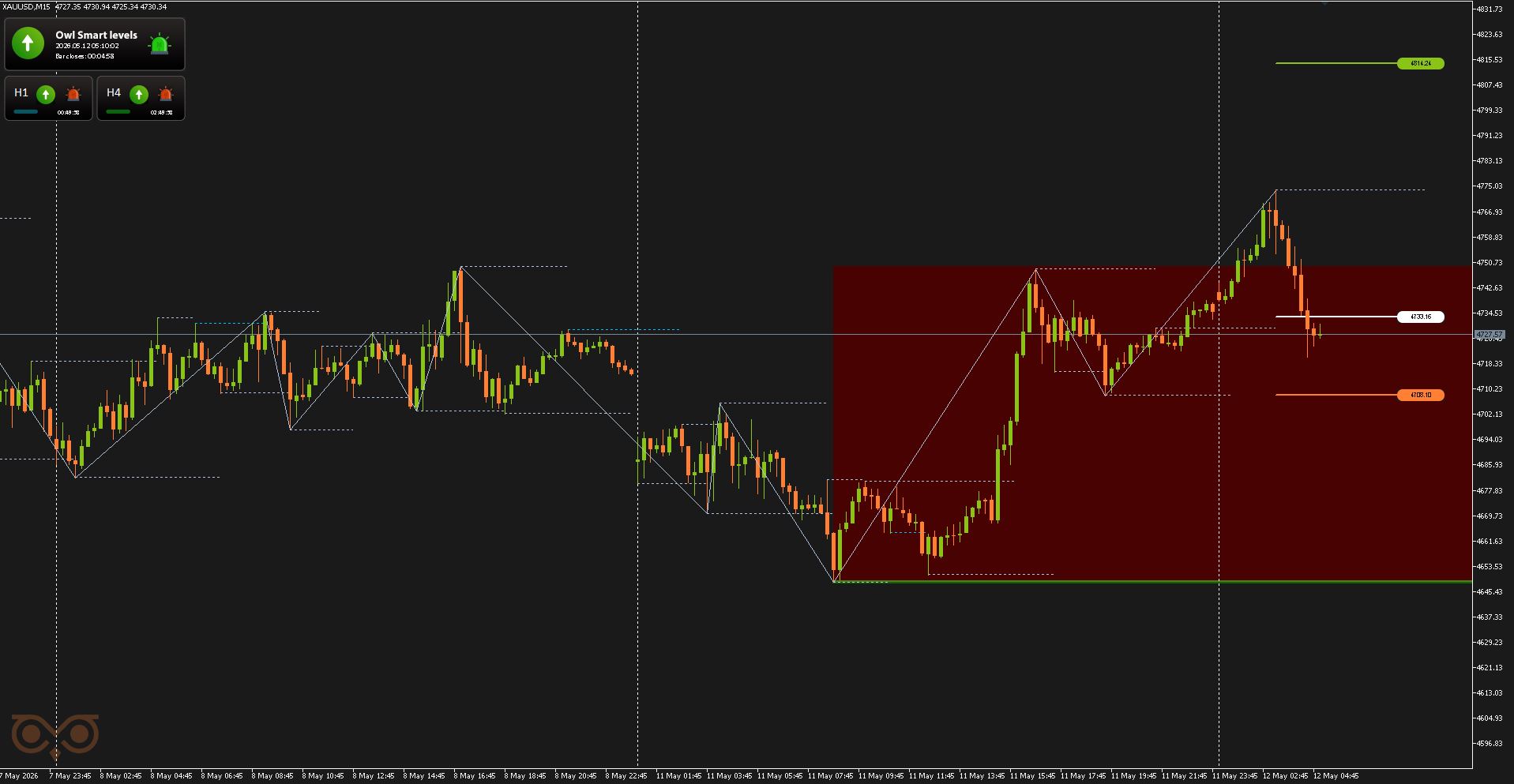
Fig. 3. Weak signal — signal appearance inside the dead zone
As a result, there were only weak signals for XAUUSD last week, and no trades were opened.

Indicator Owl Smart Levels MT5 | MT4 version
EURUSD review
The first and only signal on EURUSD was received on May 11 and belonged to the category of weak signals. In this case, the main reason for skipping it was the timing of the signal: it formed closer to the end of the trading day, when opening a new position according to the system no longer made sense.
Even if the structure on the chart itself looks valid, toward the end of the day the quality of the entry decreases. The trade may shift into overnight movement, and there is little time left for the scenario to play out properly. For this reason, this signal was not taken into work and was deliberately skipped.
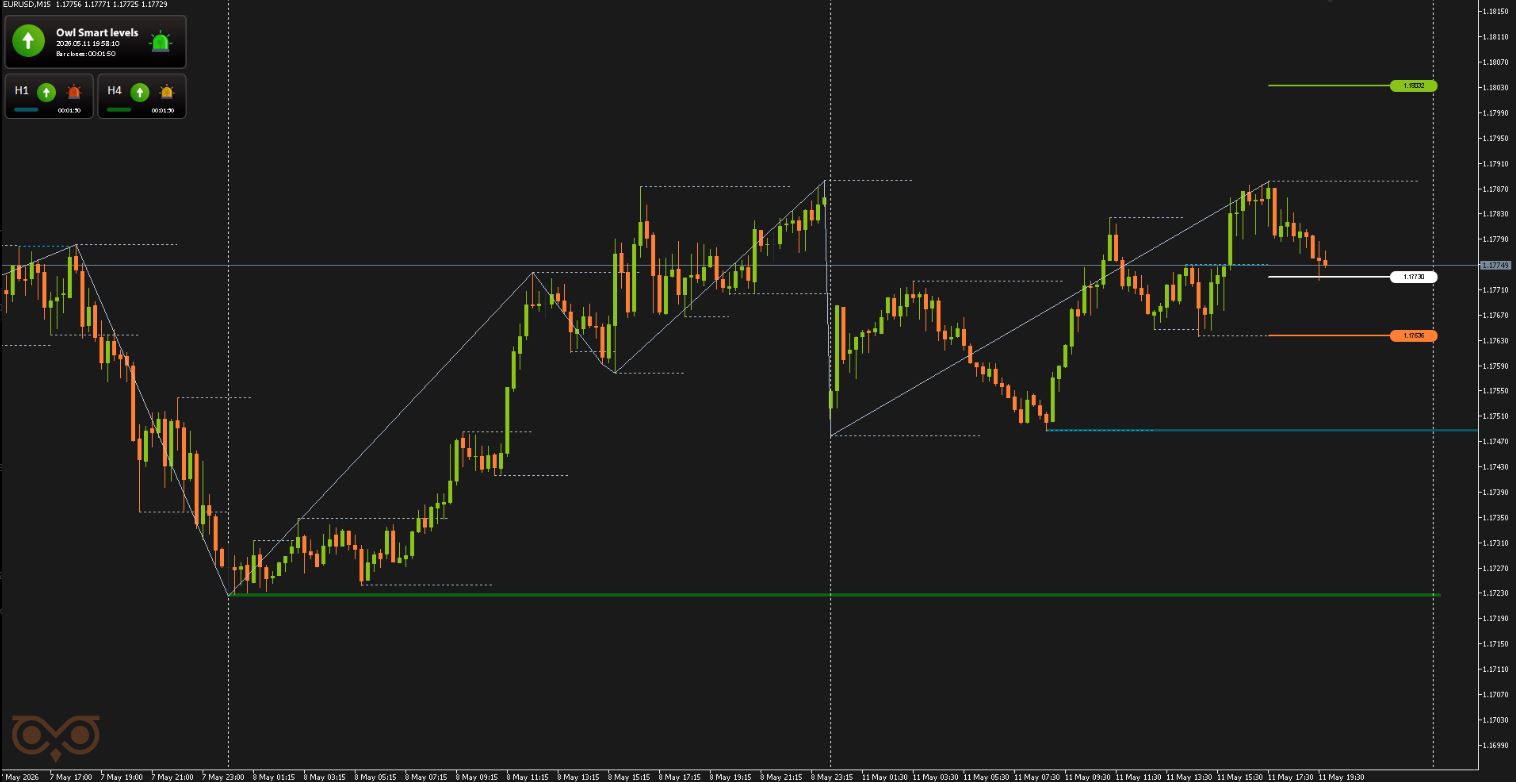
Fig. 4. Weak signal — signal formation at the end of the trading day
This meant that no trades were opened on the EURUSD pair either.
USDJPY review
The first signal on USDJPY was received on May 11 and belonged to the category of weak signals. In this case, the main reason for skipping it was that by the time the signal appeared, the market had already completed a large upward movement, so the entry point became less favorable.
After such a move, a signal often appears too late: the main part of the move may already be completed, and the probability of a pullback against the position becomes higher. This is why that signal was not taken into work according to the system. In this situation, the correct decision was not to open a trade, but to wait for a higher-quality scenario where the entry appears not after the move has already happened, but at a more favorable point.
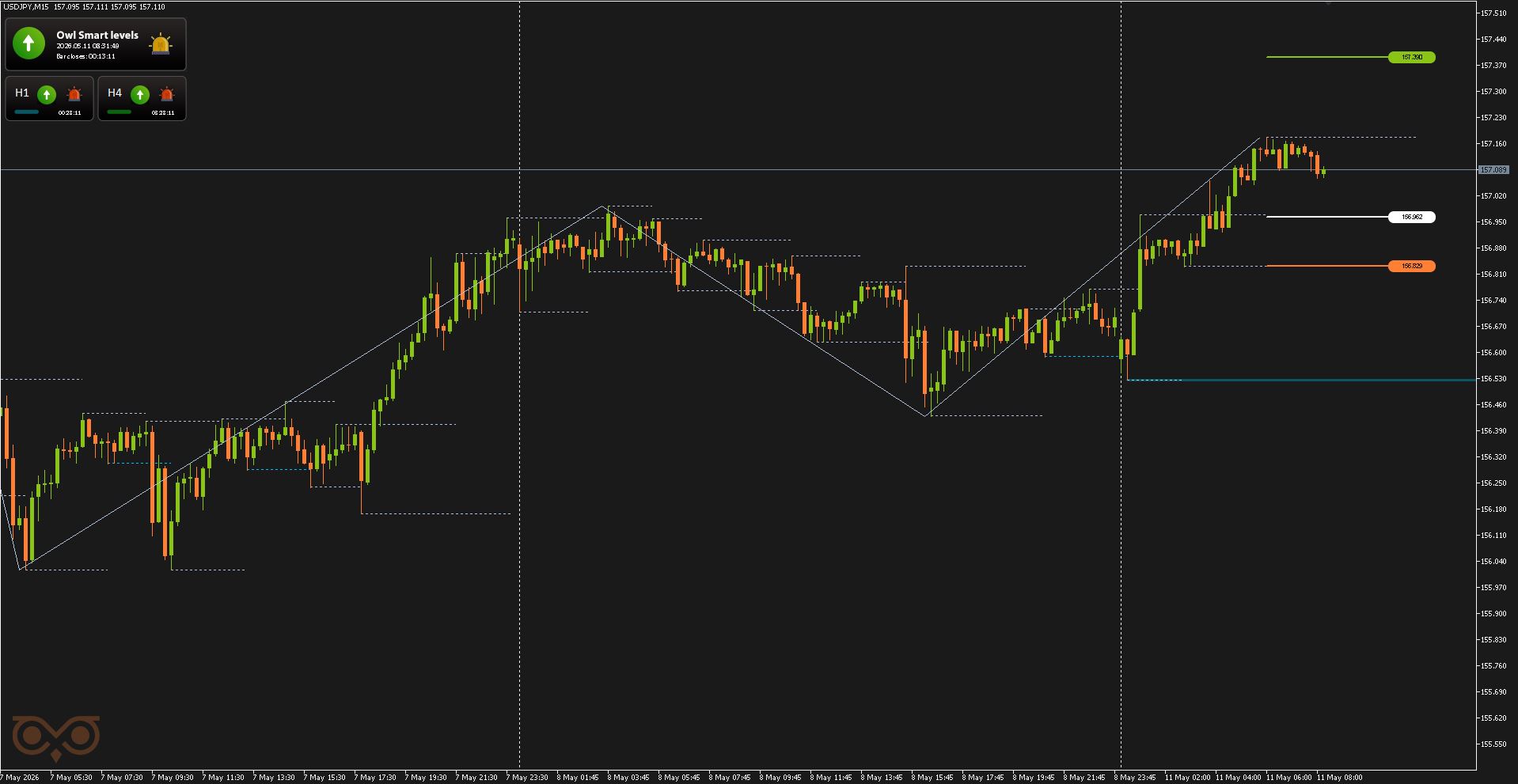
Fig. 5. Weak signal — before the signal appeared, the market had already completed a large movement
The second signal on USDJPY was received on May 12 and was a strong signal. In this case, the signal belonged to the category of a deep correction within the trend: before the entry, the market maintained an upward direction, after which the price made a pullback and formed a new point for continuation of the upward movement. Such a scenario looks high-quality because the entry appears not after an already completed impulse, but after a correction within the main direction.
After the signal appeared, a buy trade on USDJPY was opened. The idea was that after a deep correction, the price would continue the upward movement and update the ближайшую целевую область. However, this time the market did not hold the scenario: after the entry, the price moved against the position, and the trade was closed at StopLoss.
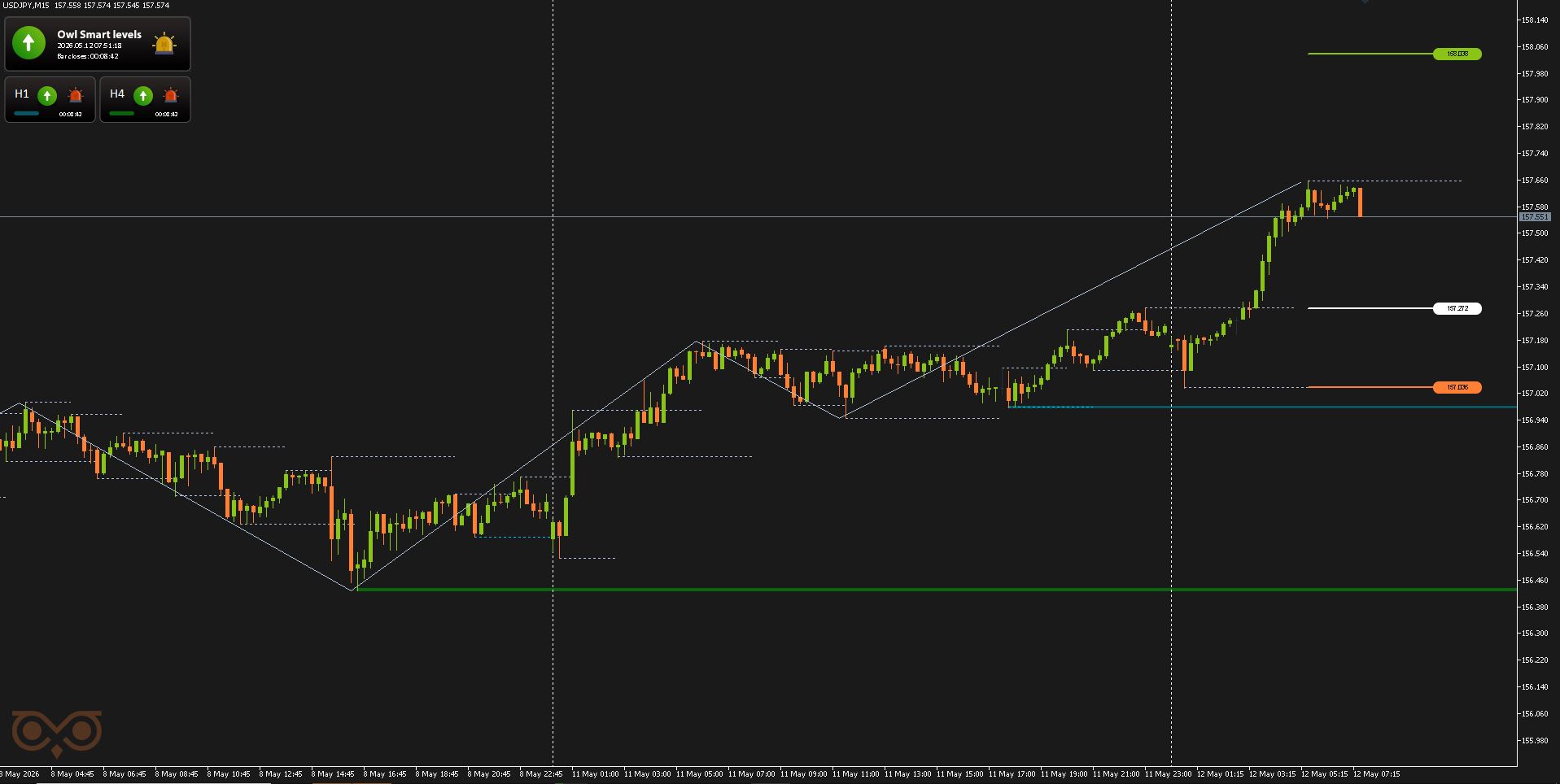
Fig. 6. USDJPY BUY, Lot = 9.62, OpenPrice = 157.272, StopLoss = 157.036, TakeProfit = 158.036, Profit = -$1 500.00
The third signal on USDJPY was also received on May 12 and belonged to the category of weak signals. In this case, the main reason for skipping it was that the signal formed closer to the end of the trading day, when opening a new position is no longer reasonable according to the system rules.
Even though the market maintained an upward direction, there was little time left for the scenario to fully play out. In such conditions, the trade could shift into overnight movement, where trade management quality decreases and the risk of a random pullback increases. Because of this the signal was deliberately skipped.
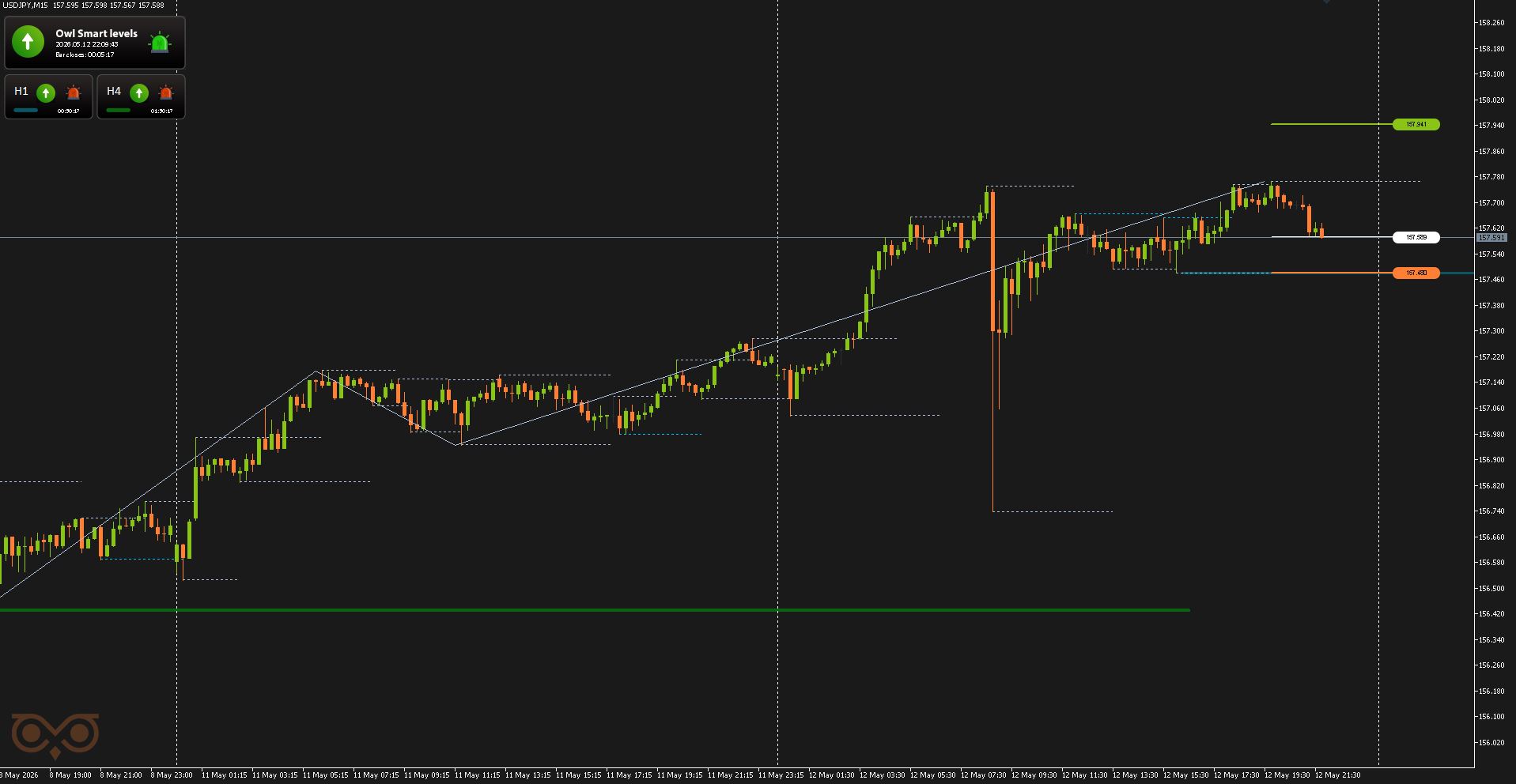
Fig. 7. Weak signal — signal formation at the end of the trading day
The fourth signal on USDJPY was again received on May 12 and was a strong signal. In this case, the signal formed near the H1 level, so it was taken into work as a quality scenario according to the system. After the correction, the price remained in an upward structure, and the entry appeared near an important area from which a continuation of the upward movement could be expected.
After the signal appeared, a buy trade on USDJPY was opened. Since the previous trade was closed at a loss, the position was opened with increased risk of 1.75% of the deposit. The price moved in line with the chosen scenario, but did not reach TakeProfit. According to the rule of closing trades at the end of the trading day, the position was manually closed at 23:00 at the price of 157.892.
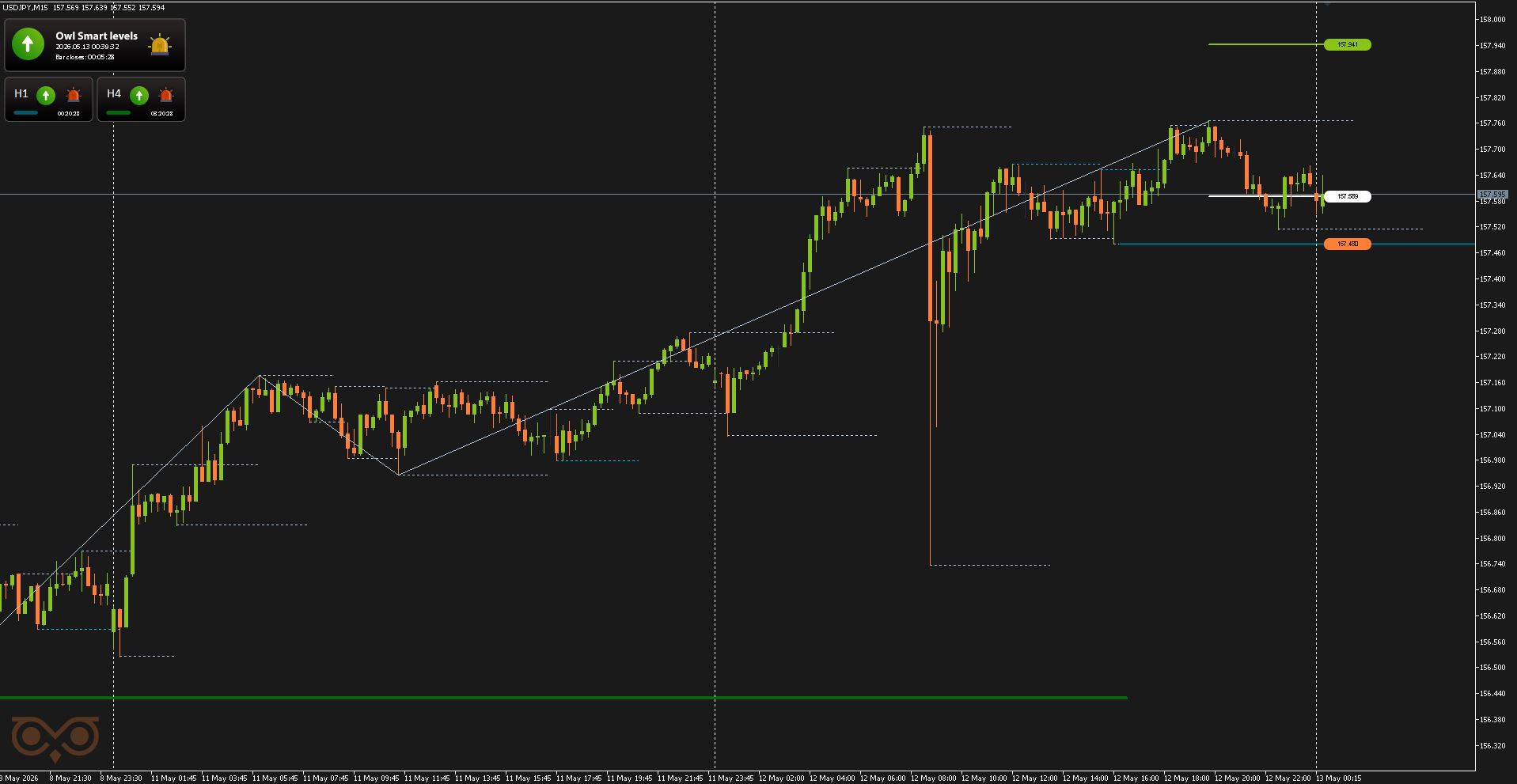
Fig. 8. USDJPY BUY, Lot = 24.29, OpenPrice = 157.589, StopLoss = 157.480, TakeProfit = 157.941, ClosePrice = 157.892, Profit = +$4 661.33
The fifth signal on USDJPY was received on May 15 and belonged to the category of weak signals. In this case, the signal was not taken into work because before it appeared, the market had already completed a large upward movement.
After such a move, the entry point appears too late: the price has already realized most of the move, and the continuation potential becomes less attractive compared to the risk of a pullback. Therefore, despite the maintained upward direction, according to the system this signal was better skipped and no trade was opened on a late stage of the move.
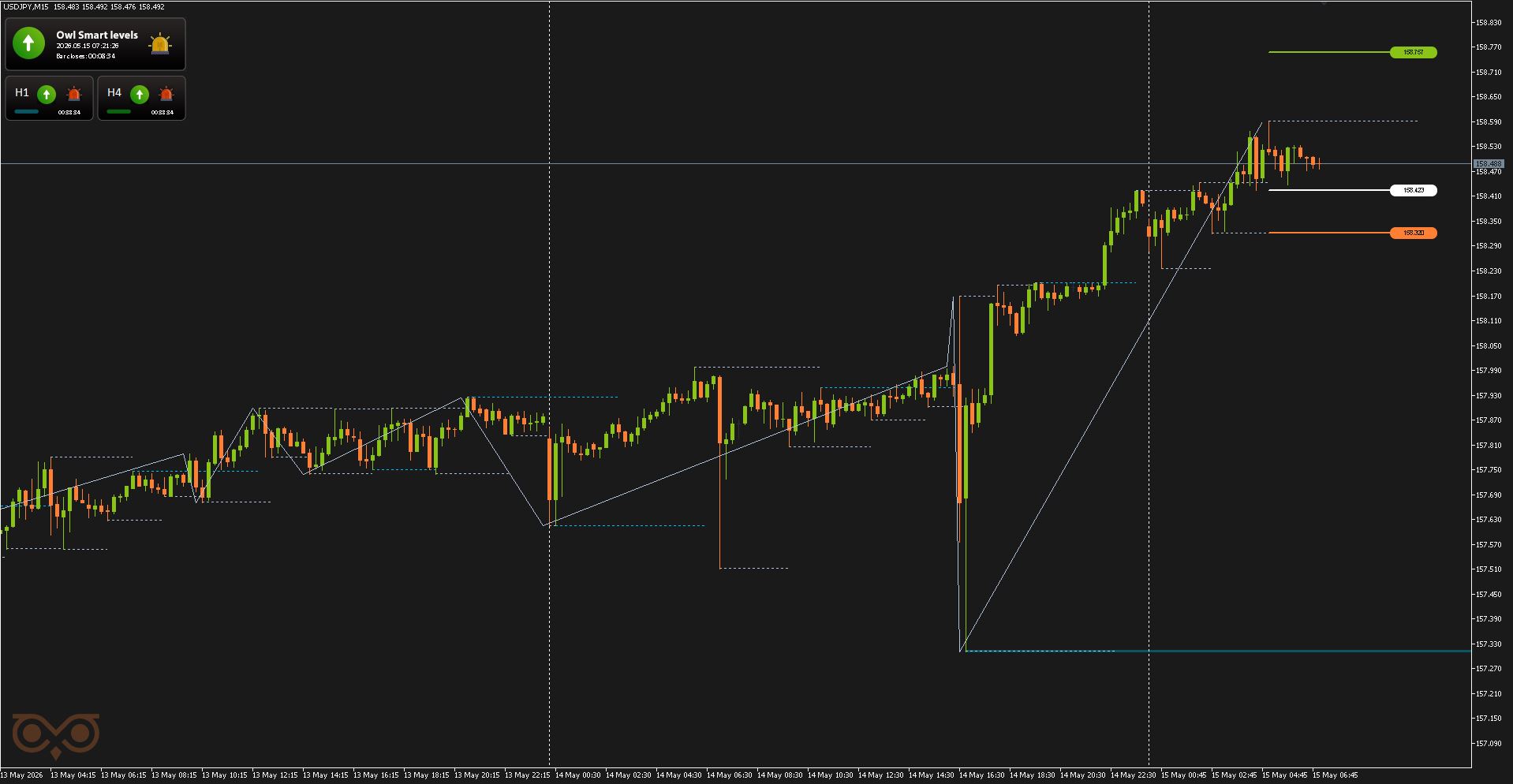
Fig. 9. Weak signal — before the signal appeared, the market had already completed a large movement
Summary:
The trading results for the past week clearly show why signal filtering is needed in a trading system, rather than simply opening every trade after an arrow appears.
During the reviewed period, 9 signals were received for XAUUSD, EURUSD, and USDJPY. Of these, only 2 signals were strong, while 7 were weak. Most of the weak signals were related to the market already completing the main movement before the signal appeared, or the signal forming at the end of the trading day, or appearing inside the dead zone.
All weak signals were deliberately skipped. This is an important point, because this is where the value of the system shows itself: the goal is not to take every signal in a row, but to separate valid scenarios from situations where the probability of a quality outcome is lower.
Only 2 strong signals on USDJPY were taken into work during the week. The total result for the opened trades was +$3 161.33, which corresponds to +3.16% of the deposit.
The main conclusion of the week is that the profitable result was achieved not by the number of entries, but by discipline. There were many weak signals on the market, but most of them were ignored according to the system rules. Only those situations where the signal truly matched a high-quality scenario were taken into work. This approach helps avoid overtrading and maintain a positive result over time.
If you want to better understand which signals are low probability and which have higher chances of success, check out the following articles:
Detailed data for all positions and final results for each trade are shown in the summary table.


Indicator Owl Smart Levels MT5 | MT4 Version
See other trading reviews using the Owl Smart Levels system:
I'm Sergei Ermolov, follow me and don't miss more useful tools for profitable trading on the Forex market.



![[EURUSD]: Weekly Liquidity Activation Points (LAP), October 12-16, 2026](https://c.mql5.com/6/1035/splash-preview-777305.png "[EURUSD]: Weekly Liquidity Activation Points (LAP), October 12-16, 2026")