Fundamental Market Analysis for July 20, 2026 (EURUSD, GBPUSD, USDJPY)

EURUSD:
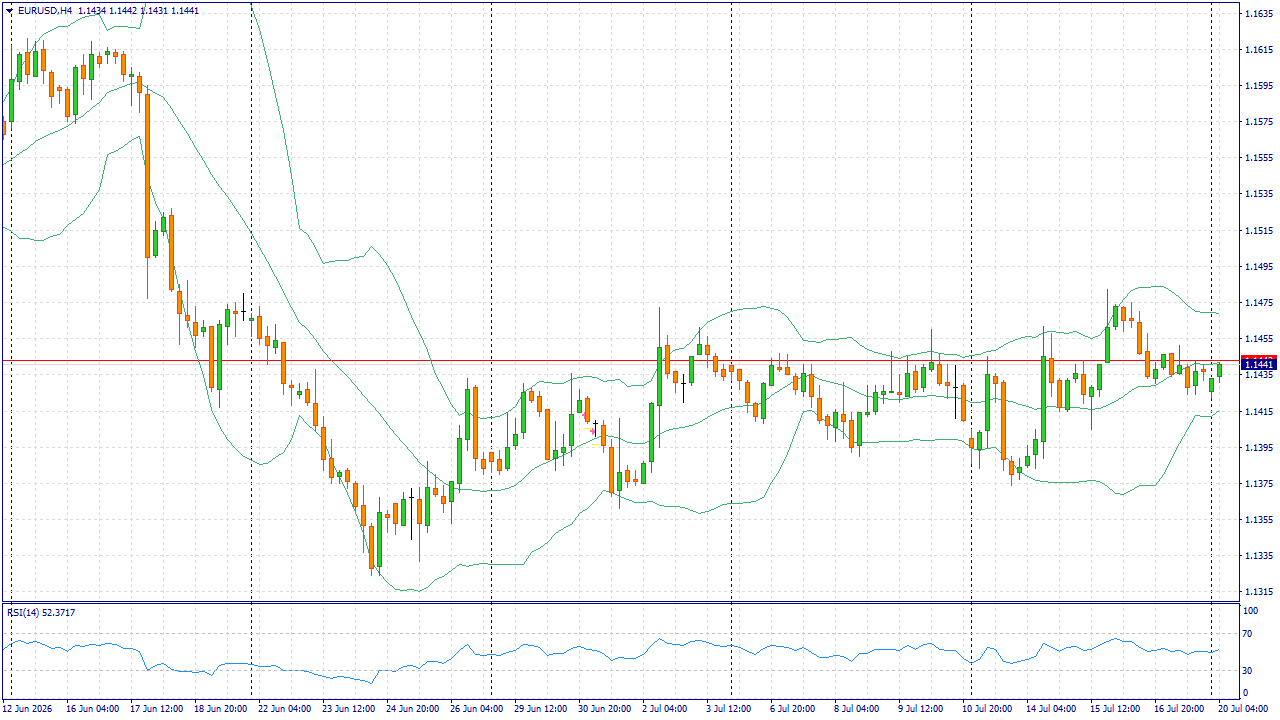
The euro begins the session amid a more cautious attitude toward European assets. The sharp rise in oil prices has renewed concerns about imported inflation while also increasing risks to eurozone economic growth. The upcoming ECB decision continues to support expectations of tighter monetary policy, but weak business activity limits the single currency’s ability to benefit from this factor on a sustained basis.
The main driver for the US dollar remains demand for defensive liquidity amid escalating tensions in the Middle East. Higher US Treasury yields provide additional support to the currency. The market is considering the possibility that renewed energy-driven inflation could prompt the Federal Reserve to keep interest rates elevated for longer, despite the recent slowdown in US inflation.
As a result, the euro’s support from ECB expectations is currently outweighed by the stronger US dollar driver during this session. Higher energy costs are particularly sensitive for the eurozone, as they could weaken consumption prospects while maintaining price pressure. If geopolitical tensions and demand for the US dollar persist, the baseline scenario allows for a decline in EURUSD.
Trading idea: SELL 1.1440, SL 1.1470, TP 1.1370
GBPUSD:

The pound enters the new week with some support from a more stable assessment of UK policy. Expectations of a restrained approach from the new fiscal team and recent signs of economic resilience have eased some budget-related concerns. High energy costs also maintain the possibility of a firm Bank of England stance, meaning the UK domestic backdrop is not uniformly negative for the currency.
Nevertheless, external factors are having a stronger influence during the current session. Escalating tensions in the Middle East are increasing demand for the US dollar, while higher oil prices are adding to global inflation risks and supporting US Treasury yields. This is particularly important for the pound, as dependence on imported energy and a weaker external environment could limit demand for the British currency.
Support from greater political clarity and expectations surrounding the Bank of England may slow the decline in GBPUSD, but it does not yet provide a sufficiently strong counterweight to the US dollar. The market also remains cautious ahead of new UK data, which will need to confirm the resilience of inflation and the labor market. If demand for the US currency persists, the priority remains a moderate downside scenario for the pair.
Trading idea: SELL 1.3455, SL 1.3490, TP 1.3385
USDJPY:
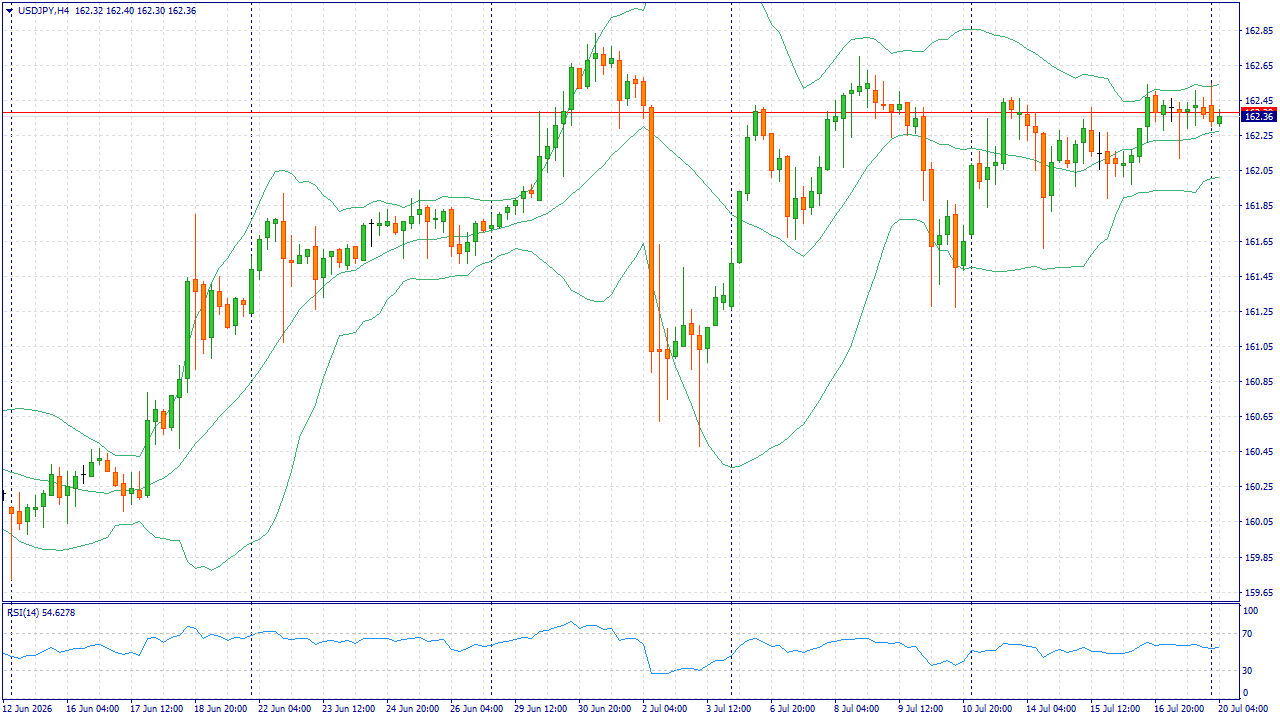
The yen remains under pressure due to the substantial yield gap between US and Japanese assets. The Bank of Japan continues to take a cautious approach toward further rate increases, while the market is waiting for fresh inflation data before strengthening expectations of additional policy steps. Until there is a convincing reassessment of this position, interest-rate differential trades will continue to limit demand for the Japanese currency.
At the same time, the US dollar is supported by higher US Treasury yields and demand for defensive liquidity. Escalating tensions in the Middle East and rising oil prices are increasing the risk of renewed inflationary pressure, which could keep Federal Reserve policy expectations on a tighter path. For USDJPY, this combination maintains the US currency’s advantage during the current session.
The yen’s weakness is once again increasing attention to possible action by the Japanese authorities as the currency trades near multi-year lows. However, official warnings without new practical measures do not offset the influence of the interest-rate differential and US Treasury yields. Unless confirmed intervention signals or a more decisive Bank of Japan stance emerge, the baseline scenario allows for further growth in USDJPY.
Trading idea: BUY 162.50, SL 162.20, TP 163.15
Get a 300% bonus on every deposit of $100 or more and increase your trading volume!