WTI Crude Oil at $110? Geopolitics and Trump's Economic Strategy

Geopolitics Drives the Oil Market
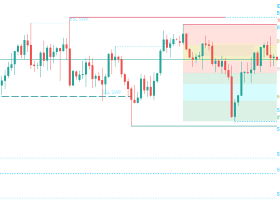
Developments in the Middle East remain a major factor influencing oil prices. If geopolitical tensions persist, a breakout above the $104–105 resistance zone could open the way toward $110 per barrel.
However, this scenario is not guaranteed. Changes in the geopolitical environment, shifts in supply expectations, or a stronger wave of selling could alter the current market structure.
Is There a Bigger Economic Strategy Behind Higher Oil Prices?
Rising oil prices have mixed implications for the U.S. economy. Higher prices can benefit American shale oil producers by improving revenue potential, but they can also increase inflationary pressure and raise costs for consumers and businesses.
This creates a complex economic picture in which energy producers, policymakers, and consumers may have different interests. Could expensive oil fit into a broader U.S. geoeconomic strategy under Donald Trump, or are prices primarily reflecting geopolitical risks and market supply expectations?
The latest market review explores these questions and examines the key WTI price levels traders should watch as the market approaches the $100 mark.
Disclaimer: Trading CFDs and other financial instruments involves a high risk of capital loss. This communication discusses market movements and is not investment research or investment advice. Past performance does not guarantee future results.