
When This EA Struggles
Every Strategy Has Conditions It Dislikes. Here's What We Can Honestly Say About This One.
No strategy works everywhere, and a seller who won't tell you where theirs struggles is either hiding it or hasn't looked. So here is what the design itself tells us, in general terms.
Where Breakout Logic Tends To Struggle
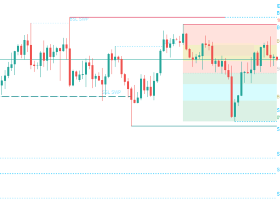
Range breakout systems have a hard time in choppy sessions, where price pokes through one side of the range, reverses, then pokes through the other, again and again. In that kind of session, false breaks cluster, and so do losing trades. The hard stop caps each individual loss, which is the point of it, but several capped losses in a row still add up. Narrow ranges can also mean small moves, which makes trading costs weigh more heavily against each target. And sudden news spikes can hurt any system, news protection included, since no filter removes every risk.
Where It's Designed To Do Better
The logic is built for sessions where something decisive happens after the range forms, either a break that follows through, or a break that fails and reverses cleanly, which is what the fallback entry is for. When price moves with conviction in one direction or the other, the structure has room to work.
What That Means For You
Expect uneven results. There will be good stretches and bad ones, and both live accounts are in a bad one right now. We don't claim to know whether that's this kind of environment or something else, and anyone who says they know is guessing. Judge it over many weeks, not days. Check the worst stretch in the demo against what the live accounts show. And keep your size small enough that a rough month wouldn't hurt.
If That's Acceptable To You
The demo is free and will show you a lot of this on its own. $199 through October 31st, then $330, or free through PU Prime, which runs on a live account.