![[TLV]: Timings at Market Highs and Lows Price Extremes, Exhaustion, and Timing Reactions](https://c.mql5.com/6/1006/splash-770296.jpg "[TLV]: Timings at Market Highs and Lows Price Extremes, Exhaustion, and Timing Reactions")
[TLV]: Timings at Market Highs and Lows Price Extremes, Exhaustion, and Timing Reactions

One of the most important observations inside TLV (Time Language VISTmany):
👉 market highs and lows are abnormal price zones.
That is why: timing reactions at extremes are often very different from “normal” market behavior.
⸻
Core Idea
When the market is:
at a high,
or at a low,
price is often already in:
👉 an exhaustion state.
But this does not necessarily mean:
the market will immediately reverse,
or instantly continue the movement.
Very often:
👉 the market first tests liquidity structures,
and only afterward decides the next direction.

Situation #1
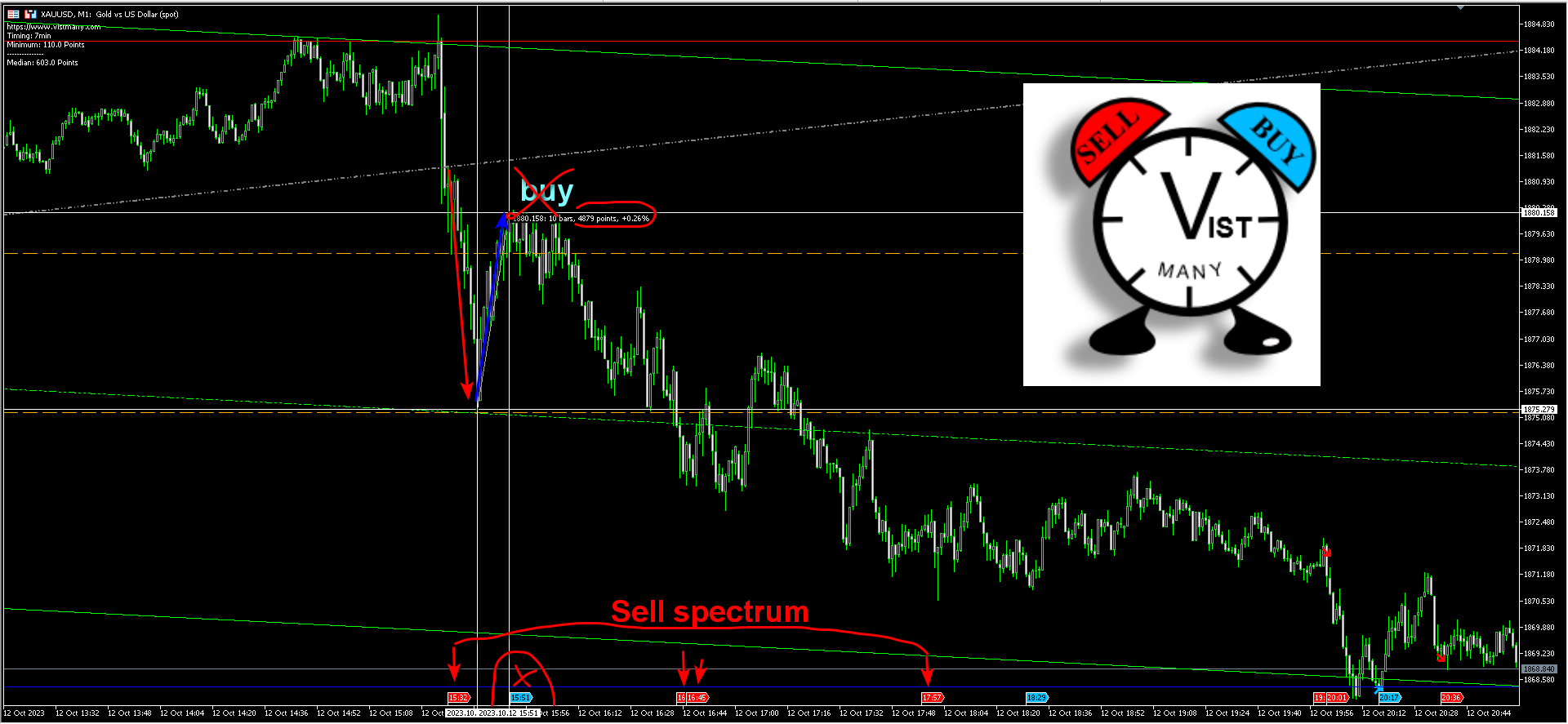
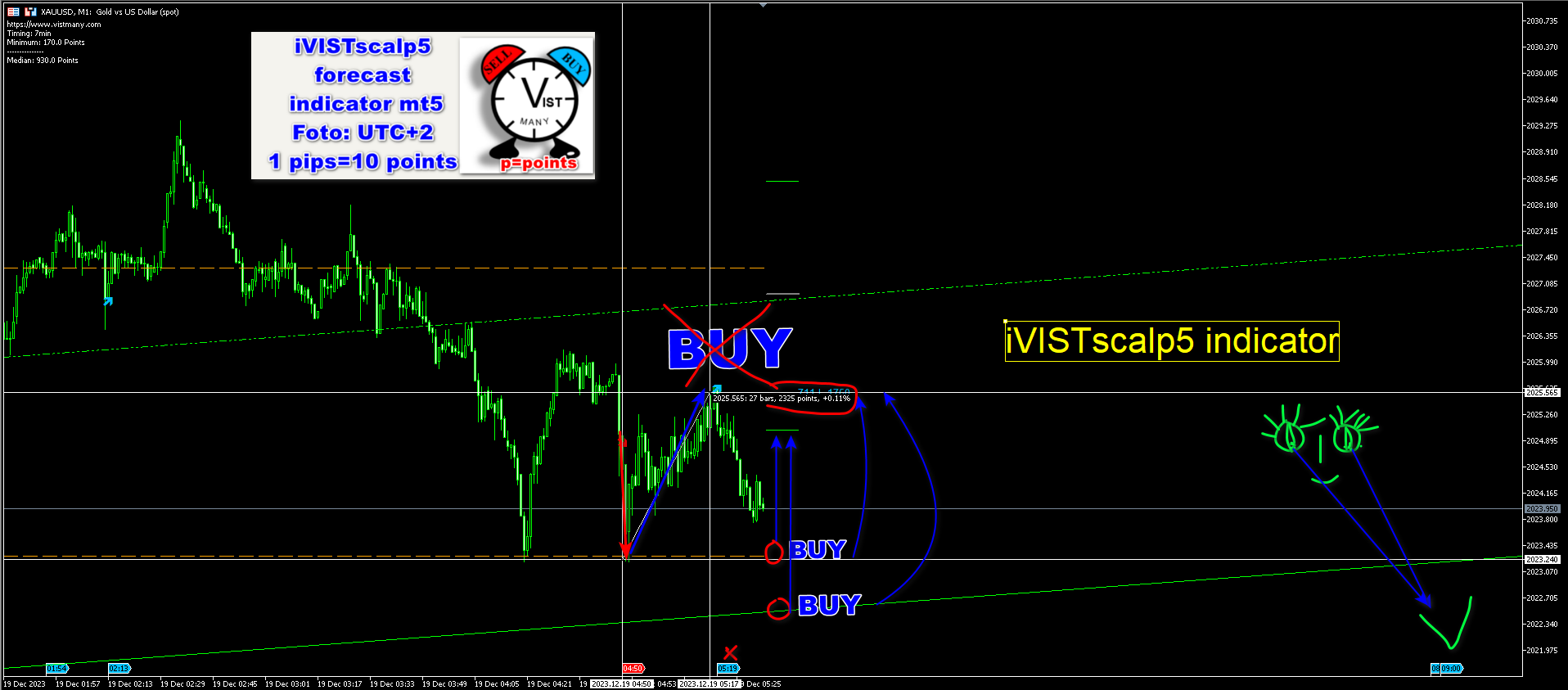
Buy Timing at a Market High
At first glance this looks strange.
Price is already high. The daily high has been updated. And suddenly:
👉 a Buy timing appears.
⸻
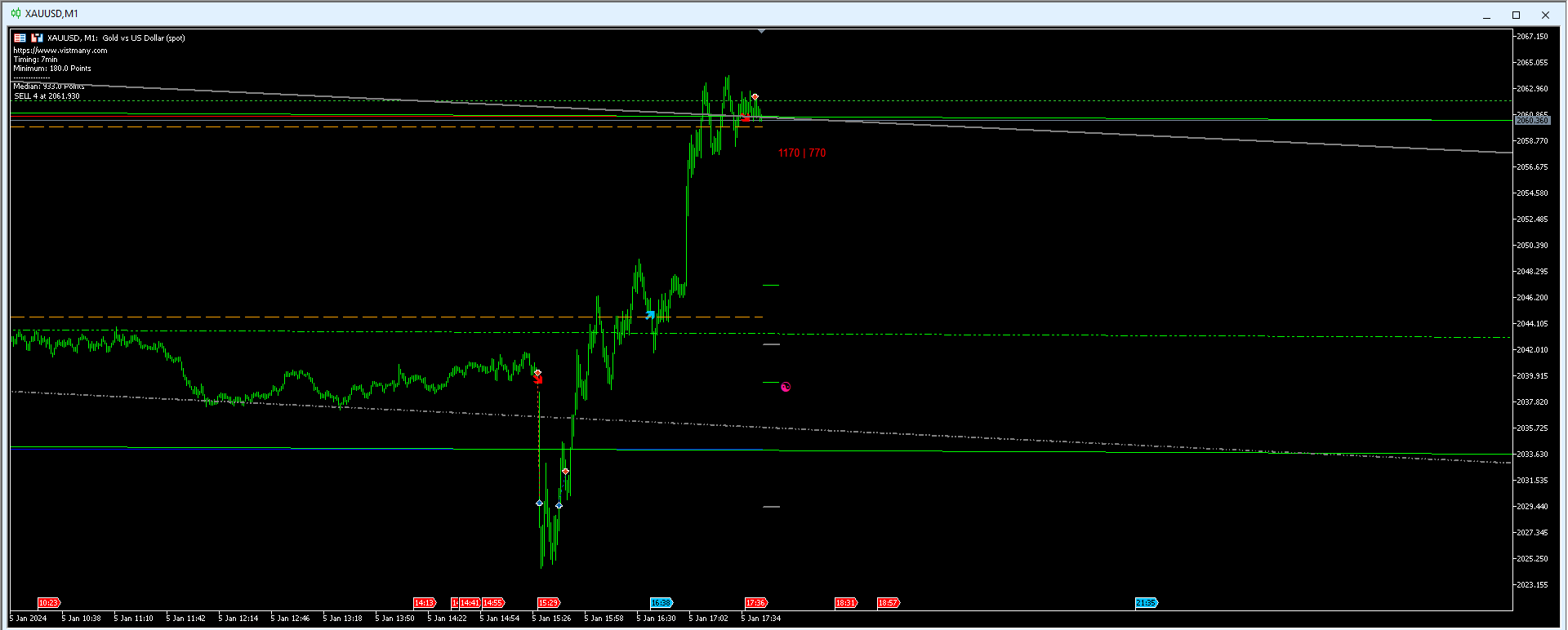
What Often Happens
Very often the market:
creates a small upward impulse,
updates the local high,
then returns to the first lower p(p),
and only afterward:
either continues higher,
or starts reversing.
Why This Is Important
The first lower p(p):
👉 becomes a structural test zone.
This is where the market often:
tests liquidity,
checks buyer strength,
evaluates continuation potential.
Two Main Scenarios
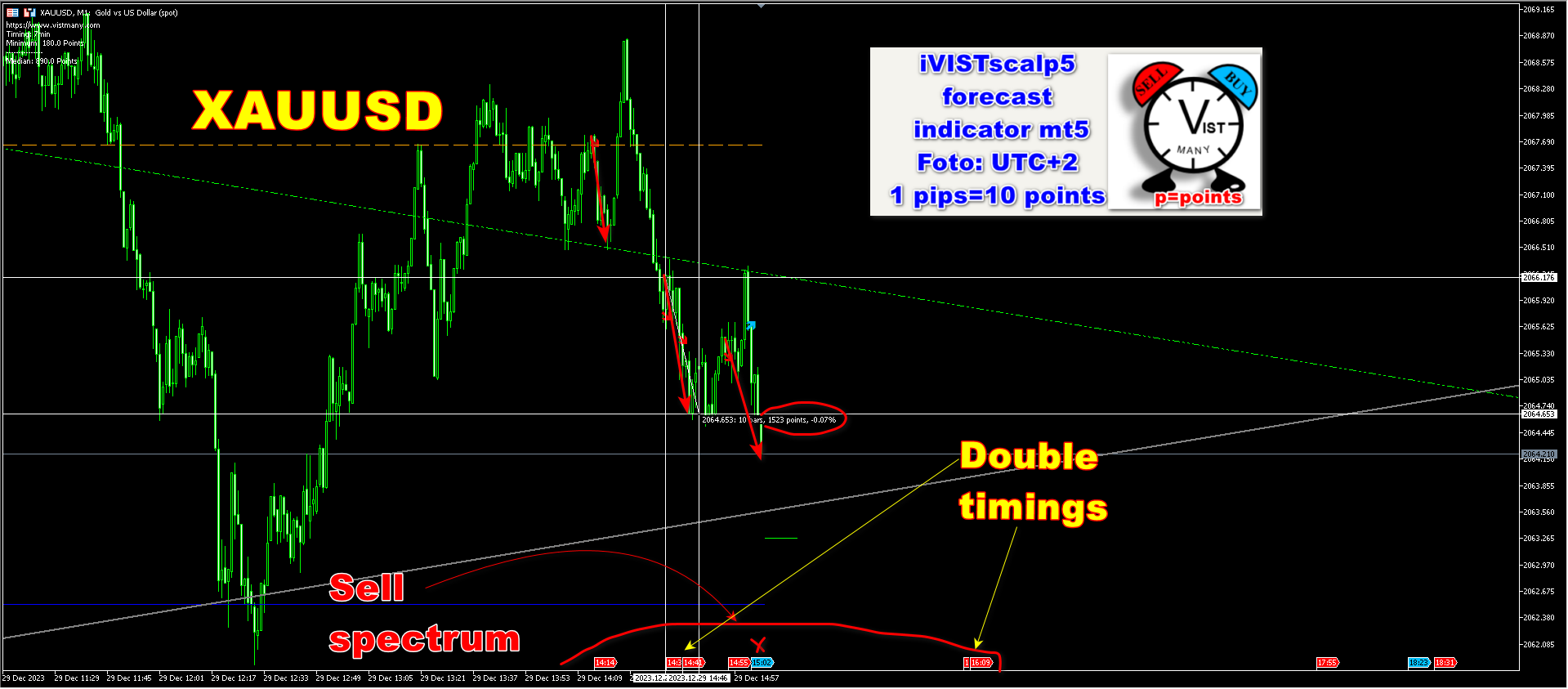
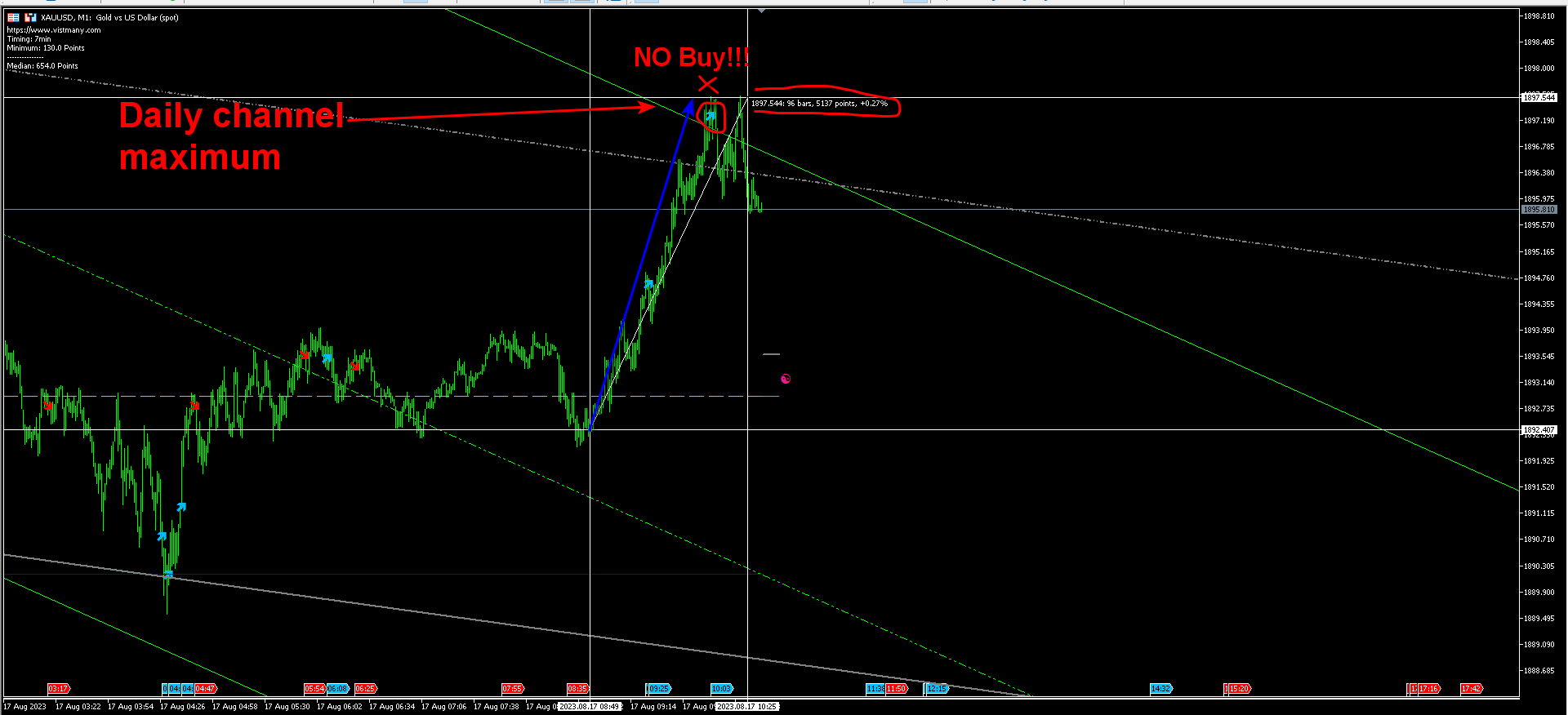
Scenario 1
Timing Fully Executes
After the test:
price holds above p(p),
liquidity remains active,
and the movement continues upward.
In this case:
👉 the timing zone is considered fully executed.
Scenario 2
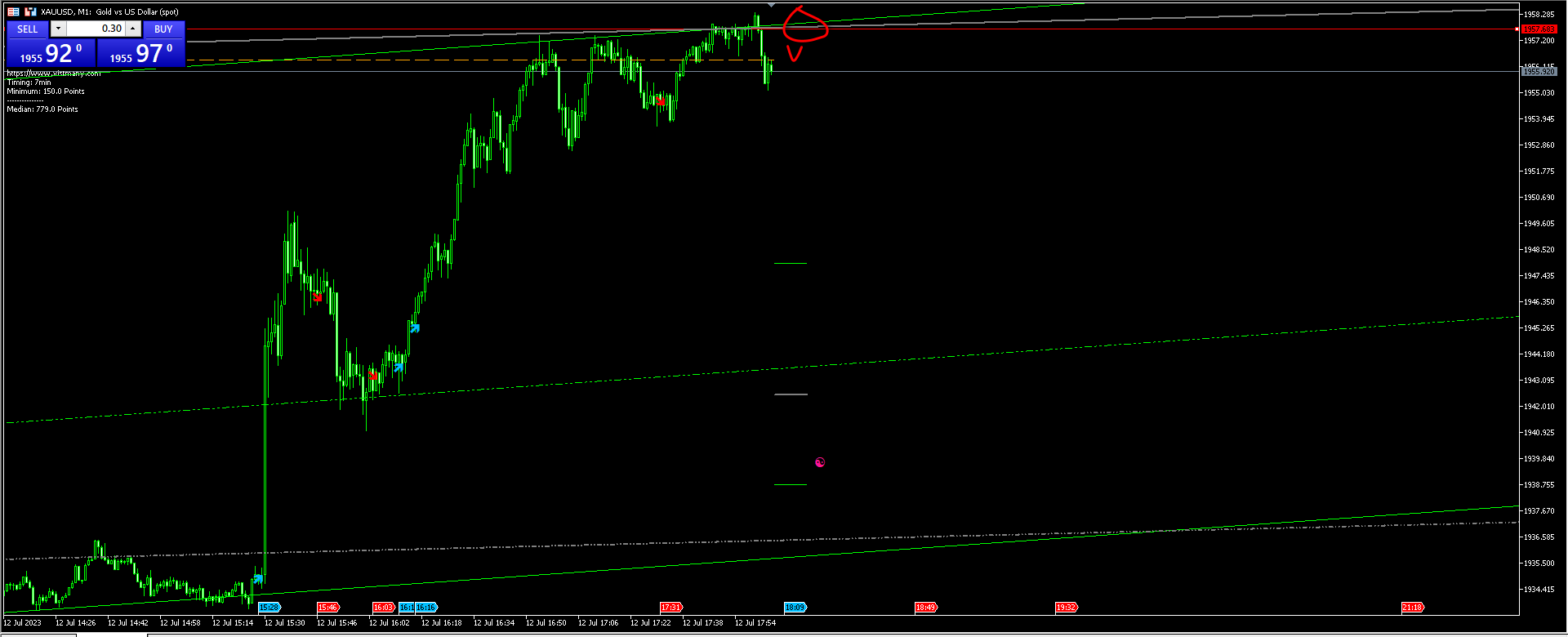
Test → Reversal
After the test:
the structure fails,
the impulse weakens,
exhaustion increases.
Then:
👉 price tests the timing activation zone
and moves downward.
Especially:
if the previous rally was overheated,
or nearby sell timing structures exist.
Situation #2
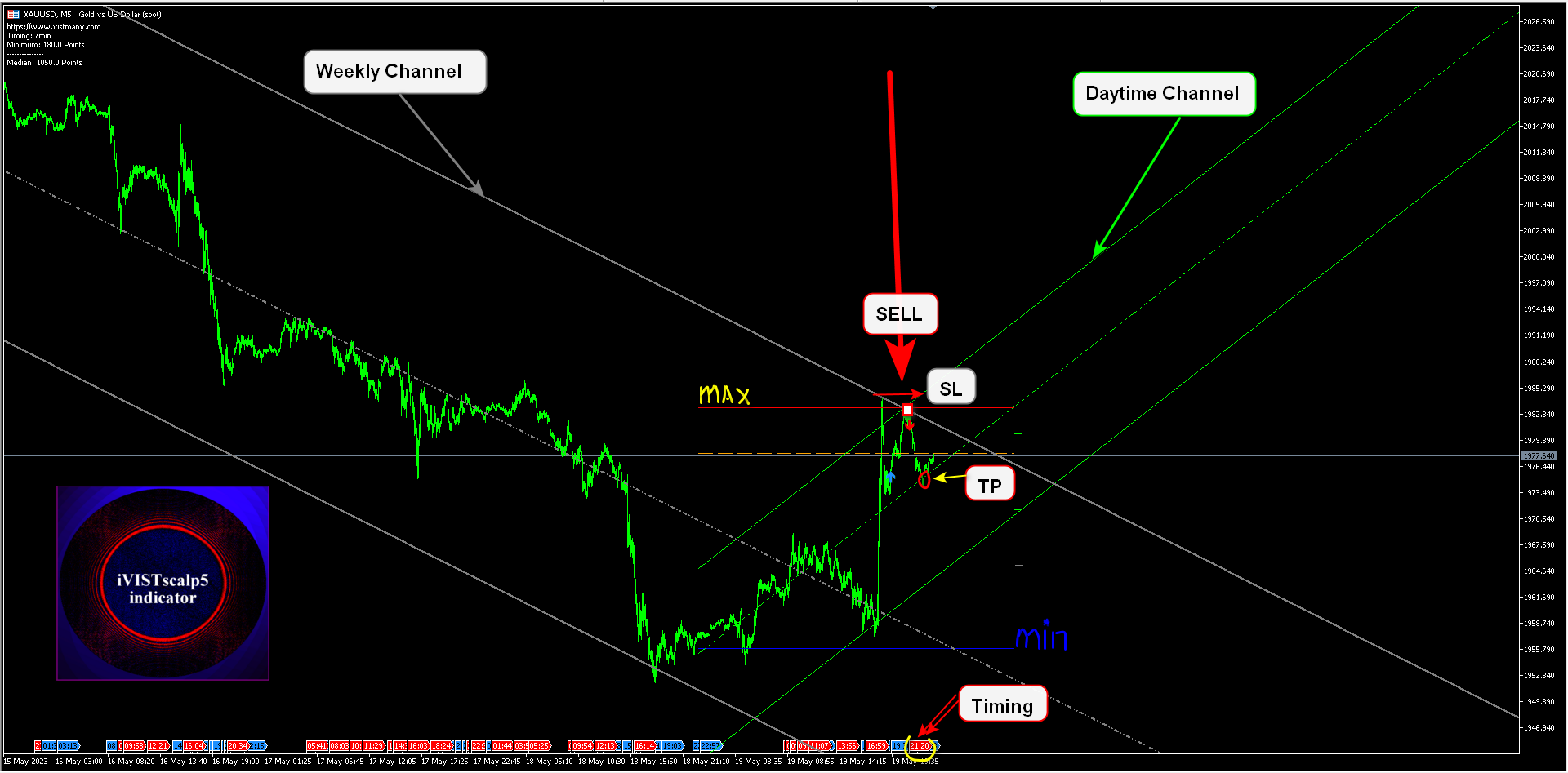
Sell Timing at a Market High
Now let us examine a more complex situation.
Price:
already rallied strongly,
the market remains in trend,
momentum is still active,
and suddenly:
👉 a Sell timing appears.
What Most Traders Expect
Most traders immediately think:
👉 “the market will now collapse downward.”
But markets behave much more complexly.
⸻
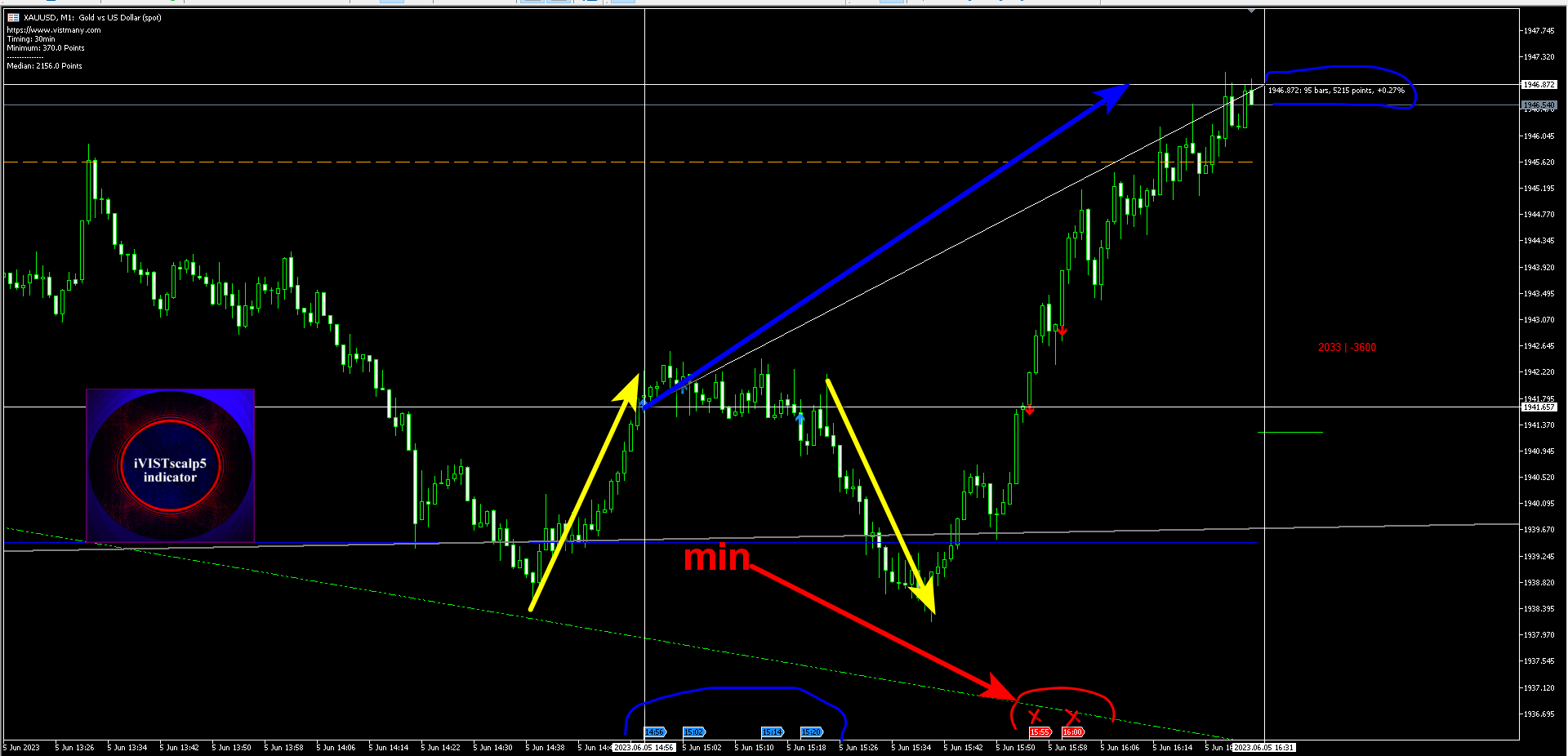
What Often Happens in Reality
Especially during strong uptrends:
👉 price may not fall immediately at all.
Sometimes the market:
creates only a small correction,
tests p(p),
and then continues higher.
Why This Happens
At market extremes:
liquidity becomes extremely high,
emotions intensify,
greed increases,
participants aggressively add positions.
Especially:
👉 during Momentum Clusters (spectrums).
In this situation:
sellers enter too early,
while buyers continue pushing the market upward.
The market literally:
👉 squeezes liquidity
before reversal.
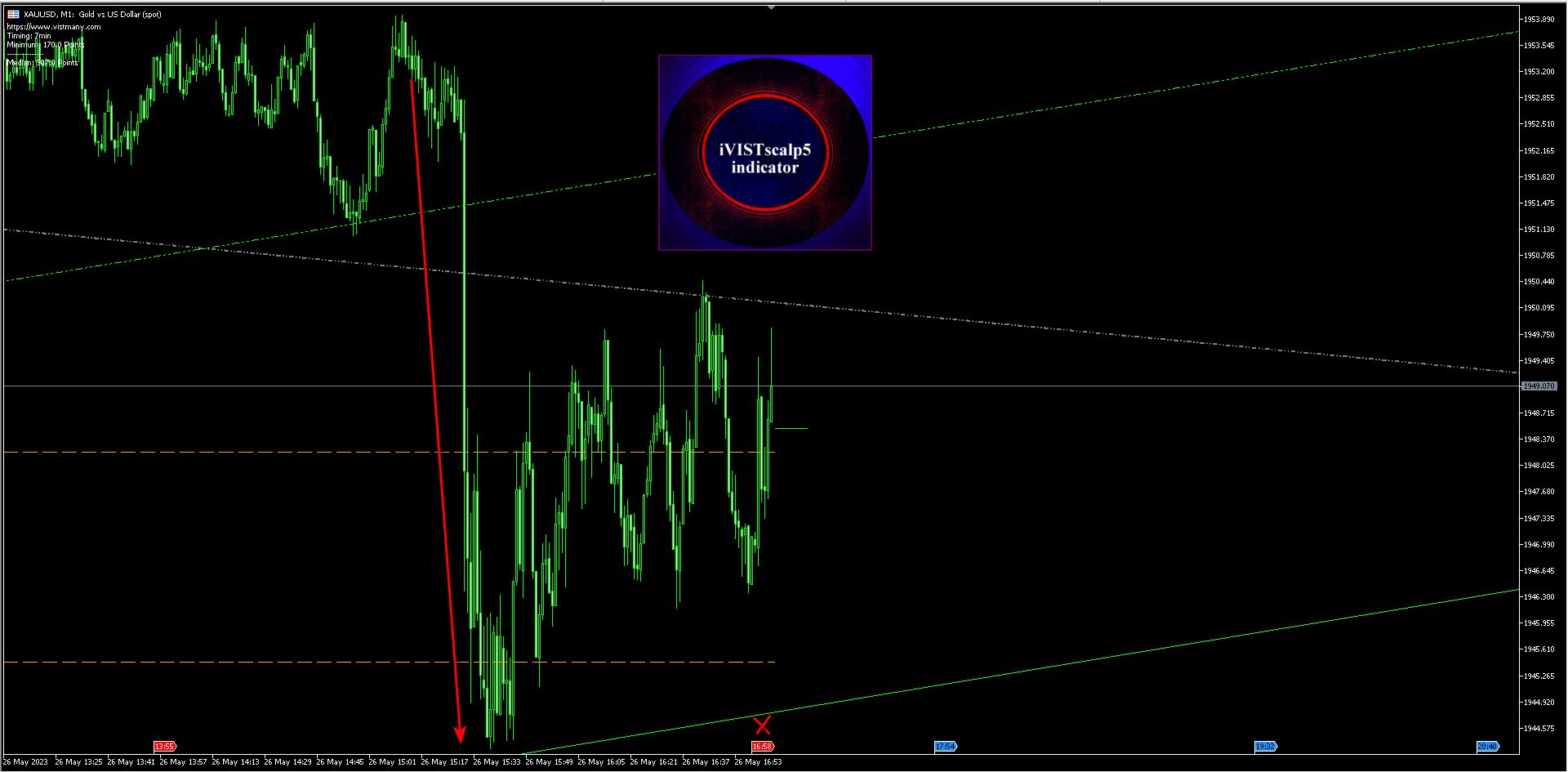
The Same Happens at Market Lows
If:
the market already declined strongly,
a Buy timing appears,
or a Buy spectrum forms,
price may:
first create another downward impulse,
collect liquidity,
test p(p),
and only afterward begin moving upward.
⸻
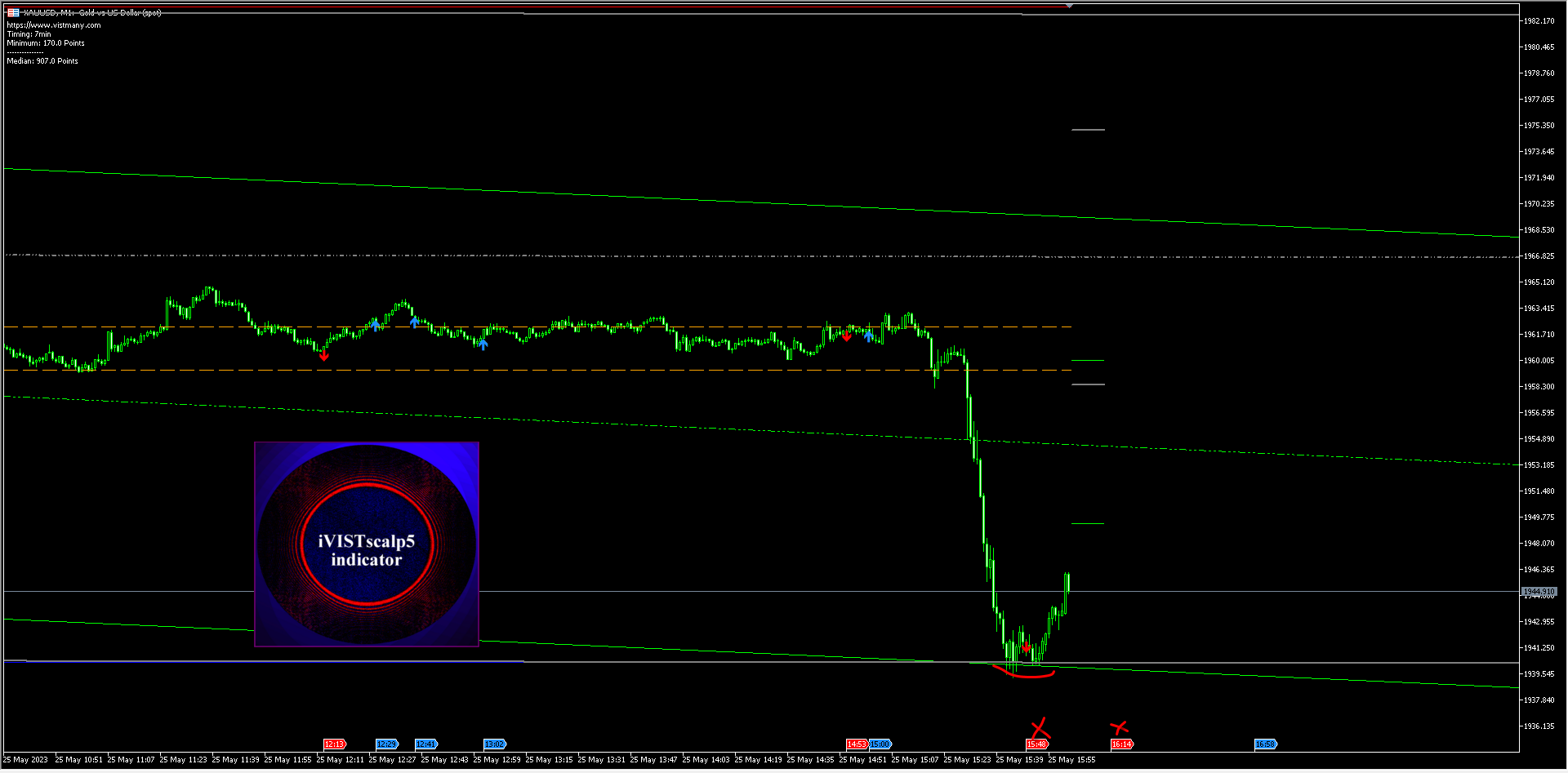
Highs and Lows Are Not Normal Zones
It is very important to understand:
👉 price extremes are abnormal market conditions.
That is why:
timing reactions become more complex,
liquidity behavior becomes more aggressive,
and movement structures become less linear.
Context Is More Important Than Timing
If:
the global trend remains bullish,
then even a Sell timing:
👉 may create only a short correction.
Afterward:
the market may continue moving upward again.
The same logic applies to strong downtrends:
Buy timings may create only temporary rebounds.
⸻
p(p) Becomes Critically Important
At market extremes:
👉 price reaction to p(p) becomes the key factor.
p(p):
reveals structural strength,
liquidity balance,
and continuation probability.
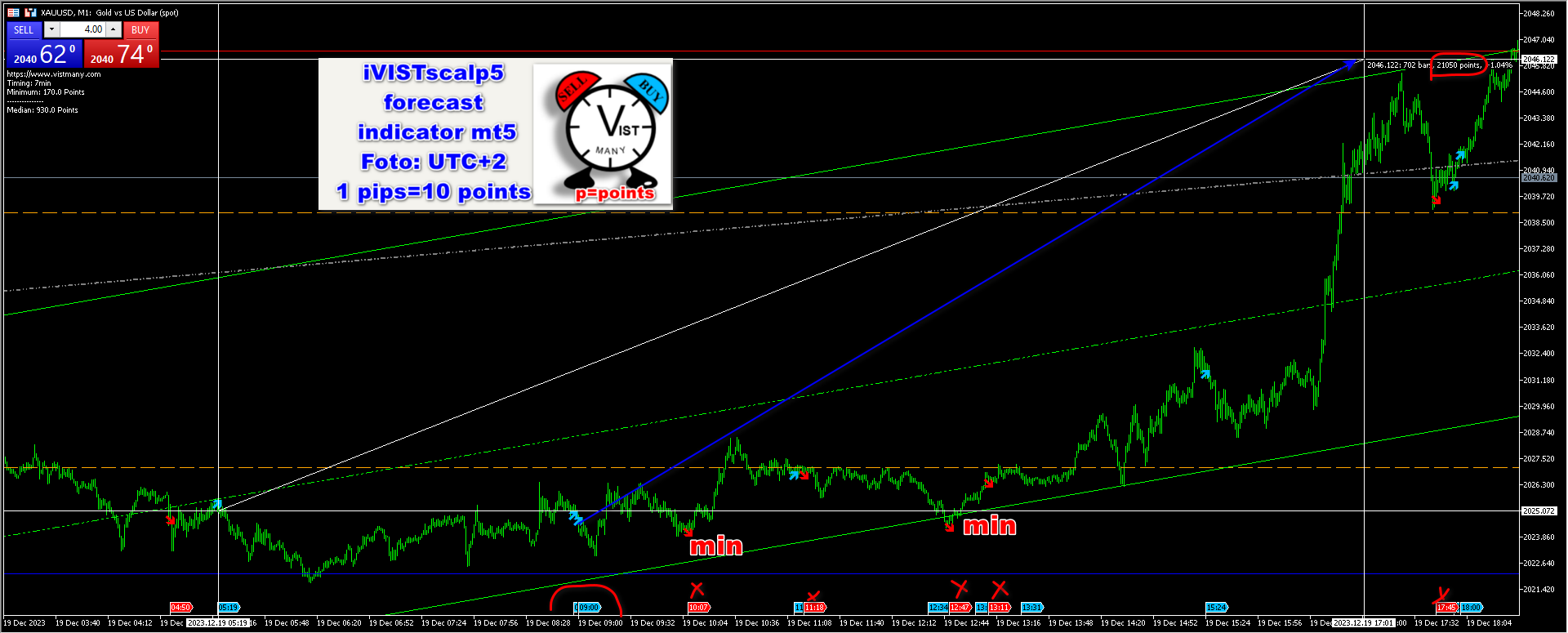
TLV: The Market Is Limited by Time
Markets may have:
👉 millions of movement variations.
But:
👉 there are only 24 hours in a day.
Time itself limits:
market cycles,
liquidity phases,
participant activity,
and impulse structures.
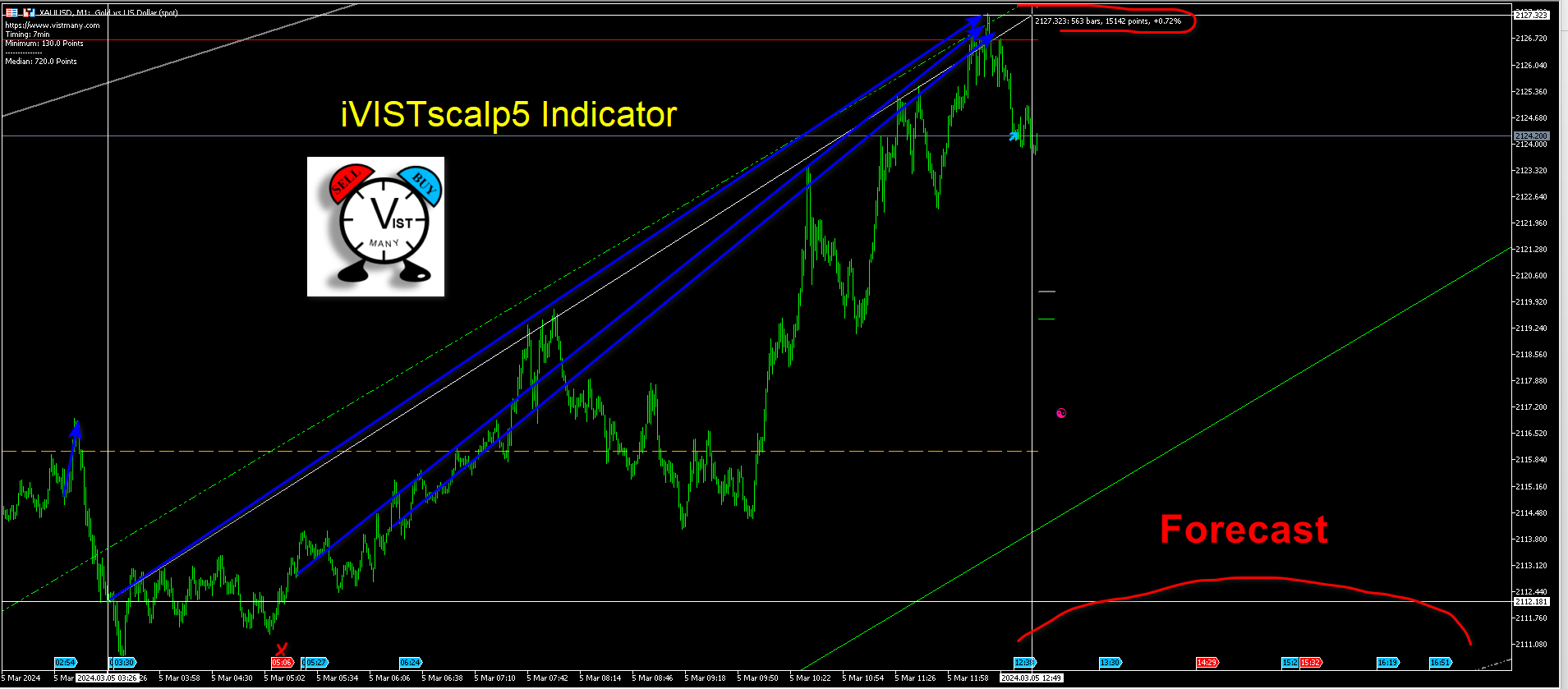
Very Important Observation
Charts may continue moving:
almost endlessly,
24/7.
But humans:
👉 cannot trade endlessly.
Markets also:
slow down,
enter accumulation,
reduce volatility,
and change liquidity behavior.
Then:
👉 the cycle begins again.
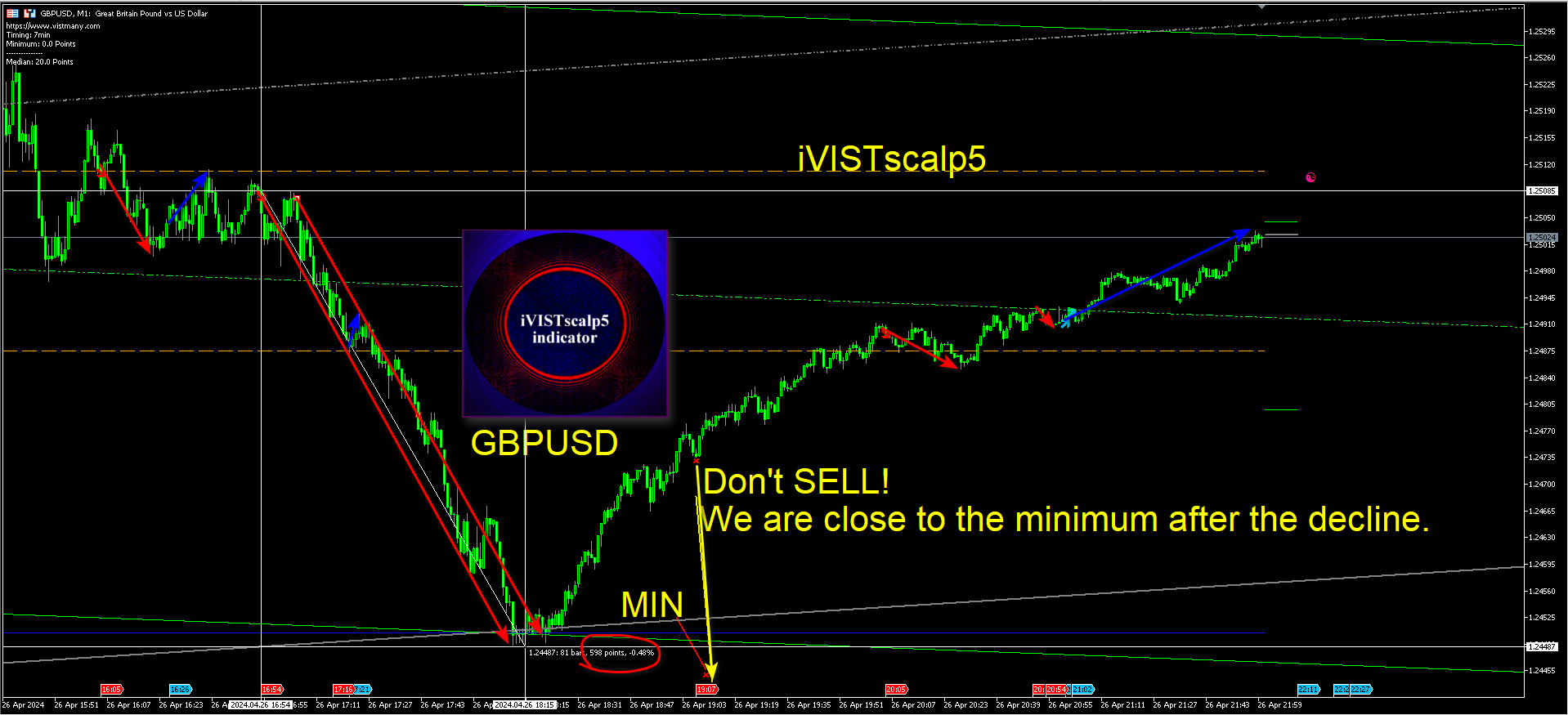
TLV Is the Study of Time and Price
TLV (Time Language VISTmany) does not view the market as:
random chaos,
or a collection of signals.
The core idea is:
👉 studying interaction between:
time,
price,
liquidity behavior,
exhaustion,
timing structures,
and market cycles.
Core TLV Formula
Impulse = t(p) × p(p)
👉 t(p) — Time 👉 p(p) — Price
👉 The market moves when time activates price.
iVISTscalp5 indicator - Welcome to the world of time!
The system projects time, direction, and expected movement
through Liquidity Activation Points (timings). Timing-Based Market Forecasting System