There’s a big difference between theory and reality in trading. You can have clean backtests, optimized settings, and promising simulations. But none of that really matters until the system performs under real conditions, especially inside a prop firm challenge.
Why a Prop Firm Challenge?
Prop firms are one of the toughest environments for any trading system. Not because of profitability, but because of restrictions. You’re dealing with:
- Daily drawdown limits
- Maximum overall drawdown
- Strict risk parameters
- Pressure to perform consistently
Most systems don’t fail because they can’t make money. They fail because they can’t stay within the rules. That’s exactly why I chose this environment. If the EA can survive here, it’s doing something right.
The Objective
The goal isn’t to “flip” the account. It’s to:
- Stay within drawdown limits
- Trade consistently
- Grow the account steadily
- Avoid unnecessary risk
In other words: Pass the challenge the way prop firms actually expect you to.
Current Progress (Phase 1)
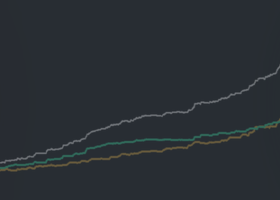
This system is currently being run in a prop firm challenge account. Performance is tracked independently using FX Blue. View current progress here
Note: Prop firm evaluations are conducted using simulated funds.
What Stands Out So Far
1. Drawdown is tightly controlled
One of the biggest reasons traders fail prop challenges is drawdown. So far, the EA has kept drawdown extremely low and well within safe limits. That’s not accidental. It’s by design.
2. No aggressive or erratic behaviour. There is:
- No martingale
- No grid stacking
- No revenge trading
Losses happen, but they’re controlled. And that’s exactly what you want in a prop firm environment.
3. Consistency over speed
The account isn’t exploding upward. And that’s a good thing. Because prop firms don’t reward fast growth, they reward stable growth. The EA is focused on:
- Taking structured trades
- Avoiding low-quality setups
- Letting the edge play out over time (this one is key).
4. Recovery is clean
There will always be losing trades. But instead of spiralling:
- The system stabilizes
- Regains losses
- Continues upward
That’s what separates a system with structure from one relying on luck. This is what I mean by letting the edge play out over time.
The Bigger Lesson
Running this challenge reinforced something important, passing a prop firm challenge is less about strategy and more about behaviour. You don’t need:
- A 90% win rate
- Aggressive compounding
- Constant market exposure
You need:
- Discipline
- Risk control
- Consistency
And those are exactly the things automation can enforce.
Where the EA Fits In
When I built this EA, the focus wasn’t on maximizing profit. It was on:
- Controlled execution
- Structured risk
- Stability over time
That naturally makes it suitable for environments like prop firms. Not because it’s “optimized” for challenges. But because it’s built around the principles those challenges require.
What Happens Next
This is still Phase 1.
The goal now is simple:
- Maintain discipline
- Avoid unnecessary risk
- Continue steady growth
- Complete the phase cleanly
No shortcuts. No forcing trades. Just clean execution.
There’s no shortage of EAs that promise aggressive returns. But very few are built to survive real constraints. This challenge isn’t about proving perfection. It’s about proving consistency under pressure. And so far, the results are moving in the right direction.
Follow the Progress
Check out the latest trading stats
Check out my top recommended prop firm
If you’re interested in a system designed around risk control and structured execution, check out the EA product page
By AshintonForex.com