Smart Trades Pro
Stop chasing candles. Trade the turn.
Most traders lose money at the same moment: they enter after the move, or they enter against the day's direction. Smart Buy sell Scanner Pro is built around one idea: take a trend change only when the market confirms it, the day agrees with it, and the risk is defined before you click.
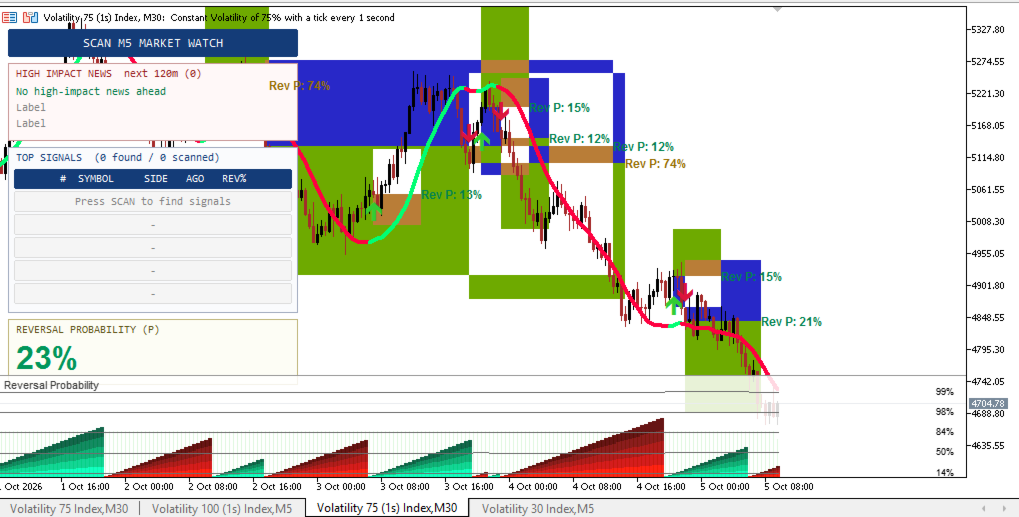
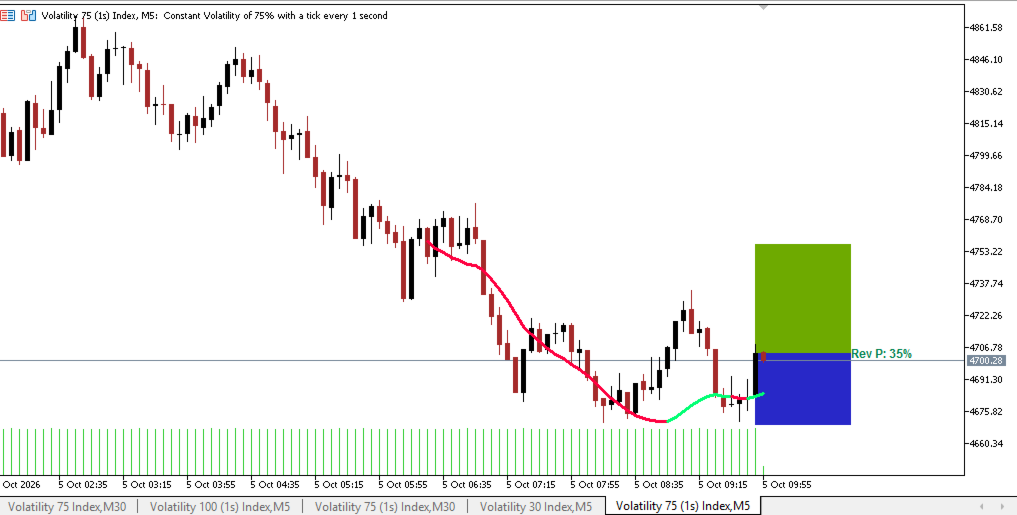
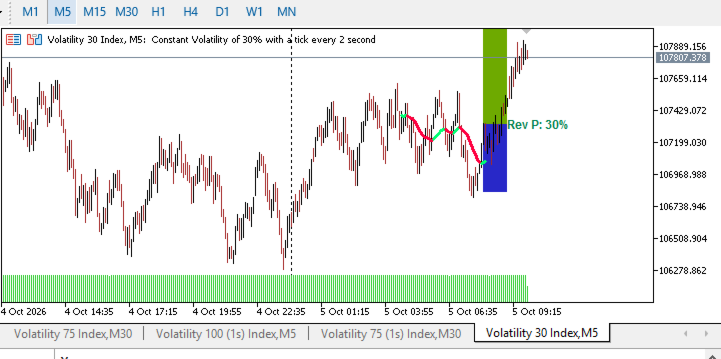
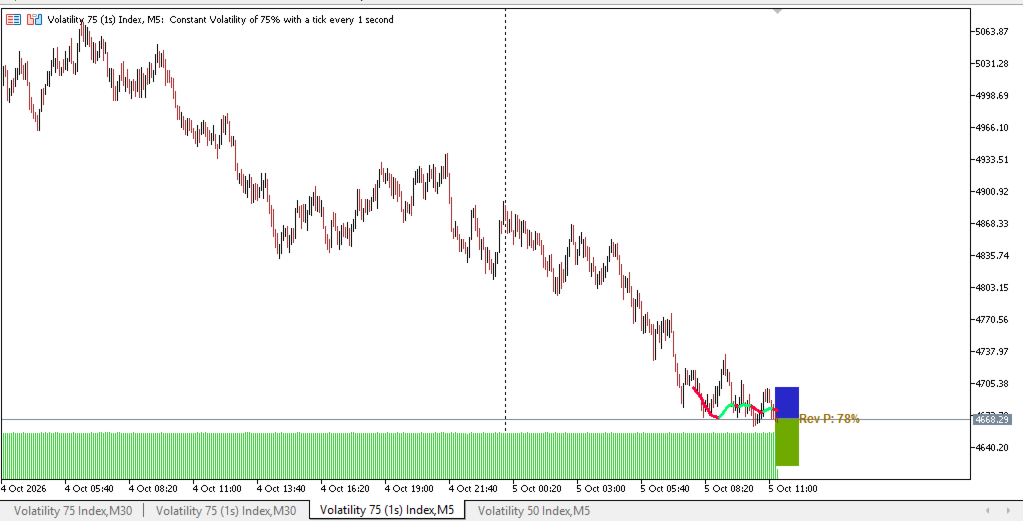
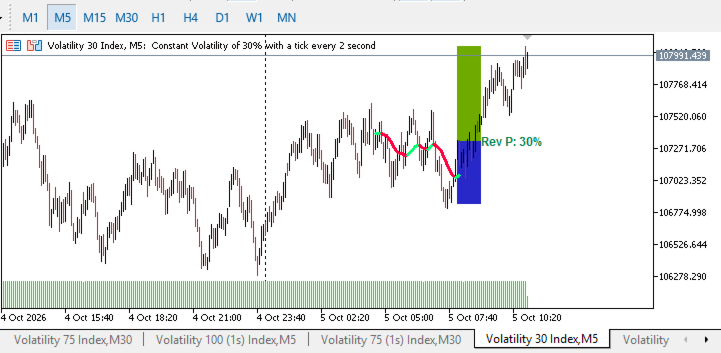
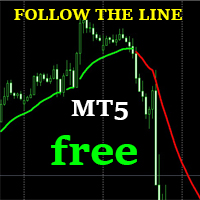
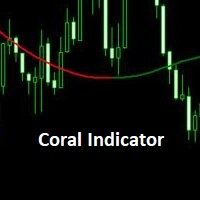
A smoothed trend line turns green or red only when price momentum clearly beats the market's normal noise. That colour change is your signal. No guessing at tops and bottoms, and no redrawing, because the arrow appears on a closed candle.
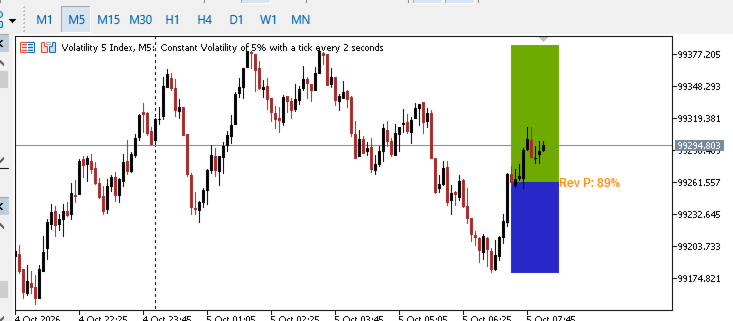
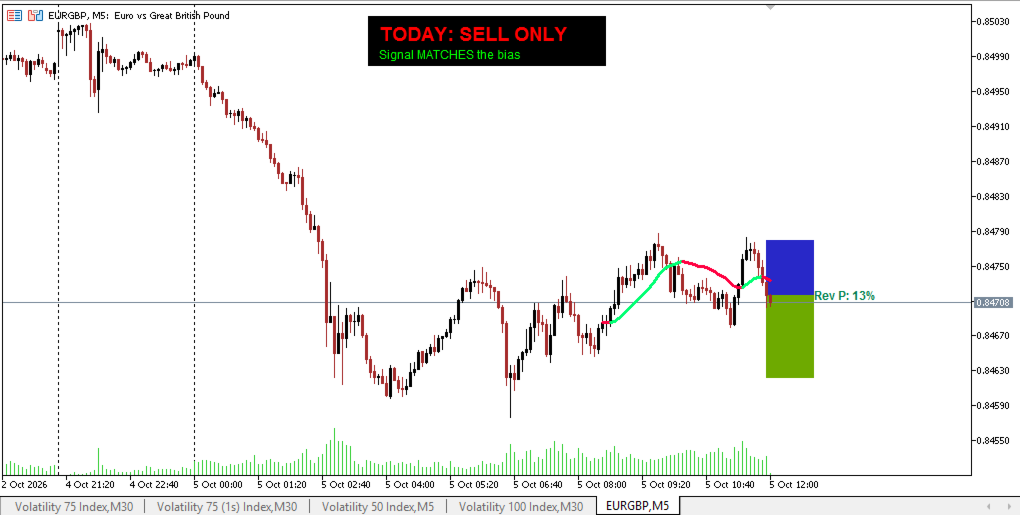
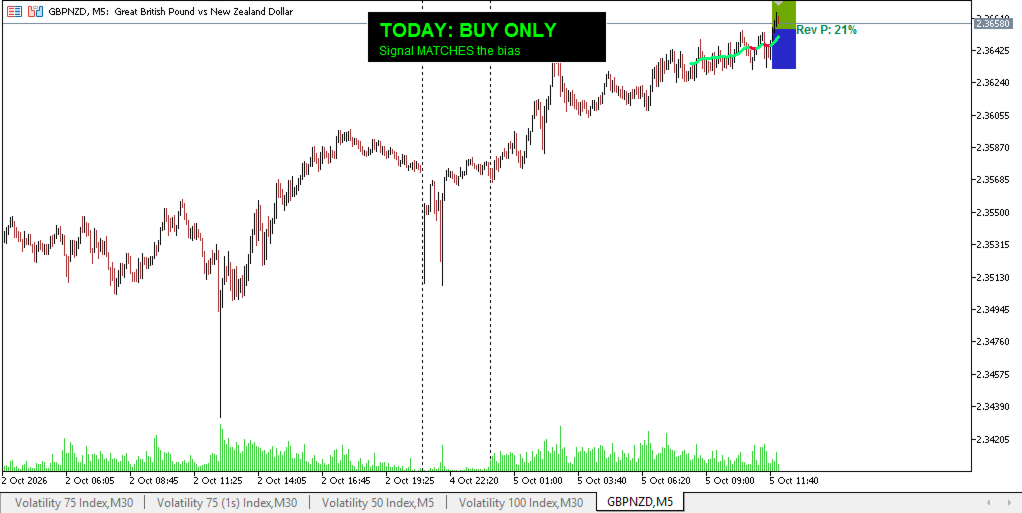
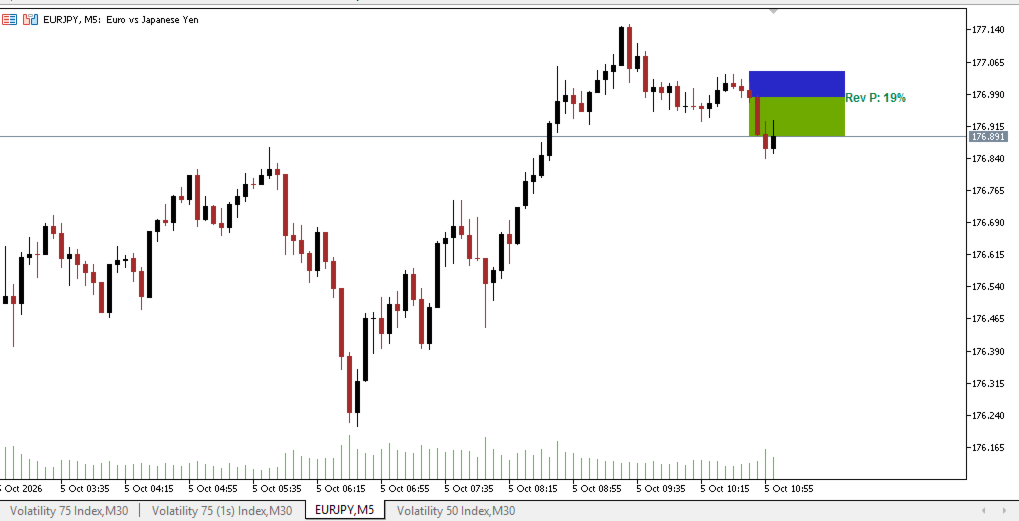
Each signal arrives with its trade already drawn. A green box runs from entry to target and a red box from entry to stop, built on a 1:1.5 risk to reward. You see the whole trade before you take it.
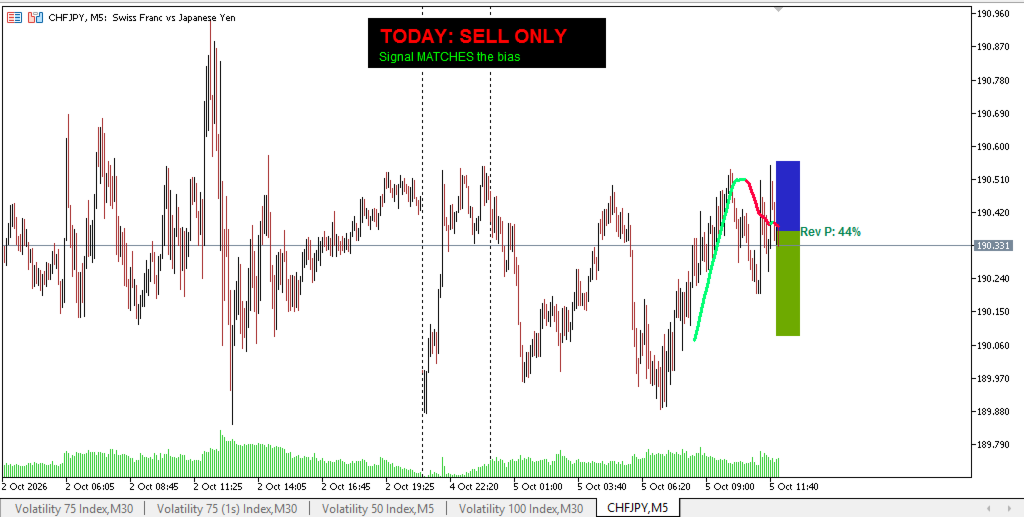
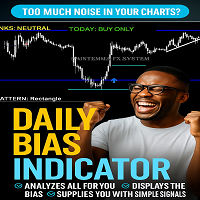
A reversal-probability reading tells you how stretched the previous move was compared with its own history. A high reading means the old trend is tired, which is what you want behind a fresh turn. A daily bias banner at the top of the chart tells you whether the day favours buyers or sellers, or neither.
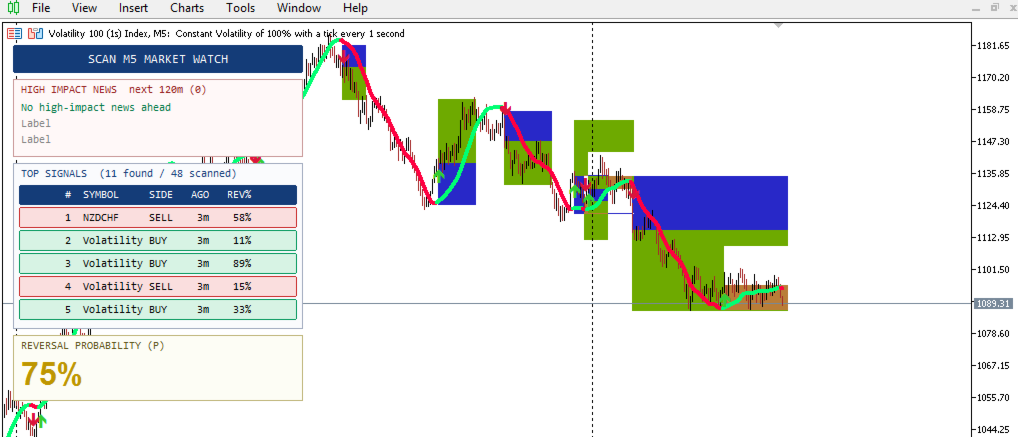
One click scans every pair in your Market Watch on M5 and ranks the freshest signals. Click a row and the signal opens in its own clean window with the trade boxes, the live trend line and the bias, so you can judge it in seconds.
It won't make every trade a winner, and nothing can. It gives you a clear, repeatable process, so you spend your time on the best setups and skip the weak ones.
Trading carries risk. Past behaviour does not guarantee future results.
The logic
The core is a trend line that only changes colour when its slope is large enough relative to recent volatility. Small wiggles are ignored, so a colour change means the market has committed. That change is the entry.
The stop goes beyond the last few bars' swing, with a small volatility buffer, and the target is one and a half times that risk. Because the stop sits at a real swing point, a stop-out means the idea was wrong and not that you were placed randomly.
The reversal probability works like a fatigue gauge. It measures how long the last move has run against how long such moves usually last. Near the top of its range, the move is statistically old. The daily bias adds the bigger picture by combining the daily trend, momentum, strength and where price sits against the day's key levels.
The best signal has three things lined up: a fresh colour change, a bias that matches it, and a high reversal reading.
How to trade with it
Check the news box first. If a high-impact event is minutes away, wait.
Press the scan button and open the top signal.
Read the bias on the signal window. "Signal MATCHES the bias" is a green light. "AGAINST" means skip, or at least halve your size.
Look at Rev P beside the box. Higher is better. A low reading on a fresh flip is a weaker setup.
Enter on the next candle after the arrow, with the stop at the bottom of the red box and the target at the top of the green box.
Watch the trend line. If it changes colour before your target, the reason for the trade is gone. Close or tighten rather than hoping.
Risk a small fixed share of your account per trade, around 0.5% to 1%.
Do's
Do wait for the candle to close before acting on an arrow.
Do trade signals that match the daily bias, especially early in the session.
Do respect the stop. Place it when you enter and don't move it further away.
Do take partial profit or exit when the line flips against you.
Do test on a demo account first and tune the settings to your pairs.
Do favour liquid pairs and active sessions.
Don'ts
Don't trade into high-impact news.
Don't enter old signals. If price has already travelled most of the way to the target, skip it.
Don't take a signal against a clear bias just because the arrow is there.
Don't widen the stop or add to a losing trade.
Don't stack several trades on the same currency, because they usually lose together.
Don't trade it in dead, flat markets, where the line will flip more often.
Don't expect every trade to win. Its edge comes from discipline over many trades