🗞️ Yen Buying and Dollar Selling Intertwine as Price Action Swings Rapidly Across Markets

🗞️ Yen Buying and Dollar Selling Intertwine as Price Action Swings Rapidly Across Markets
■ Overview: An Unstable Market Where the Lead Alternates Between Yen and Dollar
Following the passage of the Lower House election over the weekend, FX markets have entered a phase where yen buying and dollar selling are colliding.
At times the focus tilts toward the yen, only to shift back to the dollar in the next session or market. This rapid rotation—varying by region and time zone—has made it difficult for the market to establish a clear directional bias.
■ Overseas Markets Yesterday: Dollar Selling Took the Lead
In overseas trading yesterday, dollar selling dominated.
Key drivers included:
-
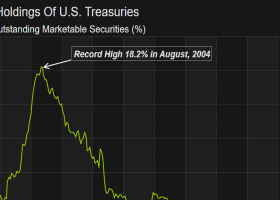
Reports that Chinese authorities urged domestic banks to reduce holdings of U.S. Treasuries
→ Triggering Treasury selling alongside dollar selling -
President Donald Trump publicly expressing strong expectations that incoming Fed Chair Kevin Warsh would deliver rate cuts and growth, while once again mocking Fed Chair Jerome Powell
-
The New York Fed’s 1-year inflation expectation falling from 3.4% to 3.1%
Together, these factors capped the dollar’s upside.
■ Today’s Tokyo Session: Yen Buying Gains the Upper Hand
By contrast, the Tokyo market today saw yen buying take precedence.
-
USD/JPY softened
-
Cross-yen pairs broadly declined
While no single fresh catalyst for yen buying stood out, the following factors were in focus:
-
Position unwinding of yen shorts accumulated around the election period under the so-called “Takaichi trade”
-
Heightened vigilance toward official resistance to yen weakness and potential intervention
-
Rapid inflows of foreign capital into Japanese equities, prompting speculation about real-money yen demand
-
The view that a landslide LDP victory brings political stability, which can be interpreted as yen-positive
These dynamics appear to have forced short-term players into position reversals.
Overall, the yen’s behavior around the election period has felt more image-driven than fundamentals-driven.
■ Early London Session: Dollar Struggles to Rebound, Pound Pressured by Political Risks
In early London trading:
-
The Dollar Index declined again
-
Slipping from the 97.00 area seen in Tokyo morning to the high-96s
-
Rebounds have been shallow, with the index pushed back toward prior closing levels
-
Meanwhile, the British pound remains heavy:
-
GBP/USD slipped into the mid-1.36s
-
EUR/GBP moved higher
-
GBP/JPY stalled in the upper-212s
These moves reflect concerns over:
-
Calls by the Scottish Labour leader for the Prime Minister’s resignation
-
Ongoing uncertainty surrounding the stability of the Starmer government
As a result, markets remain cautious toward sterling.
■ What’s Next: The Focus Shifts Back to the Dollar
Looking ahead to overseas markets, the dollar is likely to regain center stage.
With:
-
U.S. employment data tomorrow
-
U.S. CPI on Friday
investor attention is gradually shifting back toward U.S. economic fundamentals.
U.S. Data Due Today
-
Import Price Index (December)
-
Export Price Index (December)
-
Employment Cost Index (Q4 2025)
-
Retail Sales (December)
-
Business Inventories (November)
U.S. retail sales are expected at +0.4% m/m (prior +0.6%), raising the question of whether signs of slowing consumption will come into focus.
■ Speeches & Events
-
Beth Hammack, Cleveland Fed President
-
Lorie Logan, Dallas Fed President
→ Scheduled speeches / event participation -
U.S. 3-year Treasury auction (USD 58bn)
-
Major U.S. earnings: Ford, Coca-Cola, among others
■ Summary
-
Post-election, yen short covering is progressing
-
Dollar selling pressure persists, fueled by China-related headlines
-
Markets are oscillating between yen-driven and dollar-driven narratives
-
With U.S. jobs data and CPI approaching, price action may revert to dollar-led moves in the near term