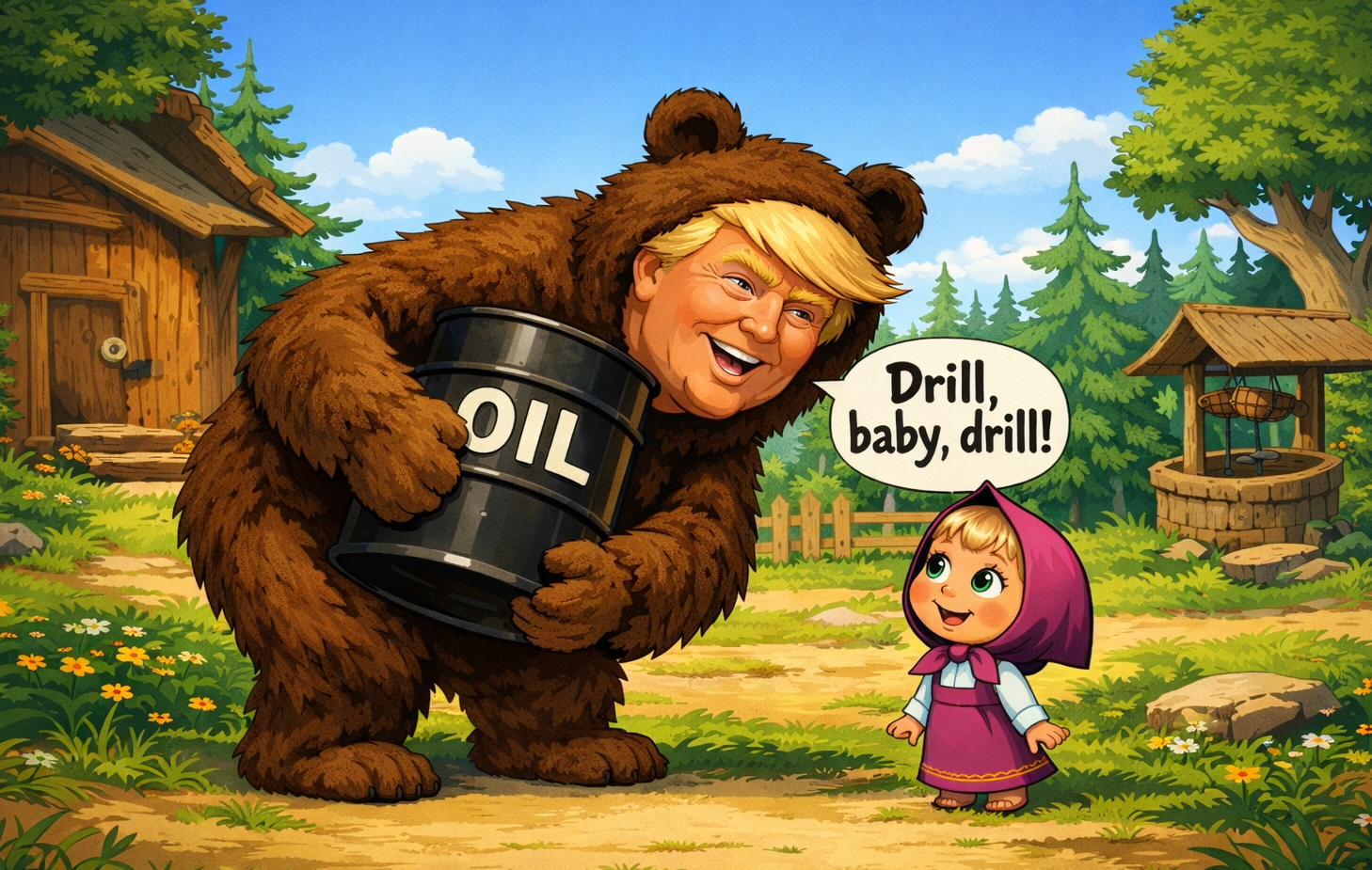
Drill and Pressure: Trump’s Oil Strategy and the 2026 Forecast

Drill, baby, drill is Trump’s slogan that, by 2026, has fully turned into a working strategy. The US president has focused on maximum oil production as a tool of economic and geopolitical pressure. Cheap oil means lower inflation, stronger competitiveness for the United States, and constant pressure on competitors.
The key factor is not the increase in production itself, but the signal sent to the market: any strengthening of Brent will be met with higher supply from the US. This has weakened OPEC’s influence and removed the sense of a long-term supply shortage. In practice, the US acts as a “shadow regulator” - not bound by agreements, yet influencing prices more than anyone else.
Geopolitics only reinforces this effect. The situation around Venezuela, pressure on Iran, and risks linked to the Strait of Hormuz increase volatility, but do not create sustainable price growth. The market assumes that any sharp move upward will be followed by intervention - either physical or political.
As a result, oil in 2026 remains in a state of tense balance. Brent trades within a range that reflects both excess supply and a geopolitical premium. Goldman Sachs forecasts an average price of 56, JPMorgan 58, Reuters publishes a consensus of 61.3, while independent analyst Harshad Shah points to 55.
The differences in forecasts reflect not a disagreement about direction, but different views on the scale of pressure from the US. From drilling to tanker seizures, from verbal attacks on OPEC to direct management of price expectations, Trump’s policy is shaping a new architecture of the oil market. In this model, he remains the industry’s biggest “bear”, and his strategy is the toughest and most systematic attempt to change the global energy order.