
We asked Deepseek v4 Flash and Opus 5 to generate a trading strategy inside a trading harness. Both received the same prompt and both had access to the same trading knowledge hub.
This experiment interested me because Opus 5 is one of the most expensive models on the market, whilst Deepseek is the cheapest of the high-performing ones.
Opus 5 costs roughly $25 per million tokens. Deepseek charges $0.15. That makes Opus more than 160 times as expensive.
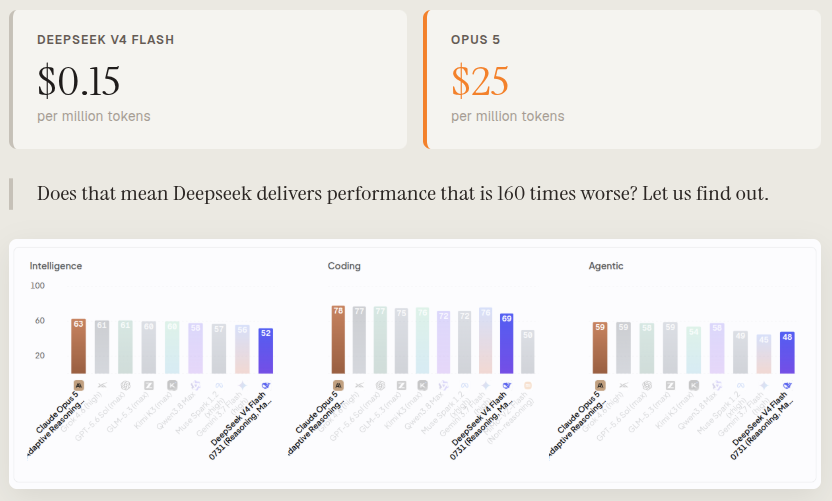
The full comparison at a glance — Deepseek V4 Flash against Opus 5.
What Is the AI-Backbone Trading Harness?
The AI-Backbone Trading Harness is the environment in which models such as Opus 5 or Deepseek are executed and fed with feedback on the performance of the strategies they generate.
Months ago I started thinking about how to help the models and steer them in the right direction, so that they build strategies that actually hold up. In this article I use the system I built around the models. It does three things:
- Execution compiler: the functional correctness of a strategy is verified immediately after the build. The model receives instant feedback on what to fix.
- Immediate feedback: backtests and logs. The model learns how to restructure the strategy when there are deadlocks or errors in its logic.
- Conceptual feedback: a knowledge hub holding a scientific collection of the best trading strategies, proven over years and confirmed by reputable sources.
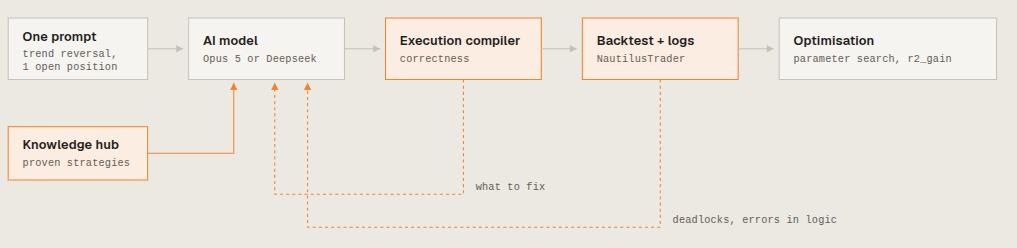
The harness: the knowledge hub goes in at the front, and two feedback loops run back into the model before the optimiser ever sees the strategy.
The Prompt
Deepseek and Opus 5 both received exactly this prompt:
Build me a trend reversal strategy with a maximum of 1 open position at a time. Research the knowledge hub and propose the most suitable entry signal. Ask no questions. Simply implement it so the code is compliant and can run. Use parameters so I can optimize the strategy.
This prompt is far from ideal, because it tells the model not to ask any questions. To get the best out of either model you need to steer the idea as it takes shape. For this experiment, though, I deliberately removed my own intervention so that we can see the raw performance of the models.
The First Draft
Opus 5 produced this on the first attempt:
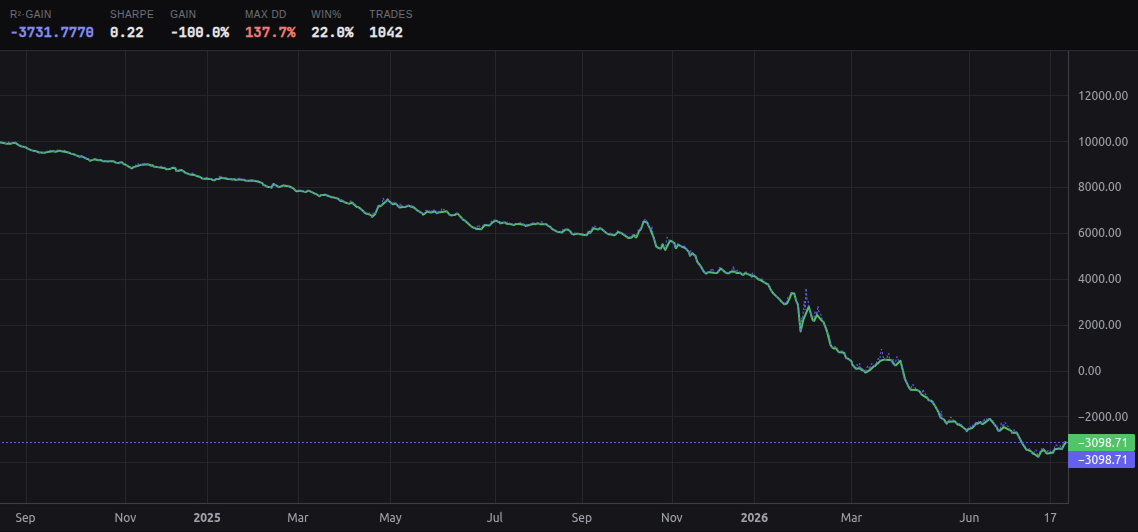
Opus 5 — the first draft, before any optimisation.
The first draft from Deepseek did not trade at all. 😁 No positions opened. Nothing.
But we are not finished yet.
Optimisation
This is the crucial step. In the prompt I asked for parameters so that the strategy could be optimised, and that matters more than it might appear. The models genuinely have no feel for trading or for the way market conditions need to be handled. So we keep the options open and search for a configuration that works well on gold, XAUUSD.
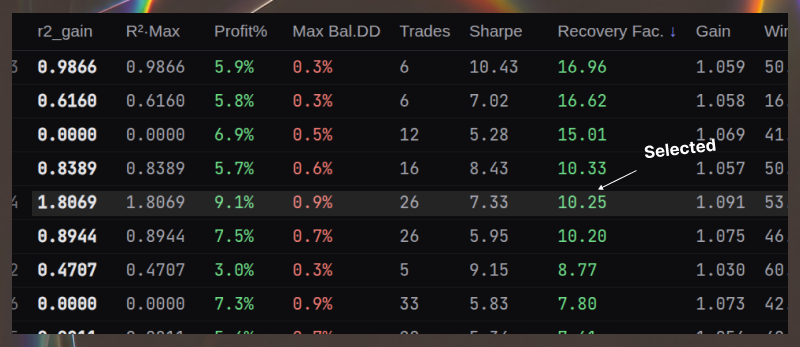
Deepseek v4 Flash
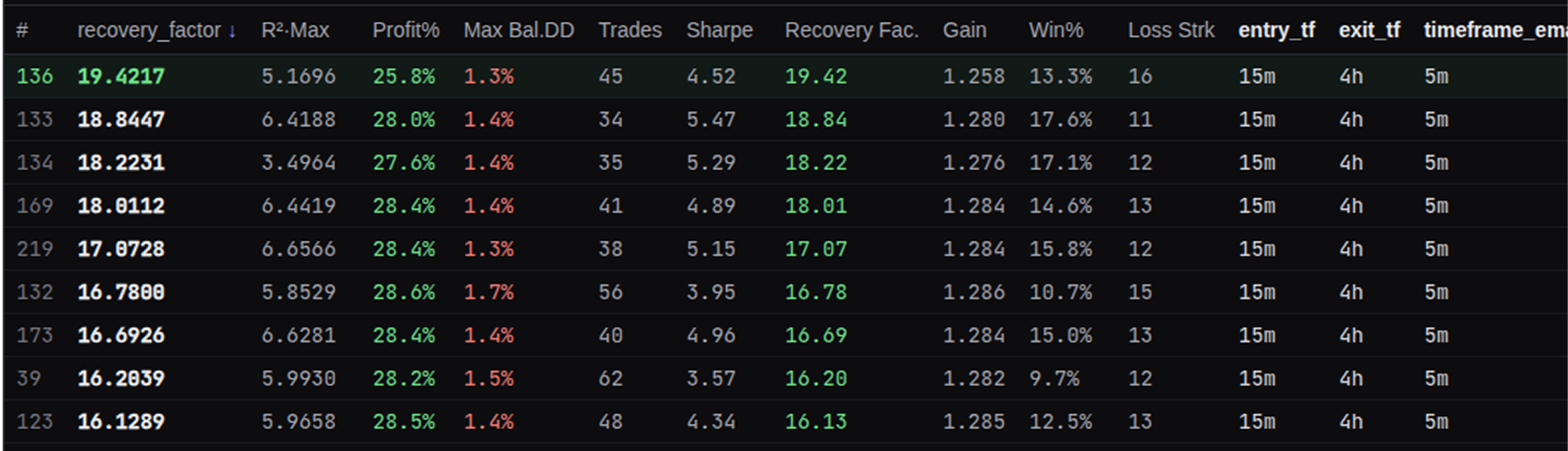
Opus 5
Worth noting: optimising the Deepseek strategy took twice as long. The low price per token therefore buys you a longer wait during the building process.
Performance Comparison
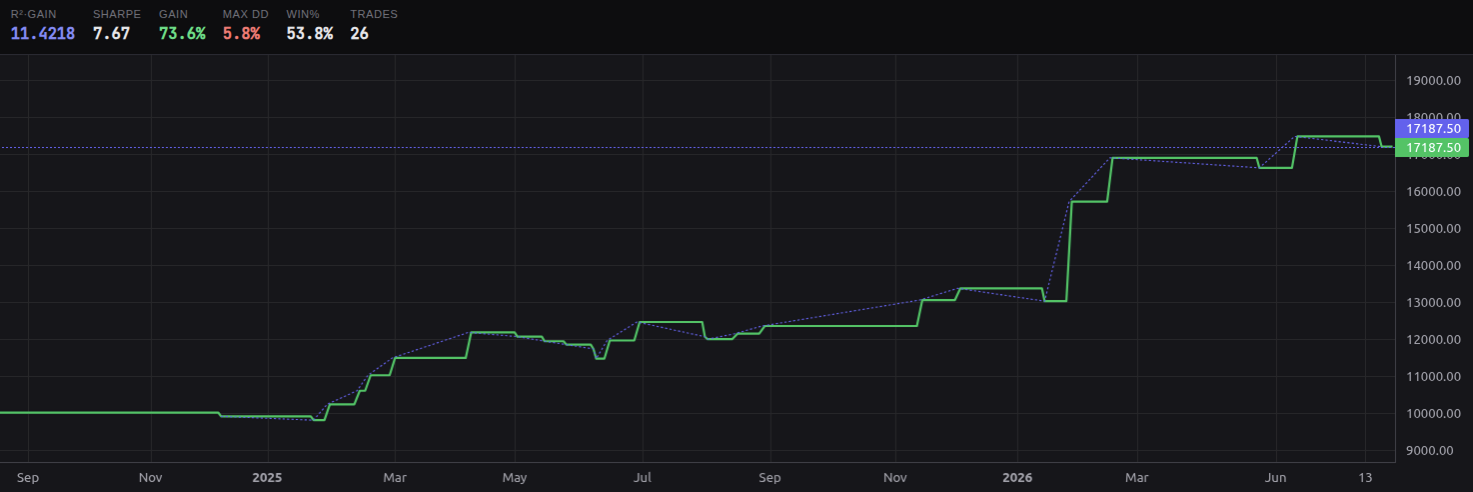
Equity Curve
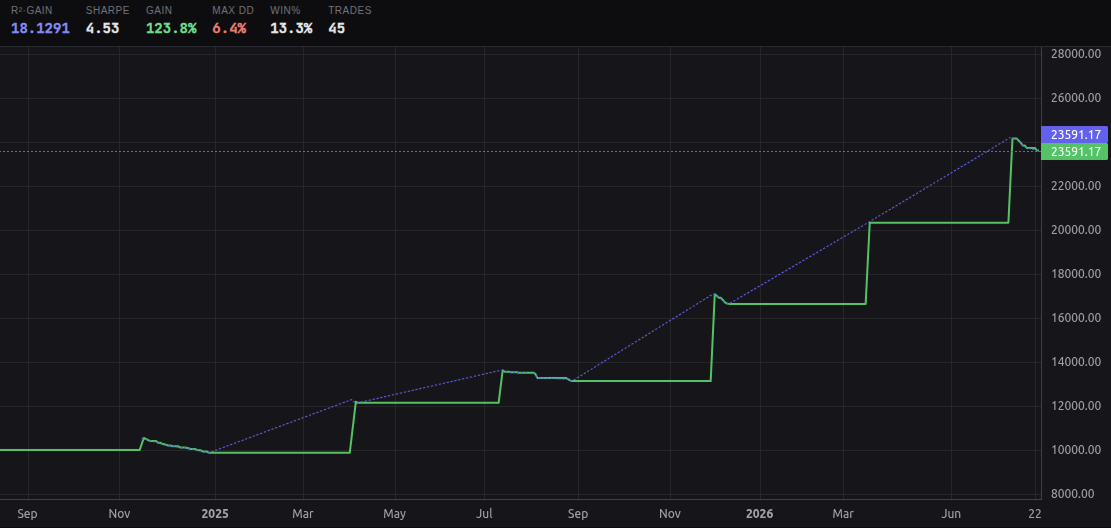
Opus 5 — the optimised equity curve.
Deepseek V4 Flash
Statistics
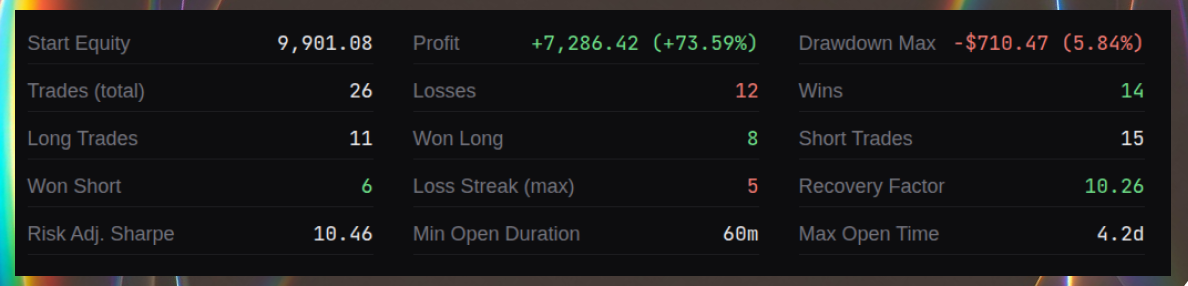
Deepseek V4 Flash
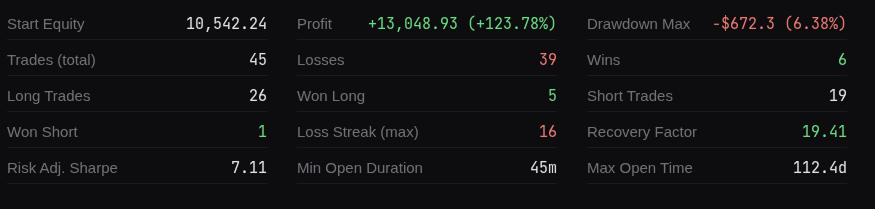
Opus 5
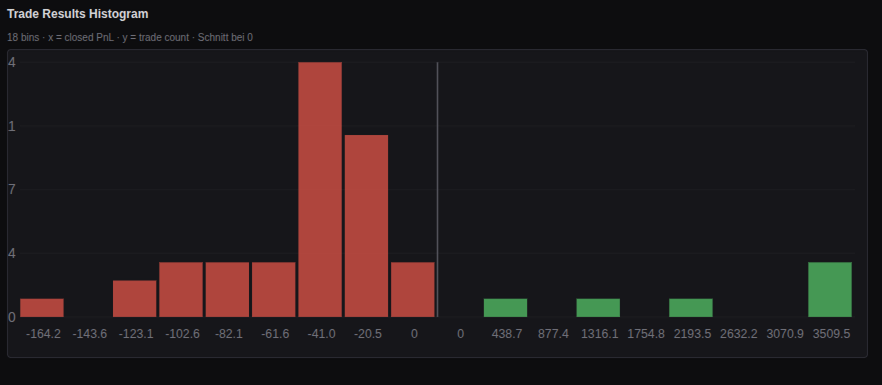
PnL Histogram
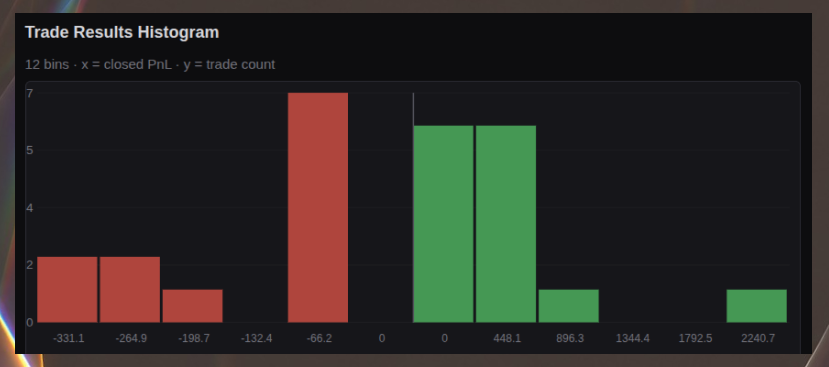
Deepseek V4 Flash
Opus 5
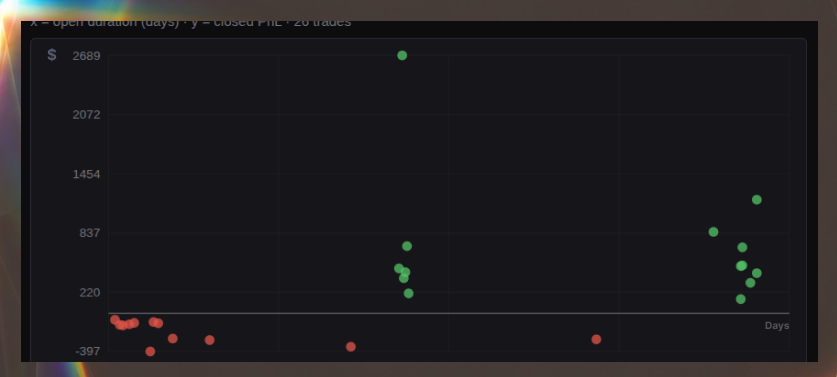
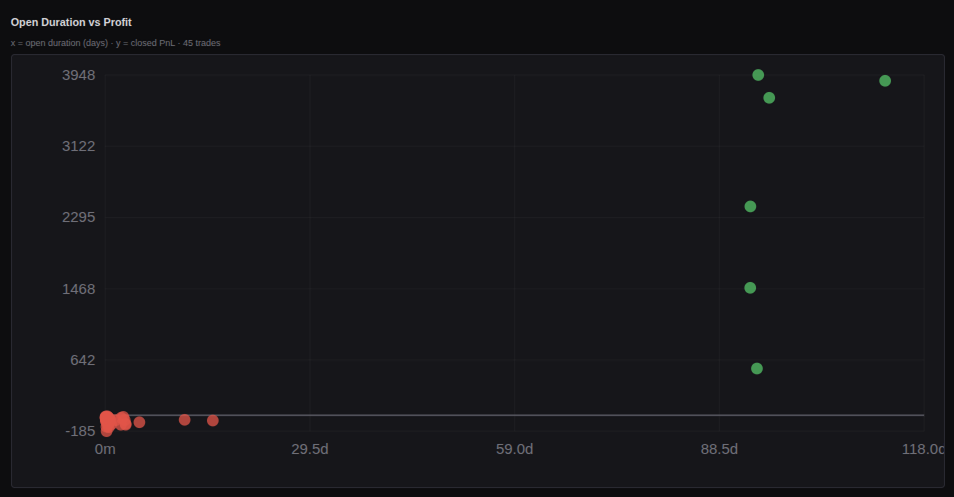
Holding Time
Deepseek V4 Flash
Opus 5
Summary
Both models were given the same task: design and build a trend reversal strategy. Opus 5 managed to keep its losses small in relation to its wins. The best strategy from Deepseek V4 Flash ended up with a moderate drawdown and a noticeably higher number of trades.
How to Choose
- If you want peak performance on the spot, Opus 5 is the right choice.
- If you have time and you are exploring ideas and strategies, Deepseek will serve you better. It is also a very good way to get a feel for how the AI-Backbone trading harness works.
The honest answer to the question we started with: no, paying 160 times less does not cost you 160 times the performance. It costs you patience.
Want to become independent from back box EAs? Discover how this AI can build professional strategies for you too.