|
3 년도
경험
|
14
제품
|
37
데모 버전
|
|
2
작업
|
0
거래 신호
|
0
구독자
|
Professional and qualified investor and trader operating in Kazakhstan and the Russian Federation.
Active in financial markets since 2016, algorithmic trading since 2019, and machine learning and software development since 2021.
I develop Expert Advisors, algorithmic trading systems, technical indicators, smart contracts, token and cryptocurrency infrastructure, business automation solutions, and turnkey AI models.
I am currently developing an institutional-grade trading ecosystem for my own hedge fund, alongside a proprietary AI-powered blockchain infrastructure.
The project already includes a multi-module Python infrastructure for trading through Interactive Brokers, a dedicated trading system for RoboForex, and a fully developed institutional-grade Expert Advisor built around strict risk management parameters — including a 2% maximum daily drawdown and a 5% maximum weekly drawdown — with a primary focus on long-term stability, disciplined capital preservation, and sustainable institutional-level performance.
https://www.mql5.com/ru/market/product/193554
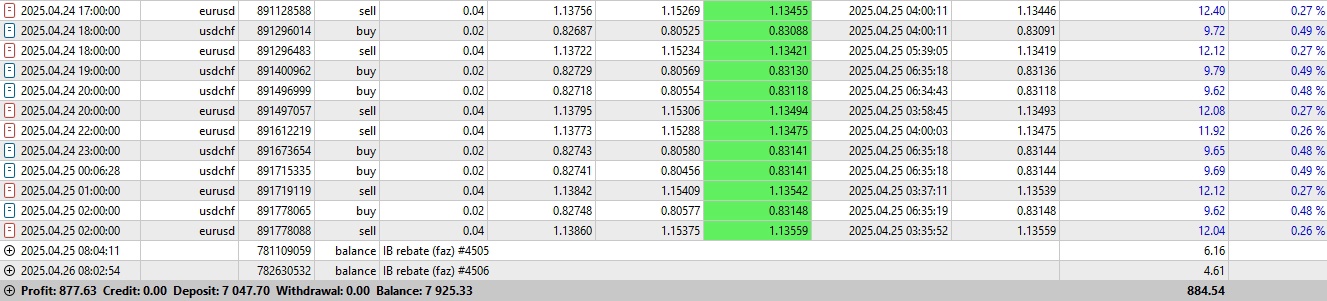
RoboForex traders can also access a 95% commission and spread rebate by opening a new trading account using my referral code — jsdnu.
Through my SINERGY rebate service, 95% of eligible RoboForex trading commissions and spread costs are credited back every trading day at 08:00. This can reduce effective trading costs to approximately $1 per lot, positioning the setup among the most cost-efficient ECN trading arrangements available globally.
Author of 100+ international articles published in multiple languages worldwide.
https://shtenco.github.io/index.html
Active in financial markets since 2016, algorithmic trading since 2019, and machine learning and software development since 2021.
I develop Expert Advisors, algorithmic trading systems, technical indicators, smart contracts, token and cryptocurrency infrastructure, business automation solutions, and turnkey AI models.
I am currently developing an institutional-grade trading ecosystem for my own hedge fund, alongside a proprietary AI-powered blockchain infrastructure.
The project already includes a multi-module Python infrastructure for trading through Interactive Brokers, a dedicated trading system for RoboForex, and a fully developed institutional-grade Expert Advisor built around strict risk management parameters — including a 2% maximum daily drawdown and a 5% maximum weekly drawdown — with a primary focus on long-term stability, disciplined capital preservation, and sustainable institutional-level performance.
https://www.mql5.com/ru/market/product/193554
RoboForex traders can also access a 95% commission and spread rebate by opening a new trading account using my referral code — jsdnu.
Through my SINERGY rebate service, 95% of eligible RoboForex trading commissions and spread costs are credited back every trading day at 08:00. This can reduce effective trading costs to approximately $1 per lot, positioning the setup among the most cost-efficient ECN trading arrangements available globally.
Author of 100+ international articles published in multiple languages worldwide.
https://shtenco.github.io/index.html