·
1
344

|
3 years
experience
|
8
products
|
37
demo versions
|
|
3
jobs
|
0
signals
|
0
subscribers
|
Sandro Begashvili - MQL5, MQL4, Python and Pine Script developer
I build trading software for MetaTrader 4 and MetaTrader 5: Expert Advisors, custom indicators and graphical trade panels.
MQL5 Channel: https://www.mql5.com/en/channels/rhinoquant
PRODUCTS
📥 Rhino Dashboard Trade Panel MT5: https://www.mql5.com/en/market/product/204925
📥 Rhino Dashboard Trade Panel MT4: https://www.mql5.com/en/market/product/206195
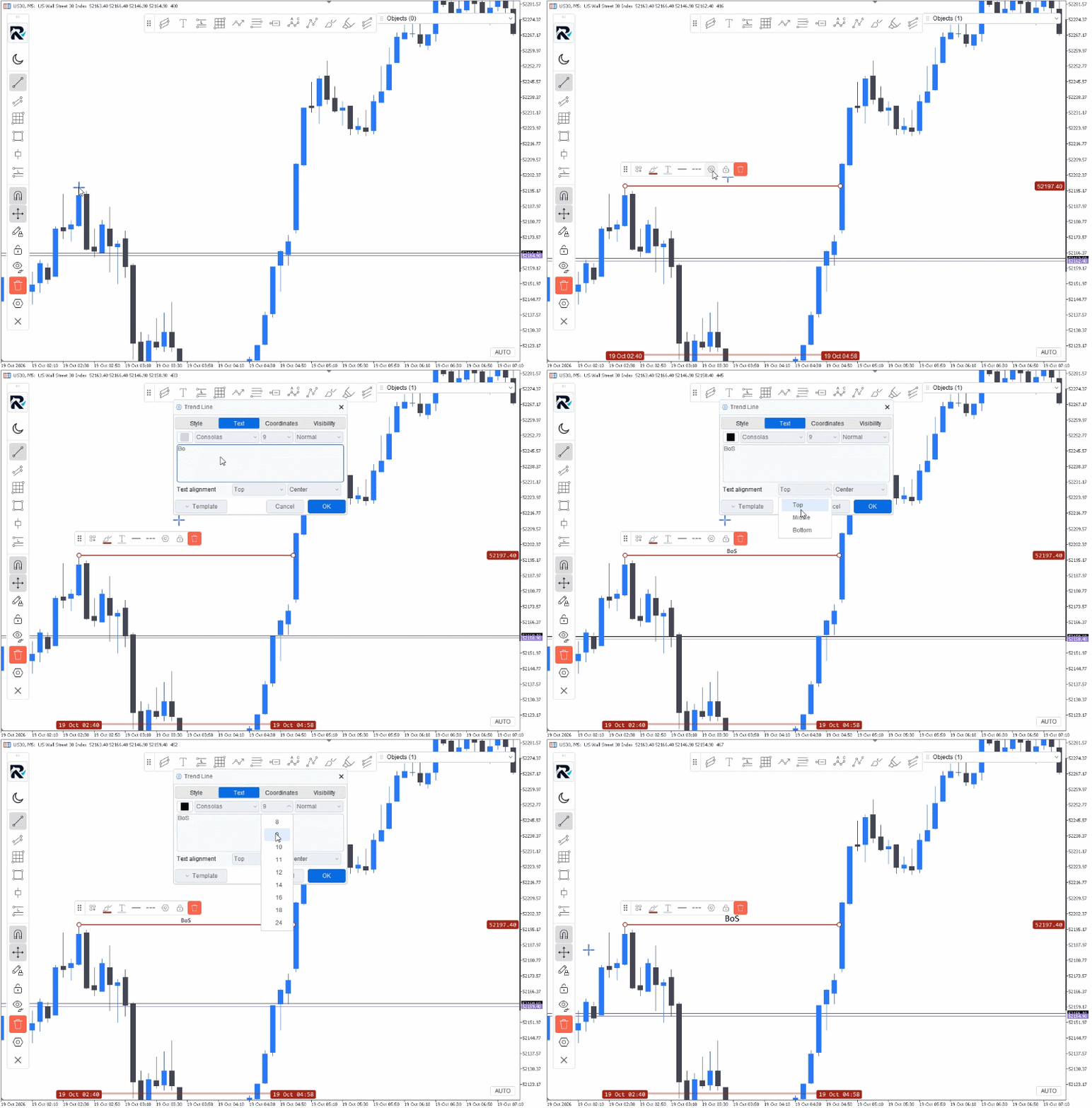
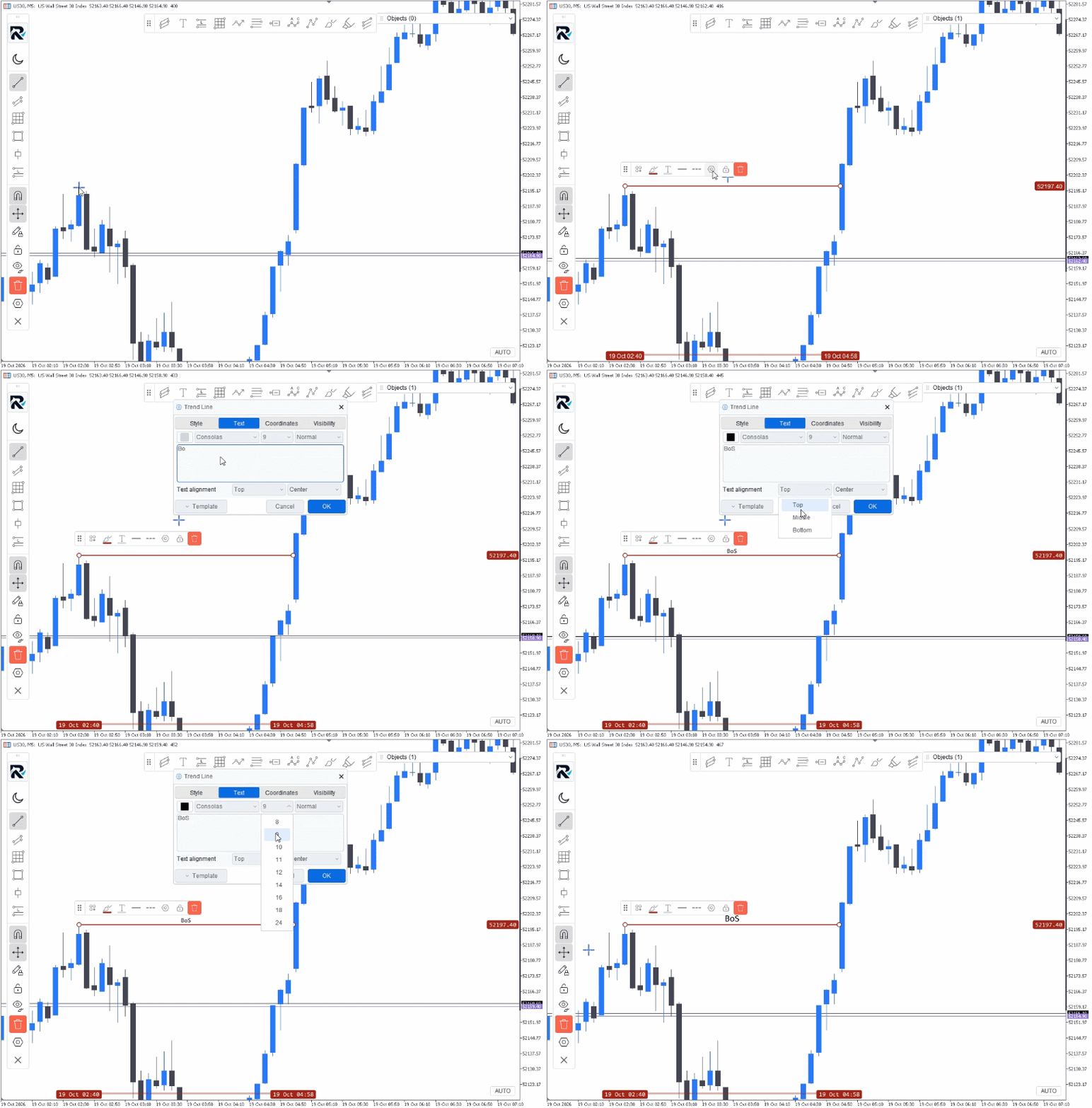
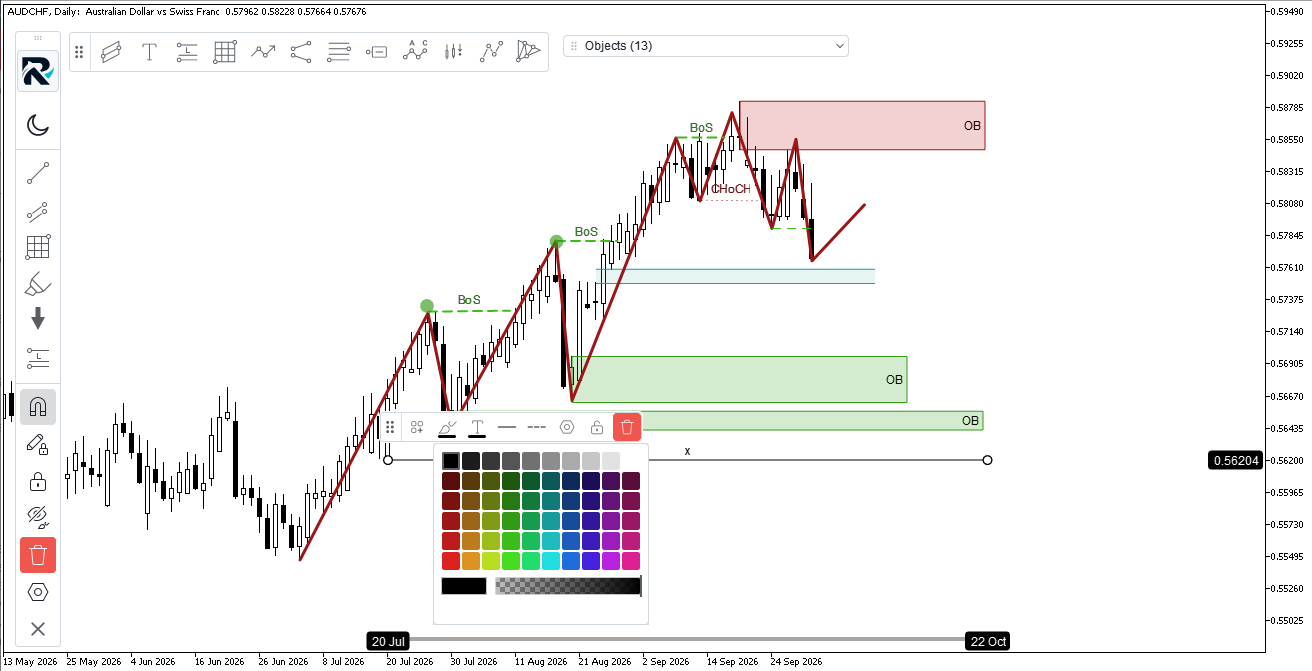
📥 Rhino Drawing Tools MT5: https://www.mql5.com/en/market/product/191269
📥 Rhino Drawing Tools MT4: https://www.mql5.com/en/market/product/197413
📥 Trading Simulator in Strategy Tester for MT5: https://www.mql5.com/en/market/product/107411
📥 Trading Simulator in Strategy Tester for MT4: https://www.mql5.com/en/market/product/132410
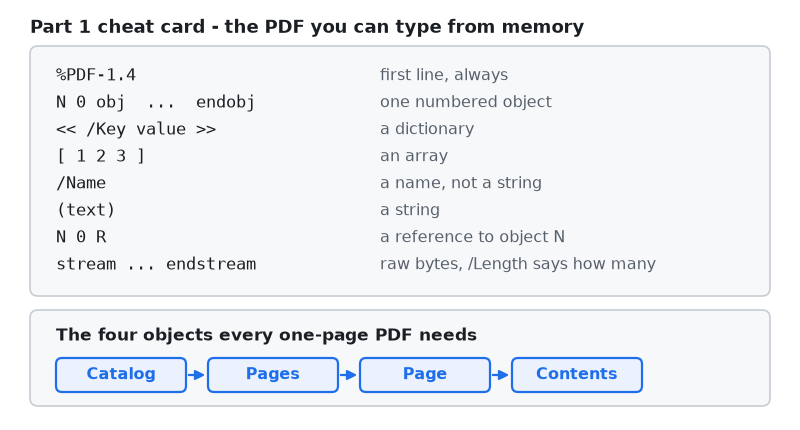
📥 Rhino PDF Trade Report MT5: https://www.mql5.com/en/market/product/189458
📥 Rhino PDF Trade Report MT4: https://www.mql5.com/en/market/product/189468
CONTACT
Telegram: https://t.me/MrMQL5Developer