|
3 años
experiencia
|
6
productos
|
49
versiones demo
|
|
3
trabajos
|
0
señales
|
0
suscriptores
|
Sandro Begashvili - desarrollador de MQL5, MQL4, Python y Pine Script
Desarrollo programas de trading para MetaTrader 4 y MetaTrader 5: asesores expertos, indicadores personalizados y paneles gráficos de trading. Descríbame su idea y la convertiré en código funcional y documentado.
QUÉ DESARROLLO
Asesores expertos (EA) - estrategias automáticas para MT4 y MT5
Indicadores - herramientas de análisis con alertas y soporte de varios marcos temporales
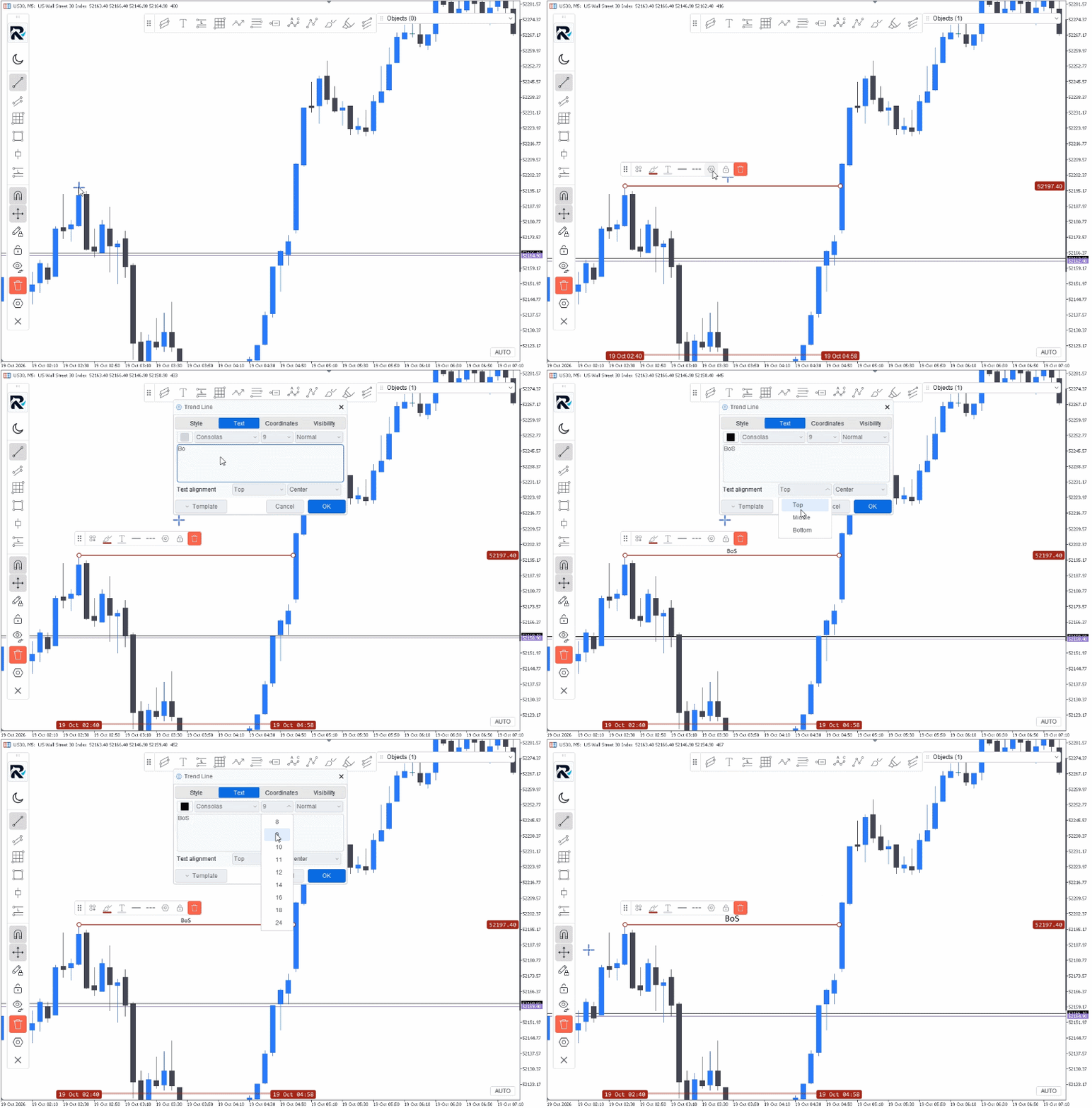
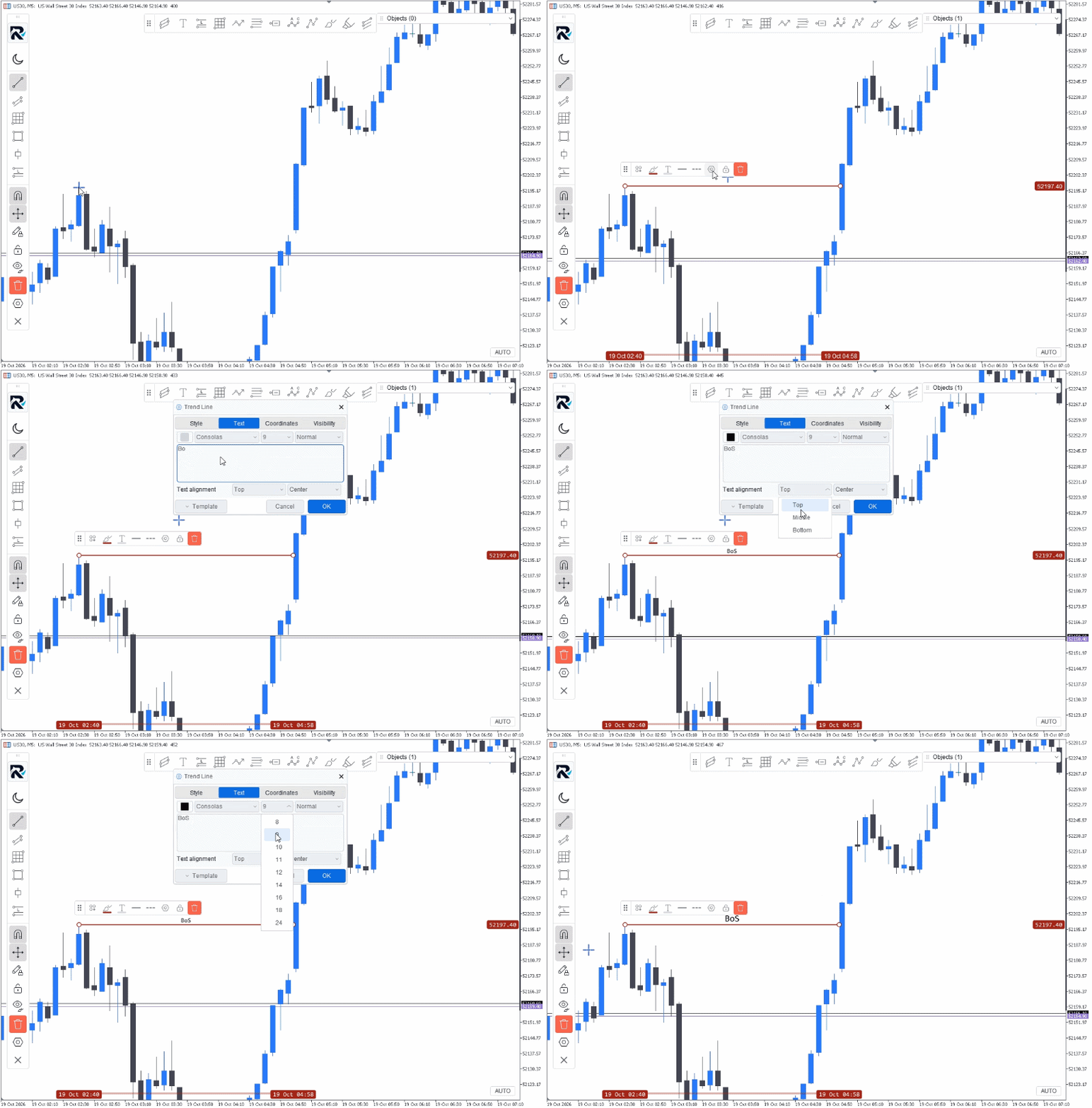
Paneles de trading (GUI) - interfaces de trading con un clic y gestión del riesgo
Scripts y utilidades - gestión de órdenes, informes y exportación de datos
MÉTODOS CON LOS QUE TRABAJO
Smart Money Concept y Price Action
Algoritmos de aprendizaje automático aplicados a datos de mercado
Optimización matemática para el ajuste de parámetros y el diseño de estrategias
LENGUAJES
MQL5, MQL4, Python, Pine Script
CÓMO TRABAJO
Usted envía la idea con sus propias palabras, con una captura de pantalla o con un script existente. Yo respondo con el alcance, el plazo y el precio antes de empezar. Cada trabajo se entrega con la lógica explicada y un manual breve, para que pueda mantenerlo y ampliarlo más adelante.
CONTRATAR
Pedido en Freelance: https://www.mql5.com/en/job/new?prefered=sandrobegashvil
PRODUCTOS
📥 Rhino Drawing Tools MT5: https://www.mql5.com/en/market/product/191269
📥 Rhino Drawing Tools MT4: https://www.mql5.com/en/market/product/197413
📥 Trading Simulator in Strategy Tester for MT5: https://www.mql5.com/en/market/product/107411
📥 Trading Simulator in Strategy Tester for MT4: https://www.mql5.com/en/market/product/132410
📥 Rhino PDF Trade Report MT5: https://www.mql5.com/en/market/product/189458
📥 Rhino PDF Trade Report MT4: https://www.mql5.com/en/market/product/189468
Versión demo gratuita para MT5: https://www.mql5.com/en/blogs/post/762473
CONTACTO
Telegram: https://t.me/MrMQL5Developer


Sandro Begashvili


·
2
Azhar Nazaruddin
Miércoles
Sir, do you define a "swing high" or "swing low" based on the candle that closes two candles after the wick of the swing low or the wick of the swing high?