WHITE RABBIT
Introduction
White Rabbit represents years of manual trading experience distilled into a professional automated system.
This Expert Advisor was developed through real market conditions, managing personal capital over extended periods, and has been battle-tested across multiple instruments and market environments.
About This System
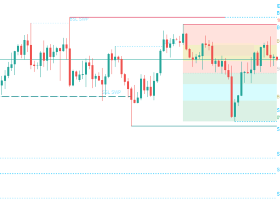
I built White Rabbit to manage my own long-term capital, focusing on consistent, controlled growth rather than aggressive returns. The strategy emerged from identifying high-probability breakout patterns that occur during specific time periods across various markets. After years of refinement and live trading, I've adapted it to also accommodate prop firm requirements, making it versatile for different trading objectives.
Understanding the Input Parameters
The input parameters are organized into logical sections for easy configuration. Below is a comprehensive explanation of each parameter group:

Set Files and Pre-Configured Parameters
Set files contain pre-optimized parameter combinations for specific instruments and timeframes. These provide starting points for your own optimization process.
How to Use Set Files:
- Copy .set files to: MQL5/Presets/ folder in your MetaTrader directory
- Load EA onto chart
- In EA inputs, click "Load" button
- Select appropriate .set file for your instrument
- Review and adjust parameters for your broker's specific conditions
- Test thoroughly on demo before live trading
Important Notes About Set Files:
- These are starting points, not guaranteed profitable settings
- Broker differences (spreads, execution, point values) require adjustment
- Market conditions change—parameters need periodic re-optimization
- Always backtest and forward test before live implementation
- Different account sizes may need different risk parameters
Optimization Guidelines
Critical Parameters to Optimize:
- Entry Buffer Points - Balance between catching breakouts and avoiding false signals
- Rectangle Size Filters - Match to instrument's typical volatility
- Stop Loss / Take Profit - Align with average price movements
- Risk Reward Ratio - Optimize for win rate and profit factor
- Time Settings - Identify best breakout periods for your instrument
- Breakeven / Trailing Levels - Protect profits while allowing development
Optimization Process:
- Historical Analysis - Study your instrument's behavior during different time periods
- Backtest Range - Use at least 1-2 years of quality tick data
- Walk Forward Analysis - Validate parameters on out-of-sample data
- Demo Testing - Forward test optimized settings for minimum 1 month
- Live Micro Lots - Start with smallest position sizes to verify real conditions
- Scale Gradually - Increase position size only after consistent results
Avoid Over-Optimization:
- Don't curve-fit to historical data
- Ensure parameters make logical sense
- Test robustness by slightly varying optimized values
- Verify performance across different market conditions
- Accept that no parameters work forever—markets evolve
Broker Considerations
Point Value Differences:
- 5-digit brokers (1.12345): 1 pip = 10 points
- 4-digit brokers (1.1234): 1 pip = 1 point
- Indices may use different point structures
- Always verify your broker's point system and adjust parameters accordingly
Execution Quality:
- Slippage and spread directly impact profitability
- Test during high-volatility periods (news events)
- ECN brokers generally provide better execution
- Market makers may have conflicts of interest
Server Time:
- All time settings use broker server time
- Verify your broker's time zone
- Adjust breakout and session times accordingly
- Some brokers shift time during daylight savings
Troubleshooting Common Issues
EA Not Placing Orders:
- Verify AutoTrading is enabled
- Check time settings match broker server time
- Ensure breakout period has completed
- Confirm spread and slippage filters not blocking trades
- Review rectangle size filters aren't too restrictive
Orders Closing Immediately:
- Check breakeven settings aren't too aggressive
- Verify close time isn't immediately after entry
- Review stop loss isn't too tight for volatility
- Ensure trailing stop parameters are appropriate
Excessive Losses:
- Reduce position size immediately
- Verify stop loss is actually being used
- Check for slippage during execution
- Review if market conditions changed significantly
- Consider if parameters need re-optimization
No Trades for Extended Period:
- Verify time settings are correct for broker time zone
- Check if rectangle size filters are too restrictive
- Review if spread filter is blocking all trades
- Ensure min/max trades per day settings are appropriate
- Confirm breakout period captures actual volatility
Final Thoughts
White Rabbit provides a complete framework for breakout trading, but success ultimately depends on proper implementation, ongoing optimization, and disciplined risk management. The EA handles execution and position management—you provide market understanding, parameter optimization, and strategic oversight.
Treat this as a professional trading tool that requires professional attention. Invest time in understanding each parameter, testing thoroughly, and adapting to your specific circumstances. The systems that perform best are those operated by traders who understand not
Why Am I Sharing This?
A question I often encounter: "If this system works so well, why sell it?" It's a fair question that deserves a transparent answer.
My trading journey has evolved. I've transitioned to working with institutional funds and larger capital management operations, which require Python-based infrastructure and more sophisticated institutional-grade tools. While White Rabbit served me exceptionally well for personal trading, my current work demands different technological frameworks.
However, I believe in diversified income streams, and I genuinely enjoy coding and system development. These strategies proved themselves over years of live trading with my own money—they're not theoretical constructs or curve-fitted backtests. They represent real trading logic that captured real profits in real market conditions.
Rather than let these systems sit unused, I'm making them available to traders who can benefit from them. The MQL5 platform remains excellent for retail and prop firm traders, even though my institutional work has moved to different tools.
Important Disclaimer
Past performance does not guarantee future results. White Rabbit requires proper optimization for your specific broker, instrument, and market conditions. What worked in my trading may need adjustment for yours. The system provides the framework and logic—successful implementation requires understanding your market, managing risk appropriately, and adapting parameters to current conditions.
Always test thoroughly on demo accounts before risking real capital. Understand every parameter. Know your risk tolerance. No automated system eliminates the need for trader judgment and proper risk management.