SmartMarketStructure Line
- Indicatori
- Versione: 2.0

The Breakout and Structural Shift
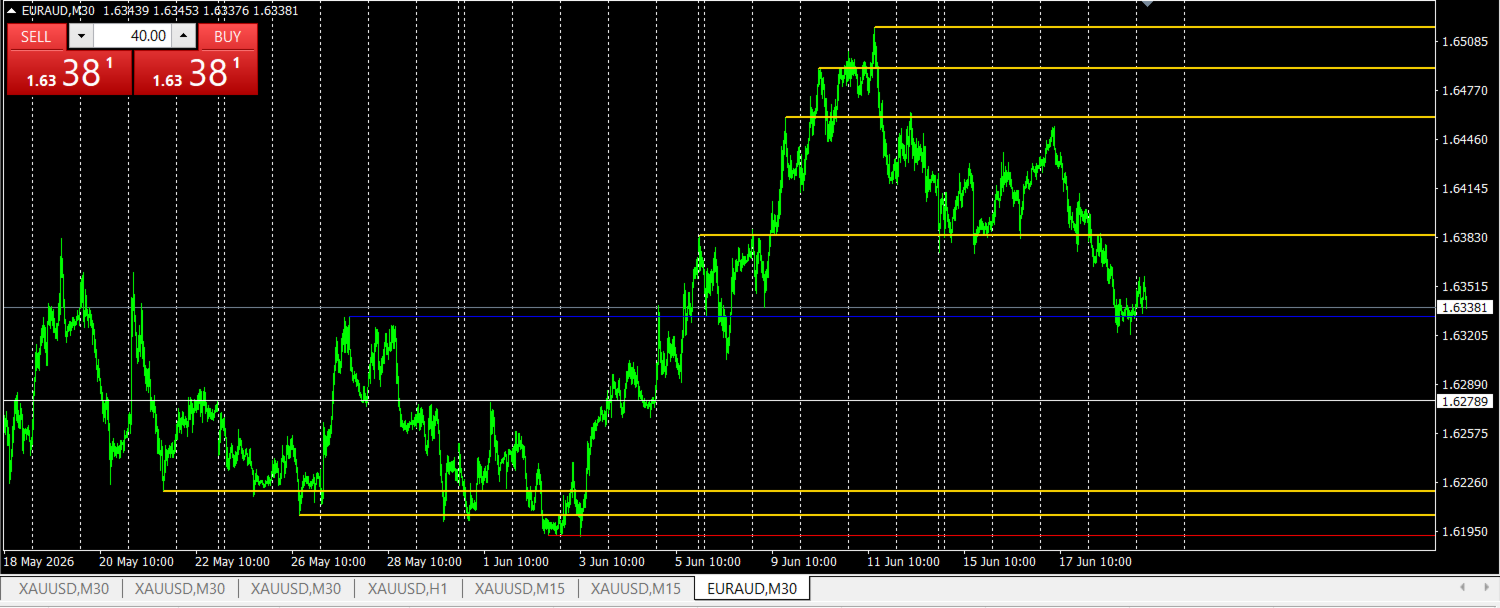
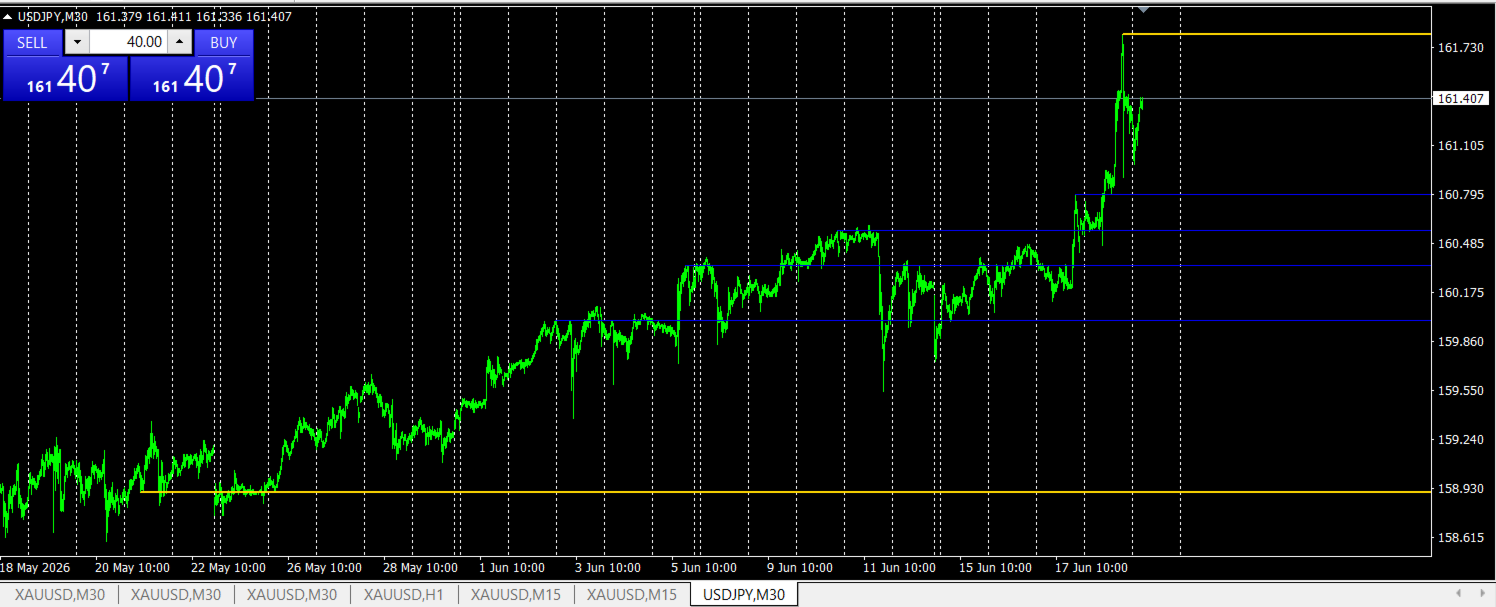
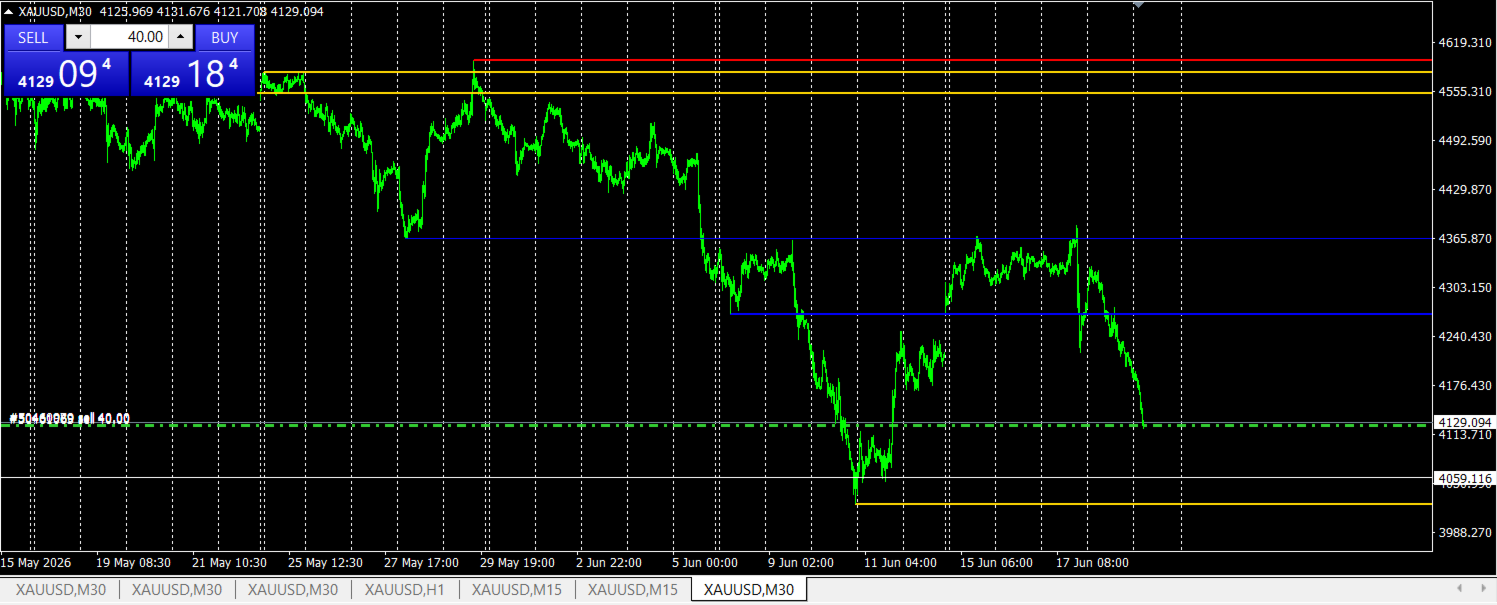
The indicator registers a true breakout when the price aggressively pushes past a previously established level and closes outside of it.
-
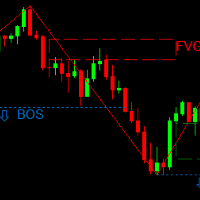
To confirm a change to a Bullish structure: The price must break above the previous high. Once a candle closes above that peak, the old resistance is broken. The structure officially shifts because the market has just created a Higher High, signaling that buyers are firmly in control.
-
To confirm a change to a Bearish structure: The price must break below the previous low. When a candle closes beneath that floor, the old support is broken. The structure shifts because the market has successfully created a Lower Low, signaling that sellers have taken over.
The Dynamic "Flipped" Level
Once that breakout happens, the indicator automatically alters how it views those exact high and low boundaries:
-
Old High becomes New Low Support: The broken peak (the previous high) is automatically treated as a new floor. If the price pulls back down to it, the market expects it to act as a low point where buyers step back in.
-
Old Low becomes New High Resistance: The broken floor (the previous low) is automatically treated as a new ceiling. If the price rallies back up to it, the market expects it to act as a temporary high point where sellers protect the zone.
By focusing entirely on whether the price is making Higher Highs or Lower Lows, the indicator maps out the trend dynamically without needing a fixed numerical price target.