XAUUSD Volatility Bursts: Why Static Gold EAs Blow Up and How Multi-Engine Architectures Survive in MetaTrader 5

XAUUSD Volatility Bursts: Why Static Gold EAs Blow Up and How Multi-Engine Architectures Survive in MetaTrader 5
Gold trading on MetaTrader 5 holds an undeniable attraction for algorithmic traders. The extreme liquidity of XAUUSD, coupled with rapid intraday price expansion and clean technical swings, creates the perception of an ideal environment for automated execution. Every week, retail developers release dozens of new gold Expert Advisors boasting steep upward equity curves in the Strategy Tester. These systems claim to exploit Asian range breakouts, tight scalping channels, or aggressive martingale recovery grids. Yet, when forward execution begins on live or funded prop-firm accounts, the vast majority of these robots suffer catastrophic drawdowns within their first sixty days of operation.
The immediate retail reaction is invariably to blame the broker, claim market manipulation, or accuse the developer of malicious curve-fitting. Traders then abandon the robot, browse the marketplace, and purchase another system promising even higher backtest returns. This cycle of continuous bot-hopping burns trading capital, exhausts psychological discipline, and obscures the true underlying technical failure. The problem is almost never the fundamental trade logic itself. The real failure stems from an elementary design defect: treating gold as a single, static market condition rather than an asset characterized by violent, non-stationary volatility regimes.
Gold does not behave like standard foreign exchange currency pairs. When global geopolitical tension flares, when central banks shift reserve allocation policies, or when Tier-1 macroeconomic data prints hit the wires, gold volatility expands by four hundred to six hundred percent within milliseconds. A static Expert Advisor built with fixed take-profit distances, unadjusted grid spacing, and single-indicator trend filters is mathematically incapable of surviving such volatility spikes. In this technical breakdown, we explore why single-logic gold EAs fail, analyze empirical tick-level behavior across trading sessions, and demonstrate how institutional quantitative desks engineer decoupled multi-engine architectures to survive and profit across shifting XAUUSD market regimes.
The Anatomy of XAUUSD Fragility: Three Structural Flaws in Retail Gold Robots
To understand why automated gold trading systems collapse, algorithmic developers must analyze the microstructure of XAUUSD order flow. Gold is simultaneously a commodity, a speculative financial derivative, and the primary global safe-haven monetary reserve. Because these three roles interact dynamically, the statistical distribution of gold price returns exhibits extreme leptokurtosis, colloquially known as fat tails. Standard Gaussian statistical models severely underestimate the frequency and velocity of multi-standard-deviation price shocks in gold.
When retail developers construct Expert Advisors in MQL5, they frequently embed three fatal structural assumptions into their source code:
- Static Geometric Spacing in Grid Systems: Retail grid and cost-averaging algorithms typically rely on fixed point distances between secondary entries (for instance, adding orders every 300 points). During quiet trading hours, a 300-point buffer provides ample room for mean reversion. However, during a sustained safe-haven trend run, gold can easily travel 3,500 points without a single 15% retracement. Fixed-distance grids rapidly accumulate toxic lot volume, triggering margin calls or violating daily prop-firm equity loss limits.
- Symmetric Assumptions Between Long and Short Volatility: In equities and currencies, volatility often behaves with relative symmetry over long horizons. In gold, upside volatility and downside volatility possess entirely distinct velocity signatures. Bullish safe-haven surges are driven by acute panic and institutional liquidity vacuums, producing rapid, vertical price expansion. Bearish selloffs, conversely, often unfold as grinding, algorithmic liquidations driven by rising real Treasury yields and dollar strength. An algorithm that applies identical entry filters and trailing buffers to both long and short positions suffers massive slippage and stop-loss clustering.
- Absence of Dynamic Session and Spread Microstructure Gates: The bid-ask spread and available market depth on XAUUSD vary drastically across the 24-hour cycle. During the Asian session, interbank liquidity is thin, spreads widen substantially, and price tends to oscillate within predictable ranges. During the London-New York overlap, institutional order matching surges, trading volume peaks, and genuine directional breakouts materialize. Single-logic robots execute identical breakout rules across both sessions, leading to lethal whipsaws during Asian session false breaks and blown trailing stops during New York volatility expansion.
Technical Insight: Algorithmic fragility is not created by losing trades. It is created by deploying single-regime execution models into an asset class that alternates violently between quiet consolidation and explosive directional expansion.
Empirical Volatility Metrics Across Major Trading Sessions
To construct a resilient automated trading framework for XAUUSD, developers must measure quantitative volatility behavior across distinct time windows. Analyzing historical tick data reveals that average true range (ATR), spread expansion risk, and breakout continuation probabilities change dramatically as global financial centers open and close.
The table below provides a detailed structural breakdown of average intraday XAUUSD market conditions across the three primary trading sessions. Algorithmic parameters that thrive in Session 1 represent guaranteed capital destruction if applied unadjusted in Session 3.
| Trading Session | Primary Market Centers | Average M15 Range (Points) | Spread Characteristics | Dominant Market Regime | Optimal Algorithmic Architecture |
|---|---|---|---|---|---|
| Asian Session (00:00 - 07:00 UTC) | Tokyo, Sydney, Singapore | 80 - 180 points | Elevated, spread spikes during rollover | Tight Mean-Reversion / Sideways Range | Bounded Stochastic Mean-Reversion with strict spread filter |
| London Session (07:00 - 13:00 UTC) | London, Frankfurt, Zurich | 220 - 450 points | Tight interbank spreads, high liquidity | Directional Trend Formation & Swing Expansion | Confirmed Swing Breakout & Momentum Continuation EAs |
| US / NY Overlap (13:00 - 17:00 UTC) | New York, Chicago, London | 400 - 900+ points | Extremely high volume, violent news spikes | Explosive Volatility & Macro Surges | Volatility Burst & Breakout Engine with Macro Calendar Lock |
| Late US Session (17:00 - 22:00 UTC) | New York afternoon | 120 - 250 points | Moderate, gradual liquidity contraction | Drifting Consolidation / Profit-Taking | Tight Trailing Position Management, Zero New Grid Initiation |
Notice the vast disparity between the Asian session and the London-New York overlap. In the Asian session, the average fifteen-minute price range rarely exceeds 180 points. A mean-reversion algorithm looking to scalp small pullbacks within a defined channel operates with a favorable statistical edge here. However, once London traders arrive and US economic reports (such as Non-Farm Payrolls, CPI, or FOMC rate announcements) are released, the fifteen-minute bar range routinely explodes beyond 900 points. If an automated system lacks an environmental context filter to identify this structural regime shift, it will attempt to fade a 900-point trend burst, absorbing immense drawdown in minutes.
The Solution: The Three-Layer Multi-Engine Architecture
Modern quantitative engineering eliminates the vulnerability of single-market robots by separating execution into three decoupled architectural tiers. Instead of bundling entry signals, risk rules, and trade management into an indivisible monolithic script, the system operates as a cooperative algorithmic pipeline:
- Layer 1: Environmental Context Filter (Regime Gatekeeper): This supervisory layer continuously monitors market health before a single order is permitted. It computes volatility metrics (such as ATR ratios and normalized volatility expansion), measures real-time bid-ask spread stability, checks upcoming high-impact economic calendar events, and determines whether the current market environment is trending, ranging, or exhibiting dangerous illiquid spikes. If conditions are hostile, the execution gate remains locked.
- Layer 2: Specialist Execution Engines (Role-Specific Robots): Rather than forcing one robot to trade every market phase, the architecture maintains dedicated, specialist algorithmic modules. When Layer 1 detects a quiet range, execution is routed to a mean-reversion engine. When Layer 1 detects high-volume directional expansion, execution switches exclusively to a momentum trend or breakout engine. If market state is indeterminate or approaching high-impact macro news, all new trade execution is paused.
- Layer 3: Autonomous Capital Protection (Equity Shield): This final layer operates independently of individual trade logic. It tracks floating open drawdown, daily portfolio loss limits, maximum allowable spread exposure, and trailing profit milestones. If market conditions deteriorate unexpectedly, Layer 3 overrides the underlying EAs, immediately closing open exposure and locking the terminal to prevent catastrophic account failure.
Rule of Portfolio Survival: Never demand that your entry logic protect your balance. Let specialist algorithms hunt for specific statistical edges, while independent risk filters defend your capital with mathematical authority.
Comparing Single-Bot Architecture with Multi-Engine Ecosystems
To visualize the operational advantages of decoupled algorithmic systems over traditional retail robots, examine the structural comparison in the table below. The difference between blowing up a live trading account and achieving multi-year consistency lies entirely in architectural resilience.
| Operational Parameter | Traditional Single-Bot Gold EA | Ratio X Multi-Engine Architecture |
|---|---|---|
| Market Regime Adaptability | Zero. Hardcoded for one specific condition (trend or range). | Dynamic. Specialist engines activated based on real-time regime classification. |
| Reaction to Macro News Spikes | Fails or gets swept by extreme slippage and wide spreads. | Context filter disengages execution gates ahead of high-impact releases. |
| Drawdown Management | Relies exclusively on static per-trade Stop Loss or arbitrary martingale recovery. | Multi-layer daily loss lock, trailing drawdown ceiling, and equity protection. |
| Session Specialization | Runs 24 hours continuously without regard to liquidity shifts. | Calibrated session filters matching Asian, London, and New York microstructures. |
| Strategy Diversification | Single point of failure. If the strategy breaks, the account dies. | Decoupled specialist portfolio (Trend Follower, Breakout, Gold ML, Bounded Grid). |
| Prop-Firm Rule Compliance | High risk of breaching strict 4% or 5% daily loss limits during volatility runs. | Hard equity ceiling prevents breaches before broker liquidity gates trigger. |
MQL5 Implementation: Robust Volatility and Spread Context Gate for XAUUSD
In professional MetaTrader 5 programming, implementing the Environmental Context Filter requires calculating normalized volatility metrics and checking execution conditions directly via modern MQL5 trade handles. Below is a production-grade MQL5 function illustrating how to build an institutional-grade regime and volatility gate for XAUUSD Expert Advisors.
This implementation utilizes an ATR indicator handle, verifies that buffer data is copied cleanly without memory leaks, compares the current bar's range against a multi-period volatility baseline, and verifies that the live broker spread is within safe execution limits before permitting any order placement.
//+------------------------------------------------------------------+
//| Function: CheckXAUUSDRegimeFilter                                |
//| Purpose:  Validates volatility expansion and spread boundaries   |
//|           before granting trade execution permission.            |
//+------------------------------------------------------------------+
bool CheckXAUUSDRegimeFilter(const string symbol,
                             const ENUM_TIMEFRAMES timeframe,
                             const int atrPeriod,
                             const double maxSpreadPoints,
                             const double volatilityExpansionThreshold)
{
   // 1. Validate broker spread conditions
   long currentSpread = SymbolInfoInteger(symbol, SYMBOL_SPREAD);
   if(currentSpread > maxSpreadPoints)
   {
      PrintFormat("[REGIME FILTER] %s spread exceeds ceiling: %d points (Max: %.0f). Execution gate LOCKED.",
                  symbol, currentSpread, maxSpreadPoints);
      return false;
   }

   // 2. Obtain ATR indicator handle
   int atrHandle = iATR(symbol, timeframe, atrPeriod);
   if(atrHandle == INVALID_HANDLE)
   {
      Print("[REGIME FILTER] Failed to create ATR handle. Error: ", GetLastError());
      return false;
   }

   // 3. Copy recent ATR buffer values (Index 0 = current, Index 1 = completed bar)
   double atrBuffer[2];
   ArraySetAsSeries(atrBuffer, true);
   int copied = CopyBuffer(atrHandle, 0, 0, 2, atrBuffer);
   IndicatorRelease(atrHandle); // Release handle immediately to conserve resources

   if(copied < 2)
   {
      Print("[REGIME FILTER] Insufficient ATR buffer data copied.");
      return false;
   }

   // 4. Retrieve recent price action rates for immediate bar range calculation
   MqlRates rates[];
   ArraySetAsSeries(rates, true);
   int ratesCopied = CopyRates(symbol, timeframe, 0, 2, rates);
   if(ratesCopied < 2)
   {
      Print("[REGIME FILTER] Failed to copy price rates for bar calculation.");
      return false;
   }

   double currentBarRange = (rates[0].high - rates[0].low) / SymbolInfoDouble(symbol, SYMBOL_POINT);
   double baselineATR = atrBuffer[1] / SymbolInfoDouble(symbol, SYMBOL_POINT);

   // 5. Evaluate volatility anomaly ratio
   double volatilityRatio = (baselineATR > 0.0) ? (currentBarRange / baselineATR) : 1.0;

   // If the current bar range is an extreme outlier (e.g., news candle exceeding threshold)
   if(volatilityRatio > volatilityExpansionThreshold)
   {
      PrintFormat("[REGIME FILTER] Volatility surge detected! Ratio: %.2f (Threshold: %.2f). Gate LOCKED.",
                  volatilityRatio, volatilityExpansionThreshold);
      return false; // Extreme volatility anomaly; avoid entering during toxic spikes
   }

   // Execution permitted: market conditions meet structured criteria
   return true;
}
Notice the clean design of this routine. It releases the indicator handle properly, handles array indexing systematically as a time series, and returns an unambiguous boolean flag. If the current spread exceeds safe limits or if an unexpected volatility burst pushes price range far beyond normal baseline variance, the function locks execution instantly. This single filter prevents countless failed trades during dangerous news announcements and low-liquidity rollover hours.
Managing Gold Drawdown in High-Impact Macro Environments
Even with rigorous volatility gates in place, gold algorithms must prepare for unexpected macro shocks. Central bank interest rate surprises, emergency geopolitical developments, and algorithmic flash crashes cannot always be predicted by technical indicators alone. Therefore, risk management cannot be treated as an afterthought; it must act as an autonomous governor over your entire MetaTrader 5 terminal.
Algorithmic traders often ask: Why is a hard equity lock superior to relying solely on individual per-trade stop losses?
The answer lies in execution slippage. When market liquidity collapses during a violent news flash, stop-loss orders on retail brokerage accounts turn into market orders that execute at the next available interbank price. In gold, that next price can easily be fifty or eighty pips away from your desired exit. If an Expert Advisor maintains multiple simultaneous open positions, cumulative slippage across individual stops can trigger an irreversible margin call or breach prop-firm trailing loss thresholds.
An institutional-grade equity lock continuously checks the global equity of the trading account. When floating unrealized losses touch a predetermined threshold (such as 3.5% of total capital), the equity shield executes an immediate hard kill command across all open tickets, cancels all pending orders, and suspends the EA's timer for the remainder of the trading day. This safeguards your trading career from a single rogue market event.
Golden Rule of Quantitative Discipline: A trading bot that makes 20% in three weeks is completely useless if a single thirty-minute news spike erases 50% of your account. Consistency is born from capital preservation, not reckless leverage.
Tired of Gold EAs Blowing Up Your Accounts? Discover Ratio X
If you have struggled with volatile gold spikes, sudden prop-firm rule breaches, or unpredictable drawdowns in MetaTrader 5, you do not need to rewrite complex multi-thousand-line algorithms from scratch. The quantitative team at Ratio X Trade has spent years solving market regime transitions so you can deploy proven, institutional-grade logic immediately.
Rather than relying on a single vulnerable bot, the Ratio X Trader's Toolbox equips your terminal with an entire fleet of 17 specialist Expert Advisors, including dedicated gold volatility engines like Ratio X Gold ML, Ratio X Gold Fury, Ratio X Freshbot Gold, and the RX Multi-Strategy Gold & Silver suite.
Learn more about how our decoupled three-layer architecture protects trading capital across changing market environments: Explore the Ratio X Trader's Toolbox Architecture and Live Signals.
Watch our comprehensive video presentation detailing how adaptive regime filters and automated equity locks protect automated trading portfolios against sudden volatility shocks: Watch the Ratio X System Presentation (Video).
Verified Quantitative Execution and Real Trader Results
Professional algorithmic developers do not rely on theoretical marketing claims or unverified demo promises. Systematic consistency requires verifiable backtests, robust forward metrics, and transparent user experiences across diverse market regimes.
For example, the verified historical Strategy Tester backtest on our Ratio X Swing Breakout engine (conducted across an 18-month test period with 98% tick quality and an initial deposit of $1,000) demonstrates how different risk profiles navigate market expansion:
- Conservative Risk Preset: Scaled the account to $3,822.32 while maintaining a peak-to-valley drawdown of only 14.10%.
- Balanced Risk Preset: Delivered $6,330.03 final balance with a controlled maximum drawdown of 20.16%.
- Aggressive Risk Preset: Expanded to $20,412.37 final balance with a drawdown limit of 47.40%.
Performance Disclaimer: Strategy Tester historical backtests represent simulated historical performance under rigorous tick testing conditions. Past performance does not guarantee future results. Traders must always evaluate every automated algorithm thoroughly on a MetaTrader 5 demo account before deploying live funds.
Traders and quantitative operators worldwide deploy Ratio X algorithms to navigate live forex and gold market volatility, as demonstrated by active community discussions and an outstanding 4.7-star rating on Trustpilot. Real algorithmic resilience comes from eliminating single points of failure.
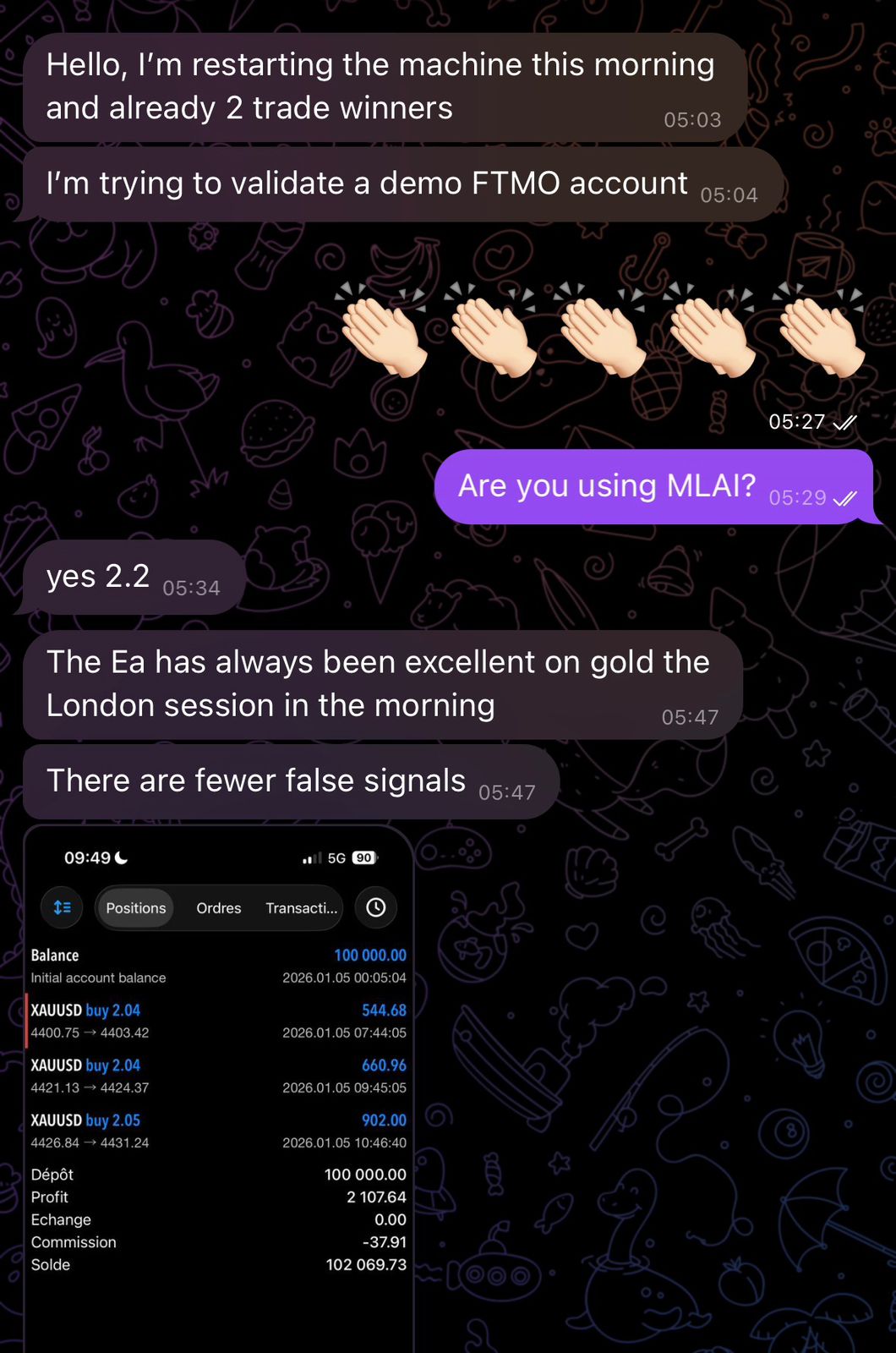 Figure 1: London session execution capture: Volatility filtering successfully eliminates false breakout signals during opening European liquidity surges.
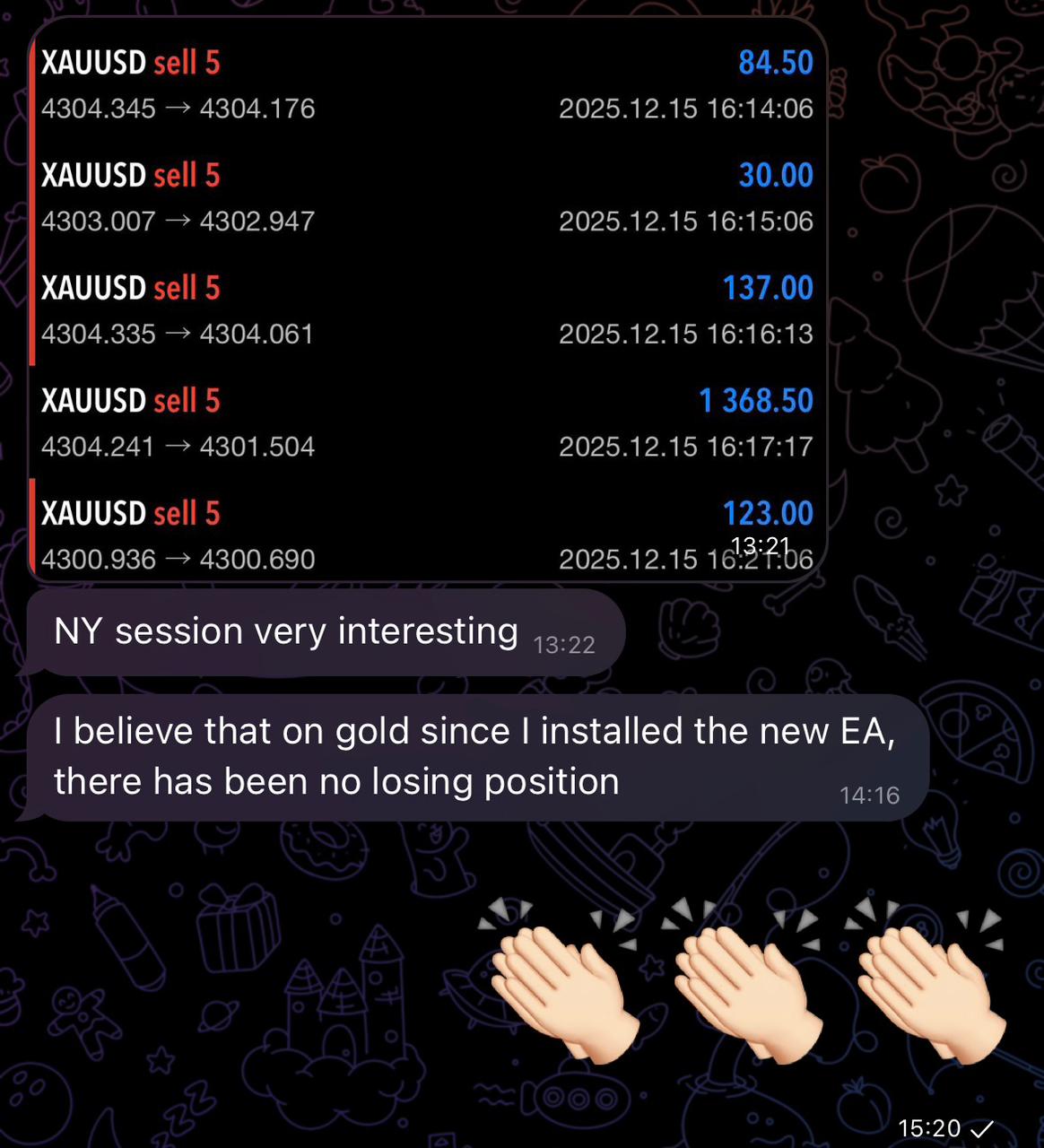 Figure 2: New York session trade execution under high liquidity conditions with active trailing equity locks protecting capital.
Upgrade Your Gold Trading with the Ratio X Trader's Toolbox
Stop bot-hopping, stop blowing up accounts during surprise market news, and stop betting your trading capital on rigid single-logic robots. Give your MetaTrader 5 terminal the institutional power of a complete 17-EA specialist suite engineered to master changing market regimes.
The Ratio X Trader's Toolbox gives you lifetime access to all 17 automated Expert Advisors, the proprietary Ratio X Trend Watcher regime indicator, detailed step-by-step PDF installation and configuration manuals, and free lifetime updates to all included systems—with absolutely no ongoing monthly subscription charges.
Furthermore, 10% of all software proceeds are directly donated to children's care institutions in Brazil, ensuring that your trading journey also supports meaningful real-world impact.
Your investment is completely protected by our ironclad 7-Day Unconditional Money-Back Guarantee. Download the complete software suite, attach the systems to your MetaTrader 5 demo accounts, test the gold volatility filters during major market releases, and verify the performance yourself. If the software does not exceed your expectations in every way, simply send an email within seven days for a prompt, 100% full refund.
Get The Ratio X Trader's Toolbox Now — Lifetime License
Special MQL5 Community Promotion: Enter coupon code MQLFRIEND20 at checkout to claim an exclusive 20% discount on your software license. Please note that this discount coupon is strictly capped at 10 redemptions per month.
Risk Disclosure: Trading foreign exchange, precious metals, and financial contracts for difference (CFDs) carries a substantial level of risk and may not be suitable for all investors. Algorithmic software tools, Expert Advisors, and indicators developed by Ratio X Trade provide systematic analytical assistance and do not constitute financial advice or guarantees of profitability. Always exercise disciplined risk management and thoroughly evaluate all automated strategies in a MetaTrader 5 demo environment before committing real capital.