Aleksey Ivanov / Profil
- Information
|
8+ Jahre
Erfahrung
|
32
Produkte
|
146
Demoversionen
|
|
0
Jobs
|
0
Signale
|
0
Abonnenten
|
------------------------------------------------------------------------------------------
💰 Präsentierte Produkte:
1) 🏆 Indikatoren mit optimaler Filterung von Marktgeräuschen (zur Auswahl von Öffnungs- und Schlusspositionen).
2) 🏆 Statistische Indikatoren (zur Bestimmung des globalen Trends).
3) 🏆 Marktforschungsindikatoren (um die Mikrostruktur der Preise zu klären, Kanäle aufzubauen, Unterschiede zwischen Trendumkehrungen und Pullbacks zu identifizieren).
------------------------------------------------------------------------------------------
☛ Weitere Informationen im Blog https://www.mql5.com/en/blogs/post/741637
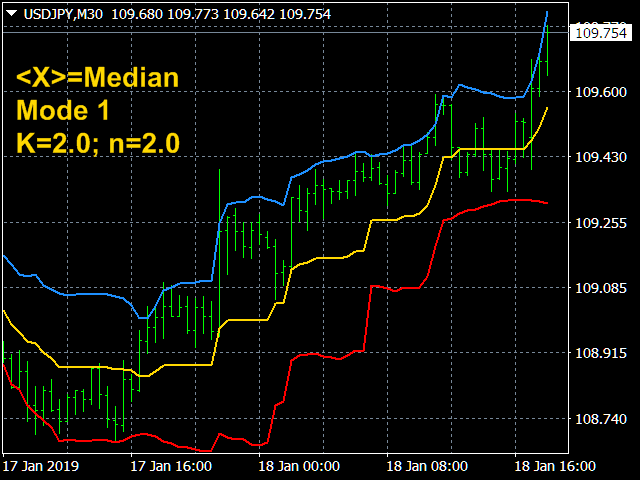
Der Channel Builder (CB) oder Ivanov-Bands-Indikator ist eine weitgehende Verallgemeinerung des Bollinger-Bands-Indikators . Erstens wird bei CB die Mittellinie <X> mit Hilfe verschiedener Mittelungsalgorithmen berechnet. Zweitens werden die durch Kolmogorov-Mittelung berechneten Mittelwertabweichungen auf beiden Seiten der Mittellinie <X> aufgetragen. Die Mittellinie <X> kann neben den Standard-Mittelungsalgorithmen SMA, EMA, SMMA und LWMA auch Median = (Max + Min) / 2
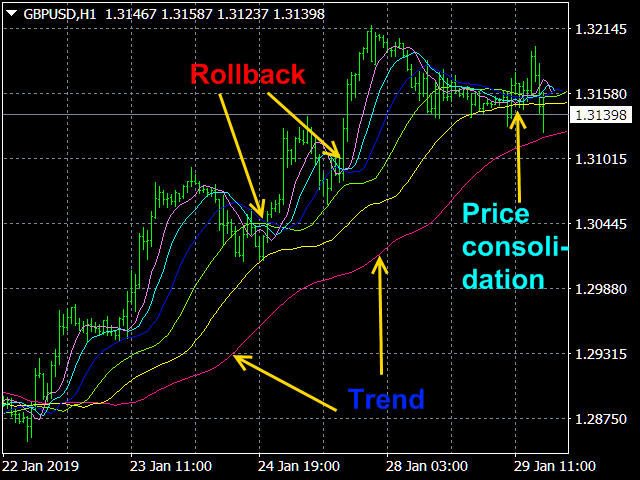
The “Alligator Analysis” (AA) indicator allows you to build various (by averaging types and by scales) “Alligators” and their combinations, i.e. allows you to analyze the state of the market based on the correlation of this state with a whole range of different "Alligators". The classic "Alligator" by Bill Williams is based on moving averages and Fibonacci numbers, which makes it one of the best indicators now. The classic "Alligator" is based on Fibonacci numbers and is a combination of three smoothed moving averages (SМMA) with periods 5, 8 and 13, which are part of the Fibonacci sequence. In this case, the moving averages are shifted forwards by 3, 5, and 8 bars, respectively, which are numbers from the same sequence (preceding the corresponding period values).
Alligators from the AA indicator is based, on the same principle as the classic “Alligator”, but on different parts of a number of Fibonacci numbers, as well as on different moving average averaging algorithms.
The indicator AA uses 6 types of averaging, where the classical averaging SMA, EMA, SMMA, LMA are supplemented by averaging the moving average by the median and averaging weighted by volume.
Line shifts can be removed. The colors of the AA indicator lines are set according to the type of color spectrum: from violet for a small smoothing period to red - for the largest period.
Beschreibung des Indikators. Der Indikator " Alligator-Analyse " ( AA ) ermöglicht es Ihnen, verschiedene " Alligatoren " und deren Kombinationen zu bilden (nach Durchschnittsarten und Skalen), d.h. Sie können den Zustand des Marktes auf der Grundlage der Korrelation dieses Zustandes mit einer ganzen Reihe von verschiedenen "Alligatoren " analysieren.Der klassische "Alligator " von Bill Williams basiert auf gleitenden Durchschnitten und Fibonacci-Zahlen, was ihn derzeit zu einem der besten
There is a little more order in the stock market than in the foreign exchange market. Here you can rely on fundamental data on the economic condition (financial statements, etc.) of the companies that issue the respective shares. But here, in our time, when the global crisis is approaching, the data provided by even reputable experts can be unreliable. However, the indicators I provide are better applied to the stock market, which is more orderly.
(Modern profitable indicators https://www.mql5.com/en/blogs/post/741637 )
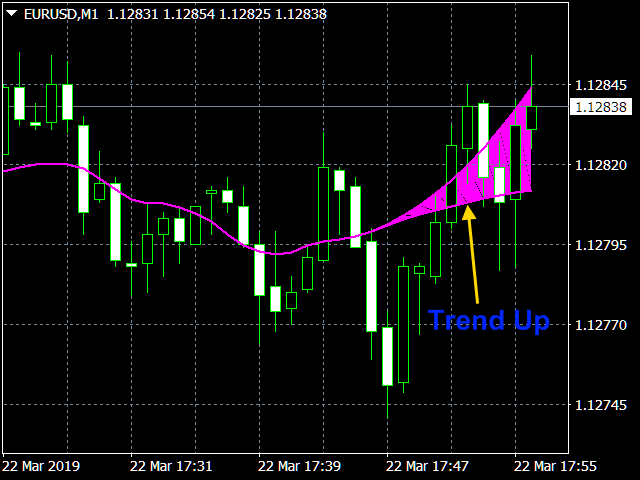
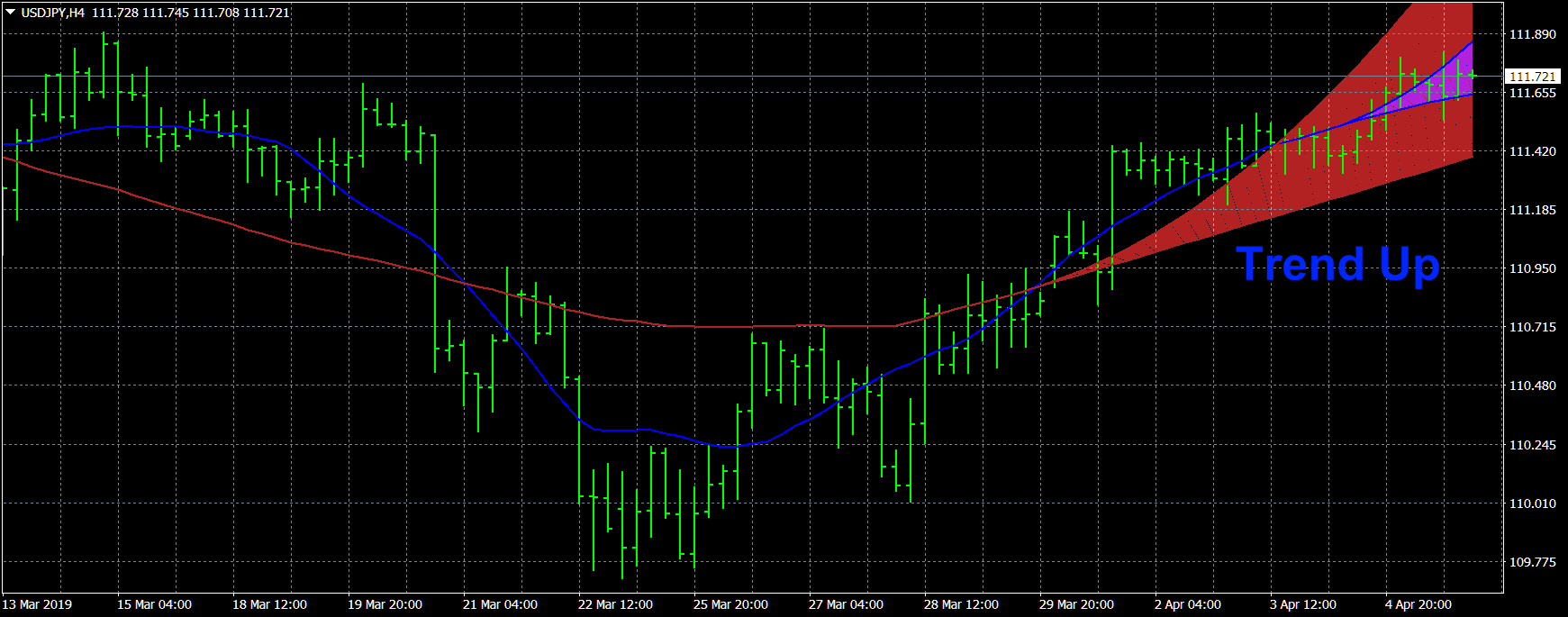
A simple moving average (SMA) with an averaging period (2n + 1) of bars is always obtained lagging by n bars. If SMA or other types of moving averages are the basis for making trading decisions, then their strong delay does not allow to open positions in time and close positions, which leads to losses.
The Estimation moving average without lag indicator calculates an estimate of a non-lagging moving average and displays the corresponding confidence interval.
✔️The algorithms of this indicator are unique and developed by their author
Author Aleksey Ivanov https://www.mql5.com/en/users/60000382
Iterative Moving Average – IMA. IMA is obtained by correcting the usual MA. The correction consists in addition to MA averaged difference between the time series (X) and its MA, i.e. IMA(X)=MA(X) + MA (Х-MA(X)). Correction is done in several iterations (and, exactly, 2 iterations in this indicator) and with a change in the averaging period.
As a result, the time-series points begin to cluster around (on all sides) of the getting IMA and with a smaller delay than around the usual MA. Therefore, IMA is a more effective tool for manual and automatic trading than all types of conventional MA (SMA, EMA, SSMA, LMA).
✔️The algorithms of this indicator are unique and developed by their author
Iterativer gleitender Durchschnitt - IMA: Der IMA wird durch Korrektur des üblichen MA ermittelt. Die Korrektur besteht zusätzlich zum MA aus der gemittelten Differenz zwischen der Zeitreihe (X) und ihrem MA, d.h. IMA (X)=MA(X) + MA (Х -MA (X)). Die Korrektur erfolgt in mehreren Iterationen (bei diesem Indikator sind es genau 2 Iterationen) und mit einer Änderung des Mittelungszeitraums. Infolgedessen beginnen sich die Zeitreihenpunkte (auf allen Seiten) um den sich ergebenden IMA zu
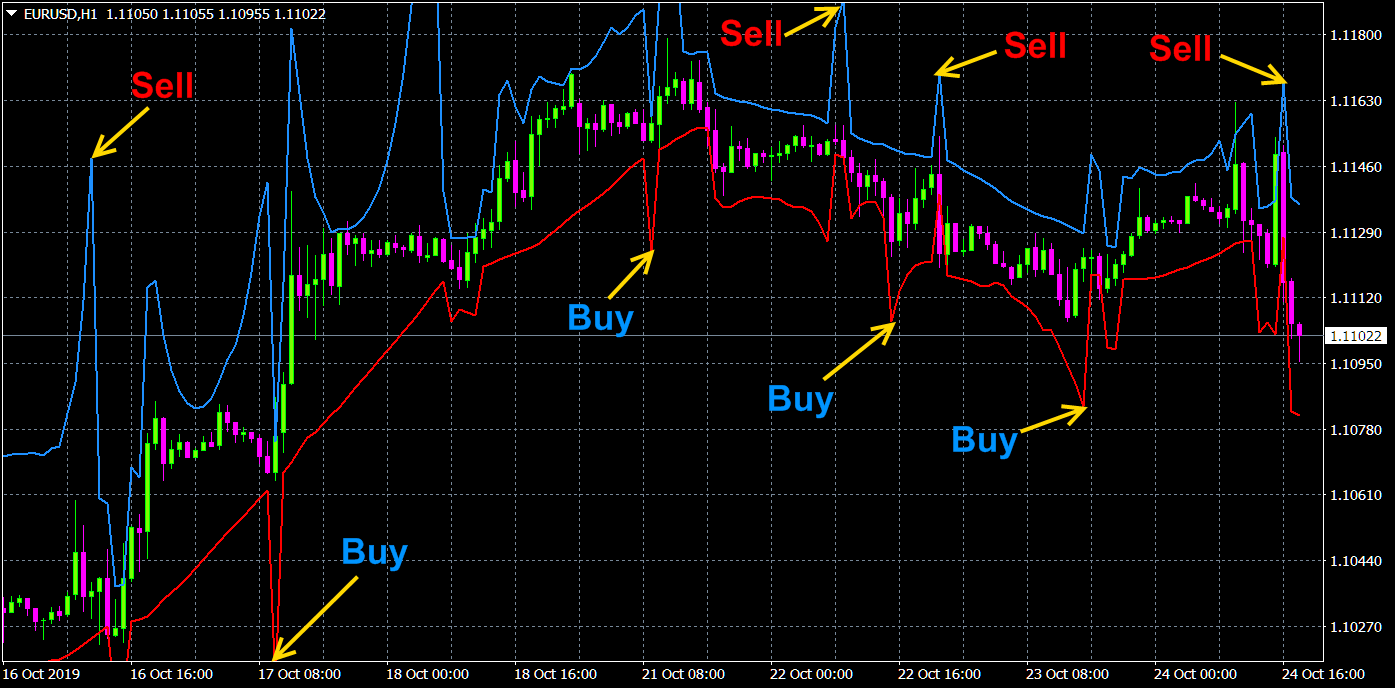
Signal Bands is a sensitive and convenient indicator, which performs deep statistical processing of information. It allows to see on one chart (1) the price trend, (2) the clear price channel and (3) latent signs of trend change. The indicator can be used on charts of any periods, but it is especially useful for scalping due to its high sensitivity to the current market state.
✔️The indicator has all types of alerts.
✔️The indicator does not redraw.
✔️The algorithms of this indicator are unique and developed by their author
Signal Bands ist ein sensibler und praktischer Indikator, der eine tiefgehende statistische Verarbeitung von Informationen durchführt. Er ermöglicht es, auf einem Diagramm (1) den Preistrend, (2) den klaren Preiskanal und (3) latente Anzeichen einer Trendänderung zu erkennen. Der Indikator kann auf Charts beliebiger Perioden verwendet werden, ist aber aufgrund seiner hohen Empfindlichkeit gegenüber dem aktuellen Marktzustand besonders nützlich für das Scalping. Die Funktionen des Indikators
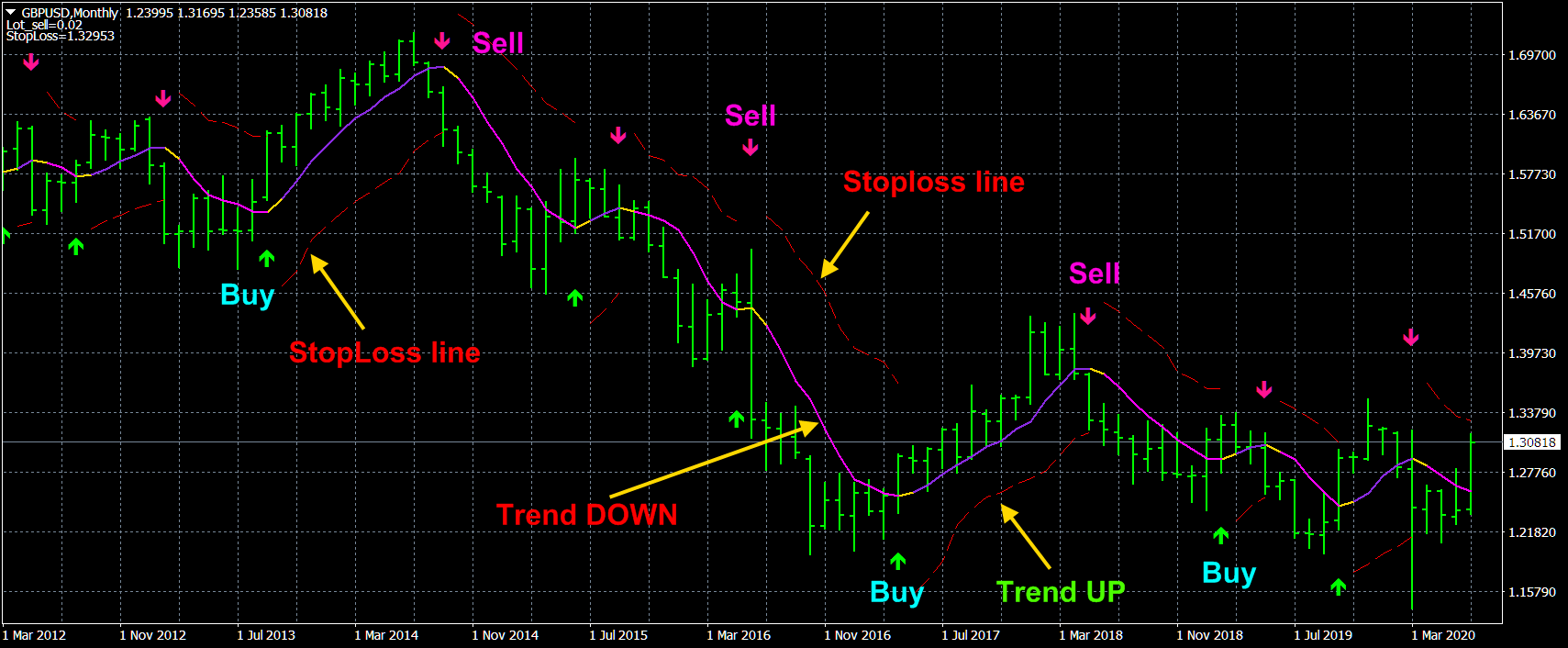
The Robust filter indicator is based on the robust filtering algorithm developed by the author using the multi-period averaged moving median.
The indicator calculates and shows:
✔️1. The direction of the trend;
✔️2. Entry and exit points of positions;
✔️3. StopLoss lines calculated from current price probability distributions and selected probability of closing an order by StopLoss before the trend reversal;
✔️4. Lot sizes based on the accepted risk level, deposit size and StopLoss position.
============================================================
✔️The indicator has all kinds of alerts.
✔️The indicator does not redraw.
✔️The indicator can be used both for trading scalper strategies and for long-term trading strategies.
Der Robust-Filter-Indikator basiert auf dem vom Autor entwickelten robusten Filteralgorithmus, der den gleitenden Median mit mehreren Perioden als Mittelwert verwendet. Der Algorithmus für diese Mittelwertbildung ist im letzten Screenshot dargestellt . Der Indikator errechnet und zeigt an: 1. Die Richtung des Trends; 2. die Einstiegs- und Ausstiegspunkte der Positionen; 3. die StopLoss-Linien , die aus den aktuellen Preiswahrscheinlichkeitsverteilungen und der gewählten Wahrscheinlichkeit
Indicator is used for:
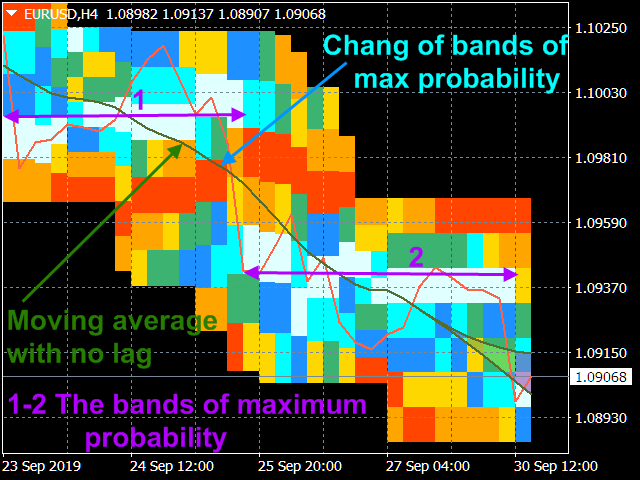
1. defining price probability distributions. This allows for a detailed representation of the channel and its borders and forecast the probability of a price appearing at each segment of its fluctuations;
2. defining the channel change moment.
✔️The algorithms of this indicator are unique and developed by their author
✔️ It has built-in management
Der PDP-Indikator wird verwendet für: Definition von Preiswahrscheinlichkeitsverteilungen. Dies ermöglicht eine detaillierte Darstellung des Kanals und seiner Grenzen sowie die Vorhersage der Wahrscheinlichkeit des Auftretens eines Preises in jedem Segment seiner Schwankungen; die Bestimmung des Zeitpunkts des Kanalwechsels. Funktionsprinzipien und Merkmale PDP analysiert einen Kursverlauf auf niedrigeren Zeitskalen und berechnet eine Preiswahrscheinlichkeitsverteilung auf höheren Zeitskalen
✔️ One of my most profitable indicators with optimal filtering.
✔️The algorithms of this indicator are unique and developed by their author
✔️The indicator has all kinds of alerts.
✔️ The indicator does not redraw.
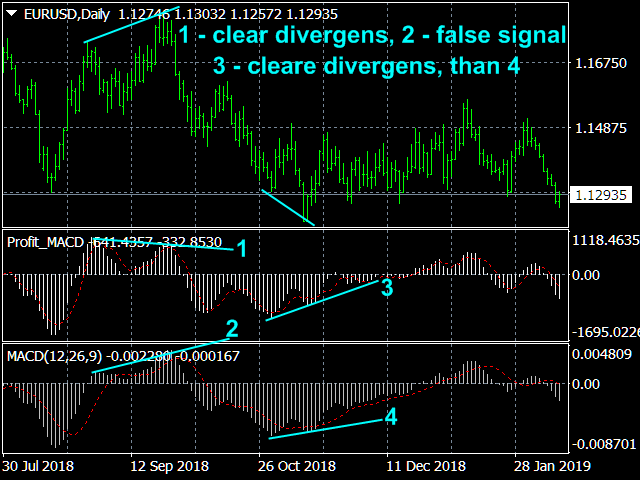
Ich stelle einen Indikator für Profis vor. Prof MACD ist dem klassischen MACD im Aussehen und in seinen Funktionen sehr ähnlich . Prof MACD basiert jedoch auf völlig neuen Algorithmen (z.B. hat er nur eine Mittelungsperiode) und ist robuster, vor allem bei kleinen Zeitrahmen, da er zufällige Kursverläufe filtert. Der klassische MACD-Indikator (Moving Average Convergence / Divergence) ist ein sehr guter Indikator, der dem Trend folgt und auf dem Verhältnis zwischen zwei gleitenden
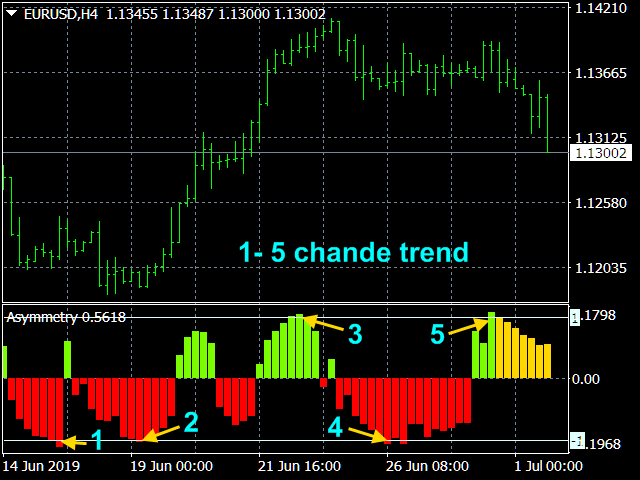
The Asummetry indicator allows you to predict the beginning of a change in the direction of trends, long before their visual appearance on the price chart.
✔️The algorithms of this indicator are unique and developed by their author
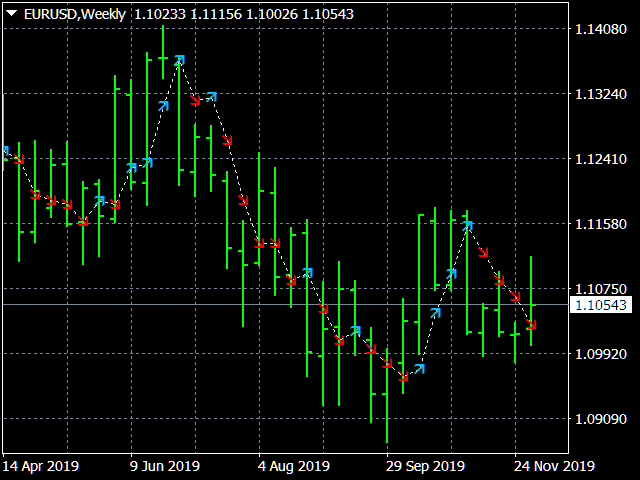
Das Prinzip des Indikators. Der Asummetrie-Indikator ermöglicht es Ihnen, den Beginn einer Trendwende vorherzusagen, lange bevor diese auf dem Kursdiagramm sichtbar wird. Der Autor hat statistisch nachgewiesen, dass vor dem Wechsel der Trendrichtung die Wahrscheinlichkeitsverteilungsfunktion des Preises so asymmetrisch wie möglich gestaltet wird. Genauer gesagt, die Preisbewegung in eine beliebige Richtung zieht die Funktion ihrer Verteilung immer seitwärts, aber wenn die Wurzel dritten Grades
The Strong Trend Flat Signal indicator is the intersection of two, developed by the author, non-lagging moving averages with averaging periods 21 and 63.
✔️The algorithms of this indicator are unique and developed by their author
Author Aleksey Ivanov https://www.mql5.com/en/users/60000382
Das Prinzip des Indikators. Der Indikator Strong Trend Flat Signal (STFS) ist die Schnittmenge zweier vom Autor entwickelter, nicht nachlaufender gleitender Durchschnitte mit den Mittelungsperioden 21 und 63. Ein einfacher gleitender Durchschnitt (SMA) mit einer Mittelungsperiode von (2n + 1) Balken wird immer mit einer Verzögerung von n Balken berechnet. Wenn SMA oder andere Arten von gleitenden Durchschnitten die Grundlage für Handelsentscheidungen bilden, dann erlaubt ihre starke Verzögerung
Indicator is used for:
1. defining price probability distributions. This allows for a detailed representation of the channel and its borders and forecast the probability of a price appearing at each segment of its fluctuations;
2. defining the channel change moment.
✔️The algorithms of this indicator are unique and developed by their author