 MetaTrader 5
 专家
专家
 指标
指标
 程序库
程序库
 实用工具
实用工具
 窗口小部件
窗口小部件
 规则
规则
适用于MetaTrader 5的技术指标 - 63
 技术指标的信号外汇和股票市场的开仓交易和平仓交易起着至关重要的作用。指标的本质就是一种交易品种的数学转换,旨在预测未来的价格变化。
测试技术指标可以更有利于预测市场行为并从中获利。
技术指标的信号外汇和股票市场的开仓交易和平仓交易起着至关重要的作用。指标的本质就是一种交易品种的数学转换,旨在预测未来的价格变化。
测试技术指标可以更有利于预测市场行为并从中获利。 
The Haos oscillator coded for the MT5!
This oscillator allows to verify overbought / oversold regions in two periods (14 and 96, for example), making it possible to anticipate a reversal. Possibility to activate an audible alert when it reaches a defined level. Possibility to choose the alert sound by placing a .wav song in each asset or timeframe. (save a .wav file to the MQL5 \ Files folder) Possibility to activate / deactivate histogram and levels to make the screen cleaner. Customizable col
Having trouble marking where the various forex sessions start and end? Or perhaps your strategy requires you trade only in a specific session, then this is for you.
The session indicator shades the session you require in a certain color so that you can identify it easily. The sessions shown include: London session, New York session, Asian Session, Asian - London overlap and London - New York Overlap.
Difference source give varying time ranges for the various session, mostly differing by not m
FREE

UT Bot Apex — NON-REPAINT signals with a smart news filter, FVG confluence, TP/SL zones and an M1–H1 multi-timeframe scanner.
Most indicators hand you an arrow and leave you on your own. You don't know where to put the stop, which signals are worth taking, or whether what you see now will still be there tomorrow.
UT Bot Apex takes the UT Bot engine (ATR trailing stop) and adds what's missing: every flip confirms AT BAR CLOSE, every signal carries a measured quality score, and the chart shows

ApexForge Price Ray Marker
ApexForge Price Ray Marker 是一款專為價格結構分析設計的高效率 MT5 標記工具。
只需按住 Shift 或 Ctrl 並點擊 K 棒,即可快速建立高點或低點的水平射線與價格標籤,大幅提升分析效率,免去手動畫線的繁瑣流程。
本指標專為價格行為(Price Action)、支撐壓力分析、流動性區域與結構交易而設計,適合日內交易、波段交易及多時間框架分析。
功能特色
Shift + 左鍵:快速標記 K 棒高點
Ctrl + 左鍵:快速標記 K 棒低點
再次點擊同一根 K 棒即可移除標記
自動建立水平射線
顯示右側價格標籤
Delete 一鍵清除所有標記
可自由設定:
線條顏色
線條粗細
線條樣式
價格標籤顏色
價格標籤大小
適合對象
Price Action 交易者
ICT / Smart Money Concepts
支撐壓力交易
Breakout / Fake Breakout 分析
Liquidity Trading
多時間框架分析
ApexForge
FREE

Certainly! Here's the revised Chinese translation including the information about the indicator not repainting its signals and being resistant to market noise:
介绍 Volatility Doctor RSI,这是一款基于可信赖的RSI指标构建的突破性工具,旨在提升您的交易体验。
我们的指标不仅提供实时的RSI读数,还准确预测了未来10步内RSI读数的位置,适用于您选择的任何时间框架和任何偏好的交易符号。此外,我们强调指标不会重新绘制其信号,确保您获得可靠的交易指导,同时对市场噪音具有很强的抵抗力。
自适应智能:这个智能工具学习并动态调整,无缝融入您独特的交易策略,增强您的决策过程。
立即使用 Volatility Doctor RSI 提升您的交易。
祝您和平、繁荣和交易盈利。
Volatility Doctor.
FREE

趨勢預言 (Trend Oracle) & ZeroMax 系統:革命性的脈衝行情預測演算法
您是否夢想在價格強勁爆發前搶先一步,而不是追逐即將離去的列車?
隆重推出趨勢預言 (Trend Oracle),這是一款高度精準的動量預測指標,整合於專業的 ZeroMax 交易系統中。這款新一代工具專為交易高波動性金融工具(尤其是黃金 (XAUUSD))時需要絕對清晰的交易者而設計。
趨勢預言 (Trend Oracle) 的秘密是什麼?
趨勢預言 (Trend Oracle) 的主要獨特之處在於它能夠辨識隱藏的累積盤整階段。當演算法將市場數據壓縮到單一的收斂點時,它預示著即將發生巨大的能量爆發。
您將在脈衝形態的零點收到入場訊號-最小的停損和最大的獲利潛力!
ZeroMax 三重奏:三大指標的協同作用
ZeroMax 不僅僅是一個獨立的訊號;它是一個完整、自給自足的生態系統。三個指標完美協同運作,徹底消除人為誤差和市場噪音。即使完全關閉K線圖,您也能精準預測價格的走勢!
趨勢預言者(主入場觸發指標):
作用:動量出現前的入場點。
機制:記錄波動

**江恩九方图 2 — 高级价格与时间预测工具**
九方图是 W.D. 江恩最强大的预测工具之一。本指标是 MetaTrader 5 的第二代完整实现, 完全依据帕特里克·米库拉的书籍方法构建。新增:交互式工具栏、交易信号面板、 江恩星形图、通道区域、角度统计、平均区域叠加和 12 语言界面。
从单一锚定价格出发,投射落在基本十字(0、90、180、270 度)与对角十字 (45、135、225、315 度)上的支撑与阻力。还预测时间(可能转折的 K 线), 衡量市场最尊重哪些角度。当价格位与江恩时间计数重合时,触发"价格-时间共振"警报。
纯分析预测工具,不下单。无 DLL,无网络。适用于任何品种与周期。
**功能列表** - 价格水平:基本十字与对角十字,多圈投影,自动缩放 - 信号面板(书本方法):买入/卖出设置,三级汇聚评分,价格-时间共振警报 - 江恩星形图:四条射线,阴影区域,信号角度金色高亮 - 江恩通道:最近 0 水平之间的填充区域 - 11 按钮工具栏,状态自动保存 - 角度统计:每个角度的历史尊重率 - 平均区域:当前圈、全部水平、最优角度 - 时间预测

Volumetric Order Blocks + Market Structure Smart Money order block detection, volume-weighted confirmation, full BOS/CHoCH market structure.
Version 1.33: Added Fair Value Gaps, Premium/Discount/Equilibrium zones, multi-timeframe highs & lows, and Accumulation/Distribution zones. Overview Rudy Bank finds and draws institutional order blocks directly on your chart, then backs every one of them up with real market data: volume, internal buy/sell activity, and precise market-structure context, so
Range Pullback Limits – Smart Buy/Sell Zone Indicator for MT5 Range Pullback Limits is a professional MT5 indicator that automatically marks potential Buy Limit and Sell Limit levels during ranging markets. It helps traders identify high-probability pullback zones and avoid trading when the market is trending strongly. *Note: Combine this indicator to filter entry points - https://www.mql5.com/en/market/product/149443 Key Features Works on Forex, Gold (XAUUSD), Crypto, Indices, Stocks Detects r
FREE

实时知道波动率是否足够交易——不重绘,适用于任何品种。
任何品种,任何周期。线条在K线收盘时锁定。
可在策略测试器中免费试用。
>> Get more free and premium indicators here
Baseline, volatility, oscillators and more.
No repainting. No guessing. Just clean signals.
问题
您的入场点可能是对的,但行情仍然没有进展。市场平静时,价格漂移,噪音触及止损,目标迟迟不到。
在平静市场中交易的每一根K线,都是用很小的波动占用您的风险。
解决方案
您一眼就能看出市场是否有足够的波动,值得投入时间。一条线,两种颜色:绿色表示可以行动,灰色表示等待。在寻找入场点之前,您先得到一个清晰的“是”或“否”。
为什么选择 YANG-ZHANG
Yang-Zhang 是一种波动率估计方法,使用开盘价、最高价、最低价和收盘价,并考虑相邻K线之间的跳空。只用收盘价的方法会忽略一部分波动。Yang-Zhang 把它计算在内。

本指标基于移动平均线指标。它可帮助用户识别何处进行买入、卖出。当新信号出现时,它可发出提示和声音。它还具有发送邮件功能。您的邮件地址和 SMTP 服务器设置应该在 MetaTrader 5 的 "邮箱" 标栏里的设置窗口里指定。 蓝色向上箭头 = 买。 红色向下箭头 = 卖。 Line = 尾随终止。 您可以使用一款我的移动止损产品,来自动移动止损,并包括设置盈亏平衡。 ROMAN5 分形尾随终止 ROMAN5 抛物线SAR 尾随终止 ROMAN5 布林带尾随终止 ROMAN5 HeikenAshi 尾随终止 ROMAN5 均线尾随终止 ROMAN5 高级尾随停止
FREE

You may find this indicator helpfull if you are following a session based strategy. The bars are colored according to the sessions. Everything is customisable.
Settings: + Asia Session: zime, color, high, low + London Session: zime, color, high, low + US Session: zime, color, high, low
Please feel free to comment if you wish a feature and/or give a review. Thanks.
FREE

# Statistic Titan — Lịch Sử Giao Dịch Của Bạn, Được Biến Thành Huyền Thoại
**Lịch trình hiệu suất hàng tháng hiển thị ngay trên biểu đồ của bạn — không cần bảng tính, không cần ứng dụng bên thứ ba, không cần xuất dữ liệu.**
Hầu hết các nhà giao dịch theo dõi kết quả trong một mớ hỗn độn các báo cáo của nhà môi giới, sổ tay và các tab Excel, những thứ nhanh chóng trở nên lỗi thời ngay khi một giao dịch mới kết thúc. Statistic Titan thay thế tất cả những điều đó chỉ bằng một cái nhìn: toàn bộ
FREE

Multi-Symbol Correlation and Exposure Dashboard
TAGLINE
Avoid stacking the same risk without realizing it.
PRODUCT OVERVIEW
CorrelationGuard Navigator MT5 is a correlation and exposure-awareness indicator for MetaTrader 5. It is designed to help traders monitor how closely the current chart symbol is moving relative to a custom watchlist of other symbols.
Instead of using the indicator to find an entry directly, the trader uses it to manage risk concentration and avoid duplicate exposure.
FREE

Product Description Clean, Smart Sessions is a professional trading sessions indicator designed to provide traders with a clear, accurate, and clutter-free view of the active market sessions directly on the chart. The indicator dynamically detects and displays the active trading session (Asian, London, and New York) in real time, drawing a clean session box that continuously updates to reflect the session’s true high and low. When sessions overlap, each active session is handled independently
FREE

本指标绘制 力度指数(Force Index) —— 即每根 K 线的价格变动乘以其成交量 —— 并将其置于自适应的标准差通道之中。价格本身只能告诉您市场移动了,而力度指数告诉您推动这次移动付出了多大的力气。 成交量稀薄下的大幅价格变动,与成交量沉重下的小幅变动,是截然不同的两件事,即便 K 线看起来相似。力度指数把两者合并为一个数值来加以区分,而通道则将这个数值放入该品种自身近期表现的背景中。 工作原理 对每根 K 线而言,原始力度指数等于当前收盘价与前一根收盘价之差,再乘以该 K 线的成交量。收盘走高时为正值,走低时为负值,其大小则随成交量而缩放。默认使用 Tick 成交量;当经纪商提供真实成交量时会自动采用。 随后,该原始序列会按您选择的周期与均线算法进行平滑处理。平滑在这里十分关键:未经平滑的力度指数噪声极大,而您所选的周期决定了您观察的是短期力度,还是一段长得多的波动。 接着在平滑后的序列上计算 20 周期基准线及其标准差,上下通道按所选的标准差倍数绘制。由于通道由序列自身的变动性构建,因此在力度变得不稳定时扩张,在其趋于平稳时收缩。 通道为何重要 力度指数随成交量缩放,因此
FREE

Wormhole 时间框架指标对于 MetaTrader 5 (MT5) 不仅仅是另一个交易工具——它是您在金融市场中的竞争优势。它专为初学者和专业交易者设计,Wormhole 改变了您分析数据和做出决策的方式,确保您始终领先一步。 为什么您需要(免费)Wormhole 指标 超越竞争对手: 能够在同一图表上同时查看两个时间框架意味着您总是领先一步。再也不用在图表之间切换,一切所需尽在眼前。 解锁隐藏的机会: 通过改变传统的时间框架,发现其他交易者忽略的模式,将 5 分钟图表的边界从 00:00 到 00:05 调整为 00:01 到 00:06。这些微小的变化可能揭示独特的市场动态。 获得可操作的洞察: 使用精确的工具检测趋势、反转和支撑/阻力水平,Wormhole 为您提供信心,使您能够做出明智的交易决策。 经过验证的创新 Wormhole 并非凭空猜测,而是先进研究的成果: 使用机器学习分析市场低效性。 识别零售交易群体,揭示隐藏的市场动态。 这些见解推动了该指标的开发,体现了专业级策略。 Wormhole 如何赋能您 更快的决策: 实时数据使您领先市场动态。 终极多样性: 无论
FREE

This MetaTrader 5 indicator identifies and visually displays the trading hours of major financial markets (Europe, US, and Asia) on the chart. Through customizable colored fills, it marks the trading periods of each market, respecting server times (GMT+2) and excluding weekends. Market names are displayed near the top of the chart in Arial Black font, also with customizable color. The indicator automatically adjusts to the chart scale, maintaining the fill across its entire vertical range.
FREE

Stochastic + RSI Multi-Timeframe Dashboard with Momentum Strength Need Trade Assistant? Trade Panel Pro MT 5
Please leave a review, if you like this.
OVERVIEW A professional multi-timeframe dashboard indicator that displays Stochastic Oscillator and RSI (Relative Strength Index) values from 7 different timeframes simultaneously on a single compact panel. Perfect for scalpers and day traders who need quick m
FREE

A powerful yet lightweight indicator designed to automatically detect market conditions — whether the market is in an Uptrend, Downtrend, or Sideways phase — using a refined Bollinger Bands-based algorithm . This tool helps traders eliminate guesswork and trade with clarity, especially in fast-moving markets like XAUUSD on lower timeframes . ️ Core Features Automatic Trend Detection Detects Uptrend when price breaks above the Upper Bollinger Band Detects Downtrend when price breaks below the
FREE

Stochastic Signal Pro MTF – L'Indicateur Ultime pour des Signaux Précis et Multi-Timeframes ! Pourquoi Choisir Stochastic Signal Pro MTF ? Stochastic Signal Pro MTF est un indicateur professionnel et innovant conçu pour les traders qui recherchent des signaux fiables basés sur l'indicateur Stochastique, validés sur plusieurs timeframes . Que vous soyez un scalper, day trader ou swing trader , cet outil vous offre une analyse complète et visuelle pour prendre des décisions éclairées.
FREE

我创建了 Forex Bat Harmonic Dashboard ,因为手动在多个货币对和时间框架中寻找精确的 Bat 形态需要花费数小时——而且我仍然不断错过交易机会。 这是一款专业级多品种、多时间框架扫描器,使用严格的斐波那契比率验证,自动检测您整个观察列表中的 Bat 谐波形态 ,包括定义真正 Bat 的关键 XAD 88.6% 回撤 。它在后台持续运行,将每个确认的形态显示在一个干净、整齐的仪表板中。 每个信号都在已收盘的K线上得到确认,并具有适当的右侧确认(默认 PivotRight = 5)。一旦 Bat 形态出现在仪表板上,它将永远不会消失或改变。 什么让 Bat 形态如此独特? Bat 形态 由 Scott Carney 发现,是一种 5 点 XABCD 谐波结构,其中 D 点精确回撤 XA 的 88.6% ——比 Gartley 的 78.6% 更深。这种更深的回撤让您获得更接近反转区域的优质入场点,同时保持 X 点以外的紧密止损。 看涨 Bat — 形态:X 高点 → A 低点 → B 高点 → C 低点 → D(XA 88.6% 回撤)。

Az Speedometer measures price impulse quality — not just candle size, but whether that move is backed by real momentum, volume, and direction. A single glance tells you if the current bar is a meaningful push or just noise. "A green bar alone means nothing. Az Speedometer shows you green bars with high volume, a clean candle body, and three consecutive bullish closes — that's a signal worth taking." How it works: Speed ratio : Candle range vs ATR — how fast is price moving relative to its av
FREE

Line Master – Trend Lines & Direction Arrows Line Master is a professional trend indicator for MetaTrader 5. It helps traders identify market direction by combining fast and slow trend lines and generating arrows at trend change points. Features: Slow Trend Line: Represents the overall market trend. Fast Trend Line: Responds quickly to short-term price changes. Color-Coded Lines: Uptrend: DodgerBlue Downtrend: Crimson Trend Arrows: Signals appear when the trend changes. Adjustable Inputs: Fast l
FREE

BarionQuant MACD Color Lite displays a custom four-color MACD histogram that makes momentum shifts easy to read at a glance. DIF and DEF lines are included; divergence detection is reserved for the paid Divergence Pro edition. HOW IT WORKS DIF = Fast EMA(12) minus Slow EMA(26) DEF = Smoothed signal line of DIF Energy = (DIF − DEF) × 2, split into four histogram colors: Above zero, lengthening → red (momentum building) Above zero, shortening → aqua (momentum fading) Below zero, lengthening → gree
FREE

VeloTicker PRO is a professional trading indicator designed to reveal hidden market pressure at key institutional price levels.
At these levels, the market often experiences: - Liquidity concentration - Institutional participation - Price reactions (reversals or breakouts)
The indicator displays two real-time gauges:
BUY Pressure Gauge SELL Pressure Gauge
Each gauge measures the strength of buying and selling activity based on tick volume flow.
This allows traders to instantly iden
FREE

GoldEdge Signal Indicator
Description
Professional signal indicator for XAUUSD (Gold) based on a validated trend-pullback strategy. Draws BUY/SELL arrows on the chart with calculated SL/TP levels, a real-time dashboard, and popup alerts.
Validated edge: PF 1.44 / Sharpe 3.87 / Max DD 3.95% (12-month backtest, real ticks).
What It Does
- BUY/SELL arrows drawn directly on the chart at signal bars
- Entry, SL, and TP horizontal lines for the last signal (visual trade setup)
- Live dashboard sho
FREE

SMART ZONES is an advanced institutional indicator for MetaTrader 5 designed for traders who want to identify real market decision zones with precision and clarity. The indicator automatically plots: Previous day high Previous day low 50% range level POC (Point of Control) based on highest traded volume Main institutional value zones SMART ZONES helps traders identify: liquidity areas institutional defense zones possible reversals true breakouts market balance levels price acceptance and rejecti
FREE
In the world of finance, correlation is a statistical measure of how two securities move in relation to each other. Correlations are used in advanced portfolio management. This indicator measures how different securities move in relation to a reference one, thus making portfolio management easier. [ Installation Guide | Update Guide | Troubleshooting | FAQ | All Products | Get Help ] Avoid concurrent trades in highly correlated instruments Find trading opportunities among highly correlated
FREE

Account Recorder 是一款專為 MT5 交易者設計的帳戶統計與績效分析指標。 它可以直接讀取 MT5 帳戶的歷史交易資料、目前持倉與帳戶資訊,將原本分散在交易歷史、帳戶狀態與成交紀錄中的數據,整理成一個清楚、直觀的統計面板。 無論是手動交易者、EA 使用者,或是需要長期追蹤策略表現的交易者,都可以透過這套工具快速了解: 帳戶到底賺了多少、怎麼賺、虧在哪裡,以及目前正在承受多少風險。 主要功能 帳戶歷史交易統計 即時持倉與浮動盈虧監控 日/週/月/季/年績效統計 依商品、Magic Number、交易備註分類分析 總交易手數與交易次數統計 歷史淨盈虧 入金/出金紀錄 資金報酬率計算 帳戶餘額與淨值 勝率統計 勝/負/持平筆數 平均獲利 平均虧損 真正盈虧比 Profit Factor(獲利因子) 每筆交易期望值 損益兩平所需勝率 最大單筆獲利 最大單筆虧損 目前連勝/連敗 歷史最長連勝/連敗 最短、平均、最長持倉時間 最大浮盈與最大浮虧快照統計 帳戶淨值高點與回撤監控 Equity/Balance 快照記錄 帳戶淨值軌跡 CSV 統計報告輸出 多維度績效分析 指標提供多個統
FREE

The Horse DCA Signal 1.26 – สุดยอดนวัตกรรมอินดิเคเตอร์สำหรับการเทรดทองคำและทุกสินทรัพย์ The Horse DCA Signal คืออินดิเคเตอร์รุ่นล่าสุดจากตระกูล WinWiFi Robot Series ที่ได้รับการออกแบบมาเพื่อยกระดับการเทรดบนแพลตฟอร์ม MT5 โดยเฉพาะ โดยเป็นการผสมผสานอัจฉริยะระหว่างกลยุทธ์ Follow Trend และ Scalping เข้าด้วยกันอย่างลงตัว คุณสมบัติเด่น: ระบบลูกศรแยกประเภทชัดเจน: ลูกศรสีทอง: บ่งบอกสภาวะตลาดช่วง Sideway เหมาะสำหรับการเทรดแบบ Swing Trade หรือ Scalping เก็บกำไรระยะสั้น (2) ลูกศรสีน้ำเงินและสีแดง: บ่งบอกส
FREE

Certainly! Let me introduce you to a powerful tool for MetaTrader 5 (MT5) that can automatically identify and draw support and resistance (S&R) levels on your trading charts. This tool is called the “Support and Resistance Levels Guru” . Support Resistance Levels Guru The Support & Resistance Indicator automatically displays essential S&R levels on your chart. These levels are crucial for technical analysis and are used by many traders. Resistance levels (zones) are shown in R ed , while suppo
FREE
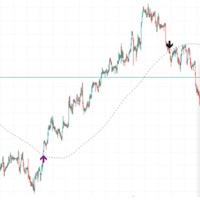
If the price is cutting above the slow length moving average, a breakout may occur. If the price is cutting below, a pullback may occur in the market. This was known for a long time, but there aren't many indicators which signal on the event. Candlestick pattern validation is also used in this indicator so that signals will not be drawn on doji candles or small "uncertainty" candles. The length of the moving average period can be defined by the user (default is 200). The number of price movement
FREE
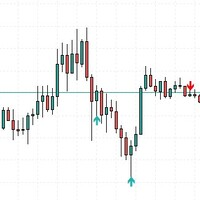
This indicator was creating a perfect structure to not re-paint or recalculate, all signals are accurate. I can create a robotic version of this indicator but I need more precision in the signals. So appreciate this work.
Tips to use when trading, do not buy at the top or sell at the bottom, always buy at the bottom and sell at the top. Risk 1 to 3.
In the settings you can adjust the size of the shadow or trail of the candle, you can change the colors and sizes of the arrows.
FREE
- Chart Time Indicator is very simple and easy, but it can be very important to control the time before opening any manual trade. This indicator shows the time on the chart between 3 different options. Input Parameters: - Show Time : Select all the time options that you want to see. Local Time (Personal Computer Time), Server time (Broker Time) or GMT Time. Recommendations: - Use only one Chart Time Indicator for each Chart.
FREE
Simple SuperTrend indicator, similar to that of TradingView's.
It has buffers for buy and sell signal, if you want to integrate this into an EA.
It helps traders easily identify trends by providing clear buy and sell signals based on price movements. Designed for simplicity, it’s easy to use and integrates well with various trading strategies, making it a great option for traders of all levels.
Happy trading!
FREE

Fair Value Gaps (FVG) and Liquidity Voids are price ranges you can exploit for better entries and exits on your trades. They're similar concepts, so let's look at them from the top and break it down. Think of FVG and Liquidity voids as soft-spots in the market. They are paths of least resistance. That doesn't mean price will go through them, but price could go through them more easily.
To find and locate it is easy but tidiest to repeat the same thing all over again. This helps to boost your t
FREE

Session Visualizer v1.0 This indicator displays the main trading sessions (Asian, London, and New York) directly on the chart. It helps traders understand market activity by visually highlighting session times based on broker time. The indicator automatically detects active sessions and updates in real time. It uses color overlays to differentiate between sessions while maintaining chart visibility. Features include real-time session visualization, adjustable transparency, and support for all s
FREE

Powerful Price Discovery
Features
1. Displays Key Price Levels and Probability.
2. Key Price Levels: Calculated as (Buy + Sell) × (Limit + Stop) = 4 Lines, shown when Probability > 55%.
3. Time Frame Dependency: Each Time-frame has different OHLC prices, affecting Probability calculations.
4. Breakout Condition: If the price breaks the historical Highest or Lowest, Probability may reach 99%.
5. Parameter: PatrolPoints = 8 : The indicator recalculates only when the price moves over PatrolPoint
FREE
The indicator looks for the "Fifth dimension" trade signals and marks them on the chart. A detailed description of the chart patterns that generate the trade signals can be found in Chapter 8 "The Balance Line Trades" in the book Williams' "New Trading Dimensions". Signal levels with indication of the position entry or stop loss placement price are indicated directly on the chart. This feature creates additional convenience for the trader when placing pending orders. A solid horizontal line is d
FREE

EasyADX - Color Trend Histogram & Alerts for MT5 Visual color-coded ADX Trend Histogram with automatic pop-up and push notifications. Instantly spot strong trends and filter out noisy sideways markets. Key Features: 3-Color Visual Histogram: Green for Strong Uptrends, Red for Strong Downtrends, Gray for Flat/Ranging markets. Custom ADX Threshold: Easily adjust the trend filter level (default at 25). Real-Time Alerts: Get Pop-up alerts and Push Notifications on your phone right at the start of a
FREE

Daily Price Ruler Pro - Visual Grid for Daily Open Levels
An essential visual tool that creates a dynamic, customizable "Price Ruler" anchored to the Daily Open price. Perfect for day traders to track pip/point distances from the start of the day at a glance. Full Description: Daily Price Ruler Pro is a lightweight, highly customizable indicator designed for precise price action and distance tracking. It automatically plots a vertical "Ruler Body" ahead of the current price action, with hor
FREE
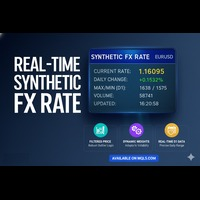
实时合成外汇汇率 (Real-Time Synthetic FX Rate) 实时合成外汇汇率 是一款高级指标,旨在为您的交易商(Broker)提供的任何货币对(包括主要、次要和外汇套利对)计算 稳健的合成汇率估值 。 其目标是提供一个 动态参考值 ,反映 每分钟的价格形成 过程,在官方汇率公布或机构验证之前,提供一个指导性的参考。 工作原理:稳健的混合模型 该指标通过结合三个关键组成部分来生成其合成值,并使用 动态权重 根据 市场波动性 进行自动调整: 成交量加权平均价格 (VWAP): 对成交量最大的价格水平赋予更高的权重,反映了买卖双方的真实市场共识。 截断均值 (Trimmed Mean): 自动排除极端价格或错误报价 ( outliers ,即异常值),确保参考值干净且稳定。 近期平均价格: 使合成汇率与最新的价格行为保持一致,避免过度滞后。 与官方汇率的区别 官方汇率: 通常每天计算一次,基于货币当局清算和验证的银行间交易。它代表一个 历史性 的参考值。 合成外汇汇率: 利用您交易商市场上的 实时数据 ,生成一个 分析性、估算而非官方 的值。 这个合成汇率充当一个 预先参考
FREE

Vertical Time-Lines Auto V1.0F – Market Session Visualizer Overview Vertical Time-Lines Auto is a professional MT5 indicator that automatically draws vertical lines at key market boundaries. No more manual line drawing or guessing when new trading periods begin – just look at your chart and see. What it does Draws three types of vertical lines on your chart Lines are placed behind candles by default for clean visibility Tooltips show exact date and boundary information when hoveri
FREE

>> Announcements Channel << DiverX is a powerful and versatile divergence indicator developed for the MetaTrader 5 platform. It detects both Regular and Hidden Divergences based on five popular technical indicators: RSI (Relative Strength Index) , RVI (Relative Vigor Index) , Stochastic Oscillator, CCI (Commodity Channel Index) , and MACD (Moving Average Convergence Divergence) and ATR Plus (author’s proprietary indicator, product page >> ) . The indicator plots results directly on the main c
FREE

TimeView Pro – 可自定义的本地时间显示指标 (MetaTrader 5) 概述
TimeView Pro 是一款完全可自定义的时间显示指标,可根据用户的电脑时间或所在国家的时间自动调整。与其他类似指标不同,TimeView Pro 提供更高级的自定义功能,让交易者在不影响图表清晰度的情况下精准查看时间。 主要功能 烛台对齐 (默认启用) – 时间标签自动对齐至最近的K线。 快捷显示/隐藏 – 使用 Click Chart + H 快捷键快速开关时间显示。 可调节线条 – 可选择显示或隐藏 水平线 (默认关闭) 和 垂直线 (默认开启)。 自定义外观 – 支持 字体大小、背景颜色 及其他外观调整。 边界保护 – 避免时间标签在图表边缘重叠或被遮挡。 灵活定位 – 可选择 顶部、中间、底部或自定义位置 。 额外信息显示 – 选项包括 服务器时间、本地时间和价格显示 ,用户可自由选择是否开启。 适用场景 适合需要追踪不同时区交易的交易者。 帮助交易者清晰查看市场交易时间。 提供直观、整洁的时间显示,提升图表可读性。 为什么选择 TimeView Pro? 完全可自定义 – 可

Fibo Trend Smart MAXIMUS Ritz Fibo Trend Smart MAXIMUS 1 is an advanced trading indicator that integrates various technical analysis tools into one comprehensive display. This indicator is designed to help traders identify trading opportunities with high accuracy, utilizing a combination of Fibonacci, ZigZag, and price action confirmation. Key Features Smart Fibonacci Retracement 11 Customizable Fibonacci Levels (0%, 23.6%, 38.2%, 50%, 61.8%, 100%, 123.6%, 138.2%, 150%, 161.8%, 200%) Differ

每个交易者都熟悉这套流程:打开指标设置、改一个数字、点击 OK、盯着图表看、觉得不对、再打开设置。DeMarker 是一个安静的超买/超卖指标,大多数交易者从来不去动它——它永远停留在默认的 0.30/0.70,因为每试一个新数值都要来回打开一次对话框。DeMarker Live Tuner 结束了这一切。 这是一个可以 直接在图表上实时调节 的 DeMarker。图表上有一个小面板,带有 DeM 周期和两条水平线(0..1 刻度)的滑块。拖动滑块,指标立刻重新计算并重绘,就在您眼前完成。0.25/0.75 还是 0.35/0.65 比默认值更适合过滤您的市场——几秒钟内就能在自己的图表上得到答案,而不用去论坛里翻帖子。 可选的 MA 信号线。 直接在面板上开启或关闭 DeMarker 的移动平均线,用独立滑块设置其周期,一个按钮循环切换计算方法——SMA、EMA、SMMA、LWMA。每一次改动都会立即反映在图表上。 真正的 DeMarker,而不是套壳。 指标采用自己干净的经典公式实现:DeMax = max(High - 前一根 High, 0),DeMin = max(前一根 L
FREE

Description This is an indicator for MT5 which has enhanced the "Fractals" indicator. "Fractals" indicator is included in MT5 by default but the draw line period is fixed at "5" and it cannot be modified. Thus I have reinvented the Fractals indicator with some useful function added. This tool will be useful especially for those who are learning how to draw good horizontal lines and wants to get some reference. Of course, those who are considering Fractals as an important horizontal line wil
FREE
Session Bias & Trade Signals in one tool. Detects Asia, London & NY session trends, shows bias strength, alerts bias flips, and plots Entry/SL/TP levels with R:R. Simple dashboard for quick decisions. Simple but powerful trading assistant. This indicator automatically detects the market bias during the Asia, London, and New York sessions .
It helps traders stay on the right side of the trend, avoid neutral zones, and catch bias flips with alerts. Bias Detection – Shows session bias as Bullish
FREE

Donchian Toshio — MetaTrader 5 高低点通道指标 Donchian Toshio 根据所选周期内记录的最高价和最低价计算并显示价格通道。 该指标显示三条线: 上轨线: 所选周期内的最高价; 下轨线: 所选周期内的最低价; 中轨线: 上轨与下轨之间的平均值。 该通道可用于辅助分析趋势、盘整、波动性、突破以及动态支撑和阻力区域。 可用参数 Period: 定义计算所使用的K线数量; Show Channel Lines: 用于显示或隐藏通道线。 主要特点 兼容不同的交易品种和图表周期; 随市场的最新变动自动更新; 界面简洁直观; 三个级别清晰可辨; 兼容 MetaTrader 5 策略测试器; 针对回放模式提供专门的视觉处理,同时不会改变普通图表。 Donchian Toshio 是一款技术分析工具。它不会自动执行交易,也不保证任何投资收益。建议在真实账户中使用之前,先对其参数设置进行测试。
FREE
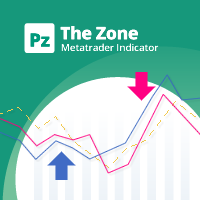
This indicator displays buy or sell signals according to Bill Williams' definition of the Trading Zone. [ Installation Guide | Update Guide | Troubleshooting | FAQ | All Products | Get Help ] Easy to use and understand Avoid trading flat markets Deterministic indicator with clear rules The indicator is non-repainting It implements alerts of all kinds It has straightforward trading implications. A blue arrow is a buy signal A red arrow is a sell signal According to Bill Williams trading in t
FREE

SuperTrend Double Smoothed Overview SuperTrend Double Smoothed is a trend-following indicator for MetaTrader 5 designed to display market direction and dynamic trend levels using a smoothed SuperTrend methodology. The indicator combines a body-based SuperTrend calculation with ATR-based filtering to help reduce sensitivity to short-term market fluctuations. Features • Trend direction visualization • Dynamic trend line display • ATR-based filtering • Trend strength information • Closed-bar calcu
FREE

BrioQuant Position Monitor keeps your floating result where your eyes already are: beside the newest candle at the current price. Show this symbol's positions or the whole account, in cash and as a percentage of balance or equity, with optional entry lines and a per-position label for every open trade on the chart symbol. Features: - Floating readout rides the newest candle at current price height - no corner panel to glance away at - Scope: this symbol or the whole account; swap included or exc
FREE

Check out the detailed blogpost with screenshots: https://www.mql5.com/en/blogs/post/771285
Features All trades in one subwindow — Every open BUY and SELL order gets its own mini candlestick chart, no matter what symbol it belongs to. Smart price scaling — EURUSD and BTCUSD look the same size. The indicator uses ATR normalization so every trade is equally readable. Live candle updates — The latest candle reflects the real-time Bid price, not just the last close. Entry, SL & TP lines — See exact
FREE

Price tells a story, but volume tells the truth. Volume Truth is a visual analysis tool that reads the relationship between price and volume to reveal what institutions are doing behind the move — accumulating, distributing, or stepping aside. It does not just plot volume bars; it interprets them. [b]The four price/volume states[/b] Price up + volume up = institutional accumulation (bullish conviction) Price up + volume down = weak rally, no conviction, prone to reverse Price down + volume up =
FREE
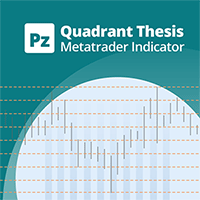
This is a general purpose indicator that displays colored lines at fixed and customizable price intervals, entered as parameters. It offers universal, constant, and familiar price ranges that allow quick and precise price analysis of a currency pair. With default parameters, this indicator implements The Quarters Theory , as described originally by Ilian Yotov . [ Installation Guide | Update Guide | Troubleshooting | FAQ | All Products | Get Help ] Easy to use No optimization needed Custom
FREE

Overview The Sierra Capital Multi‑Timeframe EMA Indicator is a free analytical tool designed for traders who rely on multi‑timeframe trend confirmation. It displays short‑, medium‑, and long‑term Exponential Moving Averages (EMAs) from higher timeframes directly on your current chart. This allows you to evaluate trend strength, momentum alignment, and market structure without switching charts or disrupting your workflow. Key Features Shows EMAs from up to three higher timeframes on a single char
FREE

Add Logo Watermark – Showcase Your Signals with Clarity This indicator allows you to display a clean and customizable watermark on your chart, helping your audience easily identify what symbol you're currently trading. Display the current symbol as a watermark
Add current symbol text and customize its color
Choose to show only the logo, only the symbol, or both
Add your own custom watermark by placing custom.bmp in the MQL5 > Files directory Perfect for signal providers, educators, and
FREE

具有双线信号、多时间框架支持、可自定义视觉信号和可配置警报系统的DIDI指标(3均线比率)。
自由职业编程服务、更新及其他TrueTL产品详见 MQL5主页 。
非常欢迎您的反馈和评价!
什么是DIDI? DIDI是一个比率指标,显示三条不同周期移动平均线(MA)之间的关系:Curta(短期)、Media(中期)和Longa(长期)。指标通过将Curta和Longa均线除以Media均线来计算两条比率线,Media均线作为1.0的参考水平。 DIDI通过显示快速和慢速移动平均线与中期均线的关系,帮助识别趋势强度和潜在反转点。高于1.0的值表明均线在参考线之上(看涨),低于1.0的值表明均线在参考线之下(看跌)。Curta线和Longa线之间的交叉,以及1.0处的水平交叉,通常被用作交易信号。 功能特点: 双线比率指标:Curta(短期/中期比率)和Longa(长期/中期比率) 带有箭头和垂直线的视觉信号标记 三个独立信号缓冲区,可配置触发条件 双线信号检测选项:方向变化、画线交叉、水平交叉、峰值/谷值 每个信号可配置警报功能(电子邮件、推送、声音、弹窗) 带插值方法的多时间框架(
FREE

Logic Trade Solution Indicator (Standalone)
Idea by Suresh Dhuraisami | Code by Rafilathif Description The Logical Trading System (LTS) is a powerful multi-timeframe indicator for MetaTrader 5, designed around the concept of Valid Reversal Zones (VRZ). It generates precise trading signals and delivers comprehensive alerts, ideal for traders who value structured price action and zone-based strategies. Key Features VRZ Zone Detection: Identifies high-probability reversal zones using swing hig
FREE
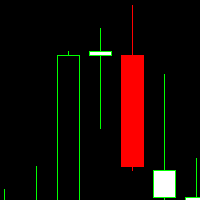
This indicator is a volume indicator it changes the color of the candles according to a certain number of ticks, and this number of ticks can be informed by the user both the number of ticks and the color of the candles, this indicator works in any graphical time or any asset, provided that the asset has a ticker number to be informed.
This indicator seeks to facilitate user viewing when analyzing candles with a certain number of ticks.
FREE

Bullish 3-Candle FVG Sell Indicator is a Smart Money Concepts (SMC) trading indicator designed to identify Bearish Sell Zones created after a Bullish Fair Value Gap (FVG) . The indicator automatically detects a valid Bullish FVG formed by three consecutive bullish candles , highlights the imbalance zone, and allows traders to use it as a potential SELL entry area when price retraces into the FVG. This indicator is intended for SELL trades only and is ideal for traders who follow ICT, SMC, instit
FREE

Market Profile by Sublime Algo Professional Auction Market Theory Tool for Precision Trading Market Profile by Sublim Algo is a powerful indicator designed to bring institutional-level market structure analysis directly to your MetaTrader 5 chart. Built for traders who understand that price alone is not enough , this tool visualizes how the market distributes time and activity across price levels — giving you a clear edge in identifying value, imbalance, and key decision zones .
What This In
FREE
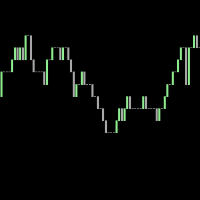
This is a tick indicator which compares the current bid price with the previous bid directly before it, and draws candles based on a comparison of the current ticks. It does not use historical ticks. Everything happens in real time, data moves from right to left, and the newest data arrives at the right. A trend line can be added which points in the direction of the price shifts.
FREE

RangeLens Lite - Asian Session Range for MT5
The free version of RangeLens: it draws the Asian session range of every day on your chart.
- Range box with high, low, middle line and size. - Hours in GMT (default 00:00-07:00), broker server offset detected automatically. - Panel with today's range and its status (forming / complete), one-click switch, minimize button, light and dark theme. - Works on gold, forex and indices, charts from M1 to H1.
Want more? The full RangeLens adds the breakout
FREE
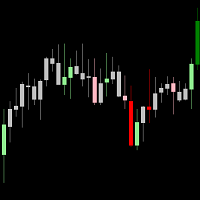
Candle com coloração de Volume Price Analysis (VPA) segundo as definições da Anna Coulling, é possível configurar períodos de climax e rising, fator de extreme e fator de rising.
Pode-se usar volume real ou volume de ticks. O VPA considera a variação de preço por volume do período, indicando se um movimento está recebendo ignição, está em seu climax ou se já não existe mais interesse.
FREE
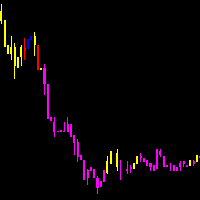
As médias coiote automatizam a leitura de analise de médias rápidas e lentas no saldo do volume e preço. Quando as médias estão em modo compra, a coloração do candle fica azul.
Quando as médias estão em modo venda, a coloração do candle fica magenta. Quando a coloração fica verde ou vermelho, temos a tomada das médias no volume mas não no preço, quando isso ocorre é um sinal de atenção.
A concepção do indicador é ser utilizado para operações em saída de consolidações na direção da tendencia do
FREE

The "Deviation Scaled Moving Average Crosses" indicator is a powerful technical analysis tool designed for the MetaTrader 5 trading platform. It facilitates informed trading decisions by visually presenting the interaction between two moving averages, both of which are smoothed and scaled to offer enhanced insights into market trends. This custom indicator is developed by mladen and is copyright-protected for the year 2023.
Using a unique approach, the indicator displays two types of deviation
FREE

**MTF Confluence Dashboard** is a free, self-contained indicator: a compact on-chart panel that classifies trend direction (Bullish / Bearish / Neutral) across up to six timeframes (M15, M30, H1, H4, D1, W1) and shows a one-line bias summary.
Trend per timeframe is based on a fast/slow EMA relationship, confirmed by price position relative to the fast EMA (not a raw EMA cross) to cut down on whipsaw:
- **Bullish** — fast EMA above slow EMA, and price above the fast EMA - **Bearish** — fast E
FREE
MetaTrader市场是一个简单方便的网站,在这里开发者可以出售自己的交易应用程序。
我们将帮助您发布您的产品,并向您解释如何为市场准备您的产品描述。市场上所有的应用程序都是加密保护并且只能在买家的电脑上运行。非法拷贝是不可能的。
