Multi Standard Dev Channel
- Göstergeler
- Sürüm: 1.0

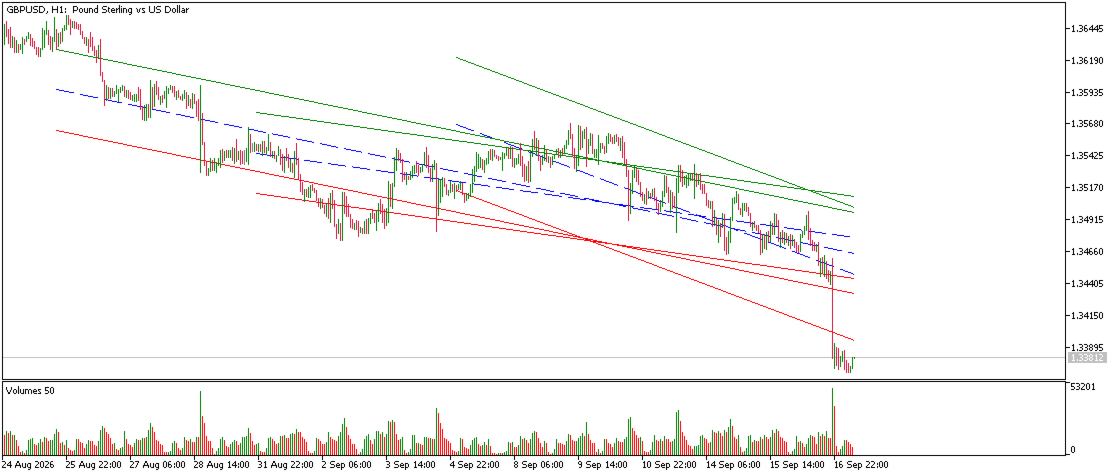
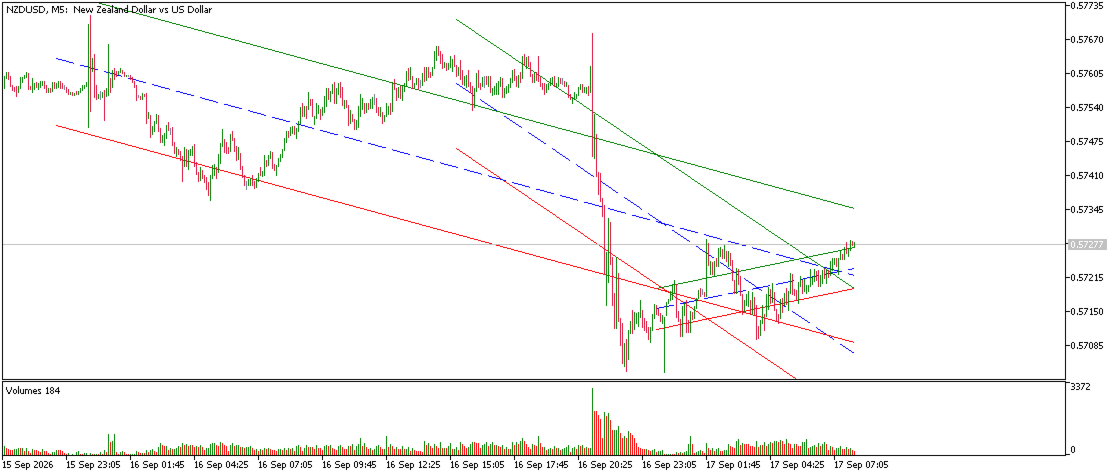
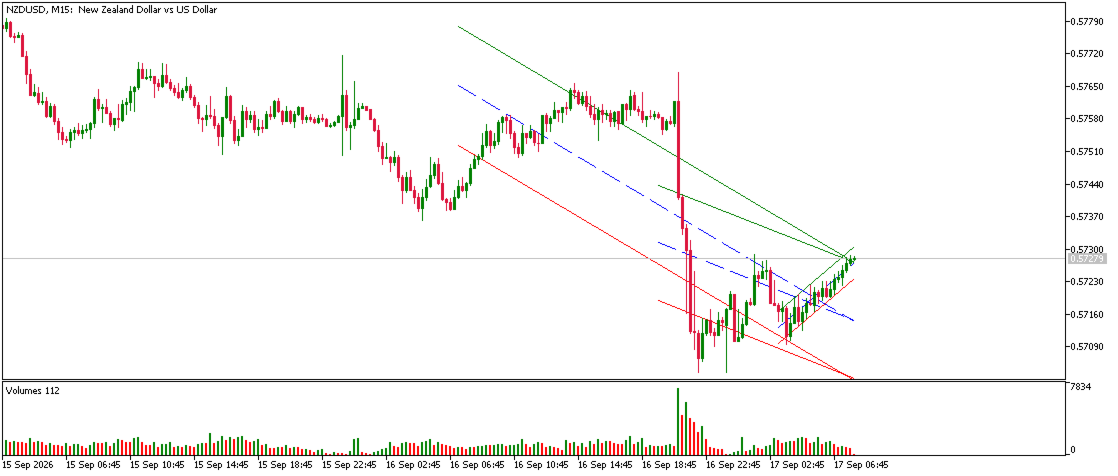
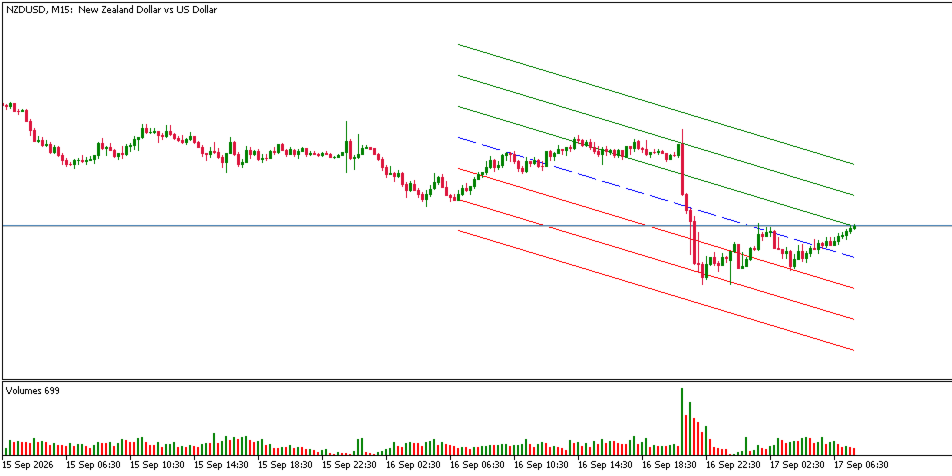
The «Multi-Standard Dev Channel» indicator is based on the statistical concept of linear regression, with Gilbert Raff being the first to implement it as a technical analysis indicator. Basically, it is one of many ways of making future projections based on known past and current data; it also requires that the variables be linearly related, i.e., that changes in the variables remain stable, resulting in a straight line on the plane, hence the term «linear». Advanced users may rightly note that prices do not always tend to fall within the channel in question, as sometimes the intensity of a movement is so strong that prices move outside the channel. Traditionally, this indicator is often used under the same principle as Bollinger Bands, with the difference that we do not take the standard deviations from the mean, but from the linear regression line. It is assumed that, if prices are normally distributed, the theory ensures that the probability of them being within the channel of one standard deviation is 68.27%, of them being within two standard deviations is 95.45%, and within three is 99.73%.
It doesn't take much effort to realize that prices do not follow a normal distribution, and since this is the case, the price will not always respect the probability of the Gaussian distribution of falling within the channel. There will be times when prices do not even touch the channel, or remain outside the channel for a long time. While the theory is correct, applying it to prices denotes a lack of conceptual understanding; it is an objective solution to a problem that trend lines have already solved. It is true that linear regression channels manage to overcome the subjectivity inherent in any interpretation of charts, as they have a solid mathematical basis, but this is no guarantee, given that the theory is poorly applied.
In this case, we add another pair of regression channels so that we can plot a total of three channels on the same indicator—either for the same period and different standard deviations, the same standard deviations and different periods, or different periods and different standard deviations.