|
8+ anos
experiência
|
32
produtos
|
147
versão demo
|
|
0
trabalhos
|
0
sinais
|
0
assinantes
|
👑 Físico teórico, programador, comerciante com 15 anos de experiência.
--------------------------------------------------------------------------------------
💰 Produtos apresentados:
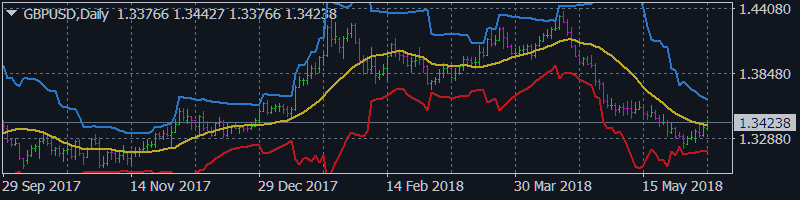
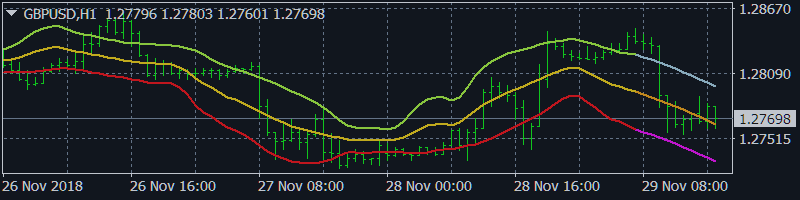
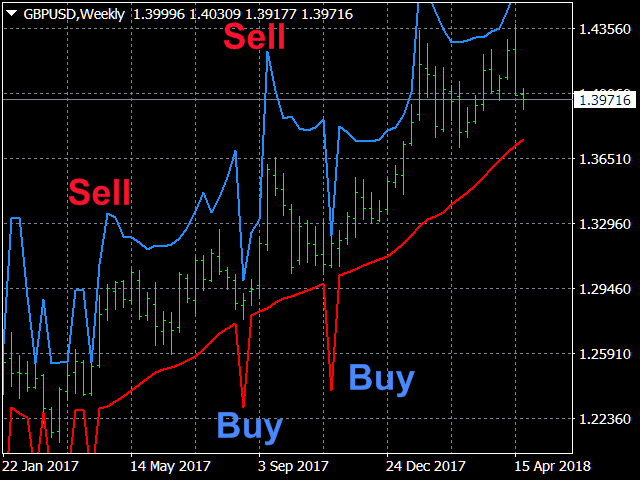
1) 🏆 Indicadores com ótima filtragem de ruídos de mercado (para escolha de pontos de abertura e fechamento de posições).
2) 🏆 Indicadores estatísticos (para determinar a tendência global).
3) 🏆 Indicadores de pesquisa de mercado (para esclarecer a microestrutura de preços, construir canais, identificar diferenças entre reversões e retrações de tendências).
--------------------------------------------------------------------------------------
☛ Mais informações no blog https://www.mql5.com/en/blogs/post/741637
--------------------------------------------------------------------------------------
💰 Produtos apresentados:
1) 🏆 Indicadores com ótima filtragem de ruídos de mercado (para escolha de pontos de abertura e fechamento de posições).
2) 🏆 Indicadores estatísticos (para determinar a tendência global).
3) 🏆 Indicadores de pesquisa de mercado (para esclarecer a microestrutura de preços, construir canais, identificar diferenças entre reversões e retrações de tendências).
--------------------------------------------------------------------------------------
☛ Mais informações no blog https://www.mql5.com/en/blogs/post/741637



Aleksey Ivanov

·
1
Aleksey Ivanov
2018.12.03
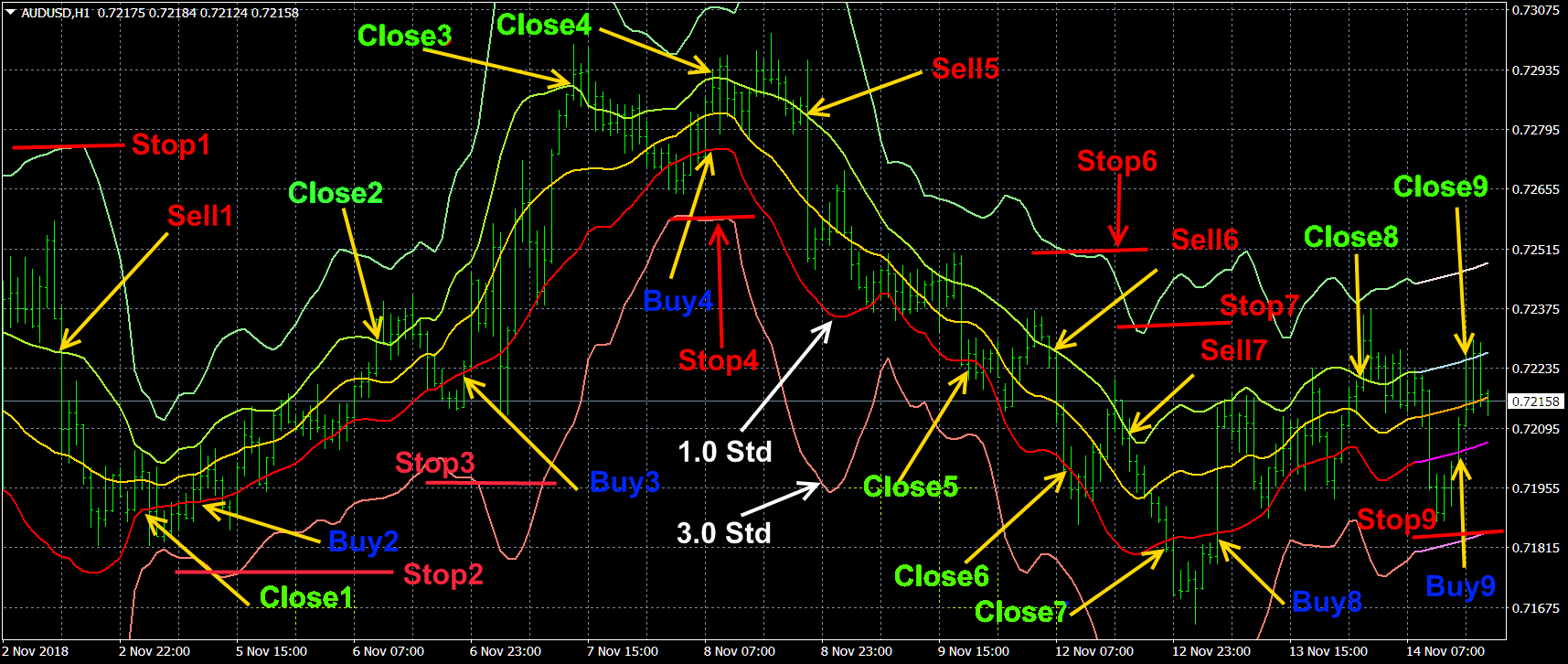
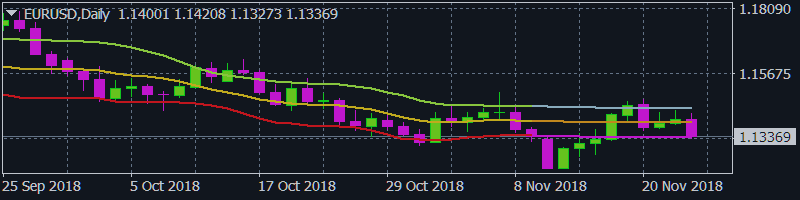
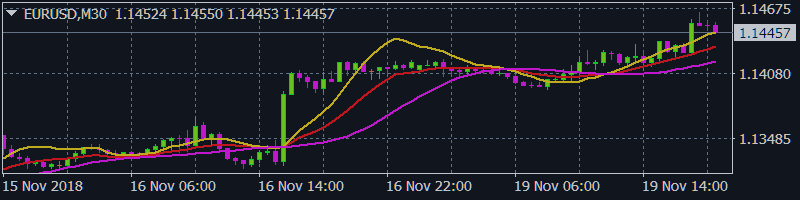
Разумеется я играл с этим индикатором. Ваш вопрос полезный. Сделаю анимированный рисунок, где покажу временную развертку реальной торговли.


Aleksey Ivanov

·
3
280
1
Jovan Veskovic
2018.08.15
hmmm, would be nice if i would understand anything in russian...http://www.statlab.simplesite.com