


Thought of the day:
How Observation Changes Outcomes
In quantum mechanics, when light (or electrons) passes through two slits, it creates an interference pattern on the screen behind them.
Each particle seems to go through both slits at once, existing in a superposition of all possible paths, and the resulting pattern reflects the probabilities of where the particle could land.
If you try to measure which slit the particle goes through, the interference pattern disappears.
Observing the particle forces it into a definite state: it goes through one slit or the other.
The act of measurement collapses the wave function and fundamentally changes the outcome.
Before you check a trade, it’s in superposition.
From a statistical perspective, your trade has a probability of winning or losing based on your system, but you don’t yet know the outcome.
The trade is evolving naturally, just like a quantum system.
The moment you look at it, your observation collapses the “trade wave function” into a definite state: good or bad, winning or losing.
That observation triggers an emotional reaction—stress, fear, or overconfidence—which can cause you to break your plan, over-leverage, or revenge trade.
Just like in quantum mechanics, the act of measurement affects the system.
If you hadn’t looked, the system would have continued evolving naturally, and you would have followed your plan without emotional interference.
This analogy mirrors the quantum concept perfectly: observation changes the outcome, not because the market changed, but because your interaction with it changed your behavior.
In other words, checking too often destroys the natural probabilistic outcome of your system, just like measuring the slit destroys the interference pattern.
The trade itself hasn’t changed; your observation changed how you interact with it, which changes the outcome.
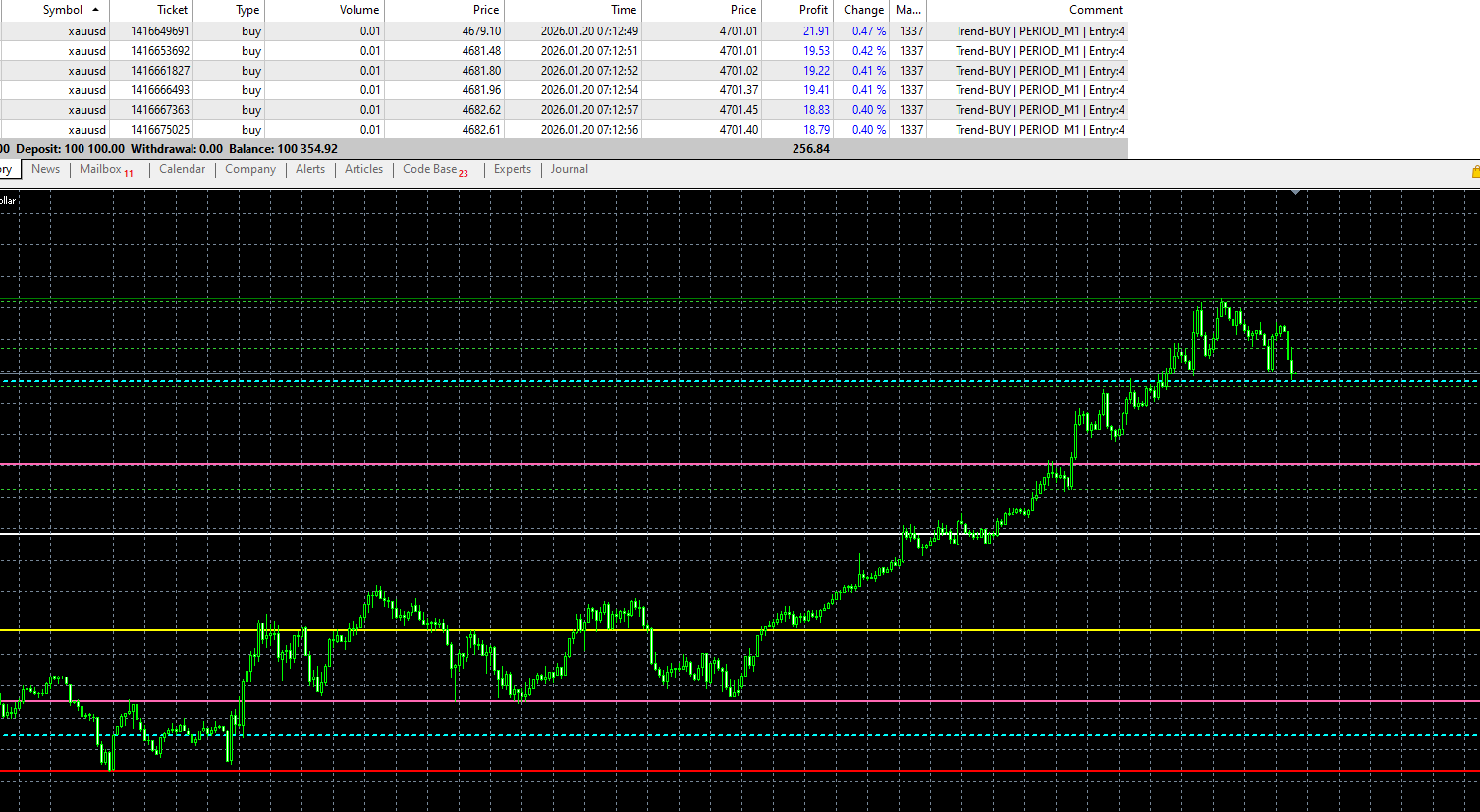
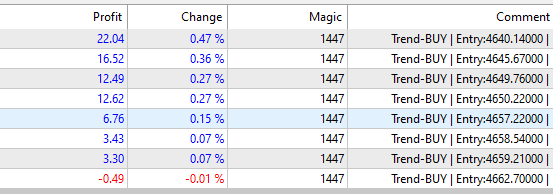
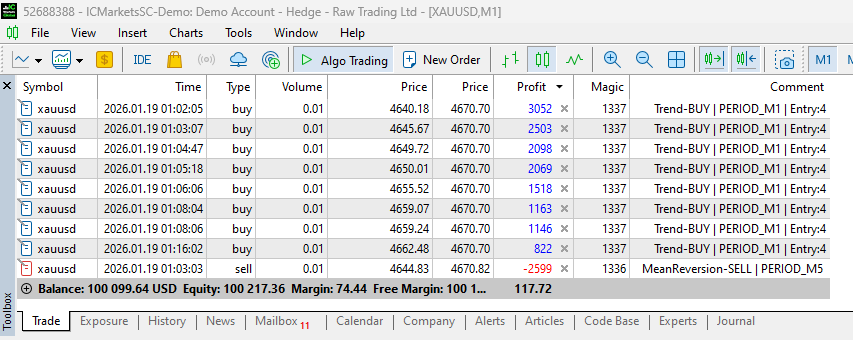
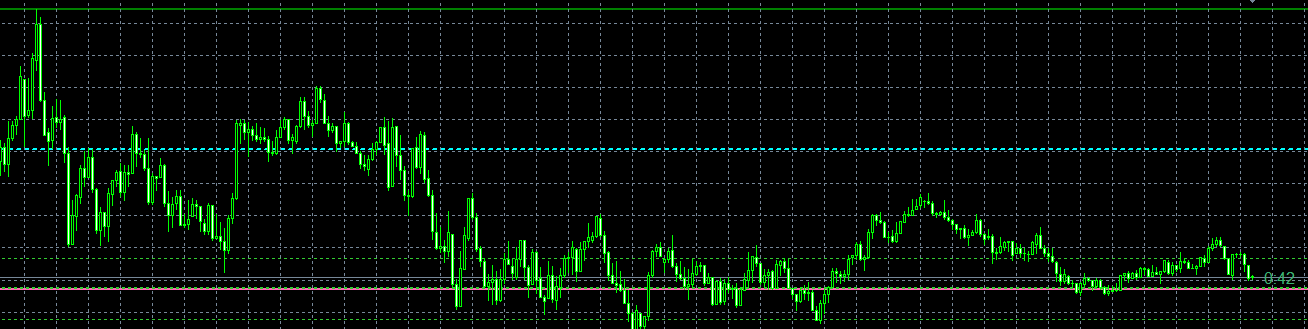
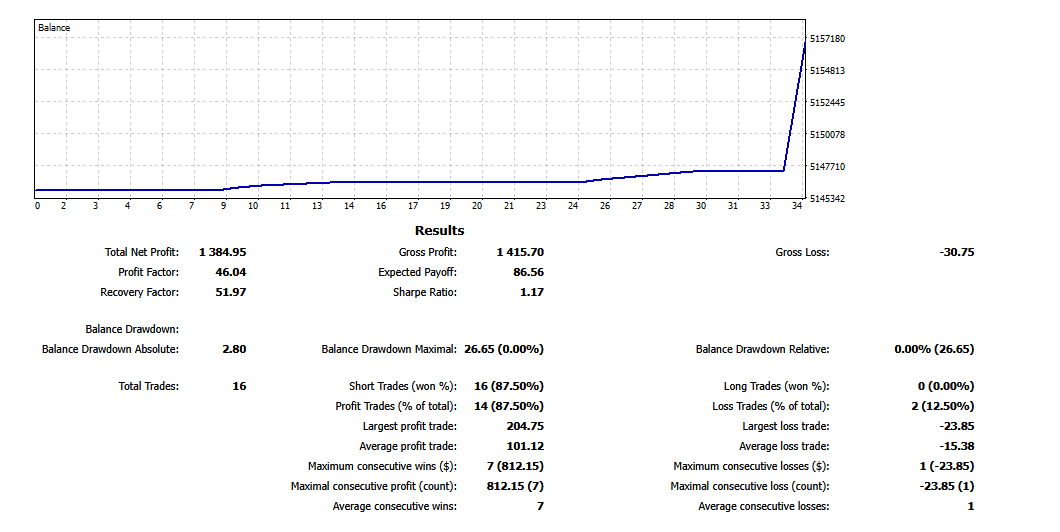
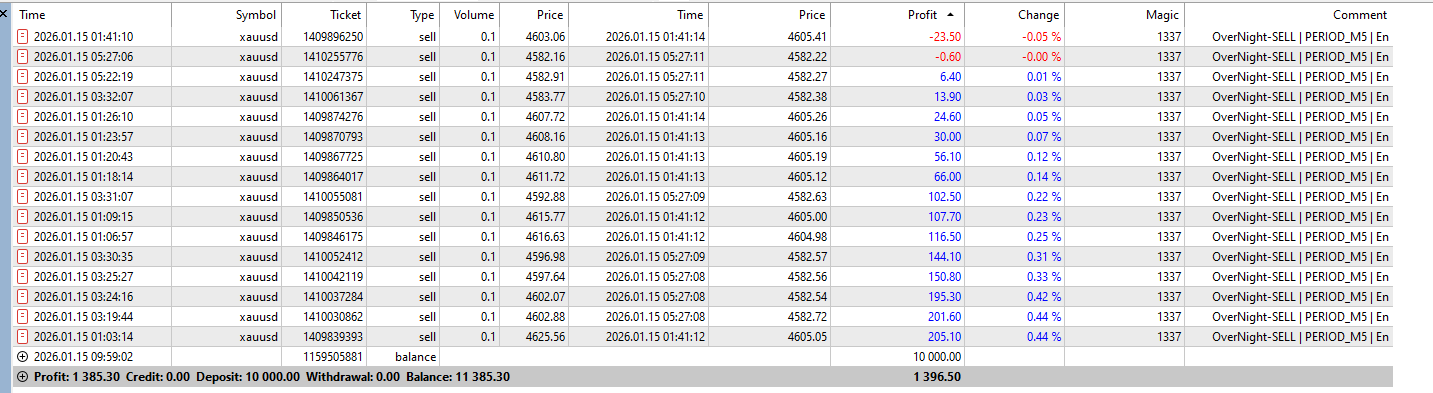
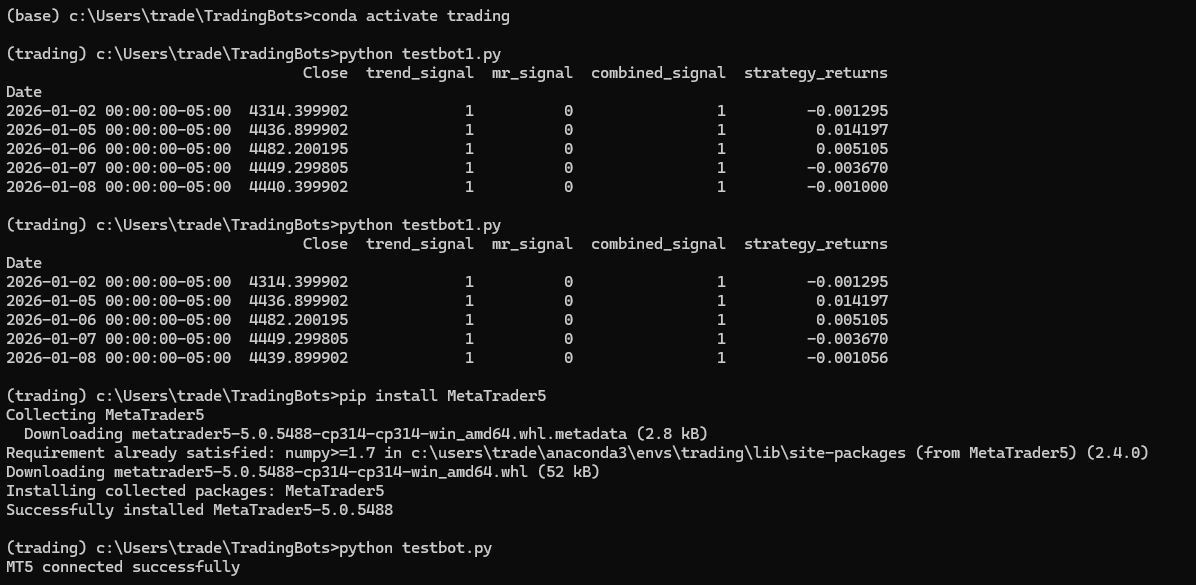
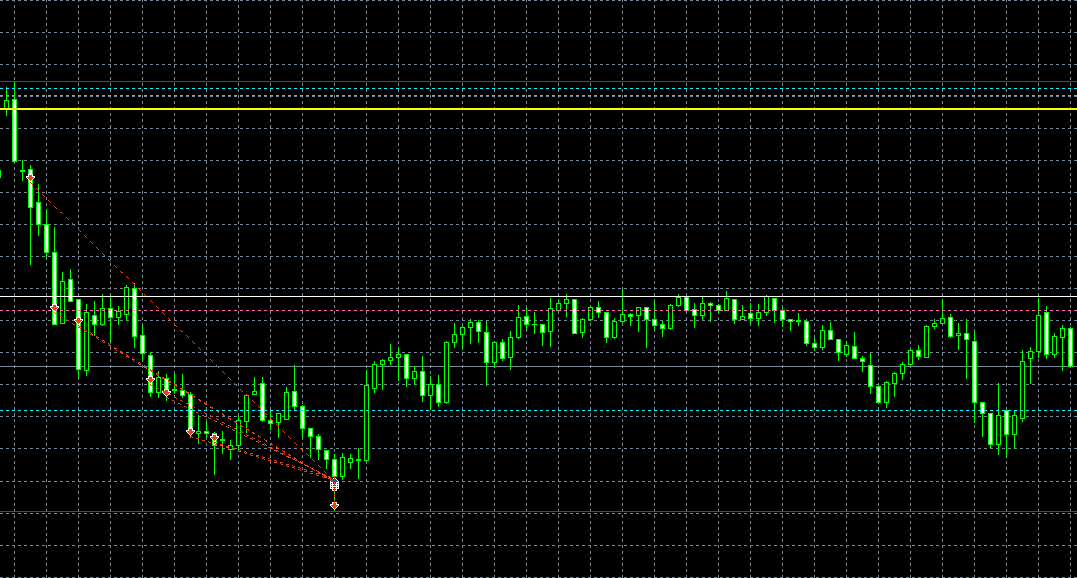
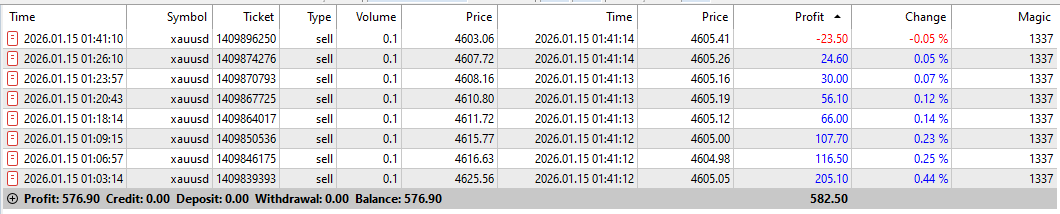
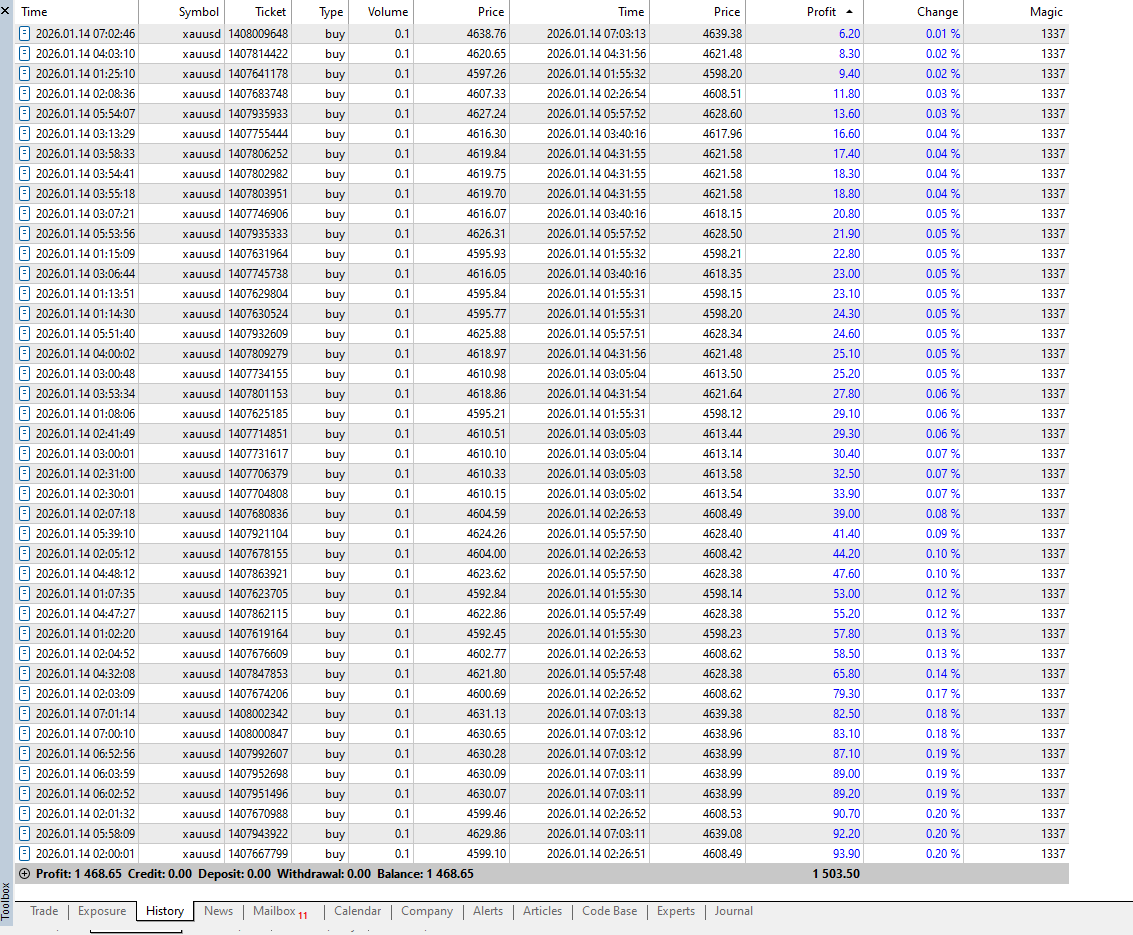
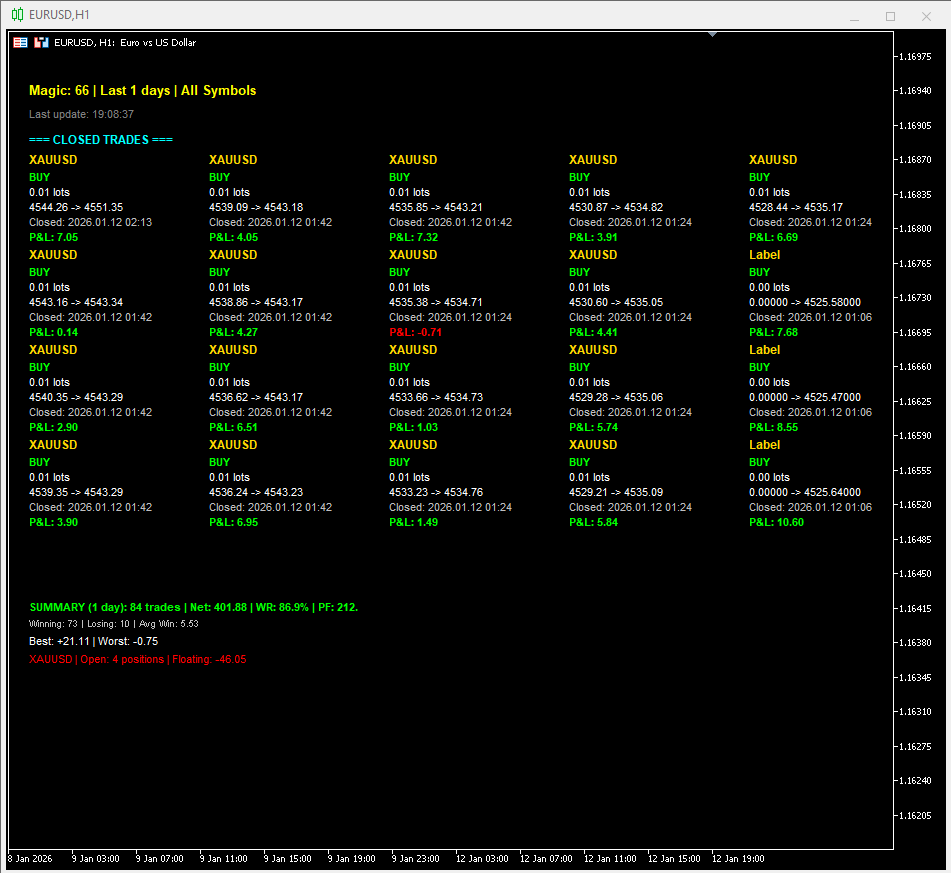
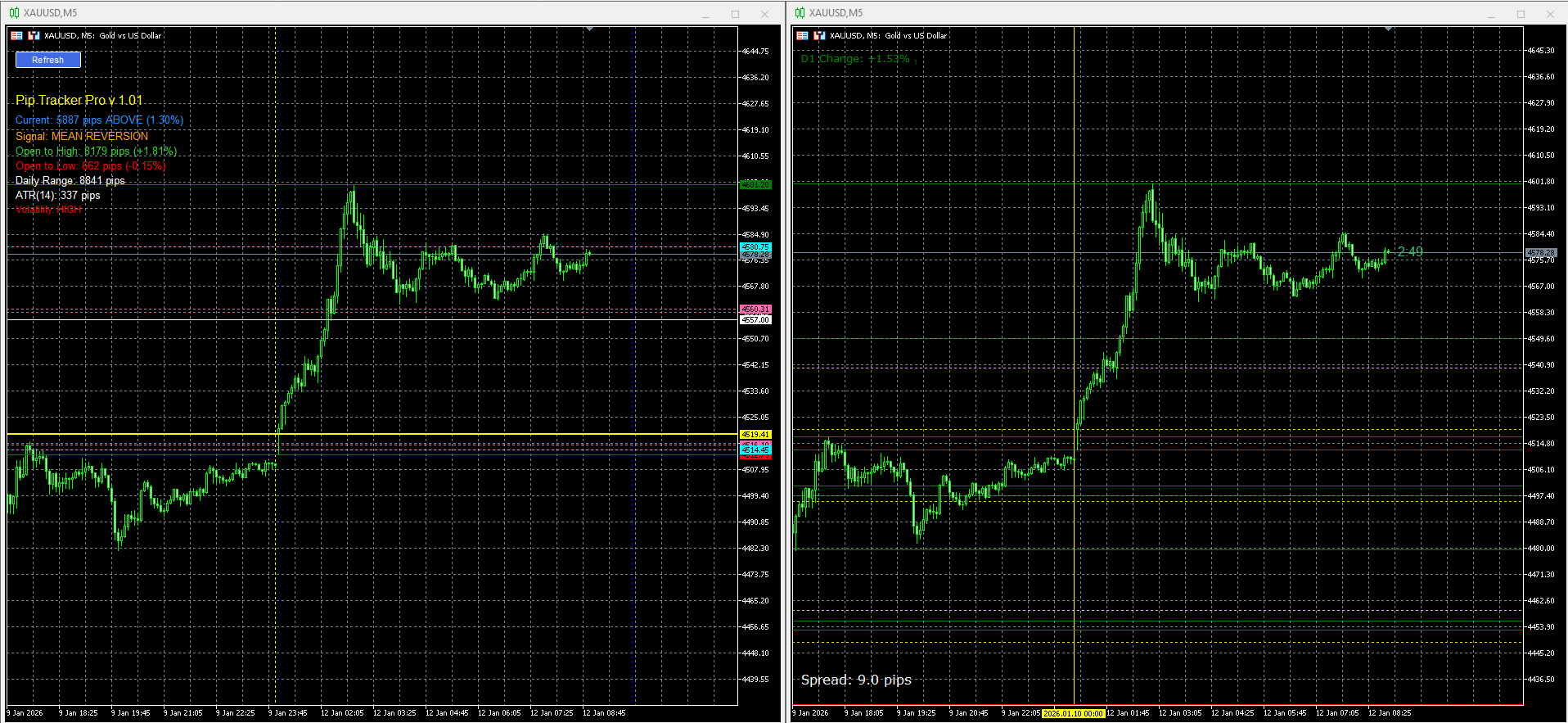
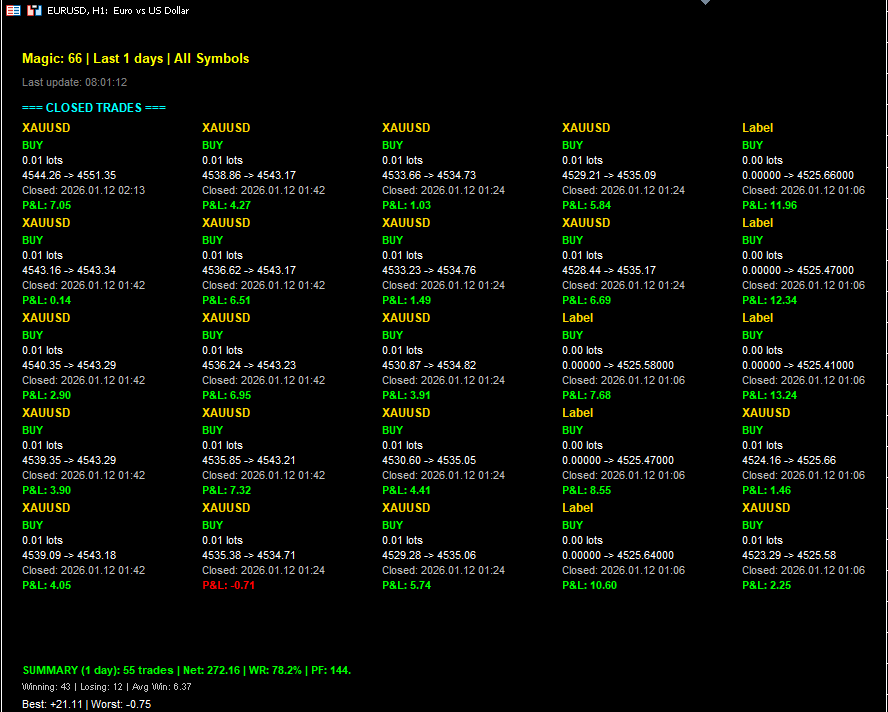
Trust in the strategy and parameters you’ve defined.
Take Breaks:
Step away from the screen to maintain mental clarity. Automated trading ensures you don’t need to monitor the market constantly.