Maurice Prang / Профиль
- Информация
|
1 год
опыт работы
|
9
продуктов
|
39
демо-версий
|
|
0
работ
|
4
сигналов
|
0
подписчиков
|
О SOVRIAN.AI
SOVRIAN.AI разрабатывает интеллектуальные торговые системы на базе искусственного интеллекта для MetaTrader 5 и выступает как связующее звено сообщества в сфере криптотрейдинга, децентрализованных финансов и альтернативной финансовой инфраструктуры.
Наш фокус — программное обеспечение для AI трейдинга, алгоритмическое исполнение, структурированный копитрейдинг, анализ рынка на основе данных и динамическое управление рисками. Мы создаём системы, которые анализируют поведение рынка и адаптируют логику исполнения к изменяющимся рыночным условиям.
Мы самостоятельно разрабатываем инструменты для MetaTrader 5, торговые системы и фреймворки автоматизации. В то же время мы не считаем, что каждый элемент финансовой инфраструктуры нужно создавать с нуля. В таких областях, как криптобиржи, децентрализованный банкинг, копитрейдинг и внешняя инфраструктура, мы также используем, анализируем и соединяемся с сторонними платформами, которые уже являются лидерами в своей области.
SOVRIAN.AI — это одновременно разработчик и связующее звено.
Мы строим там, где у нас есть преимущество.
Мы соединяем там, где другие уже создали сильные решения.
Наша миссия — объединить AI трейдинг, автоматизацию, крипторынки, децентрализованные финансы и финансовую независимость в одно интеллектуальное сообщество.
Оцените ICONIC BTC AI+, созданный для торговли Bitcoin с использованием продвинутого обучения с подкреплением:
https://www.mql5.com/en/market/product/163970
Без Grid.
Без Martingale.
Без эмоционального исполнения.
Только точность нейронных сетей, адаптивная рыночная логика и технологии институционального уровня для современных портфелей.
Присоединяйтесь к SOVRIAN.AI:
https://t.me/sovrianaiofficial
SOVRIAN.AI разрабатывает интеллектуальные торговые системы на базе искусственного интеллекта для MetaTrader 5 и выступает как связующее звено сообщества в сфере криптотрейдинга, децентрализованных финансов и альтернативной финансовой инфраструктуры.
Наш фокус — программное обеспечение для AI трейдинга, алгоритмическое исполнение, структурированный копитрейдинг, анализ рынка на основе данных и динамическое управление рисками. Мы создаём системы, которые анализируют поведение рынка и адаптируют логику исполнения к изменяющимся рыночным условиям.
Мы самостоятельно разрабатываем инструменты для MetaTrader 5, торговые системы и фреймворки автоматизации. В то же время мы не считаем, что каждый элемент финансовой инфраструктуры нужно создавать с нуля. В таких областях, как криптобиржи, децентрализованный банкинг, копитрейдинг и внешняя инфраструктура, мы также используем, анализируем и соединяемся с сторонними платформами, которые уже являются лидерами в своей области.
SOVRIAN.AI — это одновременно разработчик и связующее звено.
Мы строим там, где у нас есть преимущество.
Мы соединяем там, где другие уже создали сильные решения.
Наша миссия — объединить AI трейдинг, автоматизацию, крипторынки, децентрализованные финансы и финансовую независимость в одно интеллектуальное сообщество.
Оцените ICONIC BTC AI+, созданный для торговли Bitcoin с использованием продвинутого обучения с подкреплением:
https://www.mql5.com/en/market/product/163970
Без Grid.
Без Martingale.
Без эмоционального исполнения.
Только точность нейронных сетей, адаптивная рыночная логика и технологии институционального уровня для современных портфелей.
Присоединяйтесь к SOVRIAN.AI:
https://t.me/sovrianaiofficial
Друзья
40
Заявки
Исходящие
Maurice Prang
⚡ Exclusive Launch Deal: ICONIC BTC AI & ICONIC NEUROCORE AI
The evolution of AI trading is officially live! Both ICONIC BTC AI and ICONIC NEUROCORE AI are now available at highly exclusive introductory rates.
Secure the raw power of advanced neural algorithms for your portfolio with these unmatched packages:
Lifetime License: Only $299 (One-time payment)
1-Year License: Only $165
1-Month License: Only $30
Included: 20 licenses (activations) per purchase
perfect for deploying the system across all your accounts.
⚠️Strictly Limited Allocation: This pricing is strictly capped at the first 10 purchases per system. As soon as these 10 spots are secured, prices will be automatically increased.
First come, first served. Secure your access now before the price adjustment takes effect!
https://www.mql5.com/en/market/product/163970#!tab=overview
https://www.mql5.com/de/market/product/176243#!tab=overview
The evolution of AI trading is officially live! Both ICONIC BTC AI and ICONIC NEUROCORE AI are now available at highly exclusive introductory rates.
Secure the raw power of advanced neural algorithms for your portfolio with these unmatched packages:
Lifetime License: Only $299 (One-time payment)
1-Year License: Only $165
1-Month License: Only $30
Included: 20 licenses (activations) per purchase
perfect for deploying the system across all your accounts.
⚠️Strictly Limited Allocation: This pricing is strictly capped at the first 10 purchases per system. As soon as these 10 spots are secured, prices will be automatically increased.
First come, first served. Secure your access now before the price adjustment takes effect!
https://www.mql5.com/en/market/product/163970#!tab=overview
https://www.mql5.com/de/market/product/176243#!tab=overview
Maurice Prang
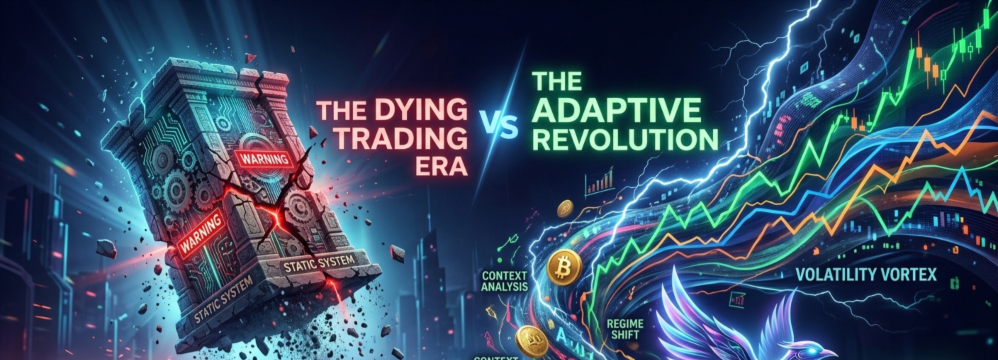
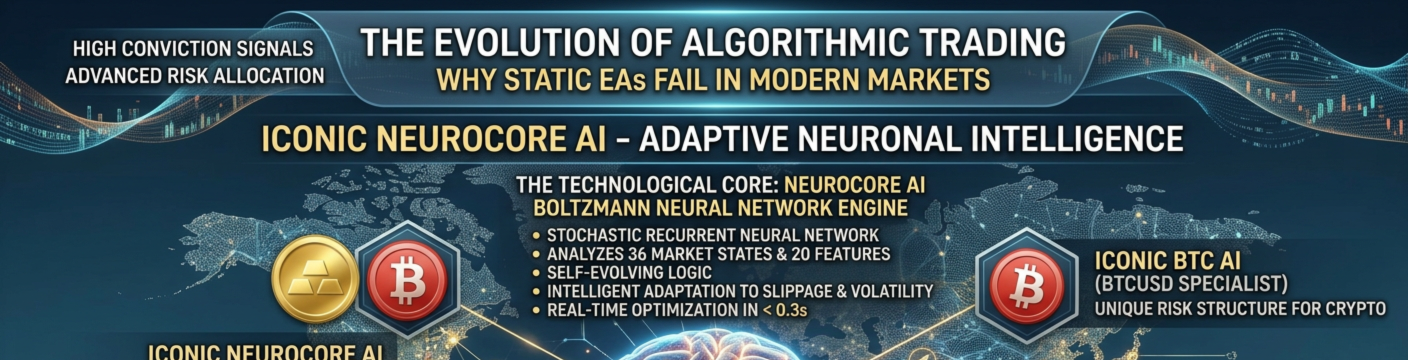
Why Static Trading Systems Are Dying in Modern Markets! Static trading systems are losing relevance because modern markets no longer behave in stable, predictable patterns for long periods of time...
Maurice Prang
🚨 FLASH SALE: 24 HOURS ONLY – SAVE 45🚨
Unlock the ultimate algorithmic trading edge at an unprecedented price. For the next 24 hours only, we are slashing 45% OFF the licenses for our two flagship AI trading systems.
No grid, no martingale - just pure, institutional-grade quantitative logic engineered for robust capital protection.
📉 THE ICONIC DUO
⚡ ICONIC BTC AI
Engineered specifically for the Bitcoin market (BTCUSD). This system utilizes advanced predictive modeling to navigate crypto volatility while maintaining strict risk management protocols.
👉 Secure your BTC license (-45%):
https://www.mql5.com/en/market/product/163970#!tab=overview
🧠 ICONIC NEUROCORE AI
Driven by an adaptive neural network architecture, this system processes complex market structures in real-time to execute precise, logic-based trades without human emotion.
👉 Secure your NeuroCore license (-45%):
https://www.mql5.com/de/market/product/176243#!tab=overview
⏳ WHY ACT NOW?
45% Absolute Discount: The lowest price these systems will see.
Hard Deadline: In exactly 24 hours, the price reverts to standard licensing fees.
Plug & Play: Fully optimized and ready to deploy on your MQL5 terminal.
> Propel your portfolio into the future of automated trading. Click the links above to secure your lifetime license before the countdown hits zero! ⏱️
Unlock the ultimate algorithmic trading edge at an unprecedented price. For the next 24 hours only, we are slashing 45% OFF the licenses for our two flagship AI trading systems.
No grid, no martingale - just pure, institutional-grade quantitative logic engineered for robust capital protection.
📉 THE ICONIC DUO
⚡ ICONIC BTC AI
Engineered specifically for the Bitcoin market (BTCUSD). This system utilizes advanced predictive modeling to navigate crypto volatility while maintaining strict risk management protocols.
👉 Secure your BTC license (-45%):
https://www.mql5.com/en/market/product/163970#!tab=overview
🧠 ICONIC NEUROCORE AI
Driven by an adaptive neural network architecture, this system processes complex market structures in real-time to execute precise, logic-based trades without human emotion.
👉 Secure your NeuroCore license (-45%):
https://www.mql5.com/de/market/product/176243#!tab=overview
⏳ WHY ACT NOW?
45% Absolute Discount: The lowest price these systems will see.
Hard Deadline: In exactly 24 hours, the price reverts to standard licensing fees.
Plug & Play: Fully optimized and ready to deploy on your MQL5 terminal.
> Propel your portfolio into the future of automated trading. Click the links above to secure your lifetime license before the countdown hits zero! ⏱️
Maurice Prang
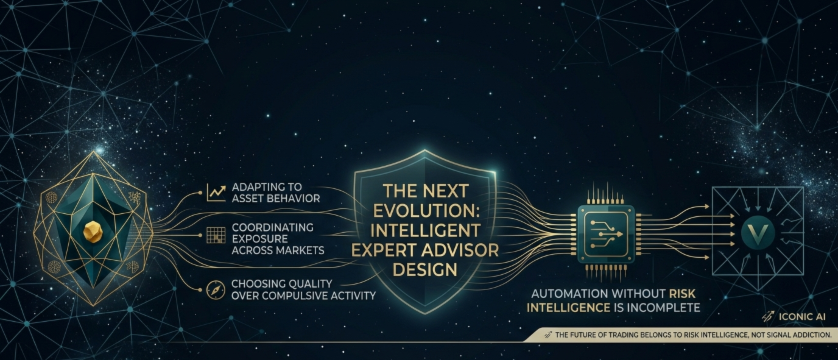
The Future of Trading Belongs to Risk Intelligence, Not Signal Addiction! Article Summary For years, the trading industry has been obsessed with one thing: signals. More entries, more alerts, more setups, more action...
Maurice Prang
Why Capital Protection Will Be the Real Edge in the Next Generation of EAs! The next wave of Expert Advisors will not be defined by who trades the most, reacts the fastest, or looks the smoothest in a backtest. It will be defined by something far more important: capital protection...
Maurice Prang
The Next Evolution of Expert Advisors Is Not More Automation — It Is Better Decision Quality! The Expert Advisor market has matured. Automation alone is no longer a competitive advantage...
Maurice Prang
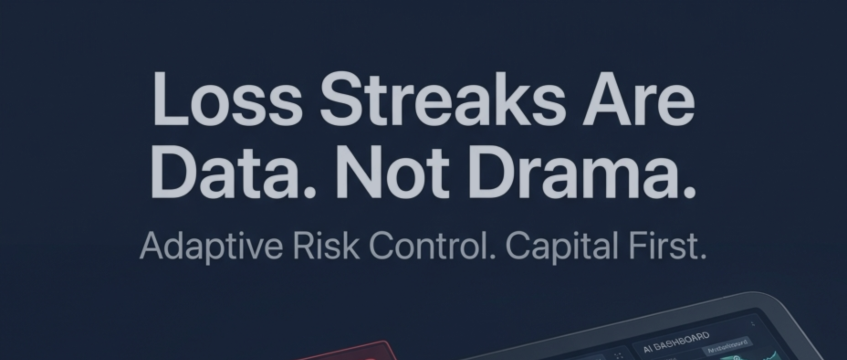
In algorithmic trading, a loss streak is often misunderstood. Most retail traders see two, three, or four losing trades in a row and immediately attach emotion to it. They call it bad luck. A bad day. A broken strategy. A cursed session...
Maurice Prang
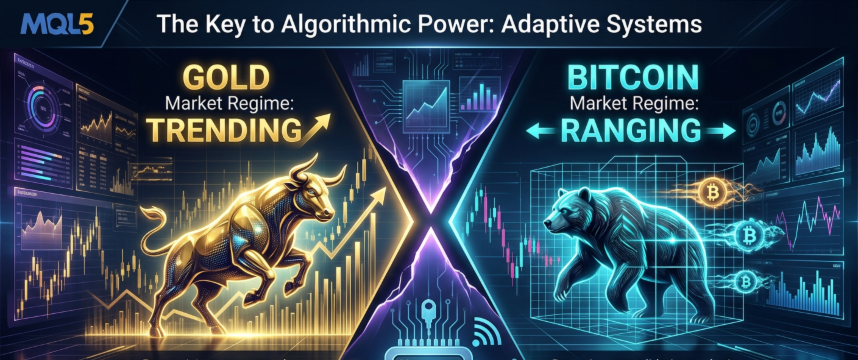
Most traders look at the market in one dimension: Price goes up. Price goes down. Enter. Exit. Repeat. But professional algorithmic trading requires a deeper understanding. Markets do not move randomly all the time - they move through regimes...
Maurice Prang
The modern financial market is not a static environment—it is a highly complex, rapidly shifting ecosystem. Traders who rely on static parameters and fixed logic are optimizing for a past that no longer exists...
Maurice Prang
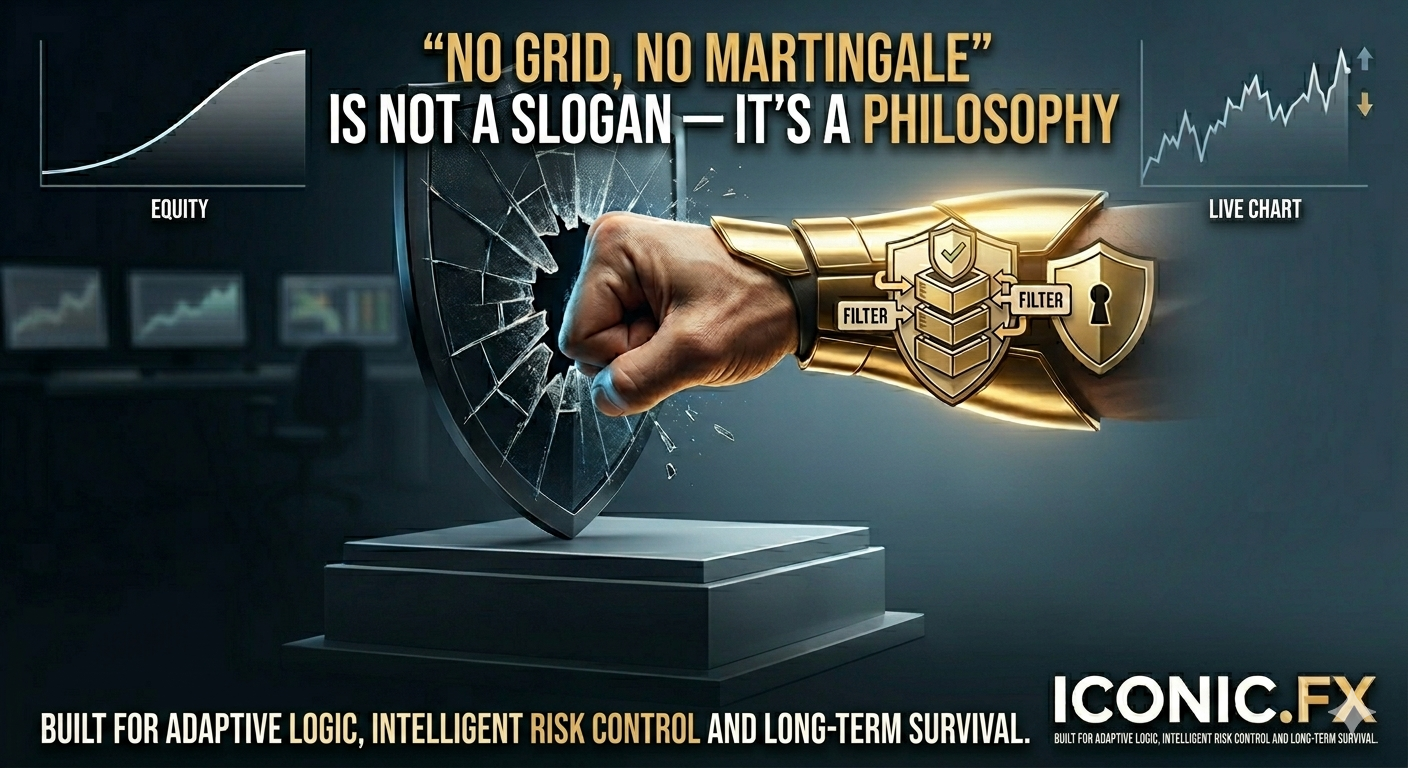
“No Grid, No Martingale” Is Not a Slogan — It’s a Philosophy
A lot of systems look stable as long as you only study the surface.
Smooth equity curve. Low visible drawdown. Calm performance profile.
But in many cases, that stability is not real.
It is simply risk pushed into the future.
That is the core problem with grid systems, martingale logic, and blind averaging down.
These mechanisms do not solve the original weakness of a bad trade.
They delay the consequence.
They add exposure, increase pressure, and stack risk in the hope that the market will eventually come back and rescue the position.
For a while, that can look impressive.
And that is exactly why so many traders get fooled by it.
Because in the short term, these systems often create the illusion of control.
They smooth the curve.
They hide fragility.
They make unresolved risk look like intelligent recovery.
But the market is unforgiving when that illusion breaks.
The moment volatility expands, a trend extends further than expected, liquidity disappears, or a news event resets market structure, the truth becomes obvious:
Grid and martingale are not advanced recovery logic. They are often accumulated risk wearing a clean suit.
That is the part many traders understand too late.
A system is not robust because it can hide losses for longer.
It is robust because it can accept losses, contain damage, and survive hostile conditions without destroying itself.
That is why “No Grid, No Martingale” is not just a marketing line.
It is a mindset.
A risk philosophy.
A design standard.
It means:
capital protection comes before cosmetic smoothness
losses are limited, not multiplied
weakness is acknowledged, not hidden behind recovery tricks
risk management is architecture, not decoration
long-term survival matters more than short-term presentation
Sustainable systems do not need to prove that they are never wrong.
They need to prove that they can be wrong without escalating into structural danger.
That is what separates professional system design from performance theater.
A serious model does not ask:
“How do I rescue every losing trade at all costs?”
It asks:
“How do I protect the account when the market invalidates the original idea?”
That difference is everything.
Grid and martingale logic often rely on hope disguised as methodology.
Professional risk architecture relies on a very different principle:
Not every trade needs to be saved. But the account always needs to be protected.
At ICONIC.FX, that is part of the philosophy behind serious automation.
No artificial stability created by escalating exposure.
No hidden danger buried under recovery mechanics.
No delayed drawdown disguised as control.
Instead, the focus is on:
clean risk architecture
adaptive protection
controlled exposure
market-aware filtering
long-term resilience over short-term cosmetics
Because a system that looks strong only because it keeps absorbing more danger is not truly strong.
It simply has not been fully tested yet.
Real strength in trading is not revealed by how elegantly a system stacks wins in ideal conditions.
It is revealed by how disciplined it remains when the market stops being friendly.
That is why “No Grid, No Martingale” is not about limitation.
It is about maturity.
It is about structure.
It is about accepting a clean loss instead of defending a bad idea with increasing risk.
And that is where the line is drawn between marketing language and real philosophy.
ICONIC.FX
Built for disciplined execution, intelligent risk control, and long-term survival.
Trade with Intelligence. Trade Iconic.
Question for the community:
What do you consider more dangerous — a small visible loss, or a system that hides risk until it becomes too large to control?
A lot of systems look stable as long as you only study the surface.
Smooth equity curve. Low visible drawdown. Calm performance profile.
But in many cases, that stability is not real.
It is simply risk pushed into the future.
That is the core problem with grid systems, martingale logic, and blind averaging down.
These mechanisms do not solve the original weakness of a bad trade.
They delay the consequence.
They add exposure, increase pressure, and stack risk in the hope that the market will eventually come back and rescue the position.
For a while, that can look impressive.
And that is exactly why so many traders get fooled by it.
Because in the short term, these systems often create the illusion of control.
They smooth the curve.
They hide fragility.
They make unresolved risk look like intelligent recovery.
But the market is unforgiving when that illusion breaks.
The moment volatility expands, a trend extends further than expected, liquidity disappears, or a news event resets market structure, the truth becomes obvious:
Grid and martingale are not advanced recovery logic. They are often accumulated risk wearing a clean suit.
That is the part many traders understand too late.
A system is not robust because it can hide losses for longer.
It is robust because it can accept losses, contain damage, and survive hostile conditions without destroying itself.
That is why “No Grid, No Martingale” is not just a marketing line.
It is a mindset.
A risk philosophy.
A design standard.
It means:
capital protection comes before cosmetic smoothness
losses are limited, not multiplied
weakness is acknowledged, not hidden behind recovery tricks
risk management is architecture, not decoration
long-term survival matters more than short-term presentation
Sustainable systems do not need to prove that they are never wrong.
They need to prove that they can be wrong without escalating into structural danger.
That is what separates professional system design from performance theater.
A serious model does not ask:
“How do I rescue every losing trade at all costs?”
It asks:
“How do I protect the account when the market invalidates the original idea?”
That difference is everything.
Grid and martingale logic often rely on hope disguised as methodology.
Professional risk architecture relies on a very different principle:
Not every trade needs to be saved. But the account always needs to be protected.
At ICONIC.FX, that is part of the philosophy behind serious automation.
No artificial stability created by escalating exposure.
No hidden danger buried under recovery mechanics.
No delayed drawdown disguised as control.
Instead, the focus is on:
clean risk architecture
adaptive protection
controlled exposure
market-aware filtering
long-term resilience over short-term cosmetics
Because a system that looks strong only because it keeps absorbing more danger is not truly strong.
It simply has not been fully tested yet.
Real strength in trading is not revealed by how elegantly a system stacks wins in ideal conditions.
It is revealed by how disciplined it remains when the market stops being friendly.
That is why “No Grid, No Martingale” is not about limitation.
It is about maturity.
It is about structure.
It is about accepting a clean loss instead of defending a bad idea with increasing risk.
And that is where the line is drawn between marketing language and real philosophy.
ICONIC.FX
Built for disciplined execution, intelligent risk control, and long-term survival.
Trade with Intelligence. Trade Iconic.
Question for the community:
What do you consider more dangerous — a small visible loss, or a system that hides risk until it becomes too large to control?
Maurice Prang
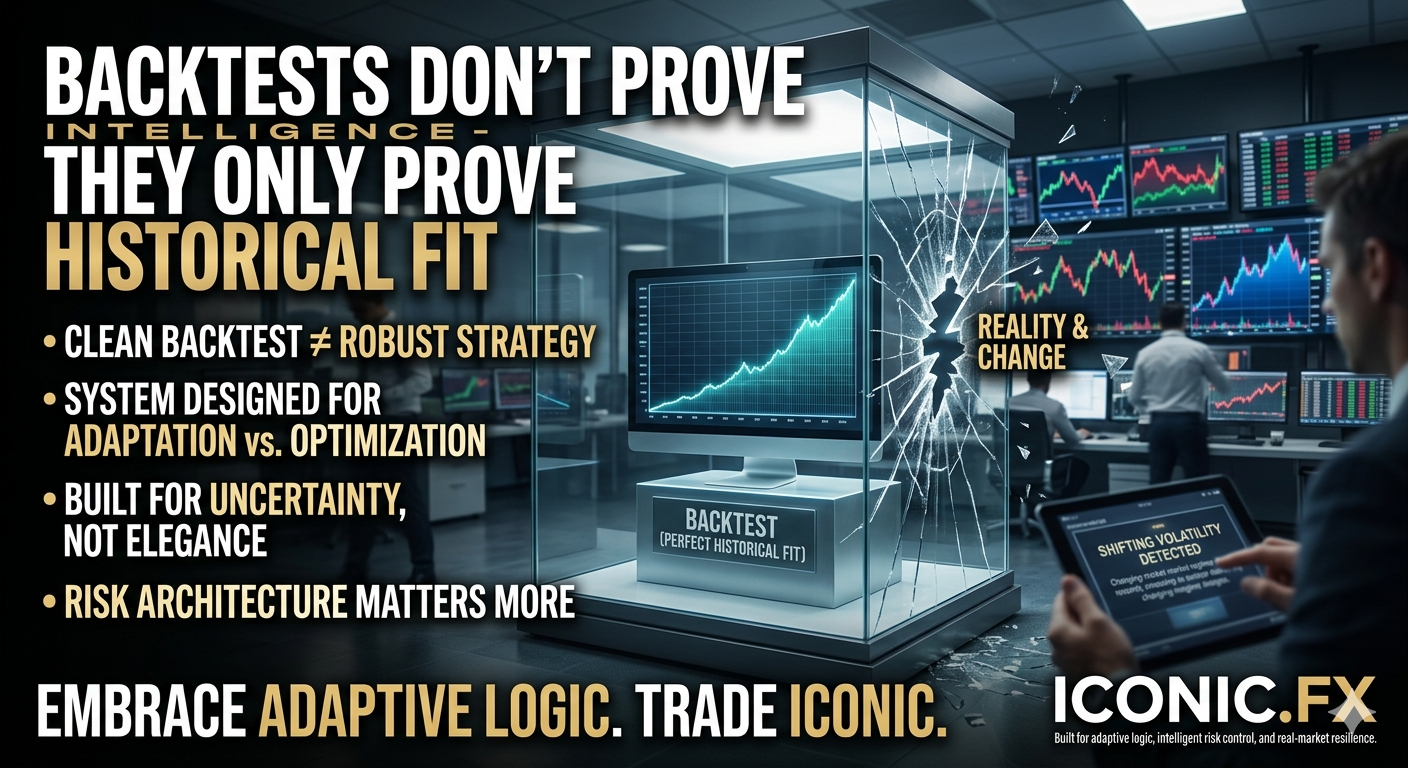
Backtests Don’t Prove Intelligence - They Only Prove Historical Fit
A clean backtest can be seductive.
Smooth equity curve. Controlled drawdown. Strong profit factor. Beautiful screenshots. Clean metrics.
And that is exactly why so many traders fall in love with the wrong thing.
Because a backtest does not prove that a system is intelligent.
It does not prove that a strategy is robust.
And it definitely does not prove that a model is ready for the live market.
What it proves is much simpler:
It proves that the logic worked on a specific set of historical data.
That is all.
The problem begins when traders confuse historical compatibility with future resilience.
Markets are not static environments. They are constantly reshaped by shifting volatility, changing liquidity, macro events, participation flows, session behavior, and regime transitions. A setup that thrives in expansion can fail in compression. A trend model can perform beautifully in directional conditions and then get chopped to pieces in a range. A strategy that looks “safe” in one data window can become fragile the moment market behavior changes.
This is where the illusion of certainty starts to break.
A strong backtest can tell you that a model had structure in the past.
But it cannot, by itself, tell you whether that structure is adaptive enough for the future.
And that distinction matters.
Because the real question is never:
“How good did this system look on historical data?”
The real question is:
“How does this system behave when the market stops behaving the way it used to?”
Can it detect when momentum is weakening?
Can it recognize when volatility has shifted enough to invalidate its assumptions?
Can it reduce exposure when market quality deteriorates?
Can it avoid forcing trades during low-quality conditions?
Can it adapt when the environment changes from trend to range, from clean to noisy, from stable to event-driven?
If the answer is no, then the system may be optimized — but it is not intelligent.
That is why relying on backtests alone is dangerous.
Not because backtests are useless. They are not. Backtests are valuable tools for understanding behavior, measuring assumptions, and stress-testing core logic. But they become dangerous when they are treated like proof of live-market durability.
A backtest is a diagnostic tool.
It is not a crystal ball.
And yet, most retail systems are still built the wrong way around.
They are not designed for adaptation.
They are designed for presentation.
Parameters are tuned. Filters are tightened. Conditions are adjusted. The strategy is polished again and again until the historical equity curve looks clean enough to sell, impressive enough to market, or convincing enough to inspire false confidence.
But the better the curve looks, the more important the next question becomes:
Did the system discover an edge — or was it simply adjusted until the past looked obedient?
That is the heart of curve fitting.
Curve fitting is not innovation.
It is not sophistication.
It is not intelligence.
It is often just fragility wearing a suit.
A curve-fitted system appears strong because it has been trained to survive a world that no longer exists. It becomes highly compatible with past behavior, while becoming increasingly vulnerable to new behavior. It may look precise, but precision without adaptability is weakness.
Professional system design requires a different mindset.
It requires accepting that markets evolve.
It requires building for uncertainty, not just for elegance.
It requires risk architecture, not just entry logic.
It requires filters, context awareness, and the willingness to do less when conditions are poor.
That is where serious algorithmic thinking separates itself from retail fantasy.
A professional system should not just ask:
Is there a signal?
It should also ask:
What regime are we in?
Is volatility supportive or hostile?
Is liquidity clean or unstable?
Is a high-impact event about to distort execution?
Is this still a high-quality environment, or are we forcing trades into noise?
Should risk remain stable, or should exposure be reduced?
These are not cosmetic questions.
They are survival questions.
At ICONIC.FX, this is a core principle of system design.
We do not treat strong backtests as proof of intelligence.
We treat them as one layer of information. Useful, yes. Important, yes. But incomplete on their own.
What matters more is whether a system can:
recognize changing market conditions
filter weak environments
respond to volatility shifts
adjust around news-sensitive phases
manage risk dynamically
protect capital when the model and market are no longer aligned
Because intelligence in trading is not about predicting everything.
It is about responding correctly when conditions change.
And robustness is not the ability to look perfect in the past.
It is the ability to remain functional when the future stops resembling the past.
That is why risk architecture matters so much.
A system with no adaptive protection layer may still look excellent in a report. But if it cannot reduce aggression during hostile phases, pause during unstable conditions, or avoid low-quality exposure, then its apparent strength is temporary. The live market eventually exposes everything that the backtest was too polite to punish.
This is especially true when traders judge systems only by surface-level statistics.
A high win rate can hide asymmetric risk.
A smooth equity curve can hide over-optimization.
A strong historical report can hide the fact that the model was never truly built for variability.
Real robustness is deeper than cosmetics.
It lives in:
regime awareness
volatility sensitivity
capital preservation logic
quality filters
news protection
dynamic exposure control
the discipline to avoid bad trades, not just execute good ones
That is what separates a static system from an adaptive one.
A static system says:
“This is what worked before, so I will keep doing it.”
An adaptive system says:
“The market has changed. My behavior must reflect that.”
That is a completely different philosophy.
And in live trading, philosophy becomes performance.
Because once real money is on the line, the market does not reward the prettiest report.
It rewards systems that can survive uncertainty without losing structural discipline.
So yes, backtests matter.
But only when they are kept in their proper place.
They are a starting point, not a final verdict.
A layer of evidence, not absolute proof.
A reflection of historical compatibility, not a guarantee of future robustness.
If you confuse those things, you do not optimize a system.
You optimize an illusion.
And illusions are expensive in live markets.
The future will not belong to the bots with the most beautiful screenshots.
It will belong to the systems that can adapt, filter, protect, and remain structurally aligned when conditions evolve.
That is the standard.
That is the difference.
That is the mindset behind ICONIC.FX.
ICONIC.FX
Built for adaptive logic, intelligent risk control, and real-market resilience.
Trade with Intelligence. Trade Iconic.
Question for the community:
What matters more to you today: a beautiful backtest, or a system that can stay composed when the market changes its character?
A clean backtest can be seductive.
Smooth equity curve. Controlled drawdown. Strong profit factor. Beautiful screenshots. Clean metrics.
And that is exactly why so many traders fall in love with the wrong thing.
Because a backtest does not prove that a system is intelligent.
It does not prove that a strategy is robust.
And it definitely does not prove that a model is ready for the live market.
What it proves is much simpler:
It proves that the logic worked on a specific set of historical data.
That is all.
The problem begins when traders confuse historical compatibility with future resilience.
Markets are not static environments. They are constantly reshaped by shifting volatility, changing liquidity, macro events, participation flows, session behavior, and regime transitions. A setup that thrives in expansion can fail in compression. A trend model can perform beautifully in directional conditions and then get chopped to pieces in a range. A strategy that looks “safe” in one data window can become fragile the moment market behavior changes.
This is where the illusion of certainty starts to break.
A strong backtest can tell you that a model had structure in the past.
But it cannot, by itself, tell you whether that structure is adaptive enough for the future.
And that distinction matters.
Because the real question is never:
“How good did this system look on historical data?”
The real question is:
“How does this system behave when the market stops behaving the way it used to?”
Can it detect when momentum is weakening?
Can it recognize when volatility has shifted enough to invalidate its assumptions?
Can it reduce exposure when market quality deteriorates?
Can it avoid forcing trades during low-quality conditions?
Can it adapt when the environment changes from trend to range, from clean to noisy, from stable to event-driven?
If the answer is no, then the system may be optimized — but it is not intelligent.
That is why relying on backtests alone is dangerous.
Not because backtests are useless. They are not. Backtests are valuable tools for understanding behavior, measuring assumptions, and stress-testing core logic. But they become dangerous when they are treated like proof of live-market durability.
A backtest is a diagnostic tool.
It is not a crystal ball.
And yet, most retail systems are still built the wrong way around.
They are not designed for adaptation.
They are designed for presentation.
Parameters are tuned. Filters are tightened. Conditions are adjusted. The strategy is polished again and again until the historical equity curve looks clean enough to sell, impressive enough to market, or convincing enough to inspire false confidence.
But the better the curve looks, the more important the next question becomes:
Did the system discover an edge — or was it simply adjusted until the past looked obedient?
That is the heart of curve fitting.
Curve fitting is not innovation.
It is not sophistication.
It is not intelligence.
It is often just fragility wearing a suit.
A curve-fitted system appears strong because it has been trained to survive a world that no longer exists. It becomes highly compatible with past behavior, while becoming increasingly vulnerable to new behavior. It may look precise, but precision without adaptability is weakness.
Professional system design requires a different mindset.
It requires accepting that markets evolve.
It requires building for uncertainty, not just for elegance.
It requires risk architecture, not just entry logic.
It requires filters, context awareness, and the willingness to do less when conditions are poor.
That is where serious algorithmic thinking separates itself from retail fantasy.
A professional system should not just ask:
Is there a signal?
It should also ask:
What regime are we in?
Is volatility supportive or hostile?
Is liquidity clean or unstable?
Is a high-impact event about to distort execution?
Is this still a high-quality environment, or are we forcing trades into noise?
Should risk remain stable, or should exposure be reduced?
These are not cosmetic questions.
They are survival questions.
At ICONIC.FX, this is a core principle of system design.
We do not treat strong backtests as proof of intelligence.
We treat them as one layer of information. Useful, yes. Important, yes. But incomplete on their own.
What matters more is whether a system can:
recognize changing market conditions
filter weak environments
respond to volatility shifts
adjust around news-sensitive phases
manage risk dynamically
protect capital when the model and market are no longer aligned
Because intelligence in trading is not about predicting everything.
It is about responding correctly when conditions change.
And robustness is not the ability to look perfect in the past.
It is the ability to remain functional when the future stops resembling the past.
That is why risk architecture matters so much.
A system with no adaptive protection layer may still look excellent in a report. But if it cannot reduce aggression during hostile phases, pause during unstable conditions, or avoid low-quality exposure, then its apparent strength is temporary. The live market eventually exposes everything that the backtest was too polite to punish.
This is especially true when traders judge systems only by surface-level statistics.
A high win rate can hide asymmetric risk.
A smooth equity curve can hide over-optimization.
A strong historical report can hide the fact that the model was never truly built for variability.
Real robustness is deeper than cosmetics.
It lives in:
regime awareness
volatility sensitivity
capital preservation logic
quality filters
news protection
dynamic exposure control
the discipline to avoid bad trades, not just execute good ones
That is what separates a static system from an adaptive one.
A static system says:
“This is what worked before, so I will keep doing it.”
An adaptive system says:
“The market has changed. My behavior must reflect that.”
That is a completely different philosophy.
And in live trading, philosophy becomes performance.
Because once real money is on the line, the market does not reward the prettiest report.
It rewards systems that can survive uncertainty without losing structural discipline.
So yes, backtests matter.
But only when they are kept in their proper place.
They are a starting point, not a final verdict.
A layer of evidence, not absolute proof.
A reflection of historical compatibility, not a guarantee of future robustness.
If you confuse those things, you do not optimize a system.
You optimize an illusion.
And illusions are expensive in live markets.
The future will not belong to the bots with the most beautiful screenshots.
It will belong to the systems that can adapt, filter, protect, and remain structurally aligned when conditions evolve.
That is the standard.
That is the difference.
That is the mindset behind ICONIC.FX.
ICONIC.FX
Built for adaptive logic, intelligent risk control, and real-market resilience.
Trade with Intelligence. Trade Iconic.
Question for the community:
What matters more to you today: a beautiful backtest, or a system that can stay composed when the market changes its character?
Maurice Prang
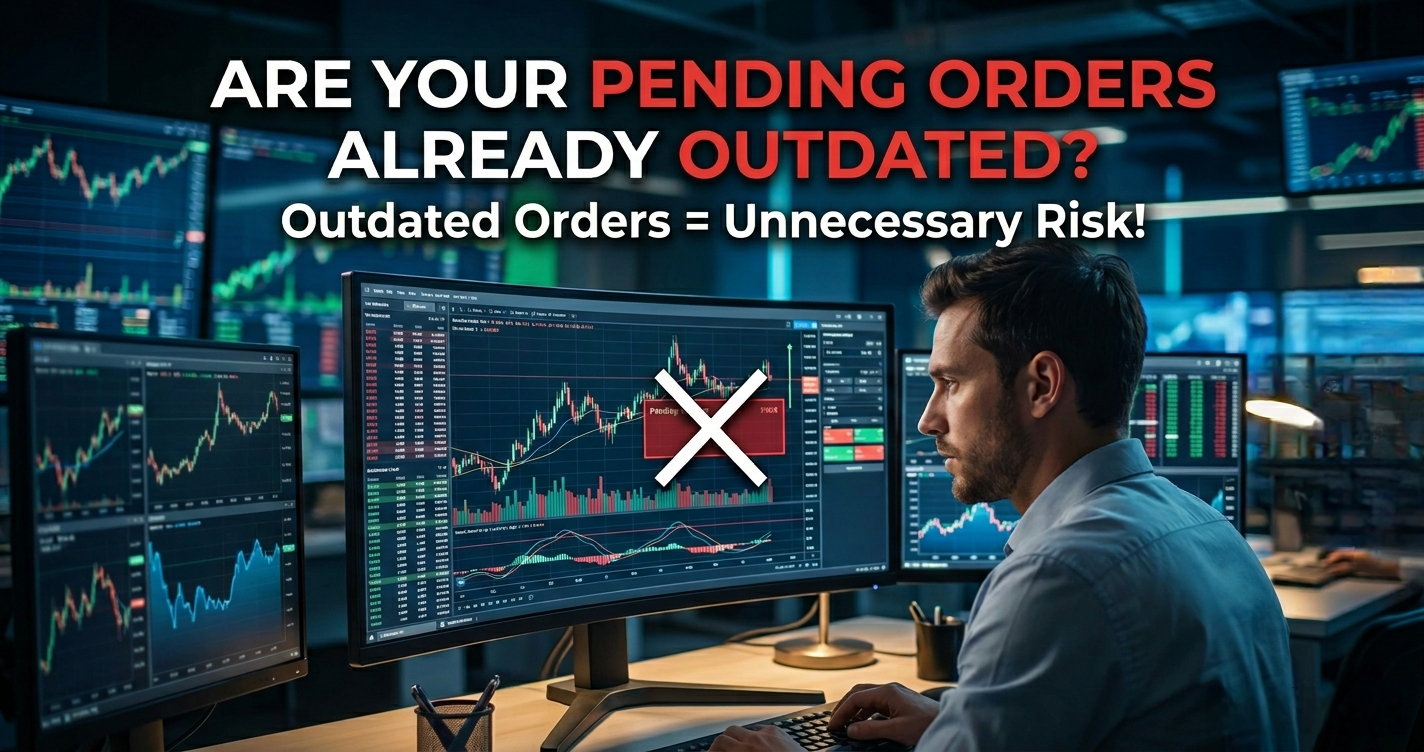
Most Pending Orders Are Outdated Before They Ever Trigger
A pending order is not a promise from the market.
It is only a temporary hypothesis based on structure, volatility, trend, liquidity, and timing. That is exactly why a setup is not automatically still valid just because the order is still sitting in the market.
This is one of the biggest mistakes in algorithmic trading:
Many systems place an order based on a clean setup and then treat it as if nothing has changed. But the market is not a static chart snapshot. It is a dynamic environment where conditions can shift within minutes.
What invalidates a pending setup often happens quietly:
Trend shifts: A breakout setup loses quality when momentum fades or reverses
Volatility changes: ATR, range expansion, and compression can completely change the risk-reward profile
Liquidity shifts: A level may already have been partially consumed or structurally weakened before the order is triggered
Spread expansion: Especially around session opens, rollovers, or news, a good entry can suddenly become inefficient
Time decay: The older the setup, the higher the probability that the original market logic no longer exists
News context: A pending order placed before a high-impact event is often built on structure that becomes irrelevant within seconds
Compression or market stress: A level may still exist visually, but the quality behind it may already be gone
That is why one principle matters:
A pending order should never be evaluated in isolation.
It must be continuously checked against the current market context.
Professional systems do exactly that.
They do not just ask: “Is the order still active?”
They ask:
Is the structure still intact?
Does the trend still support the idea?
Is the distance to the level still efficient?
Do volatility, spread, and session conditions still make sense?
Is there news risk approaching?
Is the setup still fresh - or just a leftover from an old market assumption?
At ICONIC.FX, this is not a minor detail. It is part of the architecture.
That means in practice:
Outdated pending orders are removed
Setups are revalidated instead of being left untouched
Structure-based entries are only taken if the context still supports them
Quality filters protect against entries in weak market conditions
News and volatility phases actively reshape order logic
Fresh market information always overrides old conviction
Because an old pending order is rarely a sign of patience.
More often, it is a sign that a system has stopped thinking.
And that is where the real difference begins between ordinary automation and professional algorithmic design:
A basic system places orders.
A professional system observes, re-evaluates, invalidates, and rebuilds.
If you do not revalidate orders consistently, you are not trading structure.
You are trading memory.
And memory has no edge in a live market.
Good pending-order management is not just order placement. It is context discipline.
Not every unfilled order is an opportunity. Many are simply old ideas the market has already moved beyond.
ICONIC.FX
Built for adaptive execution, structural precision, and context-aware order logic.
Trade with Intelligence. Trade Iconic.
A pending order is not a promise from the market.
It is only a temporary hypothesis based on structure, volatility, trend, liquidity, and timing. That is exactly why a setup is not automatically still valid just because the order is still sitting in the market.
This is one of the biggest mistakes in algorithmic trading:
Many systems place an order based on a clean setup and then treat it as if nothing has changed. But the market is not a static chart snapshot. It is a dynamic environment where conditions can shift within minutes.
What invalidates a pending setup often happens quietly:
Trend shifts: A breakout setup loses quality when momentum fades or reverses
Volatility changes: ATR, range expansion, and compression can completely change the risk-reward profile
Liquidity shifts: A level may already have been partially consumed or structurally weakened before the order is triggered
Spread expansion: Especially around session opens, rollovers, or news, a good entry can suddenly become inefficient
Time decay: The older the setup, the higher the probability that the original market logic no longer exists
News context: A pending order placed before a high-impact event is often built on structure that becomes irrelevant within seconds
Compression or market stress: A level may still exist visually, but the quality behind it may already be gone
That is why one principle matters:
A pending order should never be evaluated in isolation.
It must be continuously checked against the current market context.
Professional systems do exactly that.
They do not just ask: “Is the order still active?”
They ask:
Is the structure still intact?
Does the trend still support the idea?
Is the distance to the level still efficient?
Do volatility, spread, and session conditions still make sense?
Is there news risk approaching?
Is the setup still fresh - or just a leftover from an old market assumption?
At ICONIC.FX, this is not a minor detail. It is part of the architecture.
That means in practice:
Outdated pending orders are removed
Setups are revalidated instead of being left untouched
Structure-based entries are only taken if the context still supports them
Quality filters protect against entries in weak market conditions
News and volatility phases actively reshape order logic
Fresh market information always overrides old conviction
Because an old pending order is rarely a sign of patience.
More often, it is a sign that a system has stopped thinking.
And that is where the real difference begins between ordinary automation and professional algorithmic design:
A basic system places orders.
A professional system observes, re-evaluates, invalidates, and rebuilds.
If you do not revalidate orders consistently, you are not trading structure.
You are trading memory.
And memory has no edge in a live market.
Good pending-order management is not just order placement. It is context discipline.
Not every unfilled order is an opportunity. Many are simply old ideas the market has already moved beyond.
ICONIC.FX
Built for adaptive execution, structural precision, and context-aware order logic.
Trade with Intelligence. Trade Iconic.
Maurice Prang
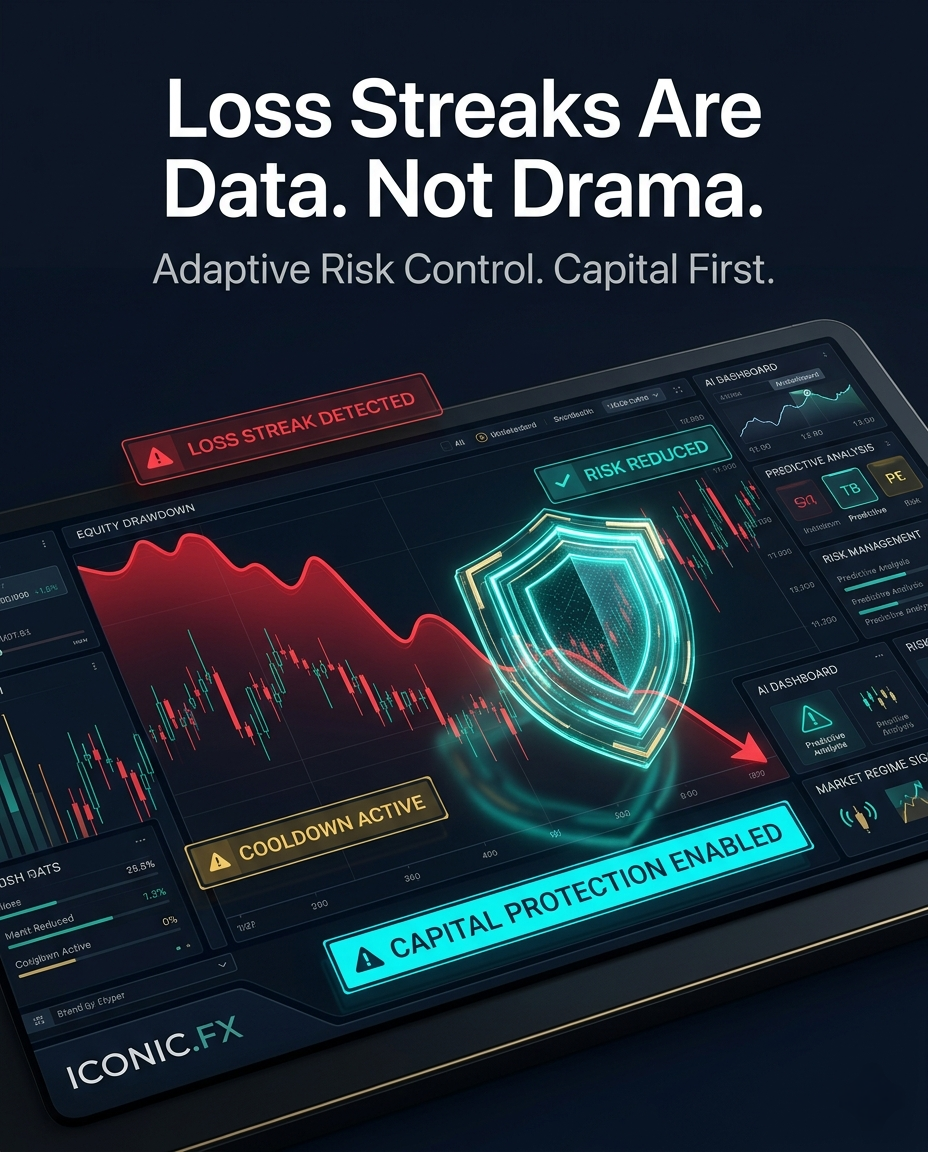
ICONIC.FX | Losing streaks are not an emotional problem. They are a mathematical signal.
Many traders misinterpret losing streaks.
They look at two, three, or four lost trades in a row and immediately think of failure, bad luck, or a "bad day." Professional system development evaluates this differently.
A losing streak is not a tragedy. It is information. It shows that market regime, volatility, liquidity structure, and model behavior are currently not aligning smoothly. And precisely at this moment, a common bot separates itself from true algorithmic architecture. A primitive EA simply continues during such a phase.
Same logic. Same risk. Same aggressiveness.
The result is almost always predictable: the damage is not contained; it is multiplied. At ICONIC.FX, this is exactly the point where a professional system must begin to think defensively.
This means:
Risk is reduced when market quality drops
Cooldowns are activated before overtrading occurs Loss-streak protection kicks in when the series becomes statistically critical Pending orders are re-evaluated instead of blindly remaining in the old context Capital protection takes precedence over activity
Because the most crucial capability of a trading algorithm is not to force the next trade immediately after a loss.
The most crucial capability is to recognize when the market currently does not suit its own logic. This is exactly why at ICONIC.FX, we do not build systems that bluntly execute signals. We build systems that evaluate market conditions, intelligently adjust risk, and consciously step back when in doubt. Losing streaks are not a sign of weakness.
They are a test for the quality of the risk architecture. Anyone who does not control their risk during such phases is not trading professionally. They are merely escalating uncertainty.
In algorithmic trading, the system that always trades does not win.
The system that wins is the one that knows when to trade less to protect more in the long run.
ICONIC.FX
Built for adaptive automation, intelligent risk control and market-regime awareness.
Trade with Intelligence. Trade Iconic.
Many traders misinterpret losing streaks.
They look at two, three, or four lost trades in a row and immediately think of failure, bad luck, or a "bad day." Professional system development evaluates this differently.
A losing streak is not a tragedy. It is information. It shows that market regime, volatility, liquidity structure, and model behavior are currently not aligning smoothly. And precisely at this moment, a common bot separates itself from true algorithmic architecture. A primitive EA simply continues during such a phase.
Same logic. Same risk. Same aggressiveness.
The result is almost always predictable: the damage is not contained; it is multiplied. At ICONIC.FX, this is exactly the point where a professional system must begin to think defensively.
This means:
Risk is reduced when market quality drops
Cooldowns are activated before overtrading occurs Loss-streak protection kicks in when the series becomes statistically critical Pending orders are re-evaluated instead of blindly remaining in the old context Capital protection takes precedence over activity
Because the most crucial capability of a trading algorithm is not to force the next trade immediately after a loss.
The most crucial capability is to recognize when the market currently does not suit its own logic. This is exactly why at ICONIC.FX, we do not build systems that bluntly execute signals. We build systems that evaluate market conditions, intelligently adjust risk, and consciously step back when in doubt. Losing streaks are not a sign of weakness.
They are a test for the quality of the risk architecture. Anyone who does not control their risk during such phases is not trading professionally. They are merely escalating uncertainty.
In algorithmic trading, the system that always trades does not win.
The system that wins is the one that knows when to trade less to protect more in the long run.
ICONIC.FX
Built for adaptive automation, intelligent risk control and market-regime awareness.
Trade with Intelligence. Trade Iconic.
: