|
no
experiencia
|
8
productos
|
0
versiones demo
|
|
0
trabajos
|
0
señales
|
0
suscriptores
|
info@algoteknik.com
https://www.mql5.com/en/job/new?prefered=bugraky123
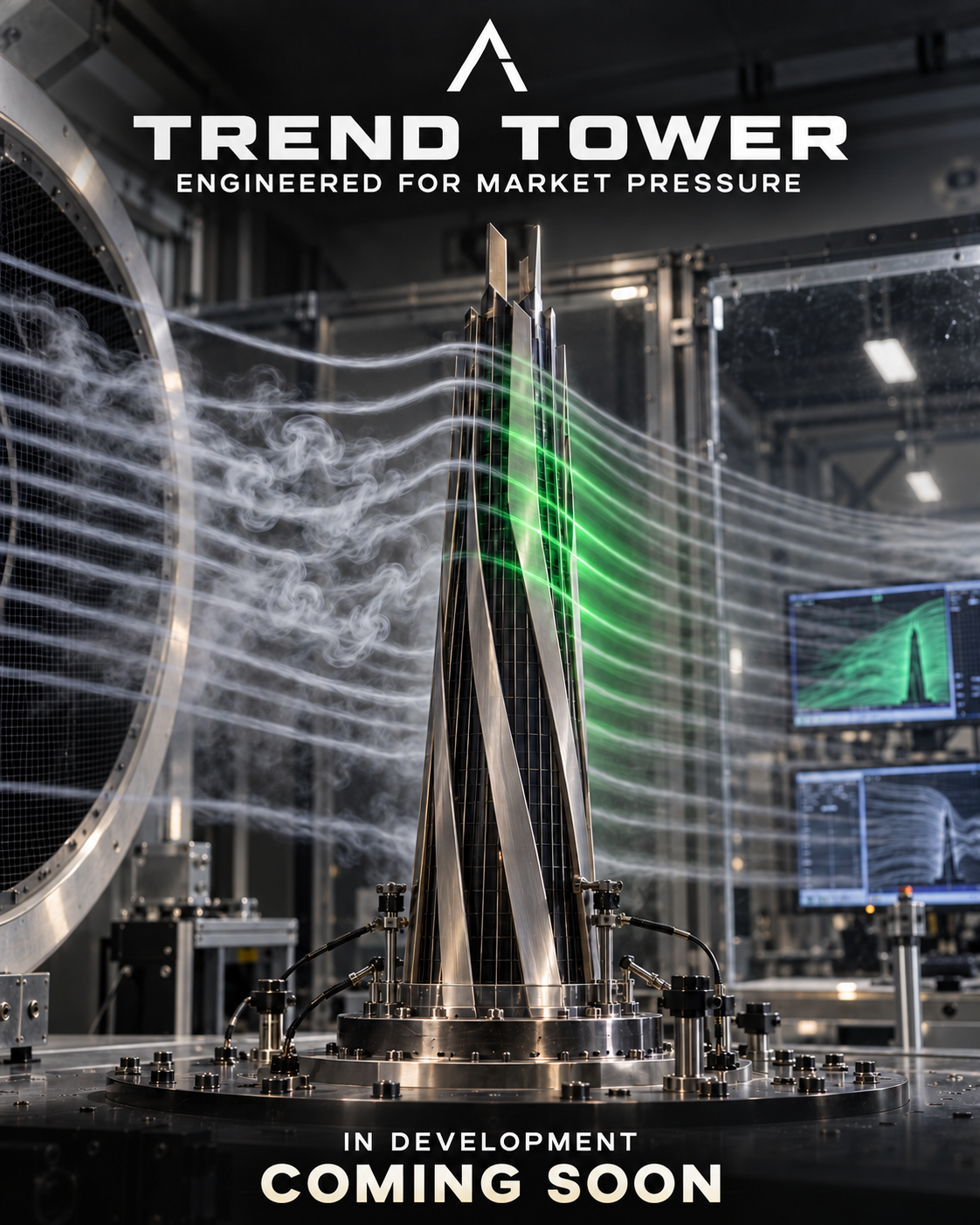
https://www.mql5.com/en/channels/trendtower
Engineered by Experience. Built for the Markets.
With more than 20 years of experience in software development and engineering, and over a decade dedicated specifically to algorithmic trading, our team combines deep technical expertise with extensive real-market trading knowledge.
Every Expert Advisor and indicator we develop is engineered with precision, discipline, and attention to detail. From strategy architecture and signal logic to execution, risk management, filtering, and user experience, every component is carefully designed and refined by an experienced development team.
We do not believe in releasing unfinished ideas. Every product goes through extensive development cycles, historical backtesting, forward testing, market-condition analysis, and continuous refinement before being introduced to the MQL5 Market.
Our goal is not simply to automate trading decisions, but to build robust, intelligent, and professionally engineered trading systems capable of adapting to the realities of modern financial markets.
We focus on reliability, execution quality, logical consistency, risk awareness, and long-term usability. Our systems are developed using years of accumulated trading experience, quantitative analysis, and advanced software engineering principles.
We approach every product as a serious engineering project — not as a simple trading script.
Our Expert Advisors and indicators are designed for traders who value technology, transparency, disciplined execution, and sophisticated market logic.
Behind every product is extensive research, countless tests, continuous optimization, and one clear objective:
To create professional-grade algorithmic trading tools that traders can use with confidence.
Because behind every chart, every position, and every decision, there is a trader working toward a goal.
We hope our technology becomes a trusted part of that journey — helping you trade with greater discipline, clarity, and confidence.
May every system we build bring you one step closer to your goals, and may every trade be made with knowledge, patience, and purpose.
From our team to yours — trade wisely, stay disciplined, and may the markets reward your preparation.
https://www.mql5.com/en/job/new?prefered=bugraky123
https://www.mql5.com/en/channels/trendtower
Engineered by Experience. Built for the Markets.
With more than 20 years of experience in software development and engineering, and over a decade dedicated specifically to algorithmic trading, our team combines deep technical expertise with extensive real-market trading knowledge.
Every Expert Advisor and indicator we develop is engineered with precision, discipline, and attention to detail. From strategy architecture and signal logic to execution, risk management, filtering, and user experience, every component is carefully designed and refined by an experienced development team.
We do not believe in releasing unfinished ideas. Every product goes through extensive development cycles, historical backtesting, forward testing, market-condition analysis, and continuous refinement before being introduced to the MQL5 Market.
Our goal is not simply to automate trading decisions, but to build robust, intelligent, and professionally engineered trading systems capable of adapting to the realities of modern financial markets.
We focus on reliability, execution quality, logical consistency, risk awareness, and long-term usability. Our systems are developed using years of accumulated trading experience, quantitative analysis, and advanced software engineering principles.
We approach every product as a serious engineering project — not as a simple trading script.
Our Expert Advisors and indicators are designed for traders who value technology, transparency, disciplined execution, and sophisticated market logic.
Behind every product is extensive research, countless tests, continuous optimization, and one clear objective:
To create professional-grade algorithmic trading tools that traders can use with confidence.
Because behind every chart, every position, and every decision, there is a trader working toward a goal.
We hope our technology becomes a trusted part of that journey — helping you trade with greater discipline, clarity, and confidence.
May every system we build bring you one step closer to your goals, and may every trade be made with knowledge, patience, and purpose.
From our team to yours — trade wisely, stay disciplined, and may the markets reward your preparation.
Amigos
3