FiboTrend Continuation Zones
- 指标
-
Michael B Neely
 I began with an interest in trading in the late 1990s. I became a broker in the US for commodities and currencies in 2002-2004. I started trading with my own money in 2009. I had a very profitable trading year in 2014 and on 2015 got out of the markets. I started coding in 2011 working with websites
 - 版本: 1.30
FiboTrend Continuation Zones draws recent impulse moves and Fibonacci pullback zones for discretionary trend-continuation analysis.
FiboTrend Continuation Zones is a visual MT5 indicator for traders who study pullbacks after strong directional moves.
The indicator identifies a recent qualifying impulse move, draws Fibonacci-style pullback levels, and highlights the 50.0%-61.8% pullback area for discretionary continuation analysis. It can also display optional reference levels for split entries, stop placement, a first target, and a runner target.
The indicator is intended to support manual chart review. It does not open, modify, or close trades. It does not manage risk or make trading decisions for the user.
Main features:
- Draws the latest qualifying impulse move.
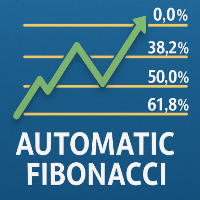
- Displays 30.0%, 38.2%, 50.0%, and 61.8% pullback levels.
- Highlights the 50.0%-61.8% pullback zone.
- Shows optional reference plan levels for manual review.
- Provides optional alerts when price reaches selected pullback levels.
- Includes configurable swing strength, ATR period, impulse threshold, colors, and line width.
Risk notice:
Trading foreign exchange, CFDs, and other leveraged financial products involves substantial risk and may not be suitable for all investors. Past price behavior does not guarantee future results. This indicator is provided for educational, research, and chart-analysis purposes only. It is not financial advice, investment advice, trading advice, or a recommendation to buy or sell any financial instrument.
All trading decisions are the responsibility of the user. Always test any tool, method, or strategy on historical data and demo accounts before considering live use. Use appropriate risk management and consult a qualified financial professional if needed.