Losses after losses… after losses! Here’s how this experienced UK trader bounced back from losing trades!
Tell us a little about yourself. Where are you from? What are your hobbies?
My name is John, and I’m originally from the UK. My hobbies include diving deep into philosophy, politics, and history, and I enjoy reading about these subjects. I also have a passion for learning new languages, and I’m currently working through the challenges of Mandarin. Fitness is another area I try to stay on top of, although I’m not always consistent—though I try!
How did you first get into Forex trading? What were you doing before?
My journey into Forex trading started after I made some money from a property investment a while back and was looking for a new place to invest. I stumbled across an advertisement for Financial Spreadbetting in Investors Chronicle, which piqued my interest. I enrolled in a small course, opened an account with CMC Markets, and that’s when I got hooked.
Before I started trading, I worked in the hospitality industry, which I gradually grew to despise. I was looking for an escape and noticed that many of my colleagues had careers in London’s financial district. I realized they didn’t seem any smarter than me, and it gave me the confidence to seek a similar line of work.
You’ve been trading Forex and CFDs since 2003. What did you focus on during your first three years?
In my early years, I primarily focused on trading silver. I truly believed it was set to skyrocket and was a big supporter of the precious metals market. I still find success with gold and silver, especially during those rare parabolic price movements. However, my focus has since shifted.
Throughout my trading career, I’ve explored many different areas, from day trading to Forex, indices (which remains a favorite), oil, and even various technical strategies. There’s been a lot of experimentation, but each phase taught me valuable lessons.
Can you walk us through a typical day in your life as a trader?
I tend to wake up early since I live in Thailand for most of the year. The cooler mornings help me start my day at around 4 or 5 AM. I like to fill my mind with something uplifting, often reading books on spirituality or metaphysics, or I’ll meditate.
Afterward, I catch up on the latest global events, particularly political updates from the UK. The markets don’t really heat up until around 2 PM, but I also keep an eye on what’s happening in China.
My primary trading schedule involves checking the charts at 12 PM and 8 PM since I work with 8-hour charts. I follow specific price action strategies, so I need to be present after each session. The rest of my time is spent learning or working on my new trading blog.
What has been your biggest challenge in Forex trading? How did you overcome it?
The biggest hurdle was figuring out my identity as a trader. I went through countless changes in trading methods, constantly flipping between strategies. The turning point came when I decided to stop trading short positions—this was a game-changer for me.
For years, I suffered greater losses from shorting than any other trades, but I’d also occasionally hit big wins, which only kept me attached to that side of trading. Eventually, when I stopped, my profits soared, and my trading improved dramatically. I simply couldn’t handle both sides of the market.
How has trading impacted your life and what has it taught you?
Trading has transformed me in ways beyond money. It has taught me resilience, patience, and how to embrace a more stoic mindset. Over the years, I’ve become a more confident and effective person.
Trading forces you to confront your inner challenges—it’s a battle with yourself. But when you come through it, you emerge as a completely changed individual.
What advice would you give to someone just starting in the market?
My advice for beginners is to fully understand your initial incompetence. In the beginning, you’re essentially cannon fodder for the market, and recognizing this reality helps prevent overconfidence.
Read classics like Market Wizards and Reminiscences of a Stock Operator at least once a year. Also, dive into books on performance psychology like those by Brett Steenbarger and Mark Douglas. And above all, don’t believe that trading more means making more money—focus on quality, not quantity.
How do you deal with the stress of a losing trade?
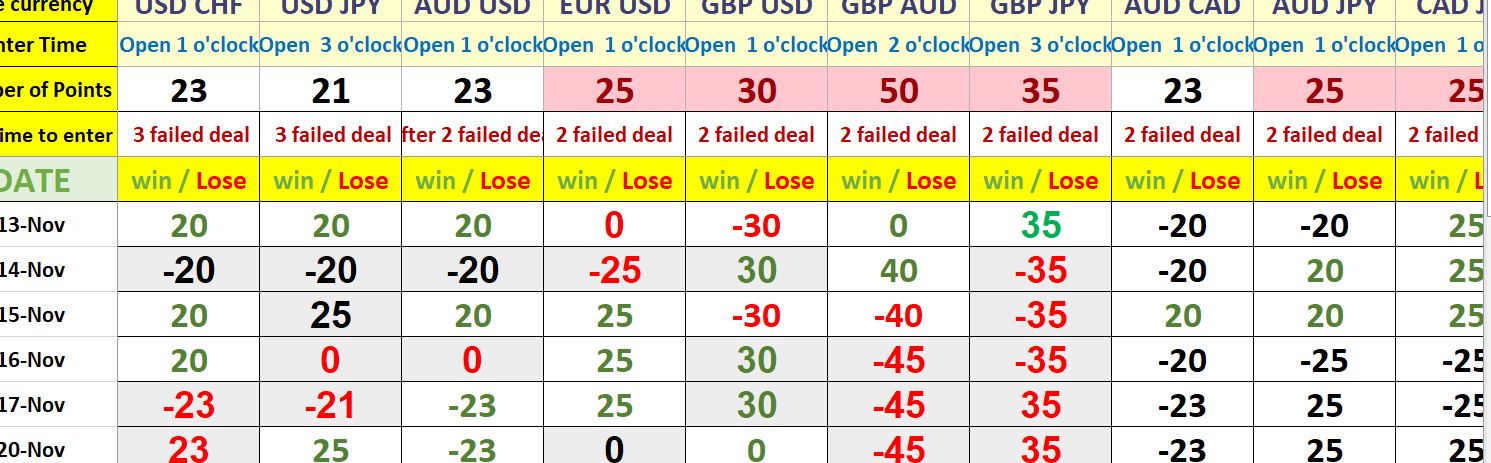
I used to handle losing trades with a beer—though that didn’t turn out well! Over time, I’ve learned to accept losses as part of the process. I once had a streak of 50 consecutive losing trades, so a single loss now doesn’t bother me as much.
In my earlier days, I had a scarcity mindset, but over time, I adopted a mindset of abundance. This shift made losses feel less significant and helped me become a better trader.
If you could recommend one book and one movie to a trader, what would they be?
For a book, I’d recommend Enhancing Trading Performance by Brett Steenbarger. It profoundly changed my approach to trading and my understanding of the learning process.
For a movie, I’d go with The Big Short. It’s a great illustration of how flawed trading purely on fundamentals can be. The protagonist is right in theory but struggles with timing, which nearly costs him everything—until the market catches on.
What activities do you enjoy when you’re not trading?
When I’m not trading, I enjoy spending time outside the city in Chiang Mai. There are so many great spots for motorbiking, trekking, and walking. It’s incredibly peaceful, and I find that it helps me recharge.