Abdalla Mohamed Mahmoud Taha / 个人资料
- 信息
|
8+ 年
经验
|
0
产品
|
0
演示版
|
|
0
工作
|
0
信号
|
0
订阅者
|
my name Abdalla Mohamed, I have more than 11 years experience in forex market .
I am very professional scalping trader and I own research and studies on the pairs of the British pound
, i have signals providers at MT4 / MT5 , available through the MQL5.com Market.
I am very professional scalping trader and I own research and studies on the pairs of the British pound
, i have signals providers at MT4 / MT5 , available through the MQL5.com Market.
Abdalla Mohamed Mahmoud Taha
اهم المصطلحات فى سوق العملات :
الفوركس (Forex) : سوق تبادل العملات الأجنبية وهو أكبر سوق مالي في العالم يعمل 24 ساعة يومياً.
زوج العملات (Currency Pair) : أداة التداول التي يتم فيها شراء عملة مقابل بيع عملة أخرى في نفس اللحظة.
العملة الأساسية (Base Currency) : العملة الأولى في زوج العملات والتي يتم حساب قيمة الصفقة بناءً عليها.
عملة التسعير (Quote Currency) : العملة الثانية في الزوج وتُظهر قيمتها مقابل العملة الأساسية.
السبريد (Spread) : الفرق بين سعر البيع وسعر الشراء وهو يمثل تكلفة التداول لدى الوسيط.
اللوت (Lot) : وحدة قياس حجم الصفقة، واللوت القياسي يساوي 100,000 وحدة من العملة الأساسية.
الميكرو لوت (Micro Lot) : حجم تداول صغير يعادل 1,000 وحدة من العملة الأساسية.
النقطة (Pip) : أصغر تغيير في حركة السعر في زوج العملات وغالبًا تساوي 0.0001.
الرافعة المالية (Leverage) : أداة تسمح بالتداول بمبالغ أكبر من رأس المال الحقيقي بنسبة معينة.
الهامش (Margin) : المبلغ المحجوز من الحساب كضمان لفتح صفقة باستخدام الرافعة.
نداء الهامش (Margin Call) : تنبيه من الوسيط عند انخفاض رأس المال لدرجة تهدد استمرار الصفقات المفتوحة.
الإغلاق الإجباري (Stop Out) : إغلاق تلقائي للصفقات عند انخفاض الهامش إلى حد خطير.
أمر السوق (Market Order) : دخول في صفقة فورًا بسعر السوق الحالي.
الأمر المعلق (Pending Order) : أمر للتداول يُنفذ عند وصول السعر إلى مستوى معين لاحقًا.
وقف الخسارة (Stop Loss) : أمر لحماية الصفقة من الخسائر بإغلاقها عند مستوى محدد مسبقًا.
جني الأرباح (Take Profit) : أمر لإغلاق الصفقة تلقائيًا عند الوصول إلى مستوى ربح معين.
أوامر الحد (Limit Orders) : أوامر بيع أو شراء تُنفذ فقط عند سعر أفضل من السعر الحالي.
أوامر الوقف (Stop Orders) : أوامر تُنفذ عند وصول السعر إلى مستوى محدد، غالبًا مع اختراق الاتجاه.
انزلاق سعري (Slippage) : اختلاف بين السعر المطلوب والسعر الذي تم تنفيذ الصفقة عنده فعليًا.
السيولة (Liquidity) : قدرة السوق على تنفيذ الصفقات بسرعة دون تغيير كبير في السعر.
التذبذب (Volatility) : مقدار حركة الأسعار صعودًا وهبوطًا خلال فترة زمنية معينة.
الاستقرارية (Stability) : درجة ثبات حركة السعر دون تقلبات حادة أو مفاجئة.
الموثوقية (Reliability) : قدرة الوسيط أو المنصة أو الأداة على العمل بدقة وثبات دون أعطال أو تلاعب.
مزود السيولة (Liquidity Provider) : جهة تؤمّن أوامر بيع وشراء للبروكر ليتمكن من تنفيذ صفقات العملاء.
السواب (Swap) : فائدة تُضاف أو تُخصم عند بقاء الصفقة مفتوحة بعد منتصف الليل.
التحوط (Hedging) : فتح صفقة معاكسة لحماية رأس المال من تقلبات السوق.
التحليل الفني (Technical Analysis) : تحليل حركة السعر باستخدام الرسوم البيانية والأدوات الفنية.
التحليل السعري (Price Action) : تحليل حركة السعر بدون مؤشرات، اعتمادًا على الشموع والمستويات.
استراتيجية التداول (Trading Strategy) : خطة تداول مبنية على قواعد واضحة للدخول والخروج.
إدارة رأس المال (Money Management) : أسلوب لتحديد حجم المخاطر في كل صفقة لحماية الحساب.
إدارة المخاطر (Risk Management) : وضع قواعد لتقليل الخسائر وتحسين الأمان الاستثماري.
خطة التداول (Trading Plan) : مجموعة قواعد يلتزم بها المتداول أثناء عمله في السوق.
أزواج رئيسية (Major Pairs) : الأزواج التي تضم الدولار الأمريكي مثل EUR/USD و GBP/USD.
أزواج ثانوية (Minor Pairs) : أزواج لا تحتوي على الدولار مثل EUR/JPY و GBP/CHF.
أزواج غريبة (Exotic Pairs) : أزواج تحتوي على عملة رئيسية مقابل عملة دولة ناشئة مثل USD/TRY.
السوق الصاعد (Bull Market) : سوق تتحرك فيه الأسعار في اتجاه صعودي لفترة مستمرة.
السوق الهابط (Bear Market) : سوق تتحرك فيه الأسعار في اتجاه هبوطي لفترة ممتدة.
التنفيذ الفوري (Instant Execution) : فتح الصفقة لحظة الضغط على الأمر بسعر معروض ثابت.
تنفيذ السوق (Market Execution) : فتح الصفقة حسب السعر المتاح في السوق وقد يحدث انزلاق سعري.
خادم التداول (Trading Server) : الخادم الذي يتم عبره إرسال أوامر التداول وتنفيذها.
منصة التداول (Trading Platform) : البرنامج المستخدَم لتنفيذ الصفقات مثل MT4 أو MT5.
حساب ECN (ECN Account) : حساب تداول يوفر اتصالًا مباشرًا مع مزودي السيولة بدون تلاعب بالأسعار.
حساب STP (STP Account) : حساب يرسل أوامر التداول مباشرةً إلى مزودي السيولة دون تدخل الوسيط.
مخالفة السعر (Requote) : رفض تنفيذ الصفقة وإرسال سعر مختلف بسبب تغيّر سريع في السوق.
المؤشر الفني (Indicator) : أداة تحليل تُضاف إلى الرسم البياني لتفسير الحركة السعرية.
انفجار سعري (Price Explosion) : حركة قوية مفاجئة في السعر خلال فترة قصيرة.
التذبذب المنخفض (Low Volatility) : حركة بطيئة في السعر بدون تقلبات عالية.
فجوة سعرية (Gap) : فراغ سعري بين إغلاق يوم وافتتاح اليوم التالي بدون تداول بينهما.
سيولة ضعيفة (Low Liquidity) : قلة أوامر الشراء والبيع مما يسبب صعوبة في تنفيذ الصفقات بسعر جيد.
عمق السوق (Market Depth) : كمية أوامر البيع والشراء المتاحة عند مستويات سعر متعددة.
الرافعة غير المحدودة (Unlimited Leverage) : نوع من الرافعة المالية يوفر قدرة تداول كبيرة جدًا مقارنة برأس المال.
تعديل الهامش (Margin Adjustment) : تغيير متطلبات الهامش من جانب الوسيط في أوقات التقلب الشديد.
سحب الأرباح (Withdrawal) : تحويل الربح من منصة التداول إلى الحساب البنكي أو وسيلة السحب.
إيداع الأموال (Deposit) : إضافة رصيد إلى حساب التداول لتمويل الصفقات.
الانسحاب النفسي (Emotional Exit) : إغلاق الصفقة بسبب الخوف أو الطمع وليس وفق الخطة.
تجميد الصفقة (Locked Position) : فتح صفقة بيع وصفقة شراء على نفس الزوج لمنع الخسارة من الزيادة.
صفقة خاسرة (Losing Trade) : صفقة أغلقت بنتيجة سالبة على رصيد الحساب.
صفقة رابحة (Winning Trade) : صفقة أغلقت بنتيجة موجبة وأرباح مضافة للحساب.
الفوركس (Forex) : سوق تبادل العملات الأجنبية وهو أكبر سوق مالي في العالم يعمل 24 ساعة يومياً.
زوج العملات (Currency Pair) : أداة التداول التي يتم فيها شراء عملة مقابل بيع عملة أخرى في نفس اللحظة.
العملة الأساسية (Base Currency) : العملة الأولى في زوج العملات والتي يتم حساب قيمة الصفقة بناءً عليها.
عملة التسعير (Quote Currency) : العملة الثانية في الزوج وتُظهر قيمتها مقابل العملة الأساسية.
السبريد (Spread) : الفرق بين سعر البيع وسعر الشراء وهو يمثل تكلفة التداول لدى الوسيط.
اللوت (Lot) : وحدة قياس حجم الصفقة، واللوت القياسي يساوي 100,000 وحدة من العملة الأساسية.
الميكرو لوت (Micro Lot) : حجم تداول صغير يعادل 1,000 وحدة من العملة الأساسية.
النقطة (Pip) : أصغر تغيير في حركة السعر في زوج العملات وغالبًا تساوي 0.0001.
الرافعة المالية (Leverage) : أداة تسمح بالتداول بمبالغ أكبر من رأس المال الحقيقي بنسبة معينة.
الهامش (Margin) : المبلغ المحجوز من الحساب كضمان لفتح صفقة باستخدام الرافعة.
نداء الهامش (Margin Call) : تنبيه من الوسيط عند انخفاض رأس المال لدرجة تهدد استمرار الصفقات المفتوحة.
الإغلاق الإجباري (Stop Out) : إغلاق تلقائي للصفقات عند انخفاض الهامش إلى حد خطير.
أمر السوق (Market Order) : دخول في صفقة فورًا بسعر السوق الحالي.
الأمر المعلق (Pending Order) : أمر للتداول يُنفذ عند وصول السعر إلى مستوى معين لاحقًا.
وقف الخسارة (Stop Loss) : أمر لحماية الصفقة من الخسائر بإغلاقها عند مستوى محدد مسبقًا.
جني الأرباح (Take Profit) : أمر لإغلاق الصفقة تلقائيًا عند الوصول إلى مستوى ربح معين.
أوامر الحد (Limit Orders) : أوامر بيع أو شراء تُنفذ فقط عند سعر أفضل من السعر الحالي.
أوامر الوقف (Stop Orders) : أوامر تُنفذ عند وصول السعر إلى مستوى محدد، غالبًا مع اختراق الاتجاه.
انزلاق سعري (Slippage) : اختلاف بين السعر المطلوب والسعر الذي تم تنفيذ الصفقة عنده فعليًا.
السيولة (Liquidity) : قدرة السوق على تنفيذ الصفقات بسرعة دون تغيير كبير في السعر.
التذبذب (Volatility) : مقدار حركة الأسعار صعودًا وهبوطًا خلال فترة زمنية معينة.
الاستقرارية (Stability) : درجة ثبات حركة السعر دون تقلبات حادة أو مفاجئة.
الموثوقية (Reliability) : قدرة الوسيط أو المنصة أو الأداة على العمل بدقة وثبات دون أعطال أو تلاعب.
مزود السيولة (Liquidity Provider) : جهة تؤمّن أوامر بيع وشراء للبروكر ليتمكن من تنفيذ صفقات العملاء.
السواب (Swap) : فائدة تُضاف أو تُخصم عند بقاء الصفقة مفتوحة بعد منتصف الليل.
التحوط (Hedging) : فتح صفقة معاكسة لحماية رأس المال من تقلبات السوق.
التحليل الفني (Technical Analysis) : تحليل حركة السعر باستخدام الرسوم البيانية والأدوات الفنية.
التحليل السعري (Price Action) : تحليل حركة السعر بدون مؤشرات، اعتمادًا على الشموع والمستويات.
استراتيجية التداول (Trading Strategy) : خطة تداول مبنية على قواعد واضحة للدخول والخروج.
إدارة رأس المال (Money Management) : أسلوب لتحديد حجم المخاطر في كل صفقة لحماية الحساب.
إدارة المخاطر (Risk Management) : وضع قواعد لتقليل الخسائر وتحسين الأمان الاستثماري.
خطة التداول (Trading Plan) : مجموعة قواعد يلتزم بها المتداول أثناء عمله في السوق.
أزواج رئيسية (Major Pairs) : الأزواج التي تضم الدولار الأمريكي مثل EUR/USD و GBP/USD.
أزواج ثانوية (Minor Pairs) : أزواج لا تحتوي على الدولار مثل EUR/JPY و GBP/CHF.
أزواج غريبة (Exotic Pairs) : أزواج تحتوي على عملة رئيسية مقابل عملة دولة ناشئة مثل USD/TRY.
السوق الصاعد (Bull Market) : سوق تتحرك فيه الأسعار في اتجاه صعودي لفترة مستمرة.
السوق الهابط (Bear Market) : سوق تتحرك فيه الأسعار في اتجاه هبوطي لفترة ممتدة.
التنفيذ الفوري (Instant Execution) : فتح الصفقة لحظة الضغط على الأمر بسعر معروض ثابت.
تنفيذ السوق (Market Execution) : فتح الصفقة حسب السعر المتاح في السوق وقد يحدث انزلاق سعري.
خادم التداول (Trading Server) : الخادم الذي يتم عبره إرسال أوامر التداول وتنفيذها.
منصة التداول (Trading Platform) : البرنامج المستخدَم لتنفيذ الصفقات مثل MT4 أو MT5.
حساب ECN (ECN Account) : حساب تداول يوفر اتصالًا مباشرًا مع مزودي السيولة بدون تلاعب بالأسعار.
حساب STP (STP Account) : حساب يرسل أوامر التداول مباشرةً إلى مزودي السيولة دون تدخل الوسيط.
مخالفة السعر (Requote) : رفض تنفيذ الصفقة وإرسال سعر مختلف بسبب تغيّر سريع في السوق.
المؤشر الفني (Indicator) : أداة تحليل تُضاف إلى الرسم البياني لتفسير الحركة السعرية.
انفجار سعري (Price Explosion) : حركة قوية مفاجئة في السعر خلال فترة قصيرة.
التذبذب المنخفض (Low Volatility) : حركة بطيئة في السعر بدون تقلبات عالية.
فجوة سعرية (Gap) : فراغ سعري بين إغلاق يوم وافتتاح اليوم التالي بدون تداول بينهما.
سيولة ضعيفة (Low Liquidity) : قلة أوامر الشراء والبيع مما يسبب صعوبة في تنفيذ الصفقات بسعر جيد.
عمق السوق (Market Depth) : كمية أوامر البيع والشراء المتاحة عند مستويات سعر متعددة.
الرافعة غير المحدودة (Unlimited Leverage) : نوع من الرافعة المالية يوفر قدرة تداول كبيرة جدًا مقارنة برأس المال.
تعديل الهامش (Margin Adjustment) : تغيير متطلبات الهامش من جانب الوسيط في أوقات التقلب الشديد.
سحب الأرباح (Withdrawal) : تحويل الربح من منصة التداول إلى الحساب البنكي أو وسيلة السحب.
إيداع الأموال (Deposit) : إضافة رصيد إلى حساب التداول لتمويل الصفقات.
الانسحاب النفسي (Emotional Exit) : إغلاق الصفقة بسبب الخوف أو الطمع وليس وفق الخطة.
تجميد الصفقة (Locked Position) : فتح صفقة بيع وصفقة شراء على نفس الزوج لمنع الخسارة من الزيادة.
صفقة خاسرة (Losing Trade) : صفقة أغلقت بنتيجة سالبة على رصيد الحساب.
صفقة رابحة (Winning Trade) : صفقة أغلقت بنتيجة موجبة وأرباح مضافة للحساب.
Abdalla Mohamed Mahmoud Taha
السلوك الإدماني في عالم التداول حقيقه لا خيال
علينا كلنا كمتداولين إننا نعترف إن عندنا بدرجات مختلفه نوع من أنواع السلوك الإدماني تجاه التداول، وده شئ بيحصل مع الوقت من غير ما نحس بيه. لأن التداول مش مجرد أرقام على الشاشه ولا صفقات بتتفتح وتتقفل، هو في الحقيقه بيأثر في المشاعر وبيتحكم في قراراتنا أحيانًا من غير وعي، ومع الوقت ممكن يتحول لعادة صعب نكسرها.
بالطبع، يختلف مستوى الإدمان من شخص لآخر.عند مراجعتي لبعض حساباتي، وجدت أنني أفتح أول صفقة على الحساب خلال أقل من دقيقة بعد عملية الإيداع.
هذا مثال واضح وضوح الشمس على السلوك الإدماني.من خلال عملي في إحدى الشركات، تم إجراء تحديث للمنصة وانتقال السيرفر، وتوقف العمل ليوم واحد.
في اليوم ده شفت ناس كتير جدًا متوترة وقلقانة ومش عارفه تتصرف من غير السوق، كأن في حاجه ناقصه في يومهم، وده أكبر دليل إن في تعلق زائد بالتداول وصعوبه في التوقف حتى لو ليوم واحد بس.
ومن العلامات اللي بتوضح السلوك الإدماني إنك مش بتعرف توقف رغم الخسائر، تفضل تفتح صفقات ورا بعض على أمل إنك تعوض، بس من غير خطة واضحه. كمان في ناس بتبدأ تهمل حاجات تانية مهمه في حياتها، شغلها أو أهلها أو حتى صحتها، لأن السوق بياخد كل التركيز والوقت.
كمان المزاج بيتقلب بسرعه، فرحه كبيره لما تكسب، وضيق شديد أو غضب لما تخسر، وده بيخلي القرارات دايمًا فيها اندفاع، مش عقل. ومع مرور الوقت بتزيد المخاطره بشكل مبالغ فيه علشان الاحساس بالنشوه، وساعتها ممكن تبدأ تخبي تصرفاتك أو حسابك عن الناس عشان محدش يعرف الخسائر أو الوقت اللي بتقضيه.
الحل إنك تكون صريح مع نفسك وتحط خطة مكتوبه وواضحه، تحدد فيها أهدافك وأسباب دخولك وخروجك من كل صفقة، وتلتزم بيها مهما حصل. كمان لازم تخصص أوقات معينه لمتابعة السوق ومتطولش عنها، ومع كل فترة تراجع شغلك وتشوف أخطائك مش بس في الأرقام لكن كمان في مشاعرك وقت التداول.
الخلاصه إن النجاح الحقيقي في التداول مش في كتر الأرباح، لكن في قدرتك إنك تتحكم في نفسك. اللي مش قادر يسيطر على سلوكياته مش هيقدر يسيطر على حسابه ولا يحقق استقرار. وعلشان توصل لمرحلة ثابته لازم تكون واعي وتتعلم ازاي توقف لما تحس إنك دخلت دايرة الإدمان.
كتبه عبدالله محمد
علينا كلنا كمتداولين إننا نعترف إن عندنا بدرجات مختلفه نوع من أنواع السلوك الإدماني تجاه التداول، وده شئ بيحصل مع الوقت من غير ما نحس بيه. لأن التداول مش مجرد أرقام على الشاشه ولا صفقات بتتفتح وتتقفل، هو في الحقيقه بيأثر في المشاعر وبيتحكم في قراراتنا أحيانًا من غير وعي، ومع الوقت ممكن يتحول لعادة صعب نكسرها.
بالطبع، يختلف مستوى الإدمان من شخص لآخر.عند مراجعتي لبعض حساباتي، وجدت أنني أفتح أول صفقة على الحساب خلال أقل من دقيقة بعد عملية الإيداع.
هذا مثال واضح وضوح الشمس على السلوك الإدماني.من خلال عملي في إحدى الشركات، تم إجراء تحديث للمنصة وانتقال السيرفر، وتوقف العمل ليوم واحد.
في اليوم ده شفت ناس كتير جدًا متوترة وقلقانة ومش عارفه تتصرف من غير السوق، كأن في حاجه ناقصه في يومهم، وده أكبر دليل إن في تعلق زائد بالتداول وصعوبه في التوقف حتى لو ليوم واحد بس.
ومن العلامات اللي بتوضح السلوك الإدماني إنك مش بتعرف توقف رغم الخسائر، تفضل تفتح صفقات ورا بعض على أمل إنك تعوض، بس من غير خطة واضحه. كمان في ناس بتبدأ تهمل حاجات تانية مهمه في حياتها، شغلها أو أهلها أو حتى صحتها، لأن السوق بياخد كل التركيز والوقت.
كمان المزاج بيتقلب بسرعه، فرحه كبيره لما تكسب، وضيق شديد أو غضب لما تخسر، وده بيخلي القرارات دايمًا فيها اندفاع، مش عقل. ومع مرور الوقت بتزيد المخاطره بشكل مبالغ فيه علشان الاحساس بالنشوه، وساعتها ممكن تبدأ تخبي تصرفاتك أو حسابك عن الناس عشان محدش يعرف الخسائر أو الوقت اللي بتقضيه.
الحل إنك تكون صريح مع نفسك وتحط خطة مكتوبه وواضحه، تحدد فيها أهدافك وأسباب دخولك وخروجك من كل صفقة، وتلتزم بيها مهما حصل. كمان لازم تخصص أوقات معينه لمتابعة السوق ومتطولش عنها، ومع كل فترة تراجع شغلك وتشوف أخطائك مش بس في الأرقام لكن كمان في مشاعرك وقت التداول.
الخلاصه إن النجاح الحقيقي في التداول مش في كتر الأرباح، لكن في قدرتك إنك تتحكم في نفسك. اللي مش قادر يسيطر على سلوكياته مش هيقدر يسيطر على حسابه ولا يحقق استقرار. وعلشان توصل لمرحلة ثابته لازم تكون واعي وتتعلم ازاي توقف لما تحس إنك دخلت دايرة الإدمان.
كتبه عبدالله محمد
Abdalla Mohamed Mahmoud Taha
📊 Trading Styles
Scalping → Very short trades (seconds/minutes).
Day Trading → Enter and exit within a day.
Swing Trading → Hold for days/weeks.
Position Trading → Long-term, based on fundamentals.
Scalping → Very short trades (seconds/minutes).
Day Trading → Enter and exit within a day.
Swing Trading → Hold for days/weeks.
Position Trading → Long-term, based on fundamentals.
分享社交网络 · 1
Abdalla Mohamed Mahmoud Taha
Are there people around the world who made over a million dollars just by trading forex?
Yes, there are indeed people around the world who have made more than a million dollars through forex trading — but this fact needs some very important clarification to avoid painting a rosy or misleading picture.
✅ Real-life examples of traders who earned millions:
George Soros – the most famous of all
In 1992, he made over $1 billion in a single day by short-selling the British pound.
He's known as “the man who broke the Bank of England.”
He used macroeconomic strategies (not just technical analysis).
Bill Lipschutz
Turned $12,000 into millions over the years at Salomon Brothers.
He was known for rarely losing and maintaining consistent, steady profits.
Modern traders with funded or personal accounts:
Some modern traders have made profits using funded accounts like FTMO or MyForexFunds, then later moved to personal accounts and gradually built wealth.
Some document their journey on YouTube or MyFXBook with verified records.
❗️But it's important to know the following:
Statistic Number
Percentage of losing traders Over 70–90%
Traders making consistent yearly profits Less than 10%
Those who reach $1 million or more Less than 1%
💡 Common traits among million-dollar traders:
Strict risk and capital management
Patience over many years
Constantly improving their strategies
Very strong mindset (controlling fear and greed)
Focusing only on high-quality setups (not every price move)
📌 Key takeaway:
Yes, trading can build wealth — but it requires long-term commitment, realism, and professionalism.
Those who reach a million dollars in trading don’t get there by “luck,” but through mental discipline, professional analysis, and accumulated experience.
Yes, there are indeed people around the world who have made more than a million dollars through forex trading — but this fact needs some very important clarification to avoid painting a rosy or misleading picture.
✅ Real-life examples of traders who earned millions:
George Soros – the most famous of all
In 1992, he made over $1 billion in a single day by short-selling the British pound.
He's known as “the man who broke the Bank of England.”
He used macroeconomic strategies (not just technical analysis).
Bill Lipschutz
Turned $12,000 into millions over the years at Salomon Brothers.
He was known for rarely losing and maintaining consistent, steady profits.
Modern traders with funded or personal accounts:
Some modern traders have made profits using funded accounts like FTMO or MyForexFunds, then later moved to personal accounts and gradually built wealth.
Some document their journey on YouTube or MyFXBook with verified records.
❗️But it's important to know the following:
Statistic Number
Percentage of losing traders Over 70–90%
Traders making consistent yearly profits Less than 10%
Those who reach $1 million or more Less than 1%
💡 Common traits among million-dollar traders:
Strict risk and capital management
Patience over many years
Constantly improving their strategies
Very strong mindset (controlling fear and greed)
Focusing only on high-quality setups (not every price move)
📌 Key takeaway:
Yes, trading can build wealth — but it requires long-term commitment, realism, and professionalism.
Those who reach a million dollars in trading don’t get there by “luck,” but through mental discipline, professional analysis, and accumulated experience.
MICHEL EDOUARD M ROELANS
2025.07.21
You forgot to add: Are there people around the world who made over a million dollars just by using EA/bot?
Abdalla Mohamed Mahmoud Taha
How to Accept Trading Losses Constructively
Losing is an inevitable part of trading — so you might as well learn how to handle it.
Just like in life, forex trading comes with its ups and downs. Many traders, especially beginners, find it easy to stay motivated when they’re winning, but once the losses start adding up, they often become discouraged.
Approaching trading with the mindset that losing is unacceptable can be both unrealistic and harmful.
The truth is, losses aren’t just unavoidable — they’re actually a crucial part of your growth as a trader. If you’re not mentally prepared to lose, your chances of long-term success in the forex market are slim to none.
If you struggle with the idea of “acceptable losses,” here’s a helpful way to shift your mindset: think of losing as a close and loyal friend — one who’s always by your side.
A true friend tells you the hard truths, even when they’re uncomfortable to hear. They don’t sugarcoat things just to spare your feelings.
Sometimes they criticize you or call you out on your mistakes, but at the end of the day, you know it’s because they care and want to see you succeed.
Just like with your real-life friends, you should listen carefully to what your losses are trying to tell you. Each loss has a lesson — if you’re willing to learn from it, you’ll become a better trader over time.
The most successful traders understand this well. They know they could lose 100 trades in a month and still keep moving forward because they view every loss as a valuable learning experience.
They accept that losing isn’t failure — it’s simply part of the business.
So, embrace your friendship with losses. Learn to smile when they come, because each loss is another opportunity to improve, refine your skills, and grow into a more resilient, successful trader.
Losing is an inevitable part of trading — so you might as well learn how to handle it.
Just like in life, forex trading comes with its ups and downs. Many traders, especially beginners, find it easy to stay motivated when they’re winning, but once the losses start adding up, they often become discouraged.
Approaching trading with the mindset that losing is unacceptable can be both unrealistic and harmful.
The truth is, losses aren’t just unavoidable — they’re actually a crucial part of your growth as a trader. If you’re not mentally prepared to lose, your chances of long-term success in the forex market are slim to none.
If you struggle with the idea of “acceptable losses,” here’s a helpful way to shift your mindset: think of losing as a close and loyal friend — one who’s always by your side.
A true friend tells you the hard truths, even when they’re uncomfortable to hear. They don’t sugarcoat things just to spare your feelings.
Sometimes they criticize you or call you out on your mistakes, but at the end of the day, you know it’s because they care and want to see you succeed.
Just like with your real-life friends, you should listen carefully to what your losses are trying to tell you. Each loss has a lesson — if you’re willing to learn from it, you’ll become a better trader over time.
The most successful traders understand this well. They know they could lose 100 trades in a month and still keep moving forward because they view every loss as a valuable learning experience.
They accept that losing isn’t failure — it’s simply part of the business.
So, embrace your friendship with losses. Learn to smile when they come, because each loss is another opportunity to improve, refine your skills, and grow into a more resilient, successful trader.
分享社交网络 · 1
Abdalla Mohamed Mahmoud Taha
What Are Cent Accounts in Forex?
Cent accounts in forex are a type of account that allows traders to trade with very small amounts of money. In a cent account, the value of each pip (point) is based on cents rather than dollars. This means that if you have a cent account, each price movement in the market will affect your balance less compared to a standard dollar-based account.
Key Features of Cent Accounts:
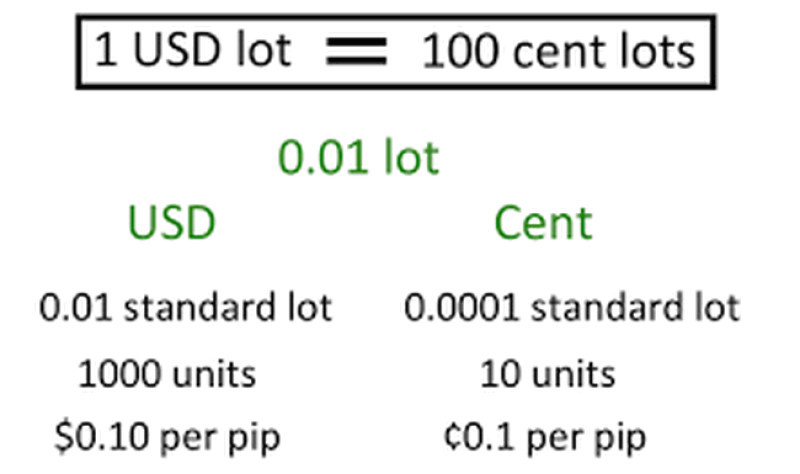
Smaller Lot Size: In a cent account, trades are made with very small lot sizes. For example, a standard lot in a cent account might be 0.01 of a standard lot (also called a micro lot).
Lower Minimum Deposit: The minimum deposit required for a cent account is typically lower than that of a regular account, making it an attractive option for beginners.
Reduced Risk: Since the trade sizes are smaller, traders can reduce their risk significantly compared to using a standard dollar-based account. For instance, if the market moves by 10 pips, the loss or gain will be much lower in a cent account.
Ideal for Beginners: Cent accounts are commonly used by novice traders who want to practice and learn trading in a real market environment without risking large amounts of capital.
How a Cent Account Works:
If you have a cent account with a balance of $100, this is equivalent to having 10,000 cents (or 10,000 units of currency).
In standard accounts, if you trade one standard lot (1.0 lot), a 1-pip movement in the market equals $10. In a cent account, however, the same 1-pip movement would be worth only 0.10 cents.
Example:
Let’s say the EUR/USD pair moves by 10 pips:
In a standard account, your profit or loss would be = 10 pips × $1 (per pip) = $10.
In a cent account, your profit or loss would be = 10 pips × 0.10 cents (per pip) = 1 cent.
Benefits:
Learning with Lower Risk: Cent accounts are great for beginners who want to test trading strategies without exposing themselves to significant losses.
Better Capital Management: Traders can practice money management and position sizing with smaller trades.
Drawbacks:
Lower Profit Potential: Since the trade sizes are smaller, profits will also be smaller compared to standard accounts.
Higher Trading Costs: Some brokers may charge higher spreads or commissions on cent accounts.
In Summary:
Cent accounts offer a great way for beginner traders to enter the forex market without risking large amounts of money. They allow for smaller trade sizes, lower minimum deposits, and reduced risk, making them ideal for practicing trading strategies and learning how the forex market works. However, profits will be smaller, and there may be some additional costs to consider, such as higher spreads or commissions.
Cent accounts in forex are a type of account that allows traders to trade with very small amounts of money. In a cent account, the value of each pip (point) is based on cents rather than dollars. This means that if you have a cent account, each price movement in the market will affect your balance less compared to a standard dollar-based account.
Key Features of Cent Accounts:
Smaller Lot Size: In a cent account, trades are made with very small lot sizes. For example, a standard lot in a cent account might be 0.01 of a standard lot (also called a micro lot).
Lower Minimum Deposit: The minimum deposit required for a cent account is typically lower than that of a regular account, making it an attractive option for beginners.
Reduced Risk: Since the trade sizes are smaller, traders can reduce their risk significantly compared to using a standard dollar-based account. For instance, if the market moves by 10 pips, the loss or gain will be much lower in a cent account.
Ideal for Beginners: Cent accounts are commonly used by novice traders who want to practice and learn trading in a real market environment without risking large amounts of capital.
How a Cent Account Works:
If you have a cent account with a balance of $100, this is equivalent to having 10,000 cents (or 10,000 units of currency).
In standard accounts, if you trade one standard lot (1.0 lot), a 1-pip movement in the market equals $10. In a cent account, however, the same 1-pip movement would be worth only 0.10 cents.
Example:
Let’s say the EUR/USD pair moves by 10 pips:
In a standard account, your profit or loss would be = 10 pips × $1 (per pip) = $10.
In a cent account, your profit or loss would be = 10 pips × 0.10 cents (per pip) = 1 cent.
Benefits:
Learning with Lower Risk: Cent accounts are great for beginners who want to test trading strategies without exposing themselves to significant losses.
Better Capital Management: Traders can practice money management and position sizing with smaller trades.
Drawbacks:
Lower Profit Potential: Since the trade sizes are smaller, profits will also be smaller compared to standard accounts.
Higher Trading Costs: Some brokers may charge higher spreads or commissions on cent accounts.
In Summary:
Cent accounts offer a great way for beginner traders to enter the forex market without risking large amounts of money. They allow for smaller trade sizes, lower minimum deposits, and reduced risk, making them ideal for practicing trading strategies and learning how the forex market works. However, profits will be smaller, and there may be some additional costs to consider, such as higher spreads or commissions.
Abdalla Mohamed Mahmoud Taha
Losses after losses… after losses! Here’s how this experienced UK trader bounced back from losing trades!
Tell us a little about yourself. Where are you from? What are your hobbies?
My name is John, and I’m originally from the UK. My hobbies include diving deep into philosophy, politics, and history, and I enjoy reading about these subjects. I also have a passion for learning new languages, and I’m currently working through the challenges of Mandarin. Fitness is another area I try to stay on top of, although I’m not always consistent—though I try!
How did you first get into Forex trading? What were you doing before?
My journey into Forex trading started after I made some money from a property investment a while back and was looking for a new place to invest. I stumbled across an advertisement for Financial Spreadbetting in Investors Chronicle, which piqued my interest. I enrolled in a small course, opened an account with CMC Markets, and that’s when I got hooked.
Before I started trading, I worked in the hospitality industry, which I gradually grew to despise. I was looking for an escape and noticed that many of my colleagues had careers in London’s financial district. I realized they didn’t seem any smarter than me, and it gave me the confidence to seek a similar line of work.
You’ve been trading Forex and CFDs since 2003. What did you focus on during your first three years?
In my early years, I primarily focused on trading silver. I truly believed it was set to skyrocket and was a big supporter of the precious metals market. I still find success with gold and silver, especially during those rare parabolic price movements. However, my focus has since shifted.
Throughout my trading career, I’ve explored many different areas, from day trading to Forex, indices (which remains a favorite), oil, and even various technical strategies. There’s been a lot of experimentation, but each phase taught me valuable lessons.
Can you walk us through a typical day in your life as a trader?
I tend to wake up early since I live in Thailand for most of the year. The cooler mornings help me start my day at around 4 or 5 AM. I like to fill my mind with something uplifting, often reading books on spirituality or metaphysics, or I’ll meditate.
Afterward, I catch up on the latest global events, particularly political updates from the UK. The markets don’t really heat up until around 2 PM, but I also keep an eye on what’s happening in China.
My primary trading schedule involves checking the charts at 12 PM and 8 PM since I work with 8-hour charts. I follow specific price action strategies, so I need to be present after each session. The rest of my time is spent learning or working on my new trading blog.
What has been your biggest challenge in Forex trading? How did you overcome it?
The biggest hurdle was figuring out my identity as a trader. I went through countless changes in trading methods, constantly flipping between strategies. The turning point came when I decided to stop trading short positions—this was a game-changer for me.
For years, I suffered greater losses from shorting than any other trades, but I’d also occasionally hit big wins, which only kept me attached to that side of trading. Eventually, when I stopped, my profits soared, and my trading improved dramatically. I simply couldn’t handle both sides of the market.
How has trading impacted your life and what has it taught you?
Trading has transformed me in ways beyond money. It has taught me resilience, patience, and how to embrace a more stoic mindset. Over the years, I’ve become a more confident and effective person.
Trading forces you to confront your inner challenges—it’s a battle with yourself. But when you come through it, you emerge as a completely changed individual.
What advice would you give to someone just starting in the market?
My advice for beginners is to fully understand your initial incompetence. In the beginning, you’re essentially cannon fodder for the market, and recognizing this reality helps prevent overconfidence.
Read classics like Market Wizards and Reminiscences of a Stock Operator at least once a year. Also, dive into books on performance psychology like those by Brett Steenbarger and Mark Douglas. And above all, don’t believe that trading more means making more money—focus on quality, not quantity.
How do you deal with the stress of a losing trade?
I used to handle losing trades with a beer—though that didn’t turn out well! Over time, I’ve learned to accept losses as part of the process. I once had a streak of 50 consecutive losing trades, so a single loss now doesn’t bother me as much.
In my earlier days, I had a scarcity mindset, but over time, I adopted a mindset of abundance. This shift made losses feel less significant and helped me become a better trader.
If you could recommend one book and one movie to a trader, what would they be?
For a book, I’d recommend Enhancing Trading Performance by Brett Steenbarger. It profoundly changed my approach to trading and my understanding of the learning process.
For a movie, I’d go with The Big Short. It’s a great illustration of how flawed trading purely on fundamentals can be. The protagonist is right in theory but struggles with timing, which nearly costs him everything—until the market catches on.
What activities do you enjoy when you’re not trading?
When I’m not trading, I enjoy spending time outside the city in Chiang Mai. There are so many great spots for motorbiking, trekking, and walking. It’s incredibly peaceful, and I find that it helps me recharge.
Tell us a little about yourself. Where are you from? What are your hobbies?
My name is John, and I’m originally from the UK. My hobbies include diving deep into philosophy, politics, and history, and I enjoy reading about these subjects. I also have a passion for learning new languages, and I’m currently working through the challenges of Mandarin. Fitness is another area I try to stay on top of, although I’m not always consistent—though I try!
How did you first get into Forex trading? What were you doing before?
My journey into Forex trading started after I made some money from a property investment a while back and was looking for a new place to invest. I stumbled across an advertisement for Financial Spreadbetting in Investors Chronicle, which piqued my interest. I enrolled in a small course, opened an account with CMC Markets, and that’s when I got hooked.
Before I started trading, I worked in the hospitality industry, which I gradually grew to despise. I was looking for an escape and noticed that many of my colleagues had careers in London’s financial district. I realized they didn’t seem any smarter than me, and it gave me the confidence to seek a similar line of work.
You’ve been trading Forex and CFDs since 2003. What did you focus on during your first three years?
In my early years, I primarily focused on trading silver. I truly believed it was set to skyrocket and was a big supporter of the precious metals market. I still find success with gold and silver, especially during those rare parabolic price movements. However, my focus has since shifted.
Throughout my trading career, I’ve explored many different areas, from day trading to Forex, indices (which remains a favorite), oil, and even various technical strategies. There’s been a lot of experimentation, but each phase taught me valuable lessons.
Can you walk us through a typical day in your life as a trader?
I tend to wake up early since I live in Thailand for most of the year. The cooler mornings help me start my day at around 4 or 5 AM. I like to fill my mind with something uplifting, often reading books on spirituality or metaphysics, or I’ll meditate.
Afterward, I catch up on the latest global events, particularly political updates from the UK. The markets don’t really heat up until around 2 PM, but I also keep an eye on what’s happening in China.
My primary trading schedule involves checking the charts at 12 PM and 8 PM since I work with 8-hour charts. I follow specific price action strategies, so I need to be present after each session. The rest of my time is spent learning or working on my new trading blog.
What has been your biggest challenge in Forex trading? How did you overcome it?
The biggest hurdle was figuring out my identity as a trader. I went through countless changes in trading methods, constantly flipping between strategies. The turning point came when I decided to stop trading short positions—this was a game-changer for me.
For years, I suffered greater losses from shorting than any other trades, but I’d also occasionally hit big wins, which only kept me attached to that side of trading. Eventually, when I stopped, my profits soared, and my trading improved dramatically. I simply couldn’t handle both sides of the market.
How has trading impacted your life and what has it taught you?
Trading has transformed me in ways beyond money. It has taught me resilience, patience, and how to embrace a more stoic mindset. Over the years, I’ve become a more confident and effective person.
Trading forces you to confront your inner challenges—it’s a battle with yourself. But when you come through it, you emerge as a completely changed individual.
What advice would you give to someone just starting in the market?
My advice for beginners is to fully understand your initial incompetence. In the beginning, you’re essentially cannon fodder for the market, and recognizing this reality helps prevent overconfidence.
Read classics like Market Wizards and Reminiscences of a Stock Operator at least once a year. Also, dive into books on performance psychology like those by Brett Steenbarger and Mark Douglas. And above all, don’t believe that trading more means making more money—focus on quality, not quantity.
How do you deal with the stress of a losing trade?
I used to handle losing trades with a beer—though that didn’t turn out well! Over time, I’ve learned to accept losses as part of the process. I once had a streak of 50 consecutive losing trades, so a single loss now doesn’t bother me as much.
In my earlier days, I had a scarcity mindset, but over time, I adopted a mindset of abundance. This shift made losses feel less significant and helped me become a better trader.
If you could recommend one book and one movie to a trader, what would they be?
For a book, I’d recommend Enhancing Trading Performance by Brett Steenbarger. It profoundly changed my approach to trading and my understanding of the learning process.
For a movie, I’d go with The Big Short. It’s a great illustration of how flawed trading purely on fundamentals can be. The protagonist is right in theory but struggles with timing, which nearly costs him everything—until the market catches on.
What activities do you enjoy when you’re not trading?
When I’m not trading, I enjoy spending time outside the city in Chiang Mai. There are so many great spots for motorbiking, trekking, and walking. It’s incredibly peaceful, and I find that it helps me recharge.
Abdalla Mohamed Mahmoud Taha
But most traders forget the rest of the trading process, including:
1- Risk Management ... (Risk Management)
For example, when to go out when certain signals appear. And when can you determine the appropriate stop for each you want, and also enter to buy or sell with any amount
2- Managing the trading process itself ....
(Trading Management)
That is, for example, you entered and bought and specified a stop and also a profit target, that's it ... Well, if the financial asset went up after the purchase, but before it reached your profit target, the upward momentum began to decrease, what would we do ....??? 🤔
Or even after I bought, the price behavior of the asset changed and began to go down and approach the stop, what would we do ...??? Should I wait until the stop is hit ..?? Or what are the signals that may appear to confirm that the trade may fail ...?? The answers to these questions ... mean managing the trading process. 👌👌
3- Position Size...
I mean, how do we determine the quantity to buy from the beginning...and why...?? And what is the relationship between the quantity we will buy and the amount of liquidity I have.
And also the stop loss location.
4-Trading Psychology...
This is the part that deals with the psychological aspect of the trader and dealing with feelings of fear and greed. For example, how do you commit to the plan you set in the beginning and be firm in implementing stop loss points and take profit points...
How do you control your feelings and control your fear and anger while trading? This is a science we must learn in order to become a successful trader.
5- The last thing in the trading process ... is to determine your exit points .... (Exit Price)
That is, when will you exit the trade if you are losing so that you do not increase your losses and stop them at the lowest cost.... And also when will you exit when you are winning and will you exit in parts or at a specific price for the entire quantity
... You must know exactly what we will do before you buy.
Now it is clear to you that the most important part of trading is not the purchase price, but rather a group of factors that must be available in your trading plan..
What is the part you focus on the most during your trading ...??
And have you thought about having a trading plan that includes the five points mentioned??
1- Risk Management ... (Risk Management)
For example, when to go out when certain signals appear. And when can you determine the appropriate stop for each you want, and also enter to buy or sell with any amount
2- Managing the trading process itself ....
(Trading Management)
That is, for example, you entered and bought and specified a stop and also a profit target, that's it ... Well, if the financial asset went up after the purchase, but before it reached your profit target, the upward momentum began to decrease, what would we do ....??? 🤔
Or even after I bought, the price behavior of the asset changed and began to go down and approach the stop, what would we do ...??? Should I wait until the stop is hit ..?? Or what are the signals that may appear to confirm that the trade may fail ...?? The answers to these questions ... mean managing the trading process. 👌👌
3- Position Size...
I mean, how do we determine the quantity to buy from the beginning...and why...?? And what is the relationship between the quantity we will buy and the amount of liquidity I have.
And also the stop loss location.
4-Trading Psychology...
This is the part that deals with the psychological aspect of the trader and dealing with feelings of fear and greed. For example, how do you commit to the plan you set in the beginning and be firm in implementing stop loss points and take profit points...
How do you control your feelings and control your fear and anger while trading? This is a science we must learn in order to become a successful trader.
5- The last thing in the trading process ... is to determine your exit points .... (Exit Price)
That is, when will you exit the trade if you are losing so that you do not increase your losses and stop them at the lowest cost.... And also when will you exit when you are winning and will you exit in parts or at a specific price for the entire quantity
... You must know exactly what we will do before you buy.
Now it is clear to you that the most important part of trading is not the purchase price, but rather a group of factors that must be available in your trading plan..
What is the part you focus on the most during your trading ...??
And have you thought about having a trading plan that includes the five points mentioned??
分享社交网络 · 1
Abdalla Mohamed Mahmoud Taha
Breakout
A breakout is when the price moves above a resistance level or moves below a support level.
The price movement of a breakout can be described as a sudden, directional move in price that is typically followed by increased volatility and heavy volume.
Traders who trade breakouts live by the motto, “No price is too high to buy and no price is too low to sell.”
Because not all traders recognize or use the same support and resistance levels, breakouts can be subjective.
Breakouts indicate the potential for the price to start trending in the breakout direction.
There are two types of breakouts:
Upside Breakout
Downside Breakout (“Breakdown”)
A breakout to the upside indicates that the price will start trending higher. This signals traders to possibly go long or exit short positions.
An upside breakout pattern represents a trading range in which prices move sideways between two parallel horizontal lines.
It’s often a pause or consolidation area within an existing trend, although sometimes the breakout results in a reversal to the prior trend.
In either scenario, an upside breakout through the upper resistance line signals an end to the consolidation period and the start of an uptrend.
Once the resistance level is broken, it reverses its role and turns into a support level if price experiences a correction or pullback.
A breakout to the downside, also called a breakdown, hat the price will start trending lower. This signals traders to possibly go short or exit long positions.
Once the support level is broken, it reverses its role and turns into a resistance level if price experiences a correction or pullback.
Breakouts that occur on HIGH volume (relative to normal volume) show greater conviction which means the price is more likely to trend in that direction.
Breakouts that occur on LOW volume (relative to normal volume) show weak conviction and are more prone to failure. Price is less likely to trend in the breakout direction.
How to Trade Breakouts
A breakout occurs because the price has been contained below a resistance level or above a support level, potentially for some time.
The resistance or support level becomes a line in the sand that many traders use to set entry points or place their stop losses.
When the price breaks through the support or resistance level, two things usually happen:
Traders waiting for the breakout jump in.
Traders who had placed their stop losses in this area get stopped out.
This surge in buying and selling will often cause the volume to rise, which shows that lots of traders were interested in the breakout level.
Breakouts are commonly associated with chart patterns, including rectangles, triangles, wedges, and pennants.
These patterns are formed when the price moves in a certain way that support and/or resistance levels develop.
These levels are monitored heavily by traders.
If the price breaks above resistance, traders go long. If price breaks below support, traders go short.
After a breakout, the price may, but not always, retrace to the breakout point before moving in the breakout direction again.
After an upside breakout, the price may retest its previous resistance level, which has now turned into a support level.
A breakout is when the price moves above a resistance level or moves below a support level.
The price movement of a breakout can be described as a sudden, directional move in price that is typically followed by increased volatility and heavy volume.
Traders who trade breakouts live by the motto, “No price is too high to buy and no price is too low to sell.”
Because not all traders recognize or use the same support and resistance levels, breakouts can be subjective.
Breakouts indicate the potential for the price to start trending in the breakout direction.
There are two types of breakouts:
Upside Breakout
Downside Breakout (“Breakdown”)
A breakout to the upside indicates that the price will start trending higher. This signals traders to possibly go long or exit short positions.
An upside breakout pattern represents a trading range in which prices move sideways between two parallel horizontal lines.
It’s often a pause or consolidation area within an existing trend, although sometimes the breakout results in a reversal to the prior trend.
In either scenario, an upside breakout through the upper resistance line signals an end to the consolidation period and the start of an uptrend.
Once the resistance level is broken, it reverses its role and turns into a support level if price experiences a correction or pullback.
A breakout to the downside, also called a breakdown, hat the price will start trending lower. This signals traders to possibly go short or exit long positions.
Once the support level is broken, it reverses its role and turns into a resistance level if price experiences a correction or pullback.
Breakouts that occur on HIGH volume (relative to normal volume) show greater conviction which means the price is more likely to trend in that direction.
Breakouts that occur on LOW volume (relative to normal volume) show weak conviction and are more prone to failure. Price is less likely to trend in the breakout direction.
How to Trade Breakouts
A breakout occurs because the price has been contained below a resistance level or above a support level, potentially for some time.
The resistance or support level becomes a line in the sand that many traders use to set entry points or place their stop losses.
When the price breaks through the support or resistance level, two things usually happen:
Traders waiting for the breakout jump in.
Traders who had placed their stop losses in this area get stopped out.
This surge in buying and selling will often cause the volume to rise, which shows that lots of traders were interested in the breakout level.
Breakouts are commonly associated with chart patterns, including rectangles, triangles, wedges, and pennants.
These patterns are formed when the price moves in a certain way that support and/or resistance levels develop.
These levels are monitored heavily by traders.
If the price breaks above resistance, traders go long. If price breaks below support, traders go short.
After a breakout, the price may, but not always, retrace to the breakout point before moving in the breakout direction again.
After an upside breakout, the price may retest its previous resistance level, which has now turned into a support level.
Abdalla Mohamed Mahmoud Taha
Why do sportsmen have a better chance of success in trading?
Top athletes have several qualities and skills that can help them achieve above average returns in the world of trading. Which ones are they and why don't ordinary traders have them?
Discipline, consistency, emotional control, patience, motivation or curiosity are all qualities that anyone who wants to become a successful trader should acquire. A robust strategy and a good trading plan, or properly set risk management, are things that form a kind of superstructure, which a trader can implement thanks to these qualities.
One group of people who overwhelmingly possess these basic qualities and can use them to their advantage are top athletes.
Discipline and self-control
Athletes are used to following a strict training plan and regime, which is also crucial for successful trading. Trading requires a sound strategy and risk management, while not giving in to emotions is essential. Just as athletes and competitors follow the rules and resist emotional impulses, traders need to respect the rules, such as setting stop loss orders or following a strategy even during unpredictable market fluctuations. Professional sportsmen, in short, have the ability to strictly stick to the plan and not give in to emotions, which they can then evaluate in trading.
Resistance to stress and ability to work under pressure
Top athletes are used to handling stressful situations - for example, during qualifiers and important matches, where they may face enormous pressure. In trading, where markets can be highly volatile, the ability to remain calm and make quick decisions is crucial, whether markets are suddenly falling or rising sharply. Due to their built-up stress resilience, athletes can stay focused and act analytically, while others may act impulsively in similar situations.
Perseverance, consistency and the ability to learn from failures
Athletes understand that success does not come overnight. This long-term approach is key to trading. While beginners often expect quick profits, the realities of the financial markets require time, continuous learning and adaptation. Professionals know that every hour of practice contributes to long-term improvement, and with their mental toughness and patience, they are ready to accept that success in trading is a gradual process, involving learning from mistakes and overcoming setbacks.
Moreover, sportsmen are able to analyse their mistakes, learn from failures and continuously improve. Mistakes are common in trading - for example, poor timing of trade entry or losses due to unexpected events - but successful traders learn from these mistakes and adapt their strategies accordingly. Just as athletes analyse their losses to perform better next time, traders use mistakes to optimize their approach to the market.
Winner's mentality and failure management
Athletes have a competitive nature and a winner's mentality, which is an ideal combination for trading. Financial markets are competitive environments where every trader competes with others. A winner's mentality is not only the desire to succeed, but also the determination to overcome obstacles and continuously improve. Moreover, they are used to facing losses, which, like losses in the markets, are inevitable, but pros have the ability to recover quickly, assess the situation and move on.
Focus and concentration
Focusing on a specific goal is crucial for athletes, and this skill is just as important in trading. Markets are dynamic and a trader must be able to analyse vast amounts of information, follow charts, react to news and make quick decisions based on the data available. Athletes are used to long hours of intense training with attention to detail, which gives them an edge in an environment where the average person can be distracted by a myriad of different distractions.
Analytical and strategic thinking
Peak sports require not only physical ability, but also strong analytical and strategic thinking. Professional athletes are constantly thinking through tactics, analysing their opponents and adapting their approach in real time during competition. Trading works in a similar way - a trader must constantly evaluate market conditions, adapt his strategy and react to rapidly changing situations. Contestants operating in top competitions are used to this way of thinking, which gives them a distinct advantage.
Ability to set and achieve goals
Athletes have a wealth of experience in setting both long-term and short-term goals. This skill is also essential in trading, where it is crucial to have clear goals - for example, setting a monthly profit or maximum acceptable risk. Sports professionals can break their goals into smaller phases and focus on incremental progress. This approach is very effective in trading because success depends on careful planning and consistent execution of the trading strategy.
High level of personal responsibility
Athletes are used to taking full responsibility for their results. Even if they have coaches and support teams, the final performance is up to them. In trading, the same is true; the trader is solely responsible for his or her decisions. The experience of athletes in accepting responsibility for both mistakes and successes also gives them an advantage in the financial market environment, where they cannot blame poor results on external circumstances. It is always about the trader's right or wrong decisions.
Conclusion
Athletes have many qualities that give them a competitive advantage in trading: discipline, the ability to work under pressure, perseverance, mental toughness and the ability to learn from mistakes. Their competitive attitude, self-control and performance analysis provide them with valuable tools that they can use effectively in the financial markets. In this challenging environment, where competition is fierce and success depends on the ability to keep a cool head and a long-term perspective, athletes are able to perform better than normal people.
Top athletes have several qualities and skills that can help them achieve above average returns in the world of trading. Which ones are they and why don't ordinary traders have them?
Discipline, consistency, emotional control, patience, motivation or curiosity are all qualities that anyone who wants to become a successful trader should acquire. A robust strategy and a good trading plan, or properly set risk management, are things that form a kind of superstructure, which a trader can implement thanks to these qualities.
One group of people who overwhelmingly possess these basic qualities and can use them to their advantage are top athletes.
Discipline and self-control
Athletes are used to following a strict training plan and regime, which is also crucial for successful trading. Trading requires a sound strategy and risk management, while not giving in to emotions is essential. Just as athletes and competitors follow the rules and resist emotional impulses, traders need to respect the rules, such as setting stop loss orders or following a strategy even during unpredictable market fluctuations. Professional sportsmen, in short, have the ability to strictly stick to the plan and not give in to emotions, which they can then evaluate in trading.
Resistance to stress and ability to work under pressure
Top athletes are used to handling stressful situations - for example, during qualifiers and important matches, where they may face enormous pressure. In trading, where markets can be highly volatile, the ability to remain calm and make quick decisions is crucial, whether markets are suddenly falling or rising sharply. Due to their built-up stress resilience, athletes can stay focused and act analytically, while others may act impulsively in similar situations.
Perseverance, consistency and the ability to learn from failures
Athletes understand that success does not come overnight. This long-term approach is key to trading. While beginners often expect quick profits, the realities of the financial markets require time, continuous learning and adaptation. Professionals know that every hour of practice contributes to long-term improvement, and with their mental toughness and patience, they are ready to accept that success in trading is a gradual process, involving learning from mistakes and overcoming setbacks.
Moreover, sportsmen are able to analyse their mistakes, learn from failures and continuously improve. Mistakes are common in trading - for example, poor timing of trade entry or losses due to unexpected events - but successful traders learn from these mistakes and adapt their strategies accordingly. Just as athletes analyse their losses to perform better next time, traders use mistakes to optimize their approach to the market.
Winner's mentality and failure management
Athletes have a competitive nature and a winner's mentality, which is an ideal combination for trading. Financial markets are competitive environments where every trader competes with others. A winner's mentality is not only the desire to succeed, but also the determination to overcome obstacles and continuously improve. Moreover, they are used to facing losses, which, like losses in the markets, are inevitable, but pros have the ability to recover quickly, assess the situation and move on.
Focus and concentration
Focusing on a specific goal is crucial for athletes, and this skill is just as important in trading. Markets are dynamic and a trader must be able to analyse vast amounts of information, follow charts, react to news and make quick decisions based on the data available. Athletes are used to long hours of intense training with attention to detail, which gives them an edge in an environment where the average person can be distracted by a myriad of different distractions.
Analytical and strategic thinking
Peak sports require not only physical ability, but also strong analytical and strategic thinking. Professional athletes are constantly thinking through tactics, analysing their opponents and adapting their approach in real time during competition. Trading works in a similar way - a trader must constantly evaluate market conditions, adapt his strategy and react to rapidly changing situations. Contestants operating in top competitions are used to this way of thinking, which gives them a distinct advantage.
Ability to set and achieve goals
Athletes have a wealth of experience in setting both long-term and short-term goals. This skill is also essential in trading, where it is crucial to have clear goals - for example, setting a monthly profit or maximum acceptable risk. Sports professionals can break their goals into smaller phases and focus on incremental progress. This approach is very effective in trading because success depends on careful planning and consistent execution of the trading strategy.
High level of personal responsibility
Athletes are used to taking full responsibility for their results. Even if they have coaches and support teams, the final performance is up to them. In trading, the same is true; the trader is solely responsible for his or her decisions. The experience of athletes in accepting responsibility for both mistakes and successes also gives them an advantage in the financial market environment, where they cannot blame poor results on external circumstances. It is always about the trader's right or wrong decisions.
Conclusion
Athletes have many qualities that give them a competitive advantage in trading: discipline, the ability to work under pressure, perseverance, mental toughness and the ability to learn from mistakes. Their competitive attitude, self-control and performance analysis provide them with valuable tools that they can use effectively in the financial markets. In this challenging environment, where competition is fierce and success depends on the ability to keep a cool head and a long-term perspective, athletes are able to perform better than normal people.
Abdalla Mohamed Mahmoud Taha
Peace be upon you and God's mercy and blessings
This is a journey I made (from $5 to $50,000) I started the first day today
Ok, what makes the difference in this journey 🥱
First, trading live on YouTube daily, God willing
We talk to each other and discuss opportunities
Second: Managing a specific capital
You must know that speculation is sharp and whoever is afraid will go out 😂
Third: Daily risk of 20% of the total balance, for example, starting with $5, working on the mt4 wallet with only $1 and so on every day and the profit is open, we can make 400% in one day, anyway, we will not lose more than 20% 💪
Fourth: And perhaps the most important thing, God willing, we will enter together into the accounts of successful people who have actually made millions in profits on different sites such as mql5 and myfxbook and see how they made millions in profits and study their method of work, whether technical entry points or their method In capital management.
* Whoever thinks the idea is good and is excited like me, subscribe to the channel and write to me if you see a good opportunity in the market or have a question or positive criticism 😍
This is a journey I made (from $5 to $50,000) I started the first day today
Ok, what makes the difference in this journey 🥱
First, trading live on YouTube daily, God willing
We talk to each other and discuss opportunities
Second: Managing a specific capital
You must know that speculation is sharp and whoever is afraid will go out 😂
Third: Daily risk of 20% of the total balance, for example, starting with $5, working on the mt4 wallet with only $1 and so on every day and the profit is open, we can make 400% in one day, anyway, we will not lose more than 20% 💪
Fourth: And perhaps the most important thing, God willing, we will enter together into the accounts of successful people who have actually made millions in profits on different sites such as mql5 and myfxbook and see how they made millions in profits and study their method of work, whether technical entry points or their method In capital management.
* Whoever thinks the idea is good and is excited like me, subscribe to the channel and write to me if you see a good opportunity in the market or have a question or positive criticism 😍
Abdalla Mohamed Mahmoud Taha
بتدور على تحليل لزوج اليورو دولار متوسط المدى ؟
لقد بدأ امس زوج اليورو دولار الانخفاض من عند المقاومة الرئيسية فهل سيواصل الزوج اتجاهه الهبوطي طويل المدى في الأيام القليلة القادمة؟
لقد تم صد الزوج عند المستوى النفسى 1.0900 للمرة الثانية هذا الشهر حيث يبدو ان مستوى المقاومة هناك شديد
يتم تداول الزوج حاليًا بالقرب من خط النقطة المحورية 1.0840 والذي يقع أسفل قمة مقاومة القناة الهابطة الموجودة منذ بداية عام 2024
والسؤال الان هل ستكون الاخبار الاقتصادية لهذا الاسبوع تشجيعا لمزيد من عمليات بيع الزوج ؟! إذا أدت تقارير هذا الأسبوع إلى توسيع الدولار الأمريكي لمكاسبه مقابل نظرائه الرئيسيين من العملات ، فقد يكتسب زوج يورو/دولار زخمًا هبوطيًا بعد رفضه من منطقة المقاومة الفنية.
حينها قد يعيد زوج يورو/دولار زيارة منطقة الدعم السابقة (1.0806) او يخترقها ويصل الى الدعم الثانى (1.0765) .
* ولكن إذا شجعت تحديثات الأخبار هذا الأسبوع المشاعر المؤيدة للمخاطرة والمعادية للدولار الأمريكي فقد يعيد زوج اليورو / دولار زيارة أعلى مستوياته السابقة عند 1.0900 ويخترقها
لقد بدأ امس زوج اليورو دولار الانخفاض من عند المقاومة الرئيسية فهل سيواصل الزوج اتجاهه الهبوطي طويل المدى في الأيام القليلة القادمة؟
لقد تم صد الزوج عند المستوى النفسى 1.0900 للمرة الثانية هذا الشهر حيث يبدو ان مستوى المقاومة هناك شديد
يتم تداول الزوج حاليًا بالقرب من خط النقطة المحورية 1.0840 والذي يقع أسفل قمة مقاومة القناة الهابطة الموجودة منذ بداية عام 2024
والسؤال الان هل ستكون الاخبار الاقتصادية لهذا الاسبوع تشجيعا لمزيد من عمليات بيع الزوج ؟! إذا أدت تقارير هذا الأسبوع إلى توسيع الدولار الأمريكي لمكاسبه مقابل نظرائه الرئيسيين من العملات ، فقد يكتسب زوج يورو/دولار زخمًا هبوطيًا بعد رفضه من منطقة المقاومة الفنية.
حينها قد يعيد زوج يورو/دولار زيارة منطقة الدعم السابقة (1.0806) او يخترقها ويصل الى الدعم الثانى (1.0765) .
* ولكن إذا شجعت تحديثات الأخبار هذا الأسبوع المشاعر المؤيدة للمخاطرة والمعادية للدولار الأمريكي فقد يعيد زوج اليورو / دولار زيارة أعلى مستوياته السابقة عند 1.0900 ويخترقها
分享社交网络 · 1
Abdalla Mohamed Mahmoud Taha
سجل التداول اليومى 28 مايو 2024
real account
leverage 1:1000
type cent
لفتح حساب حقيقى والتمتع ب 50 % كاش باك اسبوعى + خدمة نسخ مجانية 👇
https://my.xs.com/links/go/1192
لفترة محدودة 🥰
real account
leverage 1:1000
type cent
لفتح حساب حقيقى والتمتع ب 50 % كاش باك اسبوعى + خدمة نسخ مجانية 👇
https://my.xs.com/links/go/1192
لفترة محدودة 🥰
Abdalla Mohamed Mahmoud Taha
https://www.facebook.com/profile.php?id=61558785526960
this is my fb account i will make live show with live tradding
Abdalla Mohamed Mahmoud Taha
The “Condition-Setup-Entry” Trade Model
Condition-Setup-Entry Box
The condition is the container for the setup and the setup is the container for the entry, thus an entry cannot be valid if it is not within a valid setup, and a setup cannot be valid if it is not within a valid condition.
It may seem obvious that a sell setup should occur within bearish conditions in order to have a higher probability of success but sometimes confirmation bias clouds our vision causing us to consider buy setups in a seller’s market. This is a technique for framing entry confirmation within a setup and framing a setup within the appropriate market conditions.
Condition-Setup-Entry Workflow
Identify the current market direction on the Higher Time Frame (HTF) (ex. Daily or H4) to identify if a Buying or Selling Condition is present. Identify areas of imbalance and supply & demand points of interest (POIs) within the most recent impulsive wave that created a BOS. I reference supply & demand because I use that in my trading, but this applies to any rules based method of trading.
Look for a valid setup on the Setup Time Frame (STF) (ex. H4 or H1) within the context of a HTF buy or sell condition as long as the HTF buy or sell condition is valid. If there is a valid STF setup within a valid HTF condition, proceed to step 3. If not, wait for a valid STF setup to form within a valid HTF condition.
Wait for an Entry Confirmation on the Entry Timeframe (ETF) (ex. M15 or M5) and execute the trade when you have entry confirmation within a valid setup.
Condition-Setup-Entry Box
The condition is the container for the setup and the setup is the container for the entry, thus an entry cannot be valid if it is not within a valid setup, and a setup cannot be valid if it is not within a valid condition.
It may seem obvious that a sell setup should occur within bearish conditions in order to have a higher probability of success but sometimes confirmation bias clouds our vision causing us to consider buy setups in a seller’s market. This is a technique for framing entry confirmation within a setup and framing a setup within the appropriate market conditions.
Condition-Setup-Entry Workflow
Identify the current market direction on the Higher Time Frame (HTF) (ex. Daily or H4) to identify if a Buying or Selling Condition is present. Identify areas of imbalance and supply & demand points of interest (POIs) within the most recent impulsive wave that created a BOS. I reference supply & demand because I use that in my trading, but this applies to any rules based method of trading.
Look for a valid setup on the Setup Time Frame (STF) (ex. H4 or H1) within the context of a HTF buy or sell condition as long as the HTF buy or sell condition is valid. If there is a valid STF setup within a valid HTF condition, proceed to step 3. If not, wait for a valid STF setup to form within a valid HTF condition.
Wait for an Entry Confirmation on the Entry Timeframe (ETF) (ex. M15 or M5) and execute the trade when you have entry confirmation within a valid setup.
: