Sergey Golubev / 프로필
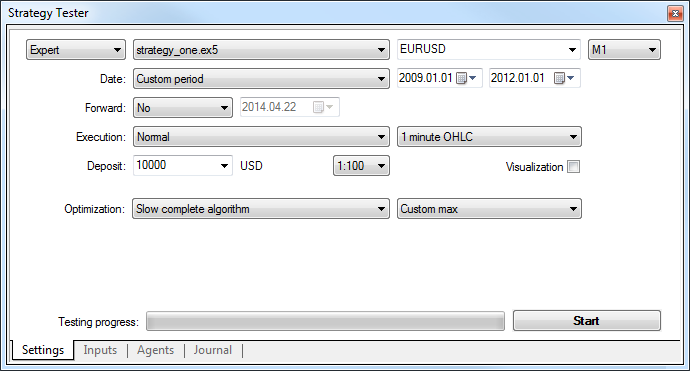
MetaTrader 5의 세 가지 테스트 모드의 차이점은 무엇이며 특히 무엇을 찾아야 합니까? 여러 상품에서 동시에 거래되는 EA 테스트는 어떻게 이루어 집니까? 테스트 중 지표 값은 언제 어떻게 계산되며 이벤트는 어떻게 처리됩니까? "오픈 프라이스 전용" 모드에서 테스트하는 동안 다른 기기의 바를 동기화하는 방법은 무엇입니까? 이 글에서 저희는 이러한 질문과 다른 많은 질문에 대한 답변을 제공하는 것을 목표로 합니다.
사용자 지정 개체, 동적 배열 또는 개체 배열 등 모든 개체는 특정 방식으로 MQL5 프로그램에서 생성 및 삭제됩니다. 종종 일부 개체는 다른 개체의 일부이며 초기화 해제시 개체 삭제 순서가 특히 중요합니다. 이 글에서는 개체 작업 메커니즘을 다루는 몇 가지 예를 제공합니다.
월요일에 이 기호를 거래할 수 있습니까? 포지션을 열 수 있는 충분한 자금이 있습니까? 손절매가 발동되면 손실이 얼마나 됩니까? 보류 중인 주문 수를 제한하는 방법은 무엇입니까? 거래 작업이 현재 바에서 실행되었습니까 아니면 이전 바에서 실행되었습니까? 거래 로봇이 이러한 종류의 검증을 수행할 수 없다면 모든 거래 전략이 패배할 수 있습니다. 이 문서는 모든 Expert Advisor에서 유용한 검증의 예를 보여줍니다.
OnCalculate() 함수 호출의 간단한 형식을 사용하는 지시자를 작성할 때, 가격 데이터뿐만 아니라 다른 지시자의 데이터로도 지시자를 계산할 수 있다는 사실을 놓칠 수 있습니다 (내장형이든 맞춤형이든 상관없이). 다른 지표의 데이터에 대한 올바른 적용을 위해 지표를 개선하고 싶습니까? 이 글에서는 그러한 수정에 필요한 모든 단계를 검토할 것입니다.
인디케이터란 무엇인가? 이는 우리가 간편하게 스크린에 표시하고싶은 계산값들의 집합을 일컫는 것 입니다. 값의 집합은 프로그램에서는 어레이로 표현되어있습니다. 따라서, 인디케이터의 생성이란 몇몇 어레이 (가격 어레이) 와 다른 어레이 (인디케이터 값) 를 다루는 알고리즘을 짜는 것을 말하는 것입니다.. 실제강도지수 인덱스의 생성을 설명하는 것으로, 저자는 MQL5에서 인디케이터를 쓰는 법에 대해서 안내합니다.
이 글에서는 그래픽 컨트롤 개발의 일반 원칙을 다룹니다. 그래픽 개체로 빠르고 편리한 작업을 위한 도구를 준비하고 텍스트 또는 숫자 데이터를 입력하기위한 간단한 컨트롤 생성의 예와 사용 방법을 분석 할 것입니다.

Apple AAPL +0.83% (AAPL), Bank of America BAC -0.95% (BAC), Coca-Cola KO +0.45% (KO), CVS Caremark (CVS), Facebook (FB), Ford (F), Home Depot (HD), McDonald’s (MCD), Pfizer (PFE), TJX Cos. (TJX), United Health Group (UNH), and Walt Disney (DIS).
Monday, December 23
The U.S. is to produce government data on personal spending and expenditure, while the University of Michigan is to release revised data on consumer sentiment and inflation expectations.
Tuesday, December 24
The U.K. is to release industry data on mortgage approvals, an important indicator of demand in the housing market.
The U.S. is to release data on durable goods orders, a leading indicator of production, as well as a report on new home sales.
Wednesday, December 25
Markets in the U.K. and the U.S. will remain closed for the Christmas Day holiday.
Thursday, December 26
Markets in the U.K. will remain closed in observance of Boxing Day.
Meanwhile, the U.S. is to release weekly data on initial jobless claims.
Friday, December 27
The U.S. is to round up the week with a report on crude oil supplies.
Monday, December 23
The U.S. is to produce government data on personal spending and expenditure, while the University of Michigan is to release revised data on consumer sentiment and inflation expectations.
Tuesday, December 24
The U.S. is to release data on durable goods orders, a leading indicator of production, as well as a report on new home sales.
Wednesday, December 25
Markets in New Zealand and the U.S. will remain closed for the Christmas Day holiday.
Thursday, December 26
Markets in New Zealand will remain closed in observance of Boxing Day.
Meanwhile, the U.S. is to release weekly data on initial jobless claims.
Friday, December 27
The U.S. is to round up the week with a report on crude oil supplies.


The difference between trading stocks and futures is the amount of capital required to enter a trade. While this could be a very long and detailed section with examples of leverage, I am going to keep things simple and short cause it’s really not that difficult.
Using an example of a trader which we will say his name is “Dave” who wants to trade the SP500 index with their risk capital here are two examples that show how leverage drastically changed the outcome of a position.
Dave has a $10,000 account, and wants to swing trade the SP500 index.
Option #1: He buys $5000 worth of the SP500 ETF (SPY). And if the SP500 rises in value by 3% Dave would see a $150 gain on his trade. This ETF has no leverage and follows the performance of the stock market.
Option #2: Dave decides to buy 1 ES mini futures contract which is the SP500 Index futures contract. Using the same numbers as the previous option, the SP500 rises in value just 3%. How much money did Dave make on this trade? He made a whopping $2,625 on the same move that the ETF did, how is that possible?
Let me explain, when you buy a non-leveraged ETF like the SPY with $5000, you are literally only trading with a $5000 investment. But with futures, when you buy one ES mini contract which is worth roughly $5000, you are actually controlling roughly $75,000. So think if it as 17.5x leverage on your money.
So that 3% gain in the stock market is based off a $75,000 investment which is how you get $2625 or a 52.5% return on your money.
Futures trading in my opinion is not for beginner or intermediate traders. The only way your money should be involved with futures is if you truly understand how the market move and have strict money management rules, or us a system that trades and managed positions for you. Remember, leverage is a double edge sword that can make you wealthy or broke quickly if not traded appropriately.