Gold (XAU/USD) suffered heavy losses at the beginning of the week as a combination of factors triggered a broad market selloff. The metal, however, recovered sharply in the second half of the week and stabilized comfortably above $2,400. Market participants await July inflation data from the US for the next directional clue.
Gold price is trading on the back foot near $2,430 early Monday, consolidating the previous week’s late recovery. Traders appear non-committal and refrain from placing fresh bets on Gold price, bracing for an action-packed week, with US Consumer Price Index (CPI) inflation data in the spotlight.
Gold price braces for Iran-Israel escalation and key US data
Traders take account of the latest developments surrounding the Middle-East geopolitical tensions, with Israel preparing for an imminent attack by Iran, in retaliation for the assassination of Hamas leader Ismail Haniyeh in Tehran in late July.
On Sunday, Axios reported that the Israeli intelligence community is put on a high alert, as it is believed that Iran has decided to attack Israel directly and may do so within days.
Meanwhile, ABC News reported early Monday that the Israel Defense Forces (IDF) intercepted roughly 30 "projectiles" that were identified as crossing from Lebanon into northern Israel. This comes even as Hamas proposed a cease-fire implementation plan after a diplomatic push from the United States, Egypt and Qatar for a new round of talks to take place between Israel and Hamas on Aug. 15 in either Doha or Cairo.
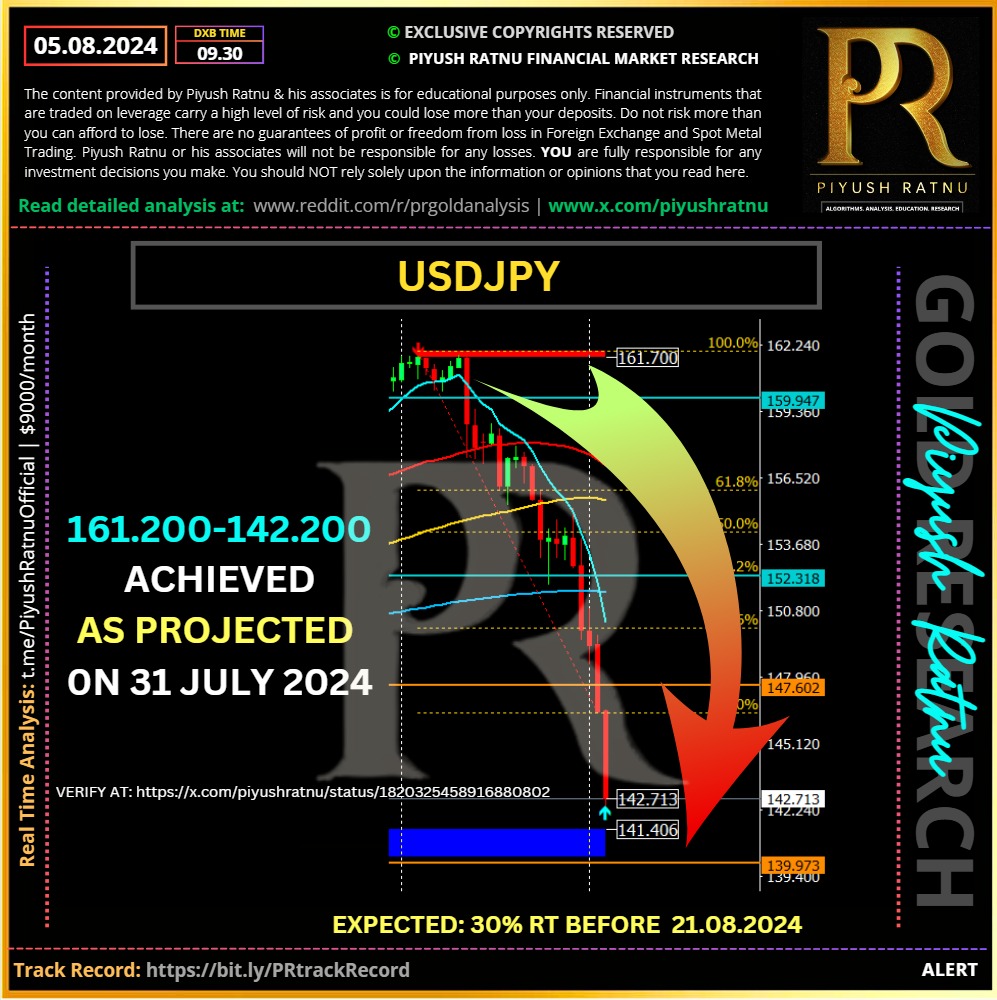
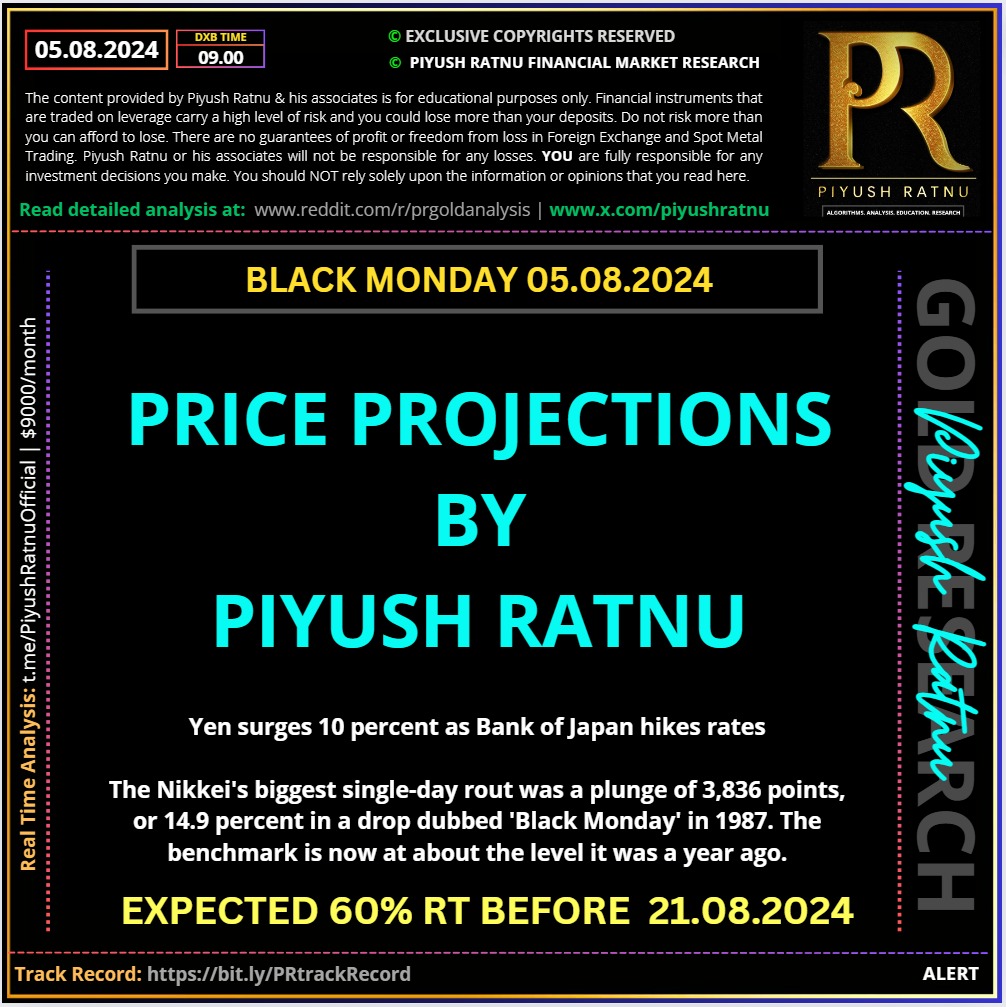
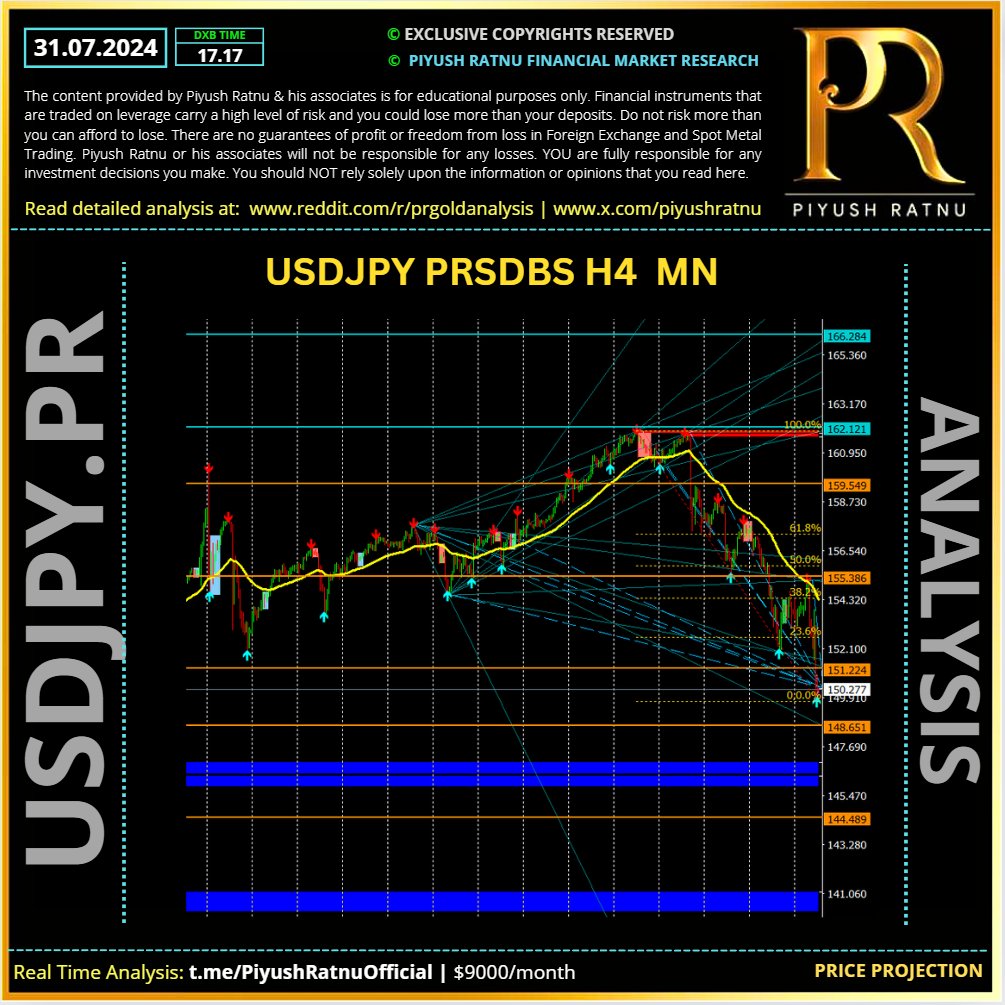
If the Iran-backed militant groups, Hezbollah and Hamas, turn down any cease-fire attempts and attack Israel, the escalation could very well translate into a wider regional conflict. Mounting geopolitical tensions are likely to keep the safe-haven US Dollar (USD) buoyed, weighing negatively on the USD-denominated Gold price. Gold failed to benefit from escalating geopolitical tensions at the beginning of the week and declined sharply. The unwinding of Japanese Yen (JPY) carry trade, growing fears over a recession in the US and heightened concerns about a deepening conflict in the Middle East triggered a global market selloff on Monday, causing a variety of financial assets, except for the JPY, to suffer heavy losses.
Markets remain in a wait-and-see mode before taking any calls on the next Gold price direction, as position readjustments could be seen heading into Wednesday’s US CPI showdown. The headline annual CPI is set to rise 2.9% in July after increasing by 3.0% in June. Meanwhile, the core inflation is expected to edge a tad lower to 3.2% YoY in July versus June’s 3.3% print.
Gold investors might implement large positions based on US inflation data
Next week’s economic calendar will feature July inflation data from the US. The Consumer Price Index (CPI) is forecast to rise 0.2% on a monthly basis and the core CPI, which excludes volatile food and energy prices, is also seen increasing 0.2% in the same period. On a yearly basis, the headline CPI inflation is forecast to edge lower to 2.9% from 3% in June.
The CME FedWatch Tool shows that markets are pricing in a more-than-50% probability of a 50 basis points (bps) Federal Reserve (Fed) rate cut in September. In case the monthly core CPI rises more than forecast, investors could reassess the probability of a 50 bps cut in September and help the USD gather strength with the immediate reaction. On the flip side, a reading at or below the market expectation in this data could weigh on the USD, opening the door for another leg higher in XAU/USD.
Crucial Price Zones:
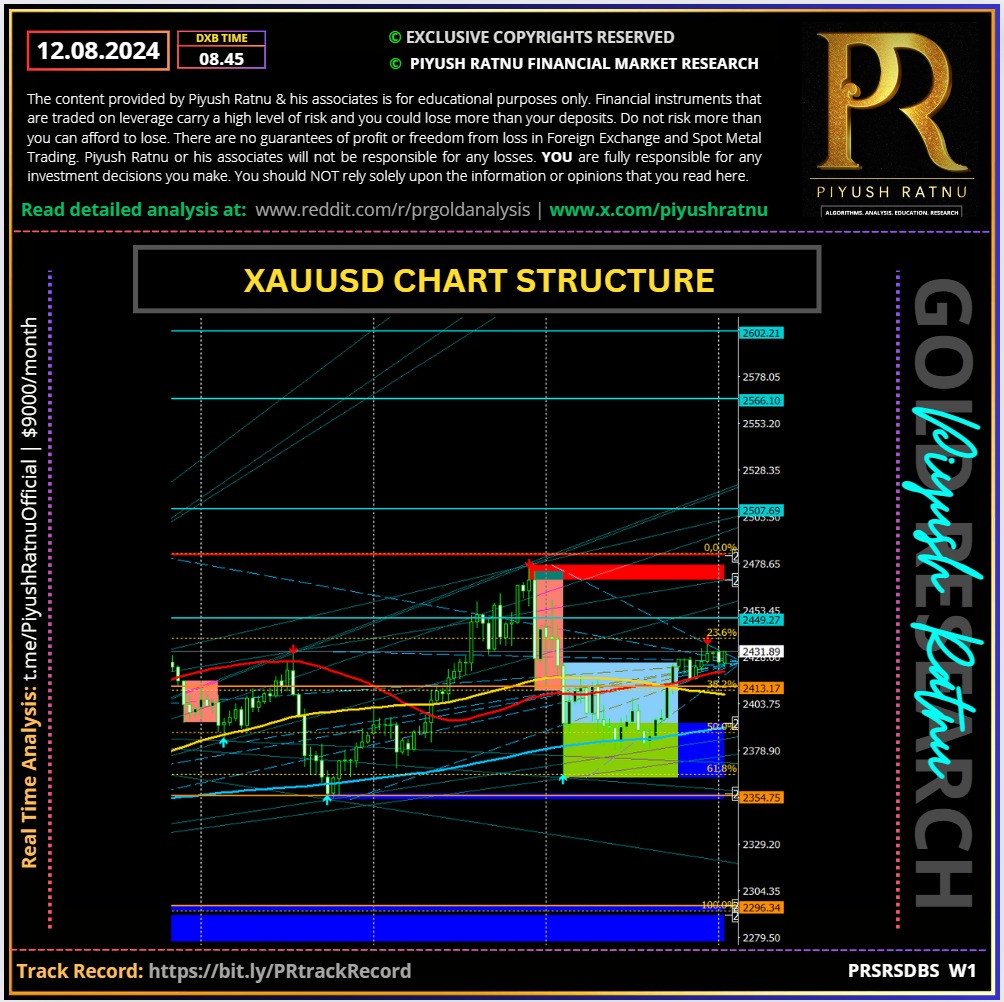
🔻BZ $2407/2385/2369/2332
🔺SZ $2469/2485/2525/2552