Rodrigo Malacarne
Rodrigo Malacarne
4.8 (63)
  • 정보
13+ 년도
경험
0
제품
0
데모 버전
61
작업
0
거래 신호
0
구독자
Somsri Sarkar - INTRAQUOTES
Somsri Sarkar
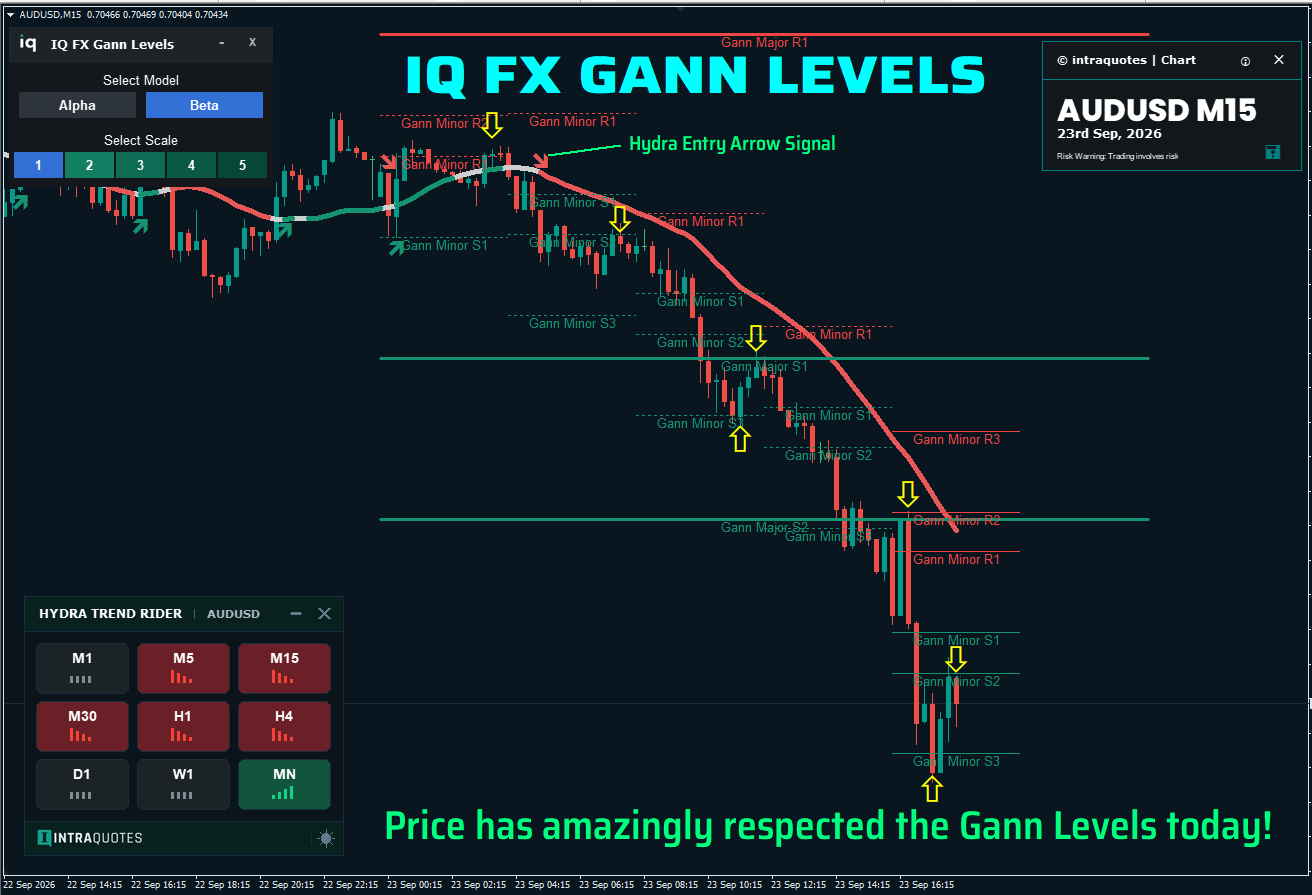
🔴LIVE Market AUDUSD Signal with IQ FX Gann Levels and Trend Signal using AI-Powered Hydra Trend Rider.

⭐️ IQ FX Gann Levels (Powerful W.D.Gann Intraday Trading Tool)-
➡️ MT4: https://www.mql5.com/en/market/product/120026
➡️ MT5: https://www.mql5.com/en/market/product/119707

⭐️ Hydra Trend Rider (AI-Powered Trend Indicator)-
➡️ MT4: https://www.mql5.com/en/market/product/111010
➡️ MT5: https://www.mql5.com/en/market/product/122155
Vladislav Andruschenko
Partial Close and Trailing. Partial closing of positions on rollbacks updated to version 26.922

Partial Close and Trailing has been updated to version 26.922. This release includes EAPADPRO v75, which fixes a panel interaction issue in Strategy Tester visualization mode. If you test and optimize MetaTrader tools before live use, update the latest MT terminal to keep the panel workflow stable during backtesting and visualization. Tools are provided for technical assistance and workflow organization. More details on EXPFOREX:

More details: https://expforex.com/?exsa_click=1&qid=1157&platform=mql5
Ibrahim Akin Karakaya
Ibrahim Akin Karakaya MetaTrader 4 시그널 발표됨
"Mezarkitabesi" 사용가능
Dmitriy Gizlyk
Dmitriy Gizlyk
게재된 기고글 Нейросети в трейдинге: Управление риском через распределение результатов (Вычислительная основа)
Нейросети в трейдинге: Управление риском через распределение результатов (Вычислительная основа)

Продолжаем адаптацию AC-SRM к торговым задачам и переносим основные операции с распределением результатов на сторону OpenCL. Реализованы выборка из распределения, расчет спектральных весов и риск-чувствительная оценка, а также градиенты по значениям и вероятностям с учетом пути через квантильное кодирование. Полученные примитивы позволяют оценивать возможные торговые результаты с заданным отношением к риску и формировать согласованный обучающий сигнал для распределительной модели.

2
Vladislav Andruschenko
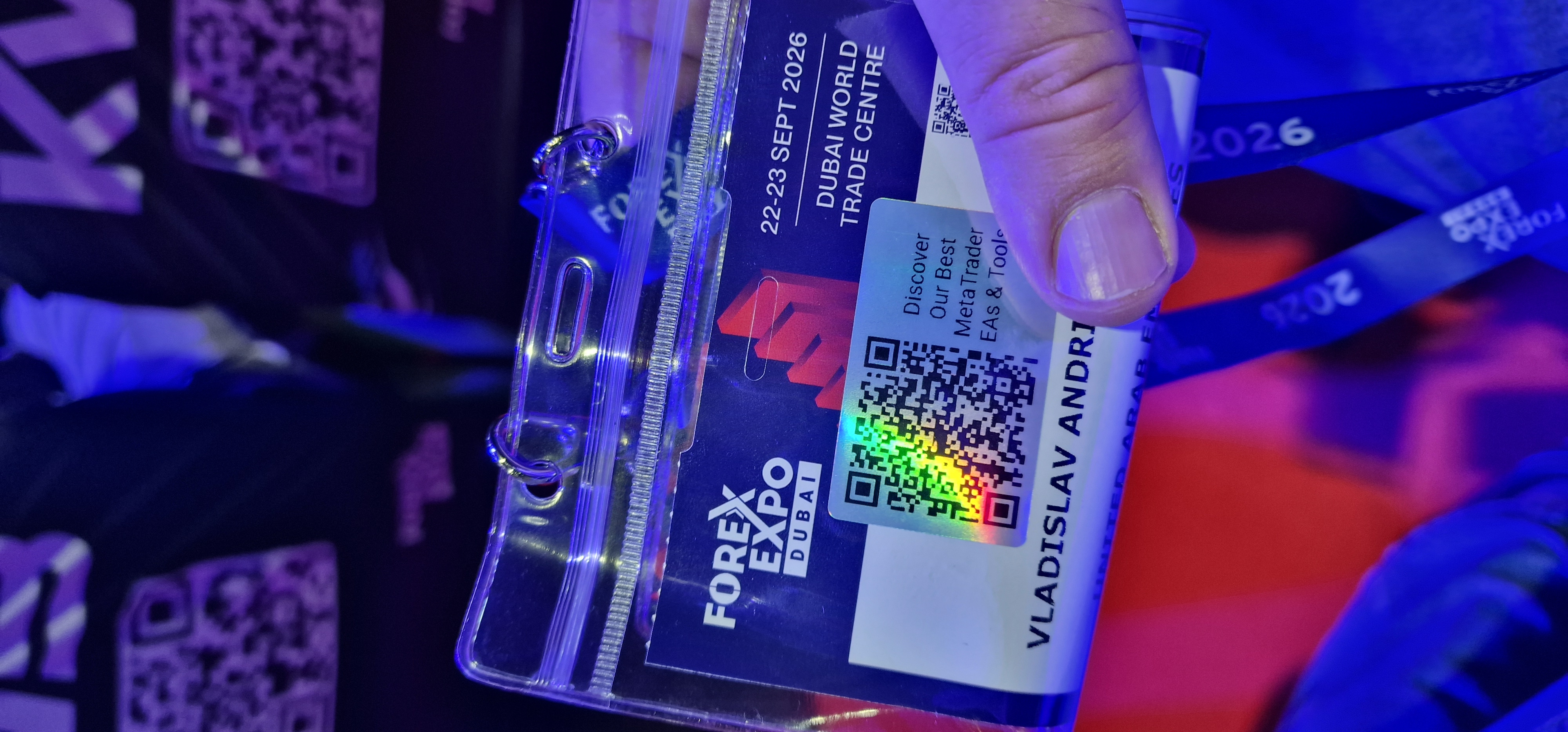
Forex Expo 2026 🇦🇪

Dubai. Finance. Forex.
Business at a serious level.

🌐 "expforex.com" (https://expforex.com)

#ForexExpo #ForexExpoDubai #ExpForex #Forex #Trading #Finance #Dubai #UAE
Vladimir Pastushak
Vladimir Pastushak
Who is a broker and why do you need one?

A broker is a professional intermediary between a trader and the exchange. As a licensed company or a private specialist, he provides a retail trader with access to trading: it is the broker who accepts the client's orders, checks them, and sends them to the exchange for execution. An ordinary person has no direct access to trading — this path is closed by venue rules, so without a broker you can neither open an account, nor buy a share, nor make a currency deal. The terminal in which you see charts is also part of the broker's services.

Why do you need a broker? He solves several tasks at once: gives access to the market, executes trades on your behalf, keeps funds and financial instruments on a separate account, handles settlements, and provides analytics and educational materials. For his work, the broker receives a commission — a fixed fee per trade or a part of the spread. This is the payment for infrastructure: servers, licenses, insurance, and security that make trading possible for millions of retail clients.

How do you choose a reliable broker? Pay attention to the license and reputation, the size of commissions, the quality of order execution and the speed of withdrawals, as well as the convenience of the platform and the quality of support. For a beginner it is important that the broker offers a demo account for practice. Remember: a broker is your trading partner, not an adviser on profit. Choosing a broker responsibly is one of the first steps toward systematic and safe trading.

In my profile you will find a lot of useful educational information, (don't forget to add me as a friend) Profile: https://www.mql5.com/en/users/voldemar


Кто такой брокер и зачем он нужен?

Брокер — это профессиональный посредник между трейдером и биржей. Лицензированная компания или частный специалист, он предоставляет частному трейдеру доступ к торговле: именно брокер принимает заявки клиента, проверяет их и передаёт на биржу для исполнения. Прямого доступа к торгам у обычного человека нет — этот путь закрыт правилами площадок, поэтому без брокера невозможно ни открыть счёт, ни купить акцию, ни заключить сделку с валютой. Терминал, в котором вы видите графики, — тоже часть услуг брокера.

Зачем нужен брокер? Он решает сразу несколько задач: даёт доступ к рынку, исполняет сделки от вашего имени, хранит средства и финансовые инструменты на отдельном счёте, ведёт расчёты и предоставляет аналитику и обучающие материалы. За свою работу брокер получает комиссию — фиксированную плату за сделку или часть спреда. Это плата за инфраструктуру: серверы, лицензии, страхование и безопасность, которые делают торговлю возможной для миллионов частных клиентов.

Как выбрать надежного брокера? Обращайте внимание на лицензию и репутацию, размер комиссий, качество исполнения заявок и скорость вывода средств, а также на удобство платформы и качество поддержки. Для новичка важно, чтобы у брокера был демо-счёт для практики. Помните: брокер — ваш партнёр в торговле, а не советник по прибыли. Ответственный выбор брокера — один из первых шагов к системной и безопасной торговле.

В моём профиле Вы найдете много полезной обучающей информации, (не забудь добавить в друзья) Профиль: https://www.mql5.com/ru/users/voldemar
Roman Starostin
Roman Starostin
If you’re looking for a reliable Expert Advisor backed by real trading rather than impressive-looking backtests, take a look at Night Hawk EA.

The website includes verified real trading reports covering many years of live performance, so you can review the results yourself before making any decision.

See the full trading history and performance reports here:

https://night-hawk-ea.com/

Check the results, compare the performance, and decide for yourself whether Night Hawk EA fits your trading strategy.
Vladimir Pastushak
Vladimir Pastushak
Who is a trader?

A trader is a participant of the financial market who earns money on price changes of financial instruments: stocks, currencies, indices, commodities, and cryptocurrencies. Unlike an investor, who puts money in for years and waits for long-term growth, a trader makes deals much more often — from several times a day to several times a month — and tries to profit both from rising and falling prices. The main working tool of a trader is a trading terminal: through it he sees quotes, analyzes charts, and sends orders to the broker and then to the exchange.

What does the work of a trader consist of? He studies the market, looks for entry and exit points, opens and closes positions, and manages risks. Analysis can be technical — based on charts, candlesticks, and indicators — or fundamental, based on news and economic data. A professional acts not on emotions but according to a well-thought-out trading system: he knows when to enter a trade, when to exit it, and what part of the capital he is ready to risk. It is risk management that distinguishes a master from a beginner who bets the entire deposit on a single trade and hopes for luck.

Trading can be a hobby or can become a profession, but in any case the path starts the same way: education, a demo account, testing the trading strategy, and only then real money. Start small, learn to read charts and protect your capital with stop losses, and over time trading will become conscious — and therefore stable. Remember: anyone who is ready to learn and accept losses as a natural part of the process can become a trader.

In my profile you will find a lot of useful educational information, (don't forget to add me as a friend) Profile: https://www.mql5.com/en/users/voldemar


Кто такой трейдер?

Трейдер — это участник финансового рынка, который зарабатывает на изменении цен финансовых инструментов: акций, валют, индексов, сырья и криптовалют. В отличие от инвестора, который вкладывает деньги на годы и ждёт долгосрочного роста, трейдер совершает сделки значительно чаще — от нескольких раз в день до нескольких раз в месяц — и пытается получить прибыль как на росте, так и на падении цены. Главный рабочий инструмент трейдера — торговый терминал: через него он видит котировки, анализирует графики и отправляет заявки брокеру на биржу.

В чём заключается работа трейдера? Он изучает рынок, ищет моменты входа и выхода, открывает и закрывает позиции и управляет рисками. Анализ бывает техническим — на основе графиков, свечей и индикаторов, — и фундаментальным, на основе новостей и экономических данных. Профессионал действует не на эмоциях, а по заранее продуманной торговой системе: он знает, когда войти в сделку, когда из неё выйти и какой частью капитала готов рискнуть. Именно управление риском отличает мастера от новичка, который ставит весь депозит на одну сделку и надеется на удачу.

Трейдинг может быть хобби, а может стать профессией, но путь в любом случае начинается одинаково: обучение, демо-счёт, тестирование торговой стратегии и только потом реальные деньги. Начните с малого, научитесь читать графики и защищать капитал стоп-лоссами, и со временем торговля станет осознанной — а значит, стабильной. Помните: трейдером может стать каждый, кто готов учиться и принимать убытки как естественную часть процесса.

В моём профиле Вы найдете много полезной обучающей информации, (не забудь добавить в друзья) Профиль: https://www.mql5.com/ru/users/voldemar
Vladimir Pastushak
Vladimir Pastushak
What is a stock exchange?

A stock exchange is an organized trading venue where buyers and sellers meet to make deals in financial instruments: stocks, bonds, currencies, futures, and other assets. Unlike an over-the-counter market, where the terms of every deal are negotiated from scratch, an exchange operates under uniform rules: all participants trade through transparent procedures, and prices form as a result of free competition between orders. That is why an exchange quote can be considered an objective valuation of an asset at a given moment.

How does an exchange work? All participant orders — to buy and to sell — are collected in a single electronic order book. Buy orders are sorted by descending price, sell orders by ascending price, and when the buyer's price matches or crosses the seller's price, the system automatically executes the trade. This process is called matching, and settlements for completed trades are handled by a special clearing house that assumes the risk of default. To keep order on the venue, the exchange sets listing rules — which instruments are admitted for trading — and also controls participant behavior through margin requirements and position limits.

For a trader, an exchange is a source of fair market prices and liquidity: instruments on an exchange venue can be bought or sold quickly and at a fair price thanks to the large number of participants. To access an exchange, you do not need to be its member: it is enough to open an account with a broker who has access to trading. The largest venues in the world are the New York Stock Exchange, the London Stock Exchange, and the Moscow Exchange, while the Forex currency market is a global interbank system operating almost around the clock. Understanding how an exchange works helps a beginner perceive quotes, spreads, and trade execution consciously — this is the first step toward systematic trading.

In my profile you will find a lot of useful educational information, (don't forget to add me as a friend) Profile: https://www.mql5.com/en/users/voldemar


Что такое биржа?

Биржа — это организованная торговая площадка, на которой покупатели и продавцы встречаются для заключения сделок с финансовыми инструментами: акциями, облигациями, валютами, фьючерсами и другими активами. В отличие от стихийного рынка, где условия каждой сделки договариваются заново, биржа работает по единым правилам: все участники торгуют по прозрачным процедурам, а цены формируются в результате свободной конкуренции заявок. Именно поэтому биржевую котировку можно считать объективной оценкой стоимости актива в конкретный момент времени.

Как устроена биржа? Все заявки участников — на покупку и на продажу — собираются в едином электронном стакане. Заявки на покупку сортируются по убыванию цены, заявки на продажу — по возрастанию, и когда цена покупателя совпадает или пересекается с ценой продавца, система автоматически заключает сделку. Сам процесс называют матчингом, а расчёты по совершённым сделкам ведёт специальная клиринговая структура, которая берёт на себя риск неисполнения обязательств. Чтобы на площадке был порядок, биржа устанавливает правила листинга — какие инструменты допускаются к торгам, — и контролирует поведение участников через механизмы маржинальных требований и лимитов.

Для трейдера биржа — это источник честных рыночных цен и ликвидности: инструменты на биржевой площадке можно купить или продать быстро и по справедливой цене благодаря множеству участников. Чтобы выйти на биржу, не нужно быть её членом: достаточно открыть счёт у брокера, который имеет доступ к торгам. Крупнейшие площадки мира — Нью-Йоркская фондовая биржа, Лондонская фондовая биржа и Московская биржа, а валютный рынок Forex представляет собой глобальную межбанковскую систему, работающую практически круглосуточно. Понимание того, как устроена биржа, помогает новичку осознанно воспринимать котировки, спред и исполнение сделок — это первый шаг к системной торговле.

В моём профиле Вы найдете много полезной обучающей информации, (не забудь добавить в друзья) Профиль: https://www.mql5.com/ru/users/voldemar
Vladimir Pastushak
Vladimir Pastushak
Trading seems simple until you start trading with your own money. There is a price chart, a few candlesticks, Buy and Sell buttons — it may seem that all you need to do is figure out where the market is going, open a trade, and take the profit...
Vladimir Pastushak
Vladimir Pastushak
5 главных ошибок начинающего трейдера: что мешает зарабатывать на финансовых рынках Трейдинг кажется простым только до тех пор, пока человек не начинает торговать собственными деньгами...
Vladimir Pastushak
Vladimir Pastushak
What is a financial instrument?

A financial instrument is an asset that can be bought or sold on the financial market to make a profit: stocks, currencies, indices, metals, oil, and cryptocurrencies. This is the basic concept that starts any trade. A trader selects an instrument, studies its features, analyzes the chart, and opens a position. Everything displayed in the terminal — price, spread, quote, volume — always relates to a specific financial instrument.

Financial instruments are divided into several large groups. Stocks are shares of companies that give the right to a part of their profit. Currencies are traded in pairs on the Forex market: EURUSD, GBPUSD, USDJPY, and others. Stock indices show the state of a group of companies, for example, the S&P 500 or NASDAQ. Metals such as gold and silver are considered safe-haven assets and attract investors in times of uncertainty. Oil and gas are commodity instruments that react sensitively to world news. Cryptocurrencies are the youngest and most volatile class, operating around the clock.

Each instrument has its own characteristics: liquidity, volatility, spread size, and trading hours. A beginner should start with one or two liquid and understandable instruments — for example, shares of large companies or major currency pairs. Study their behavior on the chart, practice on a demo account, and only then move on to more exotic assets. Understanding what you trade is half the success in trading.

In my profile you will find a lot of useful educational information, (don't forget to add me as a friend) Profile: https://www.mql5.com/en/users/voldemar


Что такое финансовый инструмент?

Финансовый инструмент — это актив, который можно купить или продать на финансовом рынке с целью получения прибыли: акции, валюты, индексы, металлы, нефть и криптовалюты. Это базовое понятие, с которого начинается любая сделка. Трейдер выбирает инструмент, изучает его особенности, анализирует график и открывает позицию. Всё, что отображается в терминале — цена, спред, котировка, объём, — всегда относится к конкретному финансовому инструменту.

Финансовые инструменты делятся на несколько больших групп. Акции — это доли компаний, дающие право на часть их прибыли. Валюты торгуются парами на рынке Forex: EURUSD, GBPUSD, USDJPY и другие. Фондовые индексы показывают состояние группы компаний, например, S&P 500 или NASDAQ. Металлы, такие как золото и серебро, считаются защитными активами и привлекают инвесторов в периоды неопределённости. Нефть и газ относятся к сырьевым инструментам и чутко реагируют на мировые новости. Криптовалюты — самый молодой и волатильный класс, работающий круглосуточно.

Каждый инструмент имеет свои характеристики: ликвидность, волатильность, величину спреда и время торгов. Новичку важно начать с одного-двух ликвидных и понятных инструментов — например, с акций крупных компаний или основных валютных пар. Изучите их поведение на графике, потренируйтесь на демо-счёте и только потом переходите к более экзотическим активам. Понимание того, чем вы торгуете, — половина успеха в трейдинге.

В моём профиле Вы найдете много полезной обучающей информации, (не забудь добавить в друзья) Профиль: https://www.mql5.com/ru/users/voldemar
Roman Podpora
Roman Podpora
SEPTEMBER 1+1 PROMOTION

Today, we’re launching a special promotion on TPSproTRADING products.

Purchase any indicator and get another indicator of your choice completely free. It’s a great opportunity to expand your trading toolkit and save up to $150.

The promotion is valid until the end of September.
Choose the indicator you want to purchase — and select your second one as a gift.

1 purchase = 2 products. Save up to $150. (To receive your free gift, send us a private message.)
Dmitriy Gizlyk
Dmitriy Gizlyk
게재된 기고글 Нейросети в трейдинге: Управление риском через распределение результатов (AC-SRM)
Нейросети в трейдинге: Управление риском через распределение результатов (AC-SRM)

Средняя доходность не показывает, как распределены возможные прибыли и убытки, а значит, скрывает часть риска торговой стратегии. AC-SRM переносит этот риск в сам процесс обучения: политика оценивается по распределению результатов через спектральную меру риска, а не только по среднему значению. Практическую реализацию начинаем с OpenCL-кернела FQF_DistributionTargetGradient, который выбирает ближайшего к цели представителя распределения и формирует градиенты его значения и вероятности, подготавливая распределительный Критик для дальнейшей риск-ориентированной оптимизации.

1
Ibrahim Akin Karakaya
Ibrahim Akin Karakaya MetaTrader 4 시그널 발표됨
"Mezarkitabesi" 사용가능
Ibrahim Akin Karakaya
Ibrahim Akin Karakaya MetaTrader 4 시그널 발표됨
"Mezarkitabesi" 사용가능
Vladimir Pastushak
Vladimir Pastushak
How does the financial market work?

The financial market is a space where buyers and sellers of assets meet: stocks, currencies, metals, oil, and cryptocurrencies. Participants exchange money and securities, while the price is formed as a result of the balance between supply and demand. If there are more buyers than sellers, the price rises; if sellers dominate, it falls. This constant negotiation is the real "job" of the financial market.

Real participants stand behind price movement: traders, investors, brokers, exchanges, and large banks. A trader or investor sends an order to buy or sell an asset to a broker, the broker forwards the order to the exchange, and the trading system matches it with opposite orders from other participants. This is how a trade finds its counterparty, and information about completed trades forms the price chart you see in the terminal.

The key thing for a beginner to understand is that the market does not "move by itself." Prices change under the influence of news, economic reports, central bank decisions, participants' expectations, and trading volume. Liquid instruments, such as the major currency pairs, trade quickly with a minimal spread, and any price movement is always the result of the actions of thousands of participants. Once you understand the logic of the market, you will be able to read charts consciously and make balanced trading decisions.

In my profile you will find a lot of useful educational information, (don't forget to add me as a friend) Profile: https://www.mql5.com/en/users/voldemar


Как работает финансовый рынок?

Финансовый рынок — это пространство, где встречаются покупатели и продавцы активов: акций, валют, металлов, нефти и криптовалют. Участники обмениваются деньгами и ценными бумагами, а цена формируется как результат баланса спроса и предложения. Если желающих купить больше, чем продать, цена растёт; если продавцы доминируют — падает. Именно этот непрерывный торг и есть главная «работа» финансового рынка.

За движением цен стоят реальные участники: трейдеры, инвесторы, брокеры, биржи и крупные банки. Трейдер или инвестор отдаёт брокеру поручение купить или продать актив, брокер передаёт заявку на биржу, а торговая система сопоставляет её с встречными заявками других участников. Так сделка находит своего контрагента, а информация о совершённых сделках формирует график цены, который мы видим в терминале.

Начинающему важно понять главное: рынок не «двигается сам по себе». Цены меняются под влиянием новостей, экономических отчётов, решений центральных банков, ожиданий участников и объёма торгов. Ликвидные инструменты, такие как основные валютные пары, торгуются быстро и с минимальным спредом, а любое движение цены — это всегда результат действий тысяч участников. Изучив логику рынка, вы сможете читать графики осознанно и принимать взвешенные торговые решения.

В моём профиле Вы найдете много полезной обучающей информации, (не забудь добавить в друзья) Профиль: https://www.mql5.com/ru/users/voldemar