Structural Equilibrium
- Indicatori
- Versione: 1.1
- Attivazioni: 5

Structural Equilibrium: A New Era of Adaptive Market Analysis
As information technology advances and market participation grows, traditional analytical tools often face declining efficiency. Standard technical indicators frequently struggle to interpret the complexities of modern, algorithm-driven market structures.
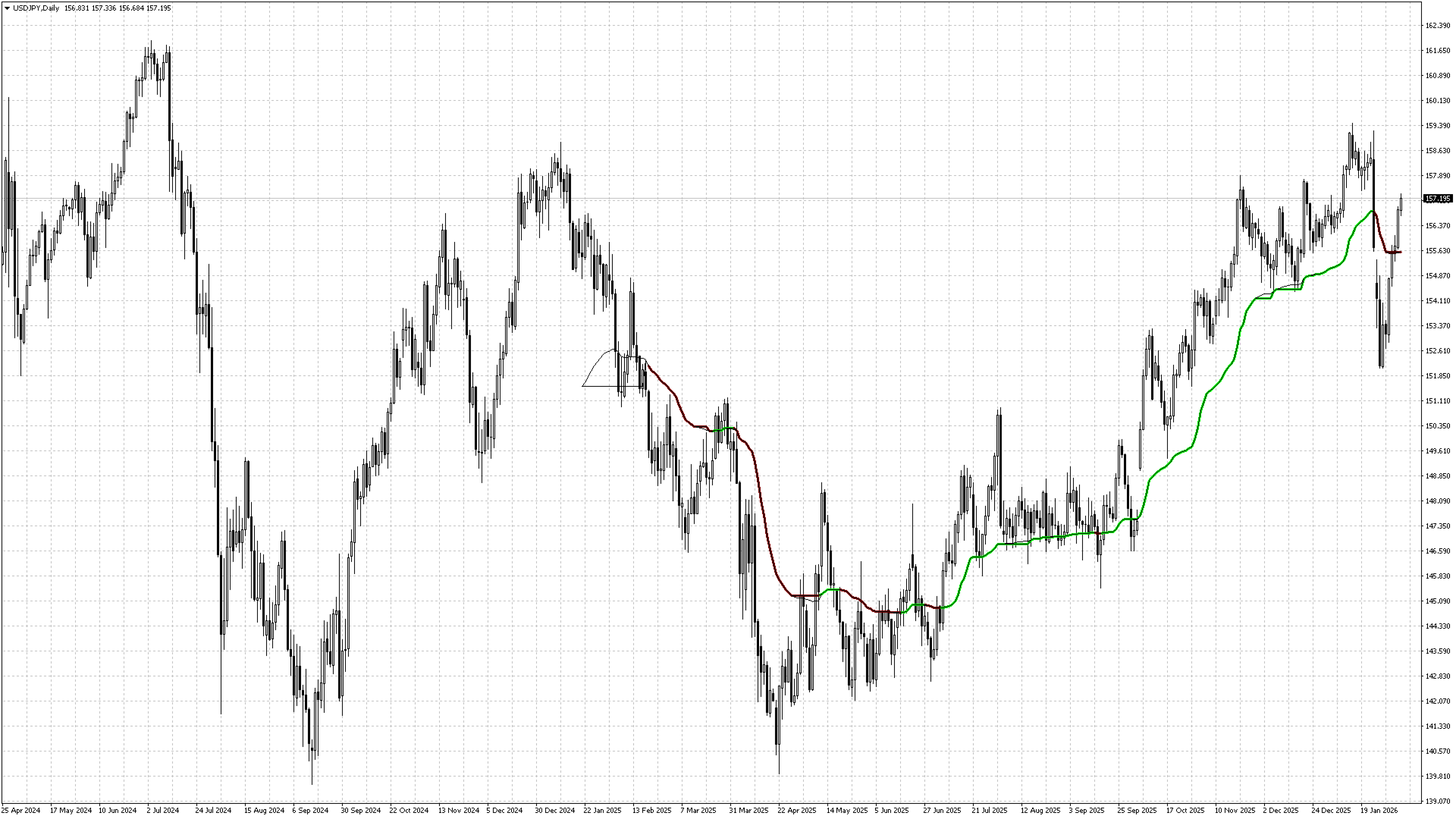
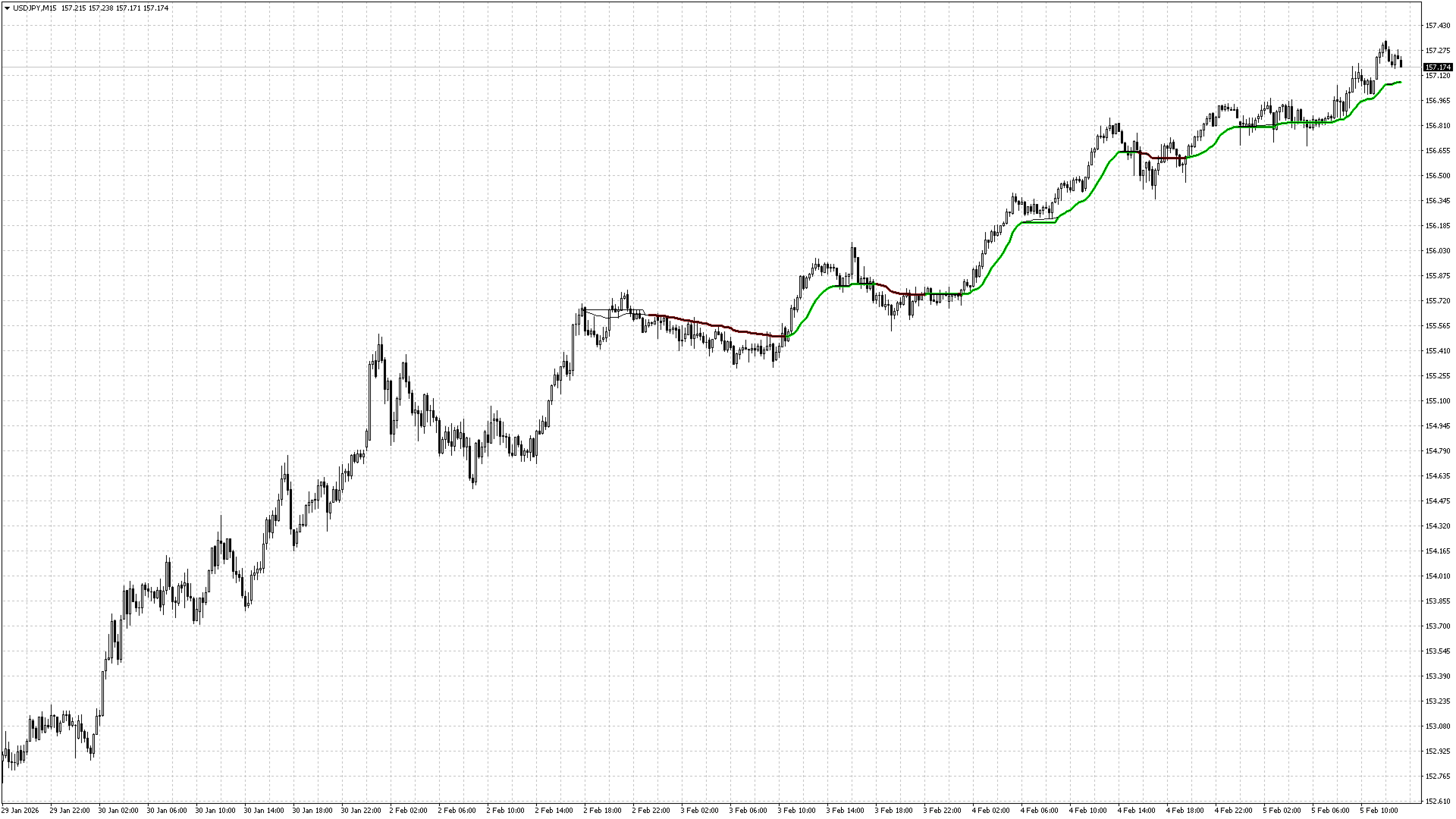
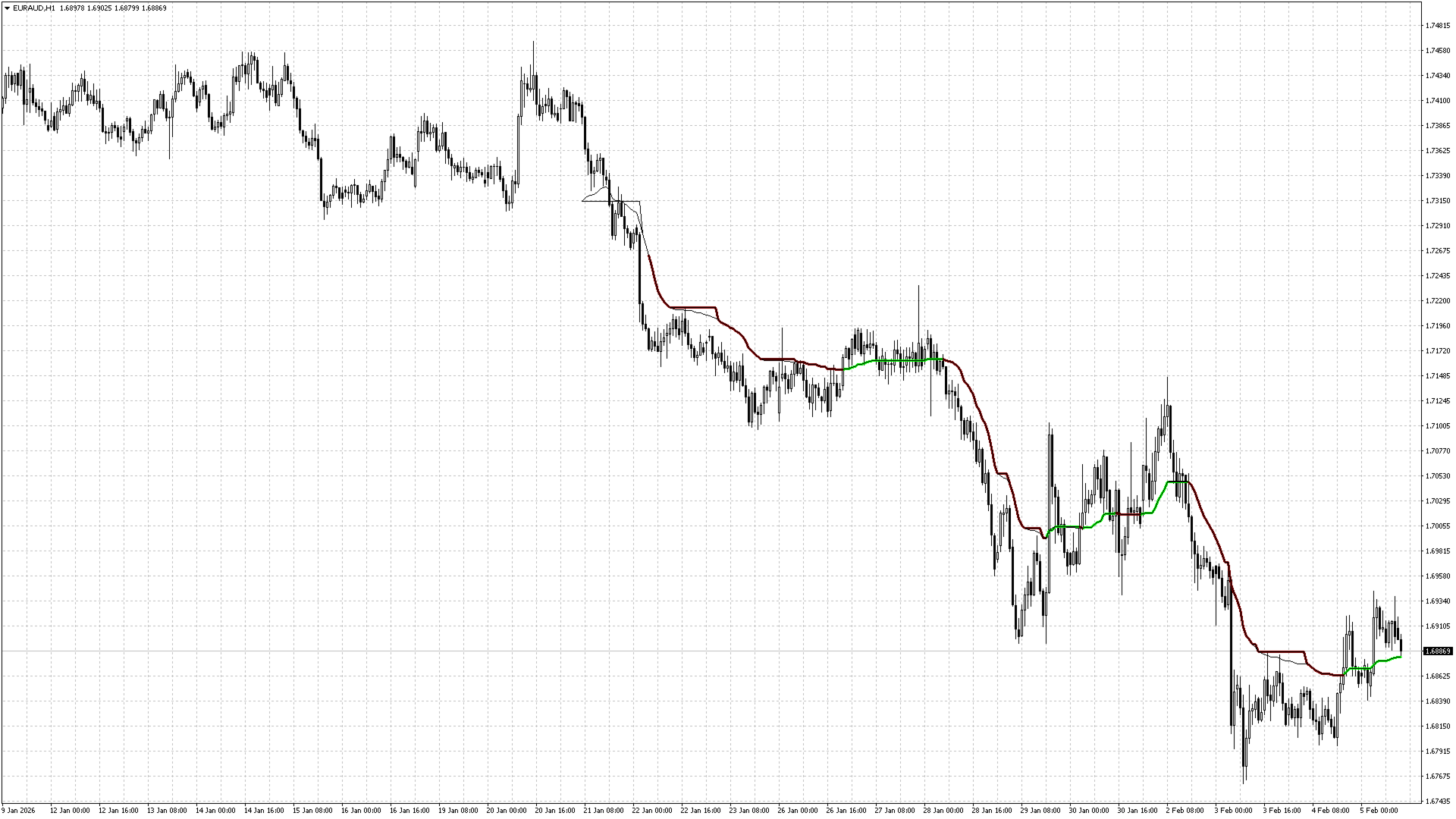
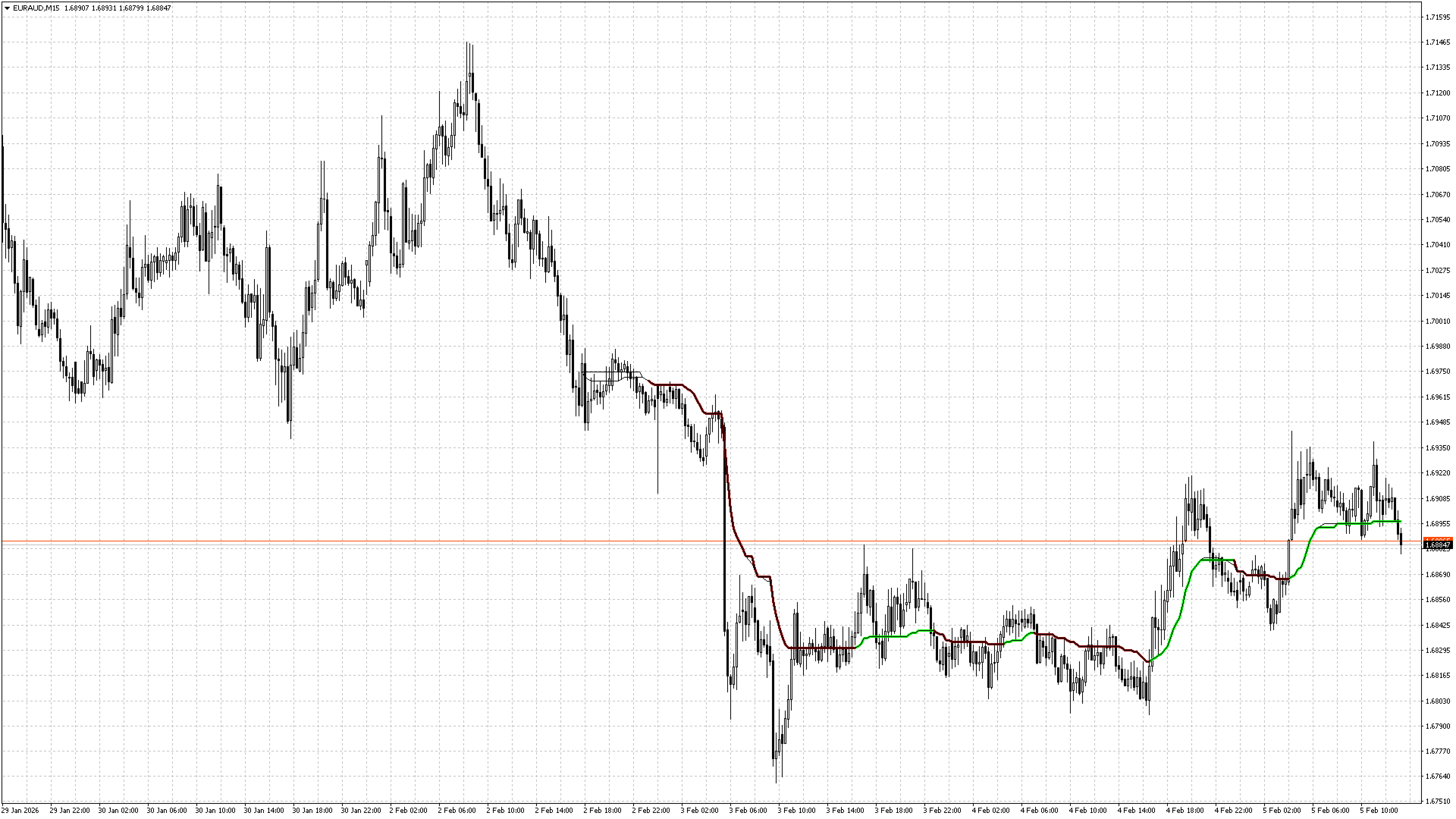
Structural Equilibrium was developed as a high-performance solution featuring a multi-level adaptive smoothing mechanism. This core logic allows the tool to maintain its analytical relevance across extensive historical periods without the constant need for parameter recalibration. The algorithm identifies structural shifts by filtering out transient market noise through an adaptive efficiency ratio that resonates with current volatility.
Key Advantages:
- Non-Lagging Integrity: Calculations are finalized only upon the closing of the bar, ensuring that signals remain fixed and objective for professional decision-making.
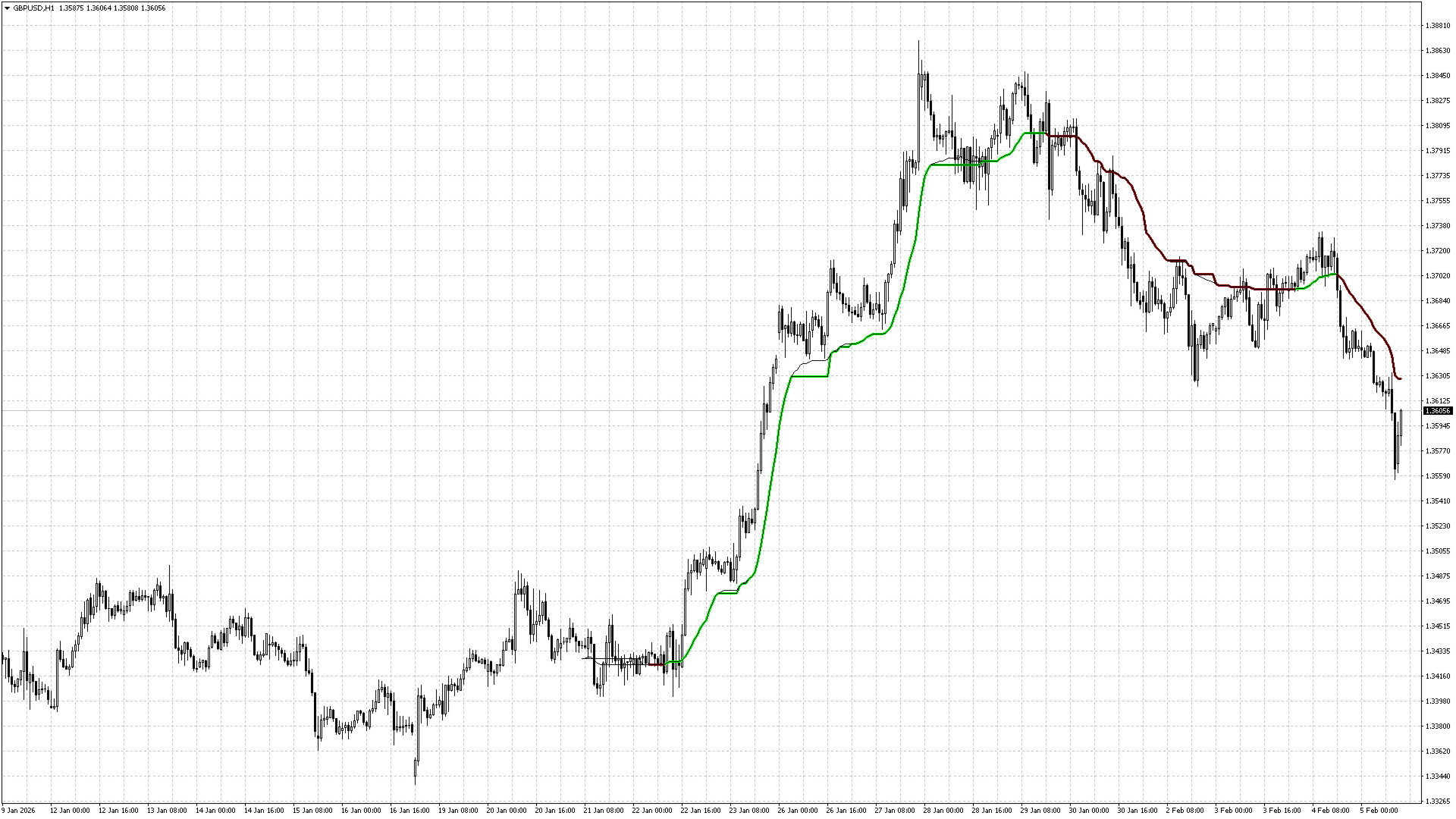
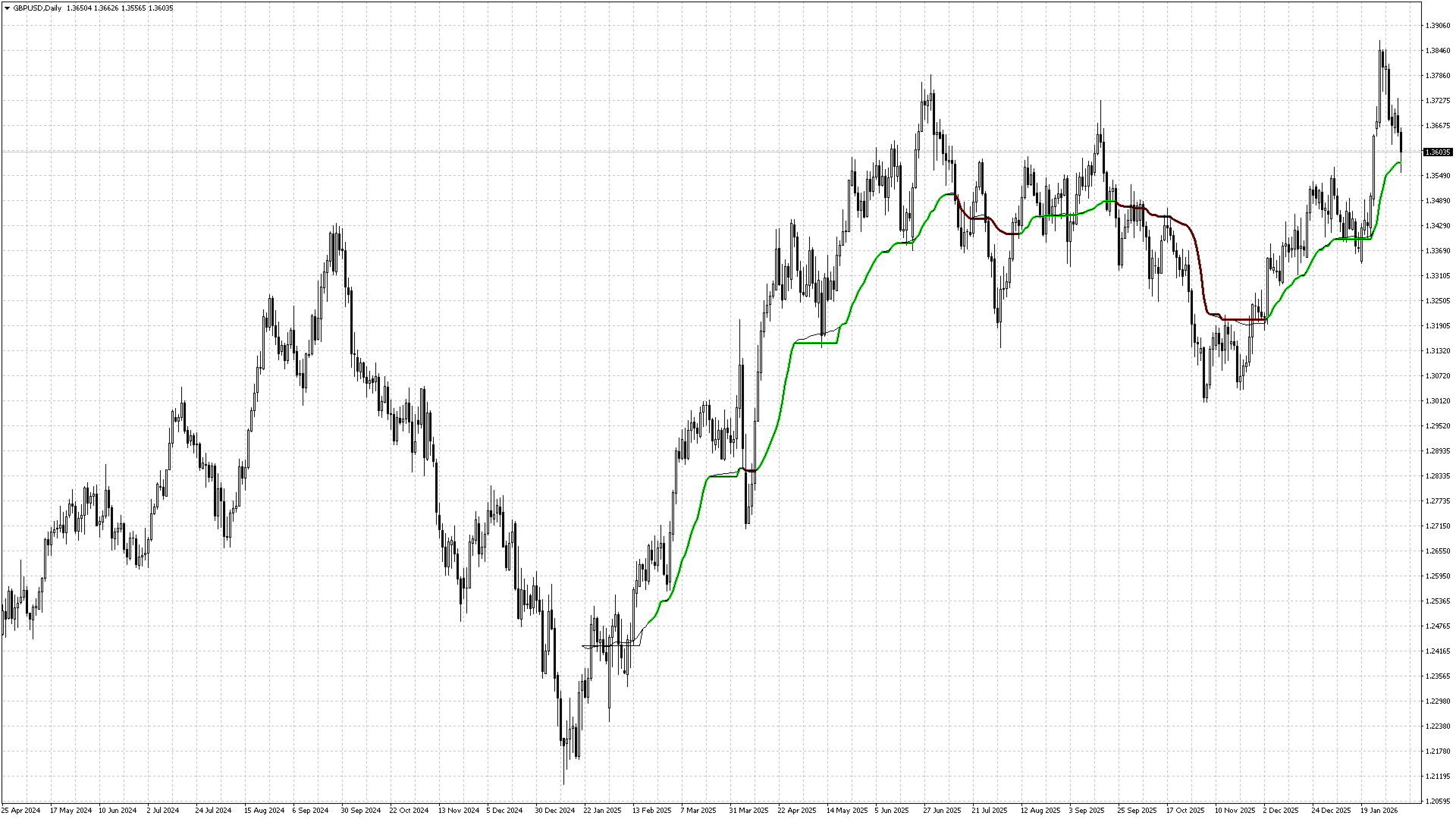
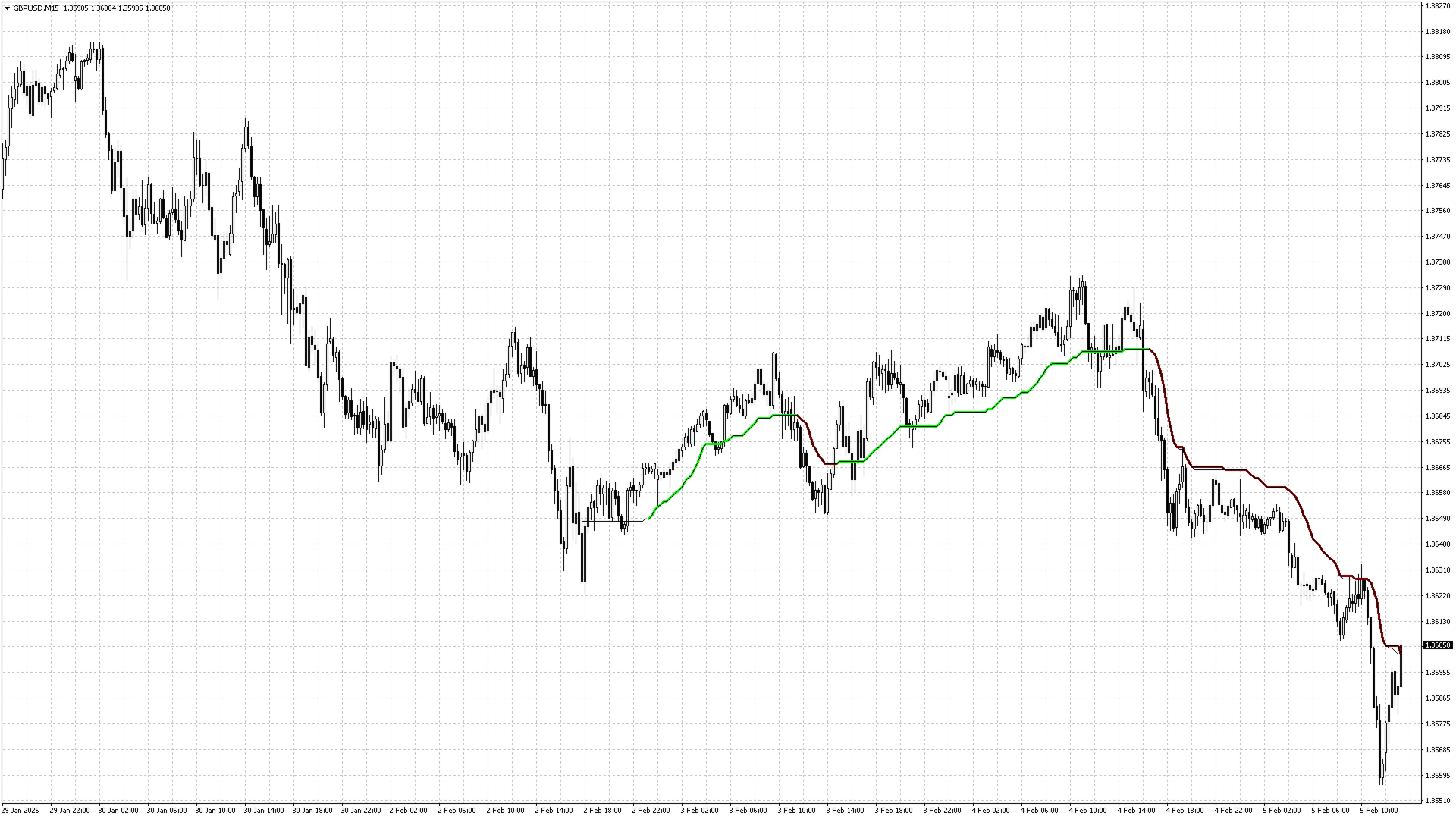
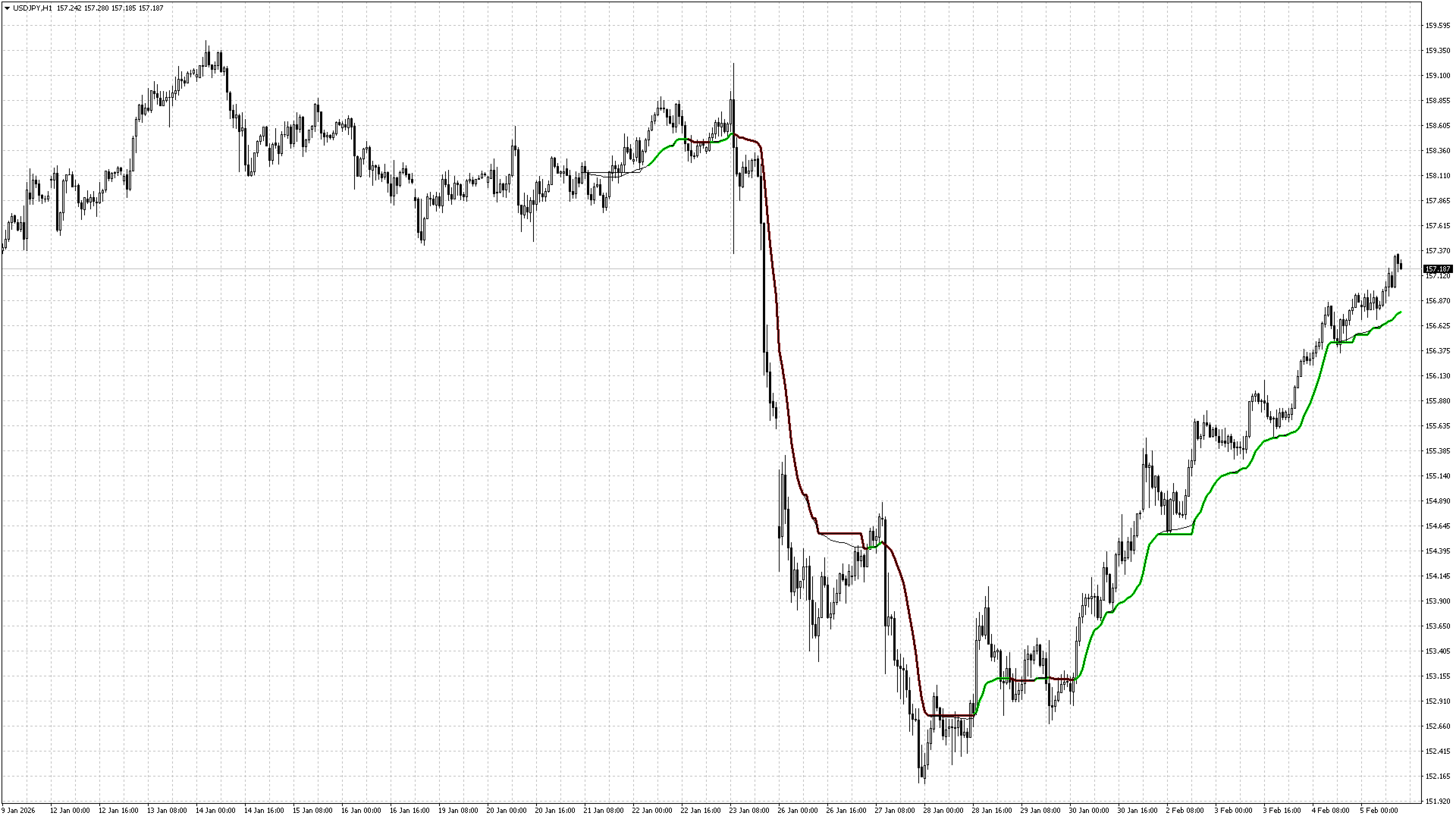
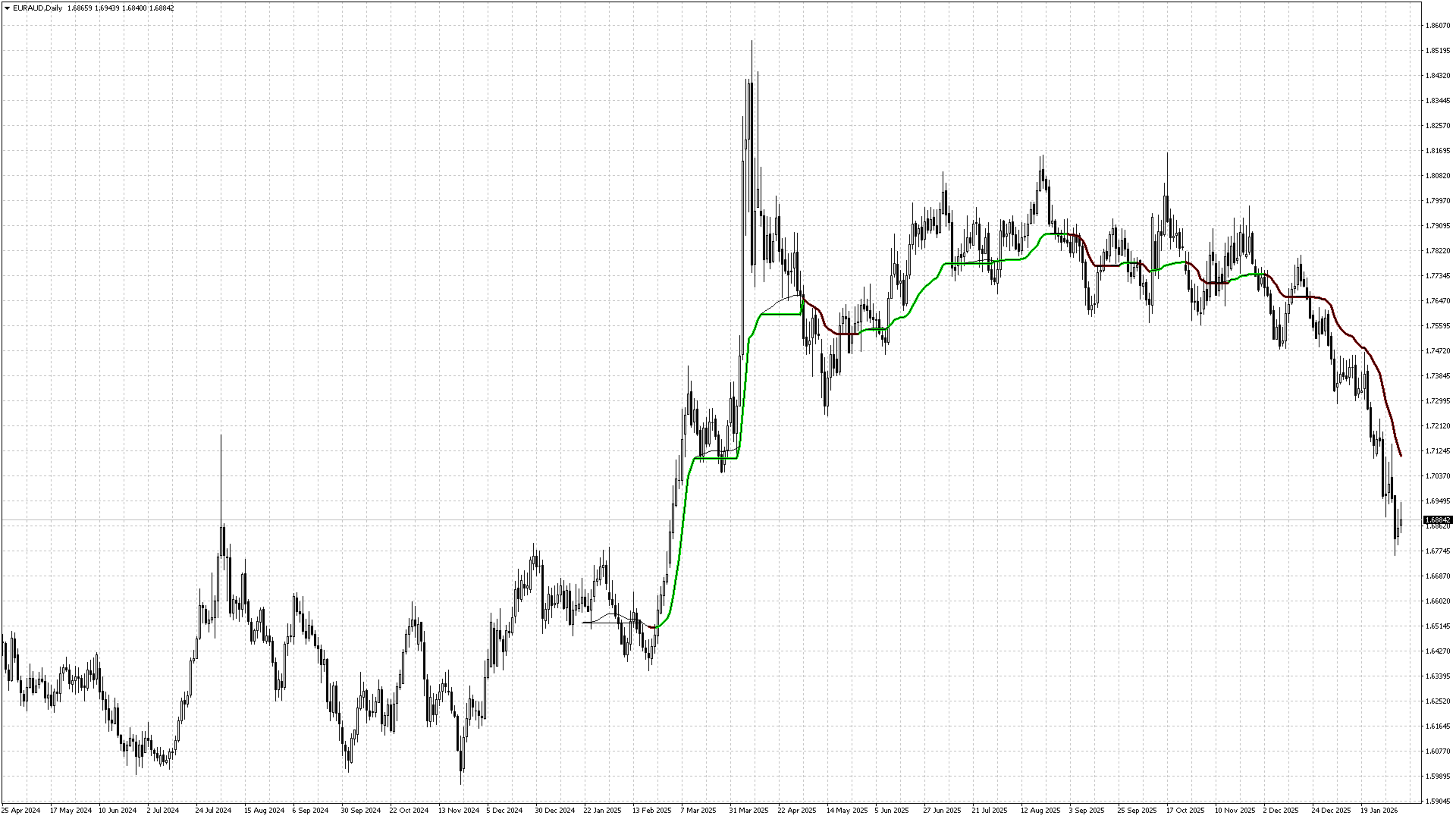
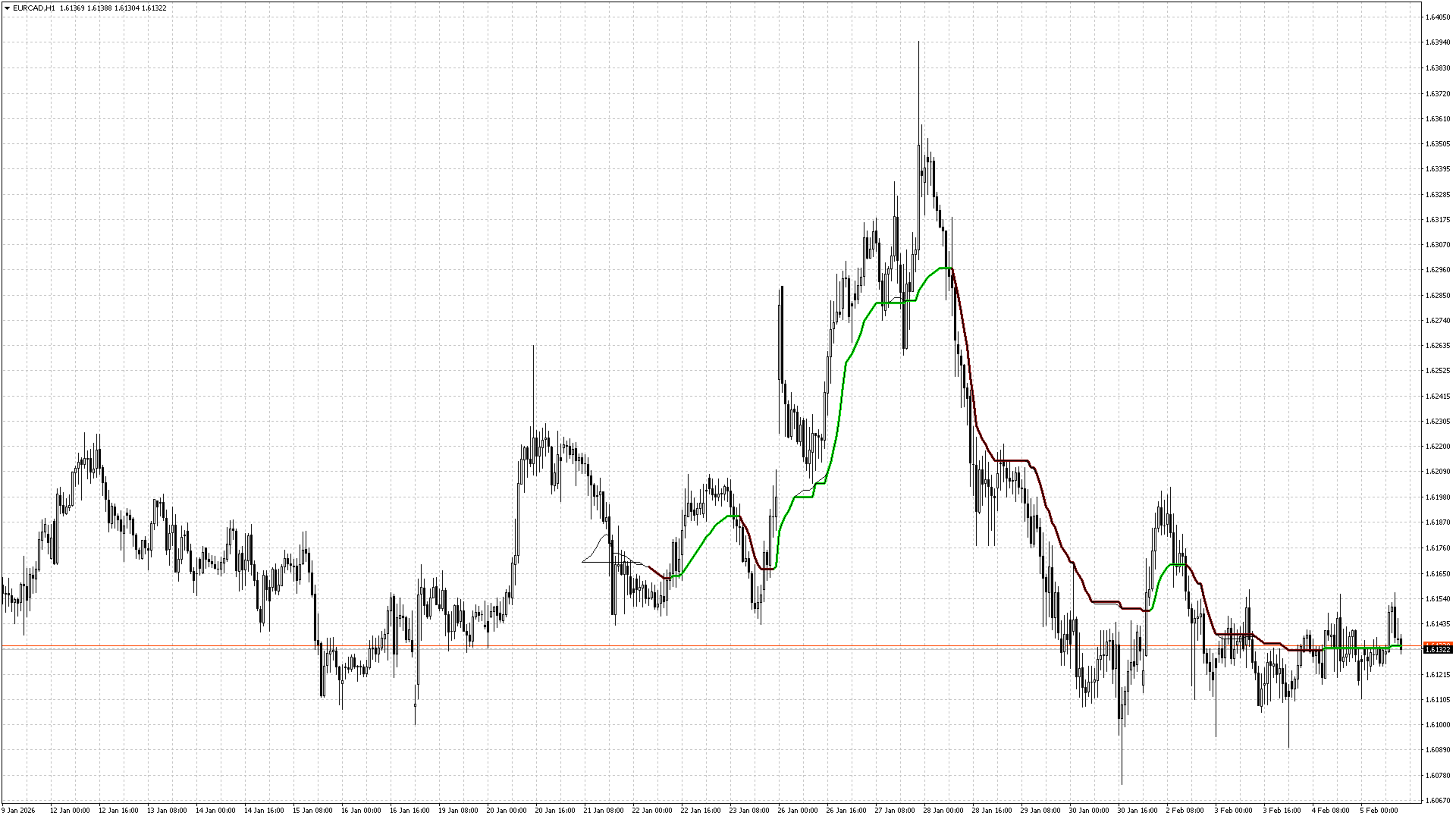
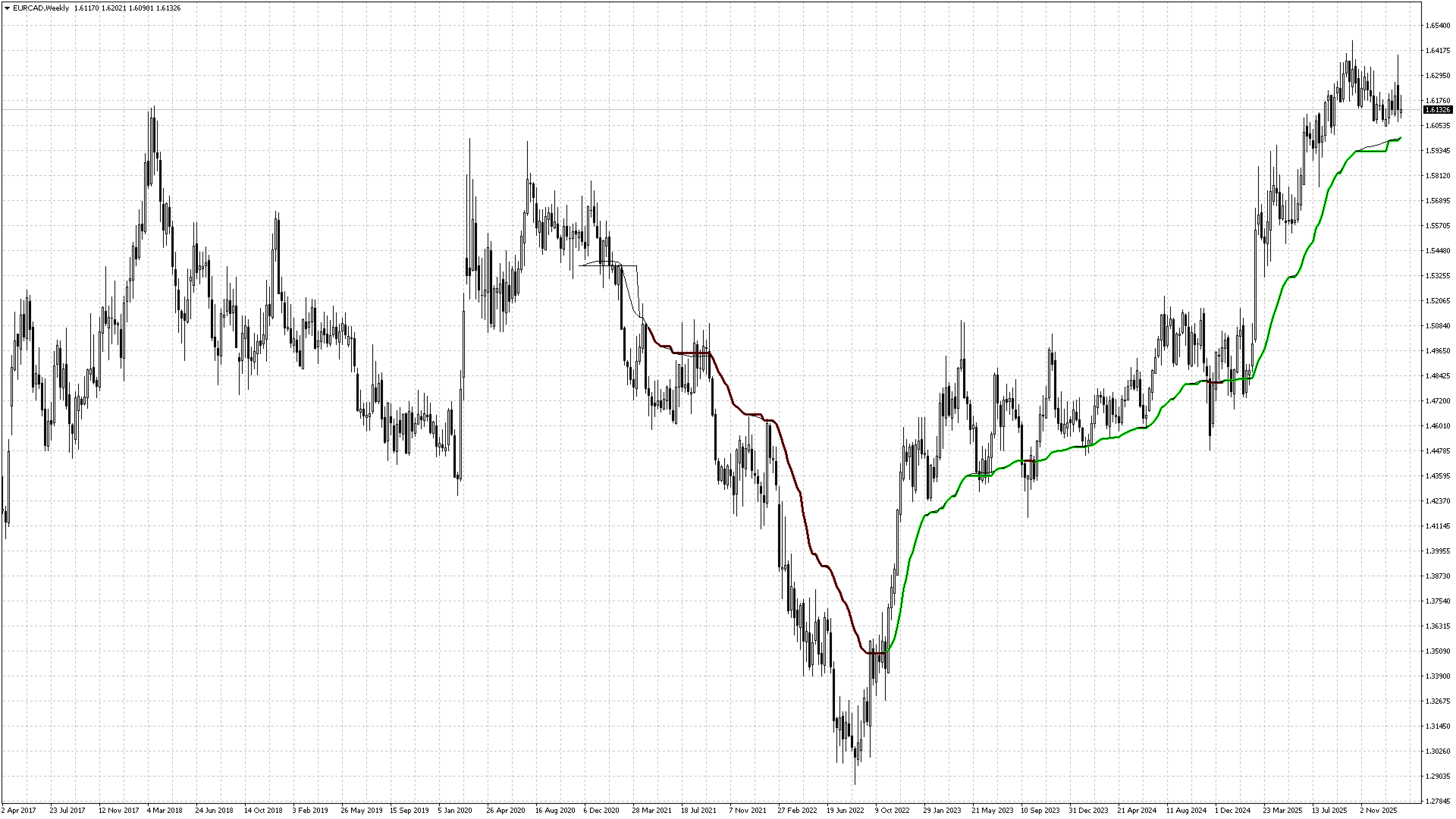
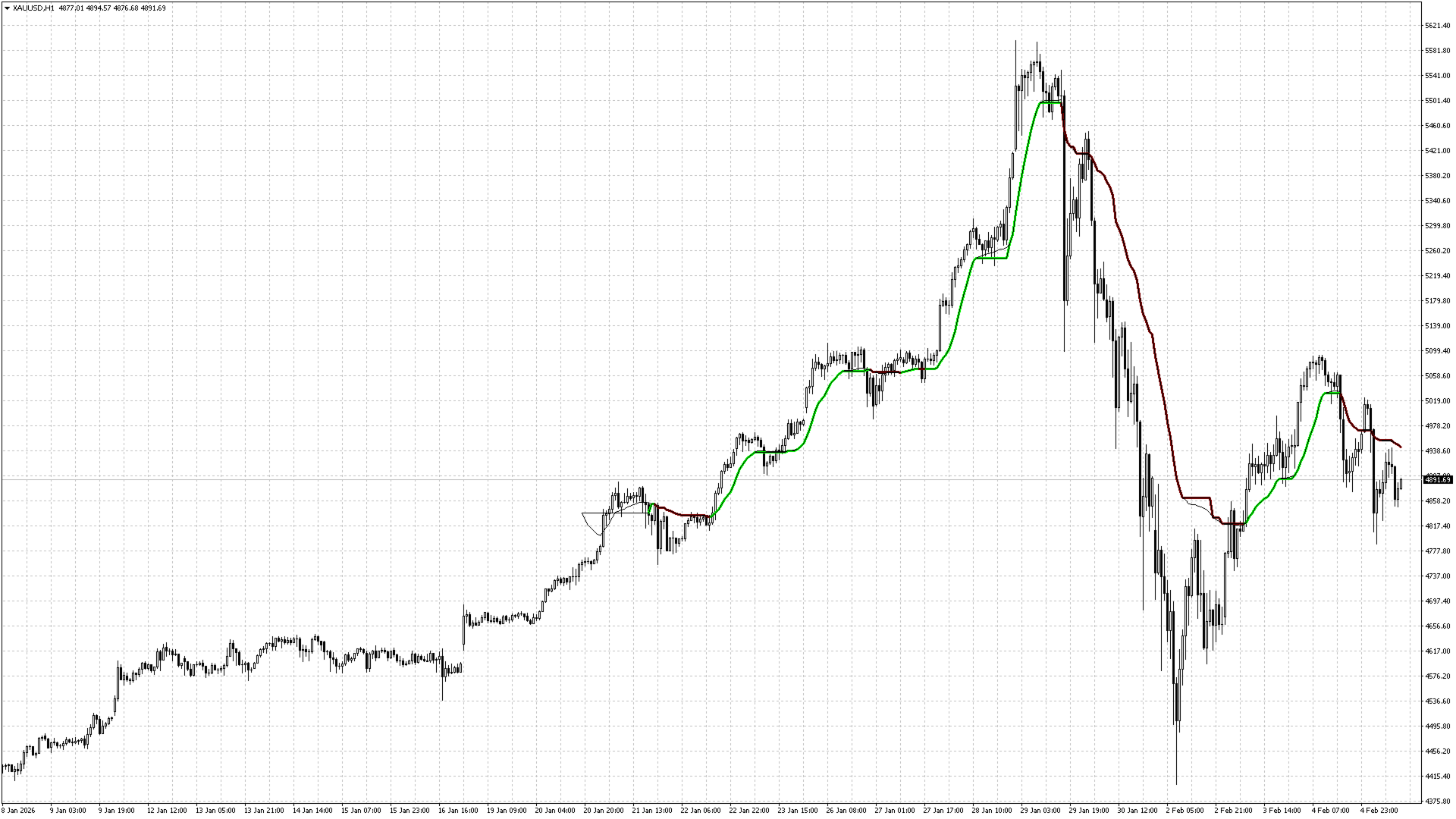
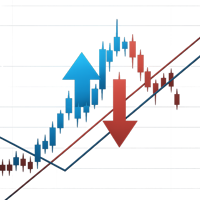
- Structural Paths: The visual representation provides a clear, real-time view of the prevailing market equilibrium and trend exhaustion zones.
- Zero Repaint: All data points are strictly tied to candle closure, eliminating any post-calculation changes.
Operational Insights:
The system generates numerical metrics to assist in identifying market bias. When evaluating the signal, observe the vector: positive values suggest a potential downward structural shift or correction, while negative values indicate a strengthening upward momentum. The magnitude of the output reflects the calculated intensity of the detected market trend.
Configuration Parameters:
- EfficiencyPeriod – Efficiency evaluation period (look-back window).
- LeadResponse – Sensitivity coefficient for rapid price changes.
- BaseSmoothing – Structural smoothing depth for the core signal.
- DepthHistory – Number of historical bars for calculation.
- NoiseThreshold – Volatility noise filtration threshold.