The coordinated effort to lower energy prices: WHY?
Core bonds rose yesterday with USTs outperforming the Bund, shrugging off a tailed US 20y bond sale. The US yield curve bull flattened with changes ranging from -1.8 bps (2y) to -5.3 bps (30y). US housing starts disappointed in contrast to building permits, suggesting demand is solid but material and labour shortages weigh on construction. In addition, Brent oil prices fell towards the $80/b neckline after word got out that US President Biden wants the Federal Trade Commission to use all tools to examine fuel price wrongdoing.
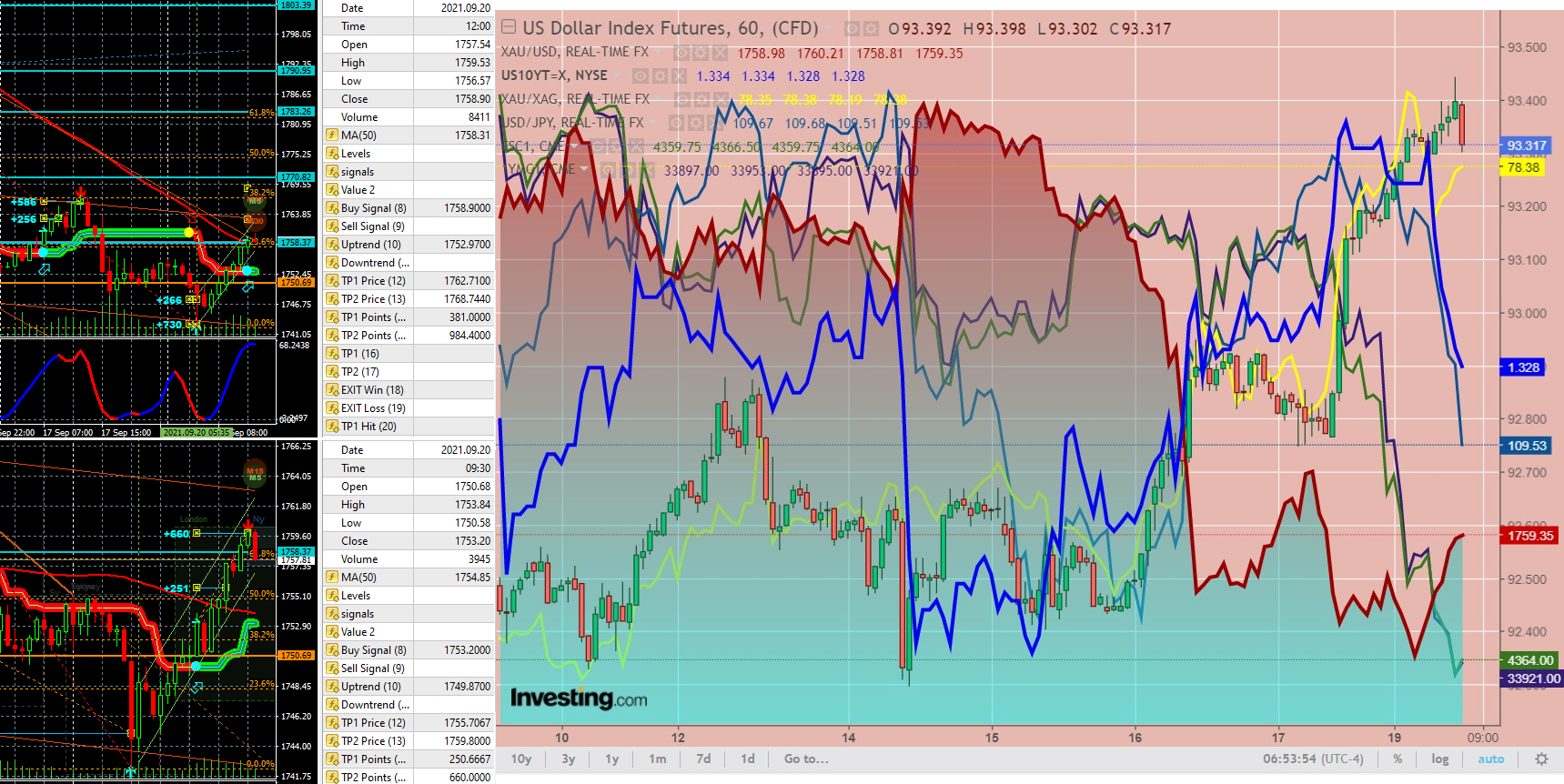
Markets took it as another hint the US will eventually release some of the strategic oil reserves to ease prices. The oil price decline was a key driver for faltering inflation expectations (-3 to -4 bps) in the US. German yields closed flat on face value but real yields (10y) hit a new all-time low at -2.25% in underlying dynamics. This was the main reason for EUR/USD’s lackluster performance even though the greenback corrected in general.
Two stories feature Asian dealings this morning. Japanese stocks erase previous losses after newspaper Nikkei reported the new Japanese fiscal stimulus package would amount to 55.7tn yen compared to the 40tn previously estimated. Chances of government support being ramped up rose after Q3 GDP figures last week disappointed heavily. The yen loses out vs. USD and EUR. A survey by the RBNZ showing inflation expectations rose to a decade high spurred rate hike bets and lifts the kiwi dollar (cfr. infra). Core bonds and other dollar pairs trade flat.
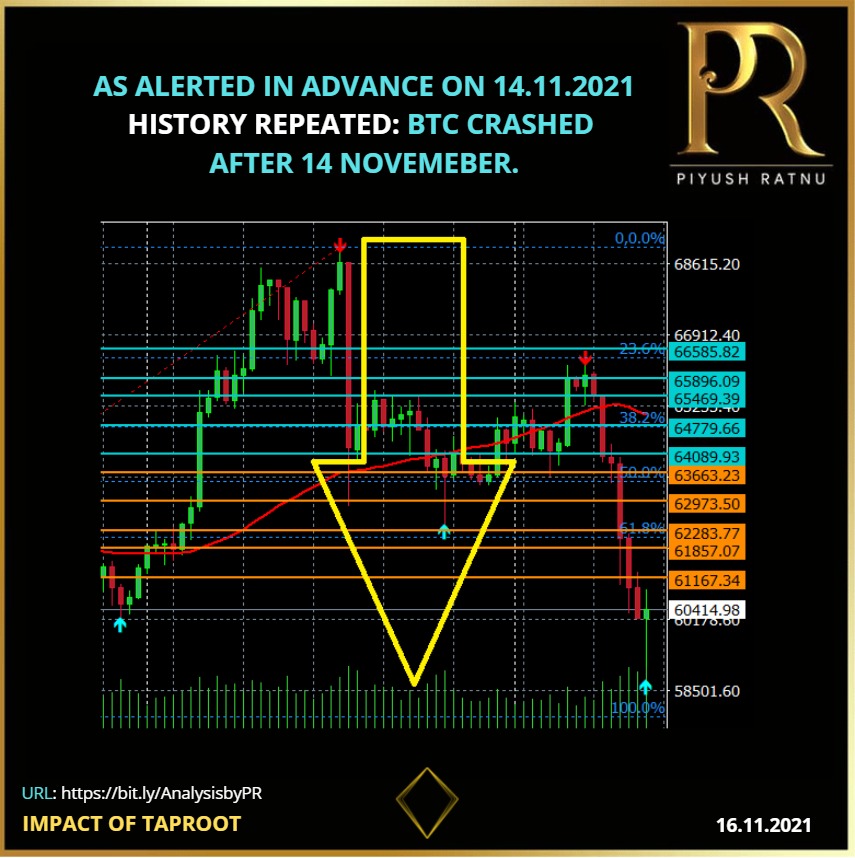
Reuters reports that China is working on the release of crude oil reserves although the country’s National Food and Strategic Reserves Administration kept silence on the US’ request to disclose any details. The Biden administration is lobbying countries like China, India and Japan to consider releasing stockpiles in a coordinated effort to lower energy prices. My question is WHY>?:
The unusual request comes after OPEC+ on several occasions declined to meet Biden’s request to speed up production increases. Brent crude since yesterday fell from $82/barrel to just below $80/b. The latter serves as a technical neckline of a short term double top formation with targets near $74/b.
IMPACT on GOLD: OBVIOUSLY, YES!
Those who missed my analysis and past data records published by me earlier highlighting the co-relation between US Dollar Strength, Oil and GOLD as core factors.
GOLD
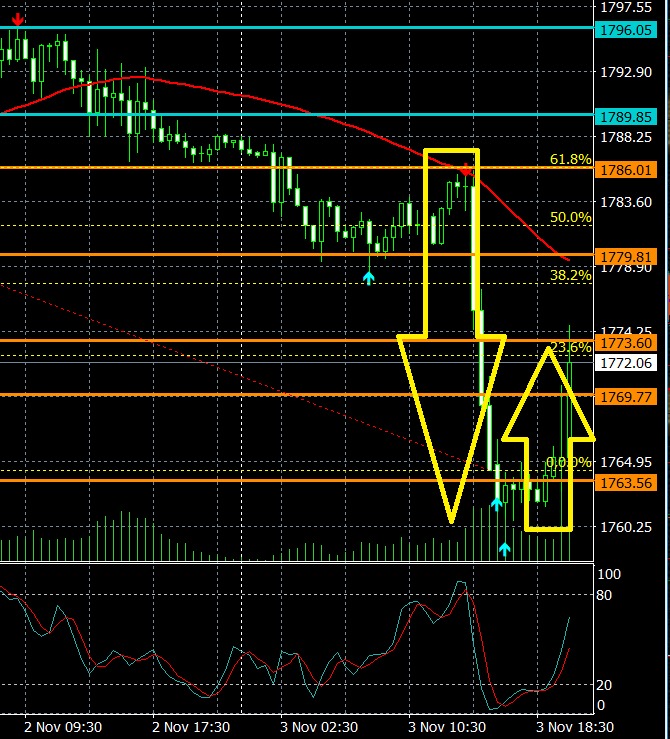
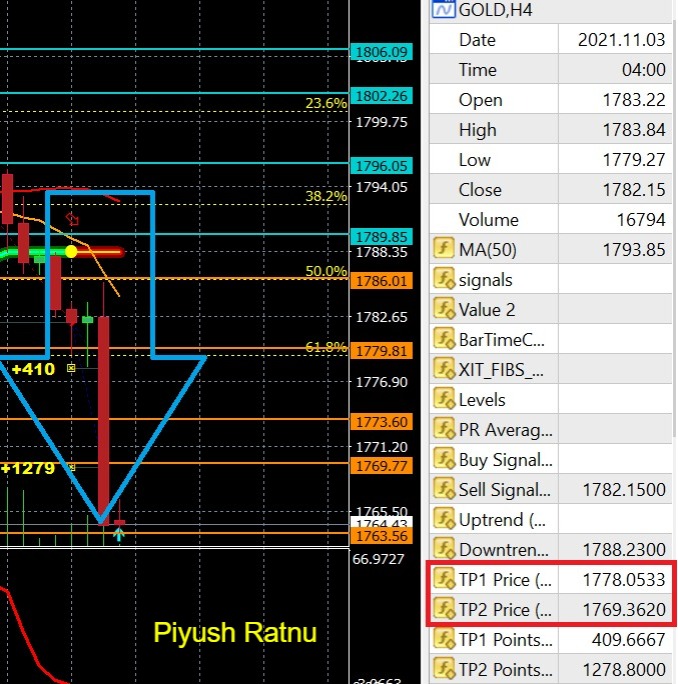
Gold price staged an impressive comeback on Wednesday and reversed 75% of Tuesday's sell-off, mainly helped by a sharp pullback in the US Treasury yields across the curve.
Discouraging US housing data also added to the greenback’s misery, as investors started to rethink the Fed’s rate hike expectations. The negative sentiment around Wall Street indices also helped the recovery in gold price.
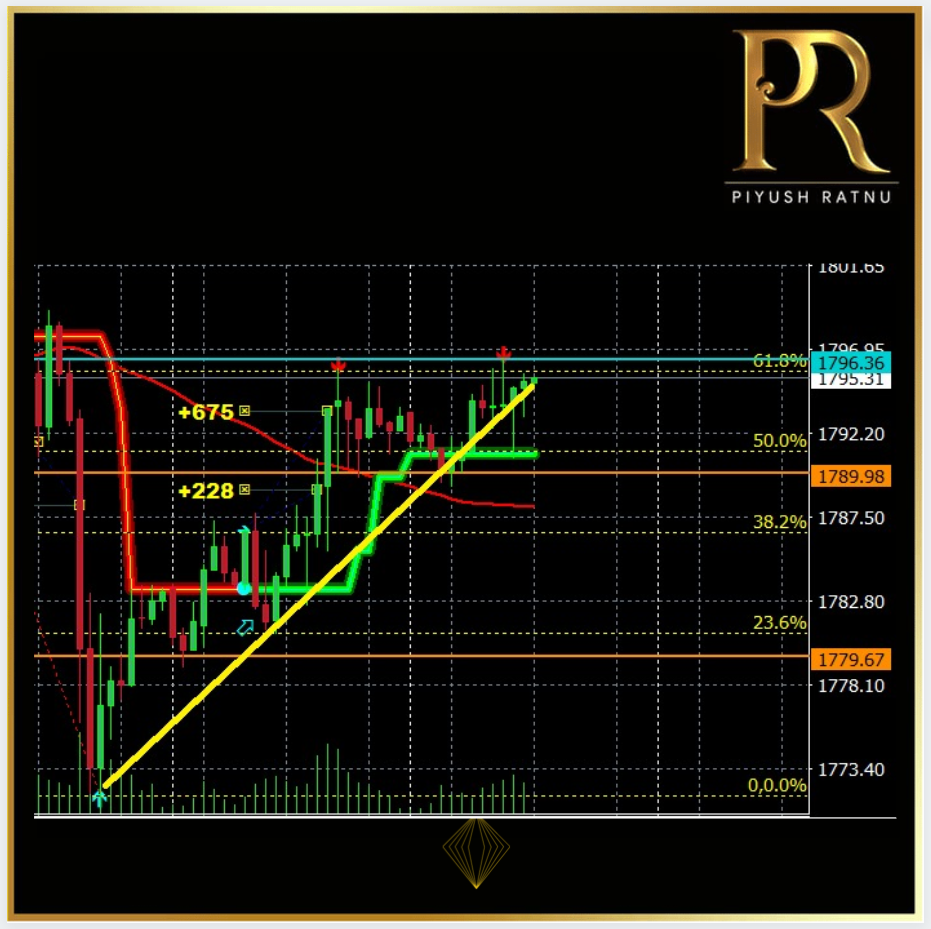
This Thursday, gold price is holding onto the recent advance, biding time before initiating the next upswing. The weakness in the US dollar alongside the yields continues to underpin gold price. The risk-off trading in the Asian equities amid looming China’s property sector concerns and global inflation risks continue to boost’s gold appeal as a safe-haven as well as an inflation hedge.
The Fed speculation and inflation concerns will continue to play out, influencing the dynamics in the yields and gold price. Data-wise, the US weekly Jobless Claims will draw some attention amid a sparse docket and a slew of Fed speak.
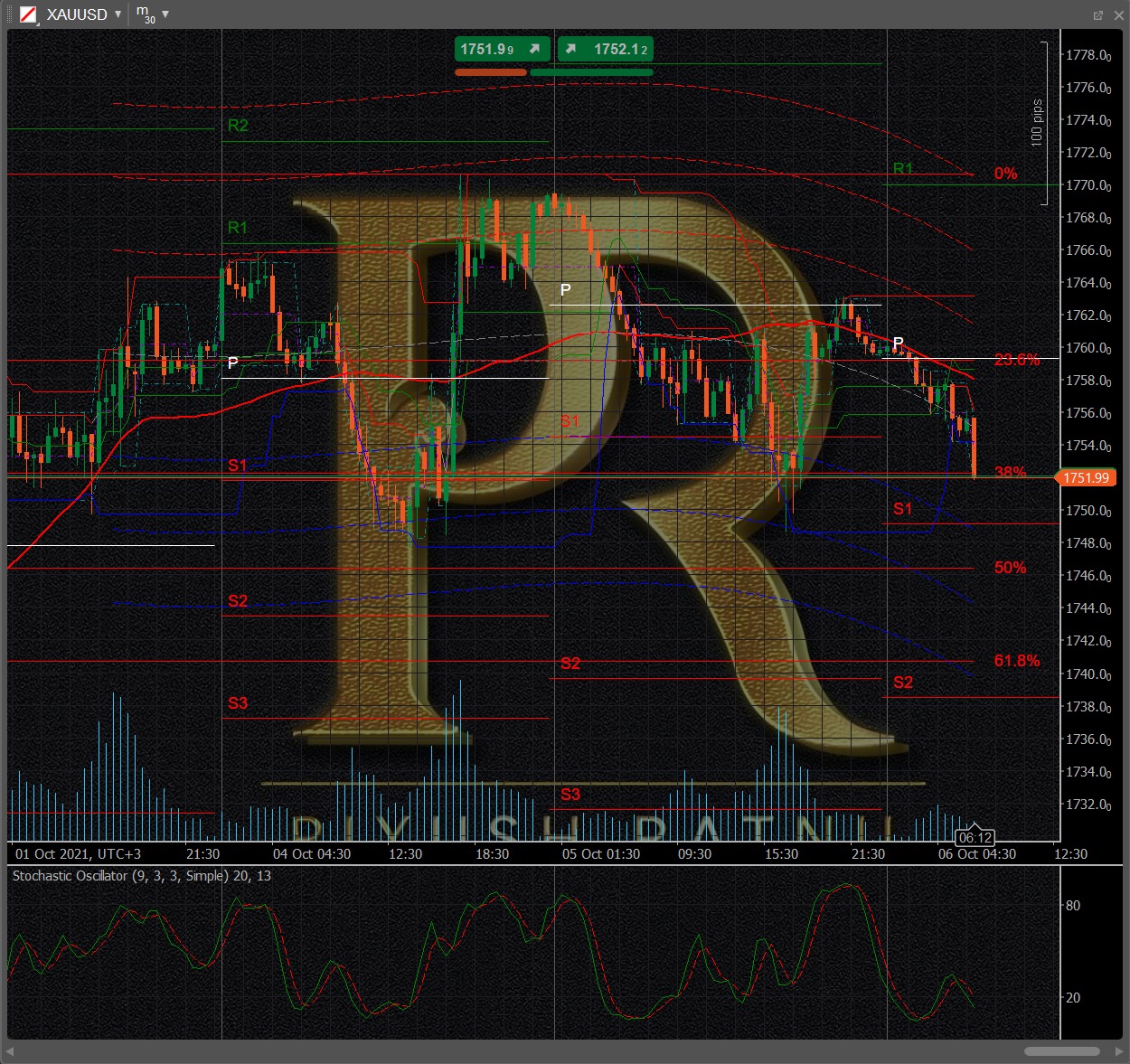
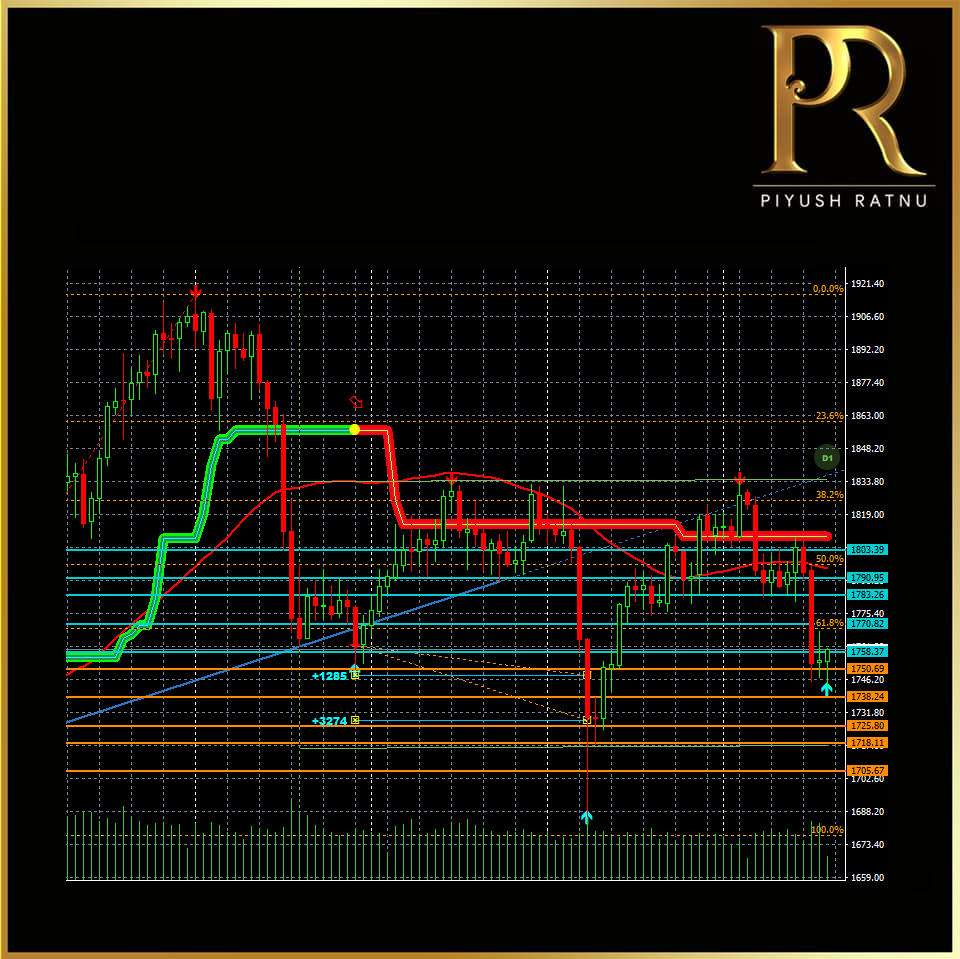
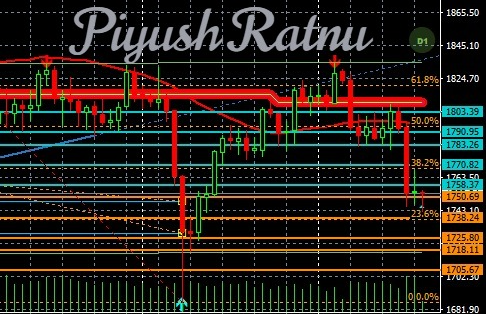
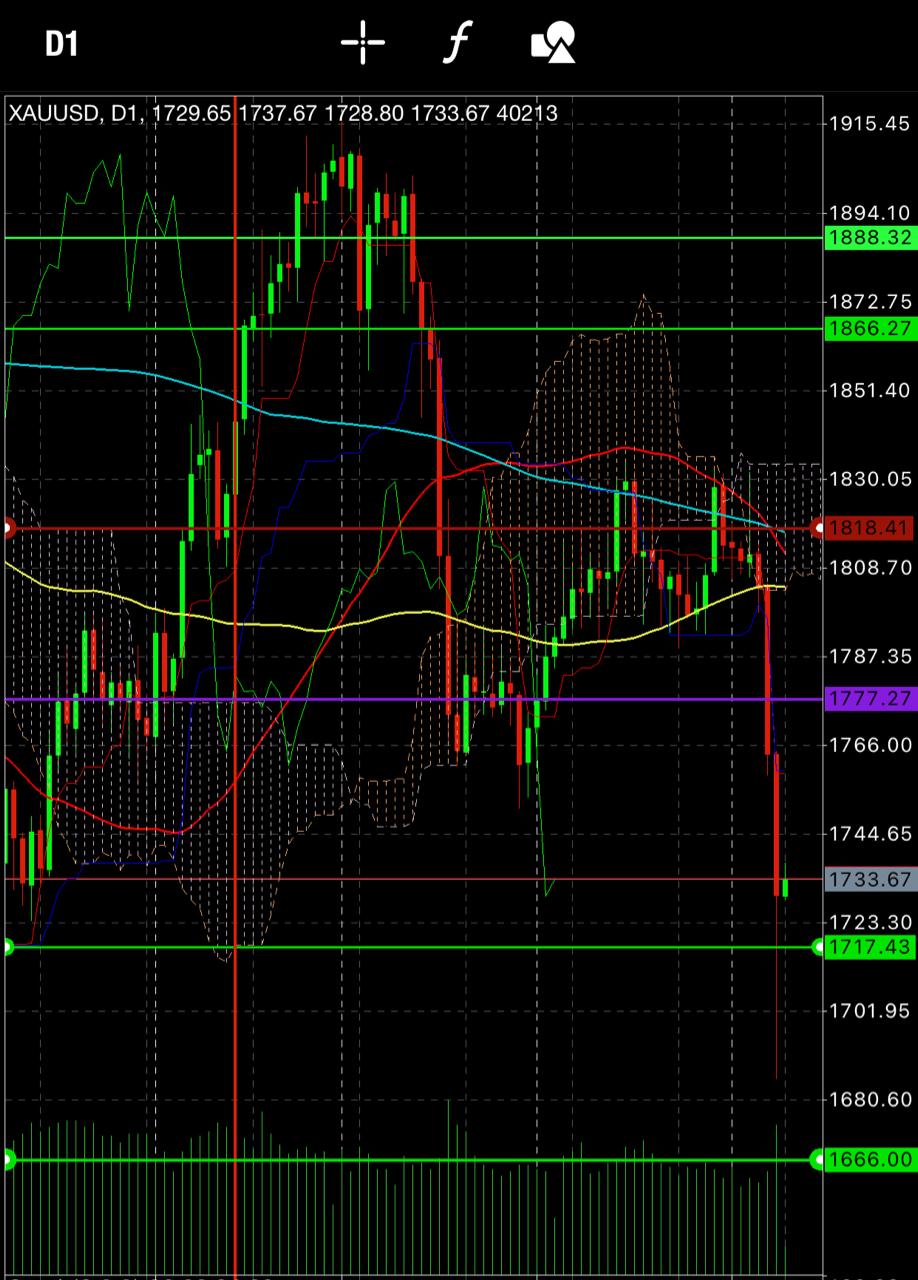
Gold price is likely to trade in a familiar range between $1,845 and $1,866/1872 in the day, until the bulls find a strong foothold above the June 14 tops of $1,878 resulting in a rally to $1888/1907 price zone.
On the reversal side, a breach below 1832 can trigger the price to 1818/1777 zone once again.
BULL CROSS
The 100-Daily Moving Average (DMA) has pierced through the 200-DMA from below, representing a bull cross, adding credence to the bullish outlook on gold price.
YIELDS
Worries over the global economic recovery resurfaced, as investors fretted over the implications of earlier than previously thought monetary policy tightening to tackle the rearing inflation beast. The dour market mood ramped up the safe-haven flows into gold and the US Treasuries, weighing heavily on the yields.
Join TELEGRAM channel for latest updates and market analysis:
Copy this url and paste in browser: https://bit.ly/AnalysisbyPR