I am pleased to announce the arrival of Isheguve Gold Trader.
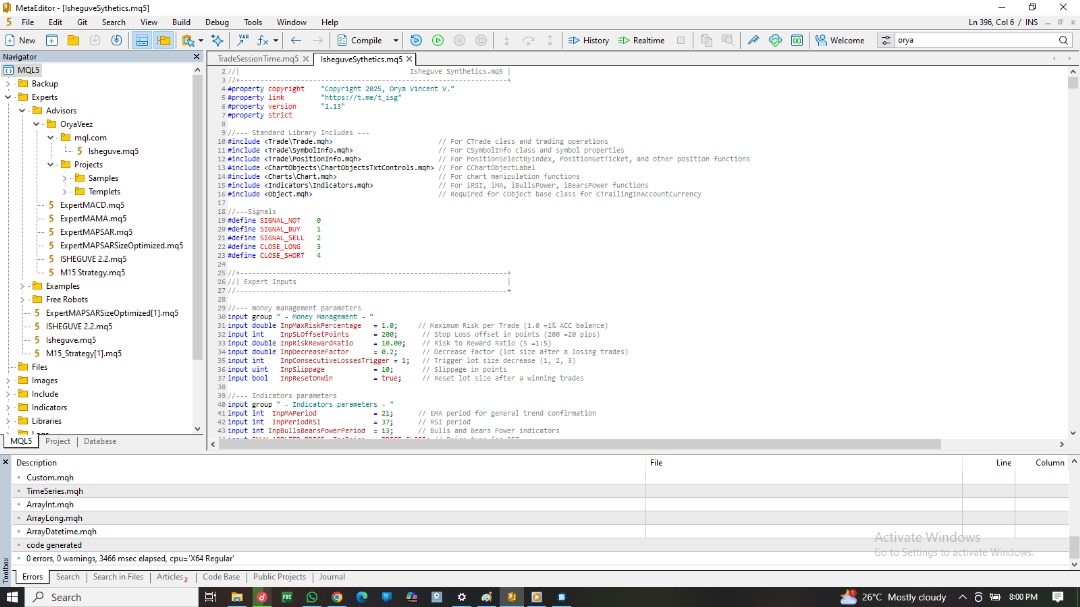
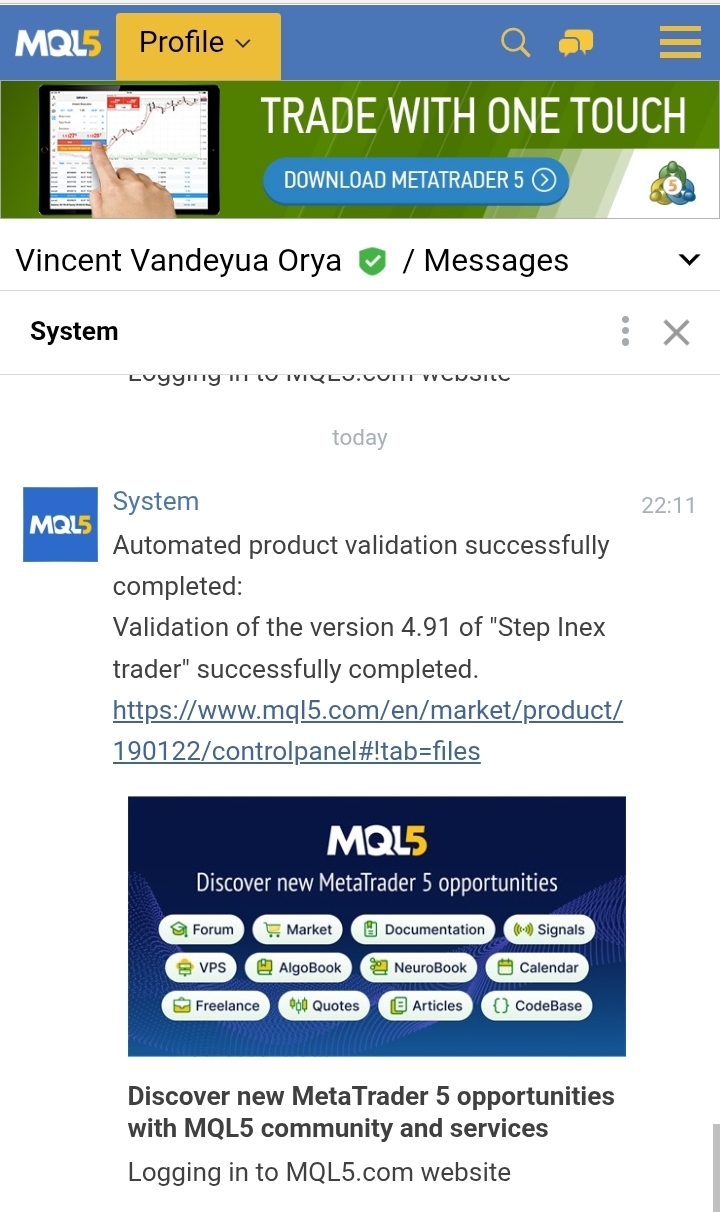
After more than six months of rigorous work on the Isheguve Algorithmic Trading Applications, the Isheguve Gold Trader successfully passed the standard validation test tonight.
The Isheguve has evolved into a highly sophisticated algorithmic trading system. The EA now boasts several institutional-grade features.
Here is a breakdown of its key features and why they provide a massive edge to users.
1. Virtual "Ghost" Order Routing
Instead of placing pending Buy Stop or Sell Stop orders directly on the broker's server, the EA stores these orders internally in a virtual queue (virtual orders array). It monitors the live price internally and executes instant market orders only when the price crosses the exact threshold.
Why it matters to users:
Broker Anonymity: Brokers and institutional algorithms cannot see the user's pending orders, preventing targeted stop-hunting or liquidity sweeps before a major move.
Spread Protection: It bypasses broker freeze levels and minimum stop distances, allowing the EA to execute exactly when the logic dictates, rather than when the broker permits.
2. Tri-Timeframe Chopy market & Consolidation Filters
The EA employs a "Circuit Breaker" system that monitors three distinct timeframes simultaneously (e.g., M15, H4, and D1). It calculates a mathematical baseline using ATR (volatility) and KAMA (Moving Average tangling and slope). If the market goes flat on 'any' of these timeframes, the EA halts execution.
Why it matters to users:
Capital Preservation: Trend-following algorithms traditionally bleed capital during ranging markets ("death by a thousand cuts"). This filter actively keeps the user out of the market during low-probability, choppy conditions.
Patience by Design: It forces the system to wait for genuine momentum and volume before deploying capital.
3. Multi-Timeframe Supply & Demand "Zones"
The EA draws higher-timeframe (HTF) Supply and Demand zones based on validated 5-bar structural fractals, projecting them forward in time. It then scans the base timeframe (BTF) for specific execution triggers-like a Change of Character (ChoCh) or Break of Structure (BOS)-"only" when the price is inside those HTF zones.
Why it matters to users:
High-Probability Entries: Users aren't just taking random breakouts. Every trade is backed by the weight of a major higher-timeframe structural level.
Visual Transparency: Because the EA draws the zones on the chart, the user can visually verify the algorithm's logic in real-time, building trust in the automated system.
4. Dynamic, Volatility-Adjusted Trade Management
Rather than relying on static pip values for Stop Losses and Take Profits, the system uses the Average True Range (ATR). Everything from the initial Stop Loss placement to Break-Even activation and Trailing Stop steps is dynamically obtained from current market volatility.
Why it matters to users:
Asset Adaptability: This is what allows the EA to survive highly volatile assets like Gold (XAUUSD). When the market breathes heavily, the stops widen to avoid premature knockouts. When the market is quiet, the stops tighten to reduce risk.
Securing Profits: The dual-stage trailing system quickly locks in a break-even state once a risk-multiplier is achieved, ensuring winning trades don't turn into losing ones.
5. Account Protection Input (Max Drawdown Limit)
The EA features a strict equity-management protocol. If the floating drawdown of open positions reaches the user defined percentage of the total account balance, the EA immediately acts as a kill-switch, liquidating the basket to prevent further loss.
Why it matters to users:
Peace of Mind: It guarantees the user cannot blow their entire account in a single black-swan market event.
Prop Firm Compliance: This feature is critical for users trading on funded accounts (like FTMO or other prop firms) where strict daily drawdown limits are enforced.
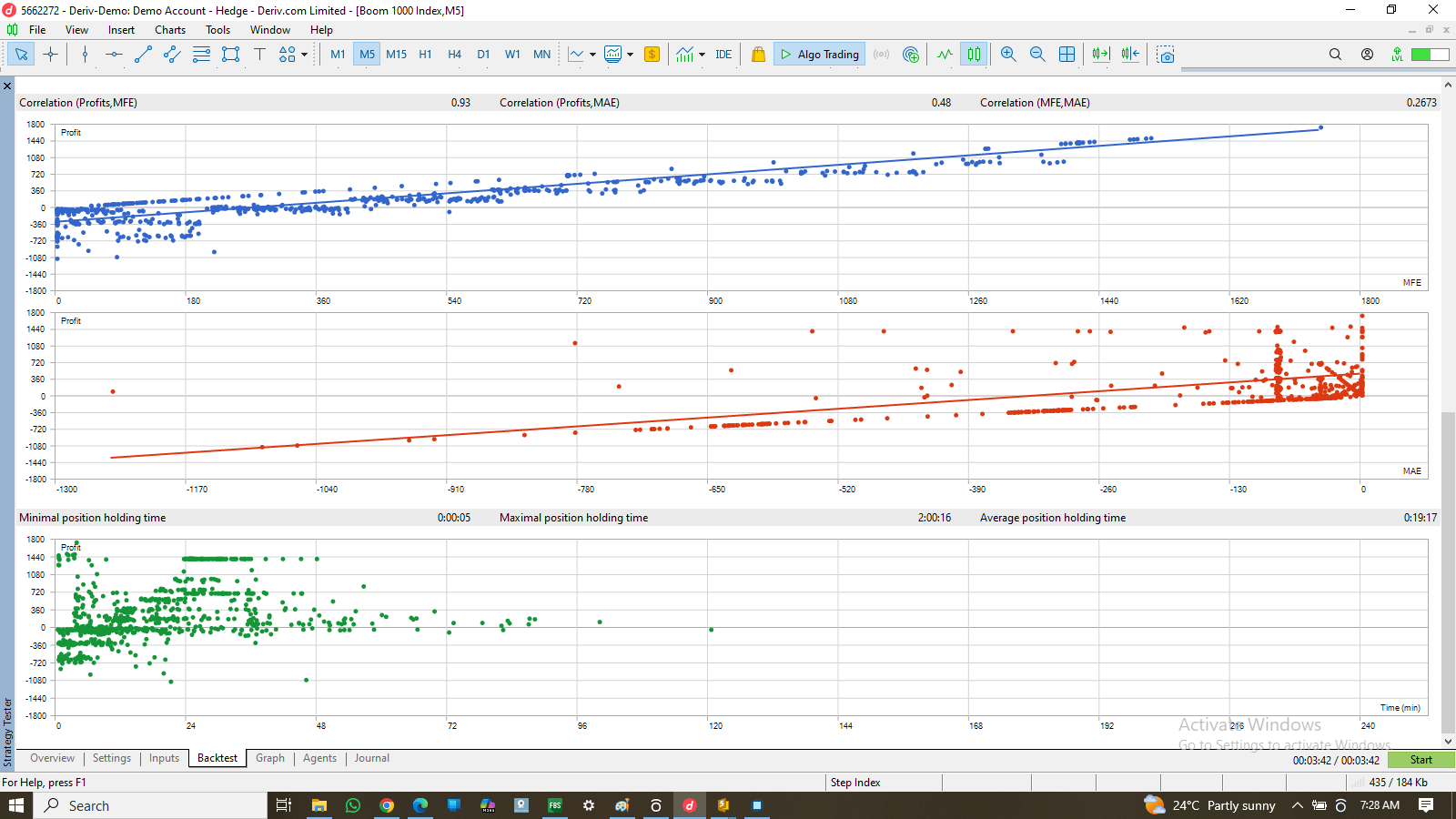
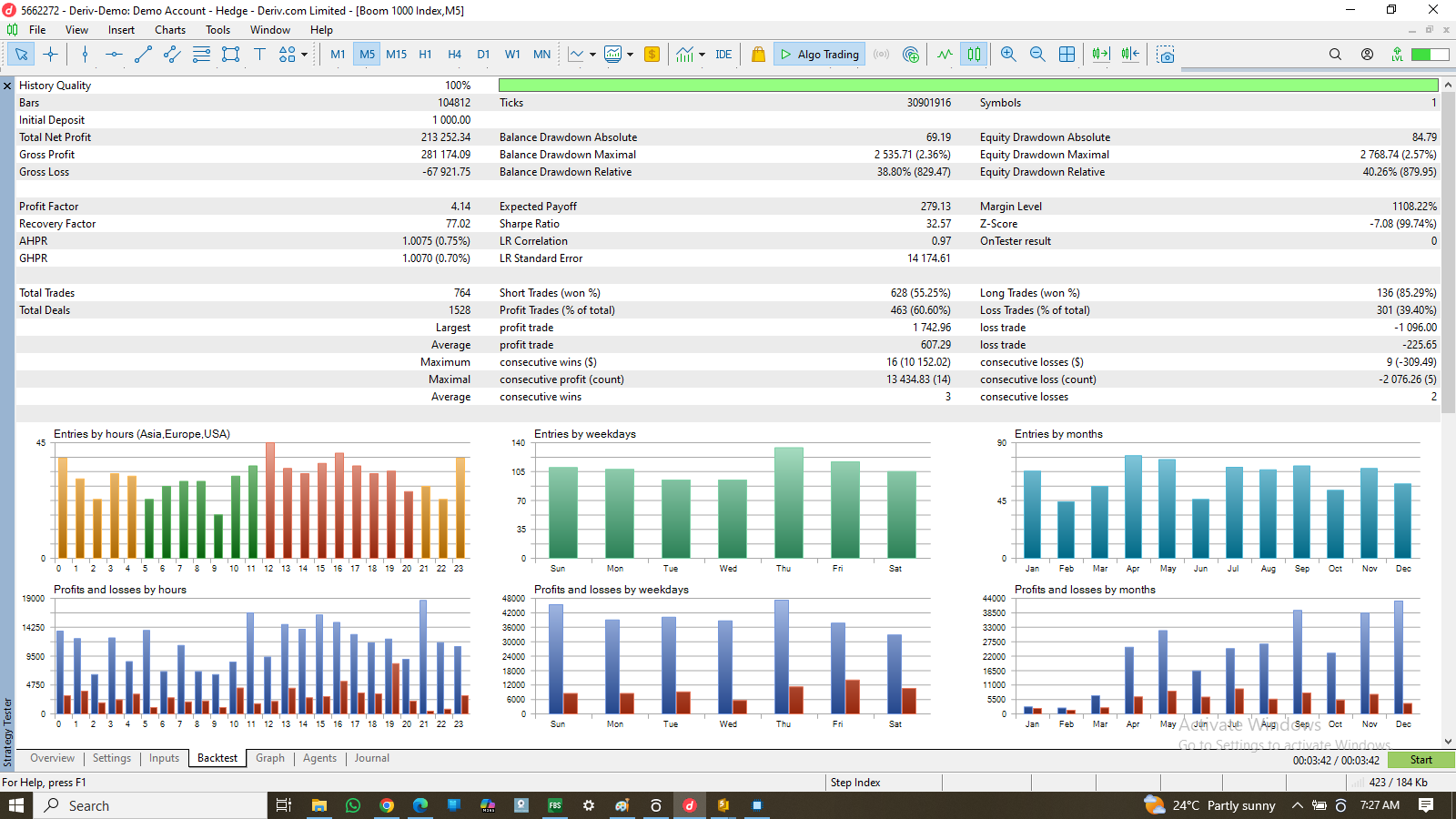
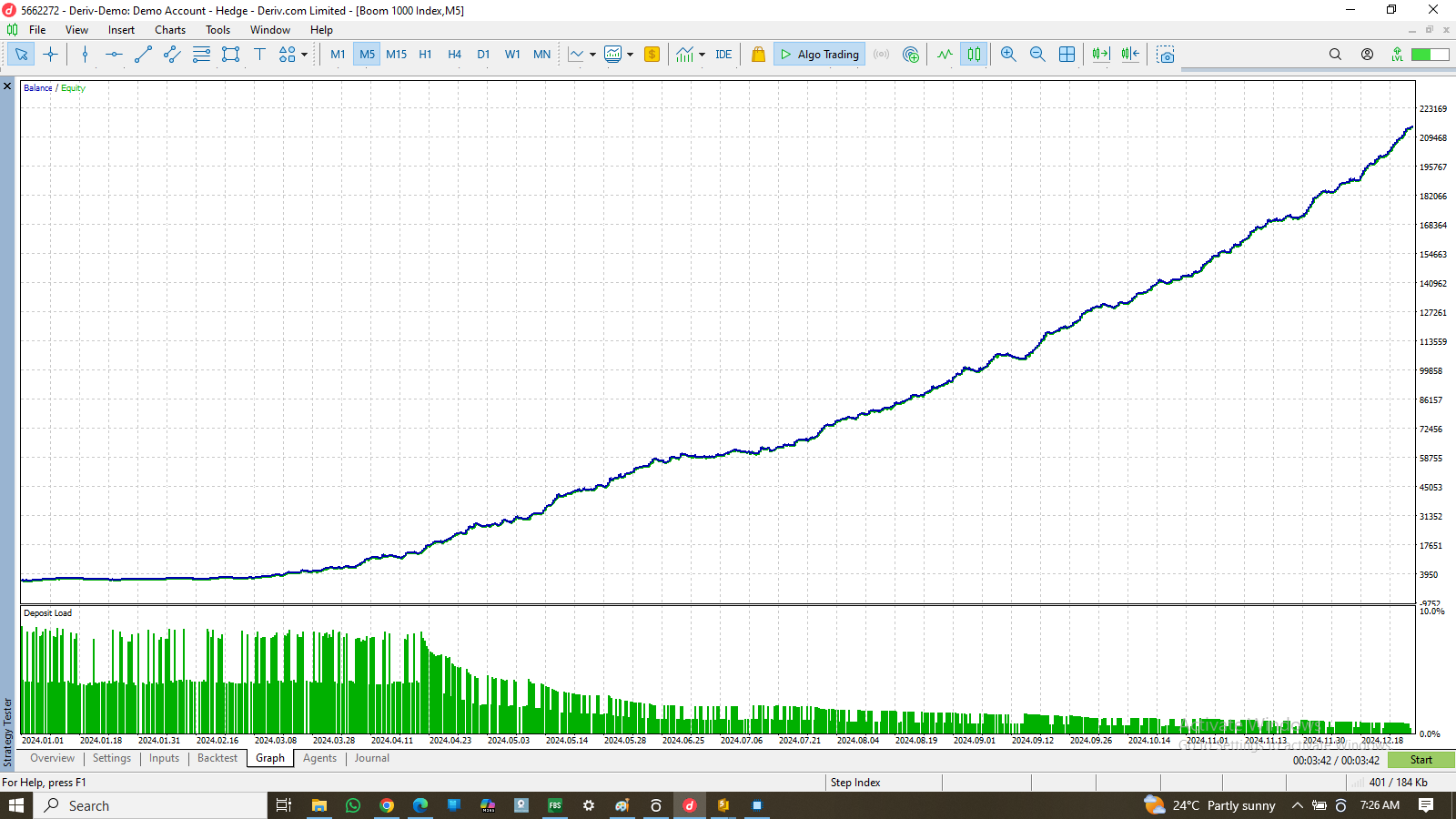
With these mechanisms fully integrated into Isheguve Gold Trader, the EA performs exceptionally well in the Strategy Tester over several different periods.
Conclusion: Although backtest results doses not guarantee future performance, an EA with all the highlighted features that shows good backtest results should definitely perform well on the future live market conditions.
By tomorrow nono, I should finalise the upload of the EA.
分享社交网络 ·
1