Diego Vinicius Righetti Sa / 뉴스피드
- 정보
|
no
경험
|
1
제품
|
0
데모 버전
|
|
0
작업
|
0
거래 신호
|
0
구독자
|
Knowledge, Research, and Technology for the Financial Market
Frequência do Mercado was born from a passion for understanding financial markets and transforming complex knowledge into content that is accessible, practical, and grounded in evidence.
Founded by Diego Vinicius Righetti Sá (Vini Righetti), an investor, data analyst, and quantitative finance enthusiast, the platform emerged after years of study, research, and development of methods focused on investment analysis, risk management, applied statistics, and financial market technology.
The idea came from a simple need: to find content that went beyond superficial opinions and truly helped investors and traders understand markets more deeply, using data, methodology, and critical thinking.
Our Mission
To help people develop a stronger understanding of financial markets through education, research, and evidence-based analysis.
We believe that better decisions are built through knowledge, discipline, and the ability to interpret information with clarity.
What We Do
Frequência do Mercado brings together content and projects across several areas of the financial universe:
Financial Education
Market Analysis
Technical Analysis
Quantitative Finance
Data Science Applied to Finance
Risk Management
Systematic Trading
Trading Automation and Programming
Python Applied to Financial Markets
Cryptocurrencies and Digital Assets
In addition to producing articles, studies, and educational materials, we develop indicators, analytical tools, and technological projects aimed at interpreting and analyzing financial markets.
Our Philosophy
We do not believe in magic formulas, get-rich-quick promises, or infallible predictions.
We believe in continuous study, critical analysis, risk management, and constant evolution.
Frequência do Mercado was created as an environment where investors, traders, students, and professionals can learn, explore new ideas, and deepen their understanding of financial markets.
Our Commitment
To produce content with responsibility, independence, and an educational focus.
More than following market movements, we aim to understand the principles, data, and ideas behind them.
Because knowledge is not just information.
Knowledge is a competitive advantage.
— Diego Vinicius Righetti Sá
Founder of Frequência do Mercado
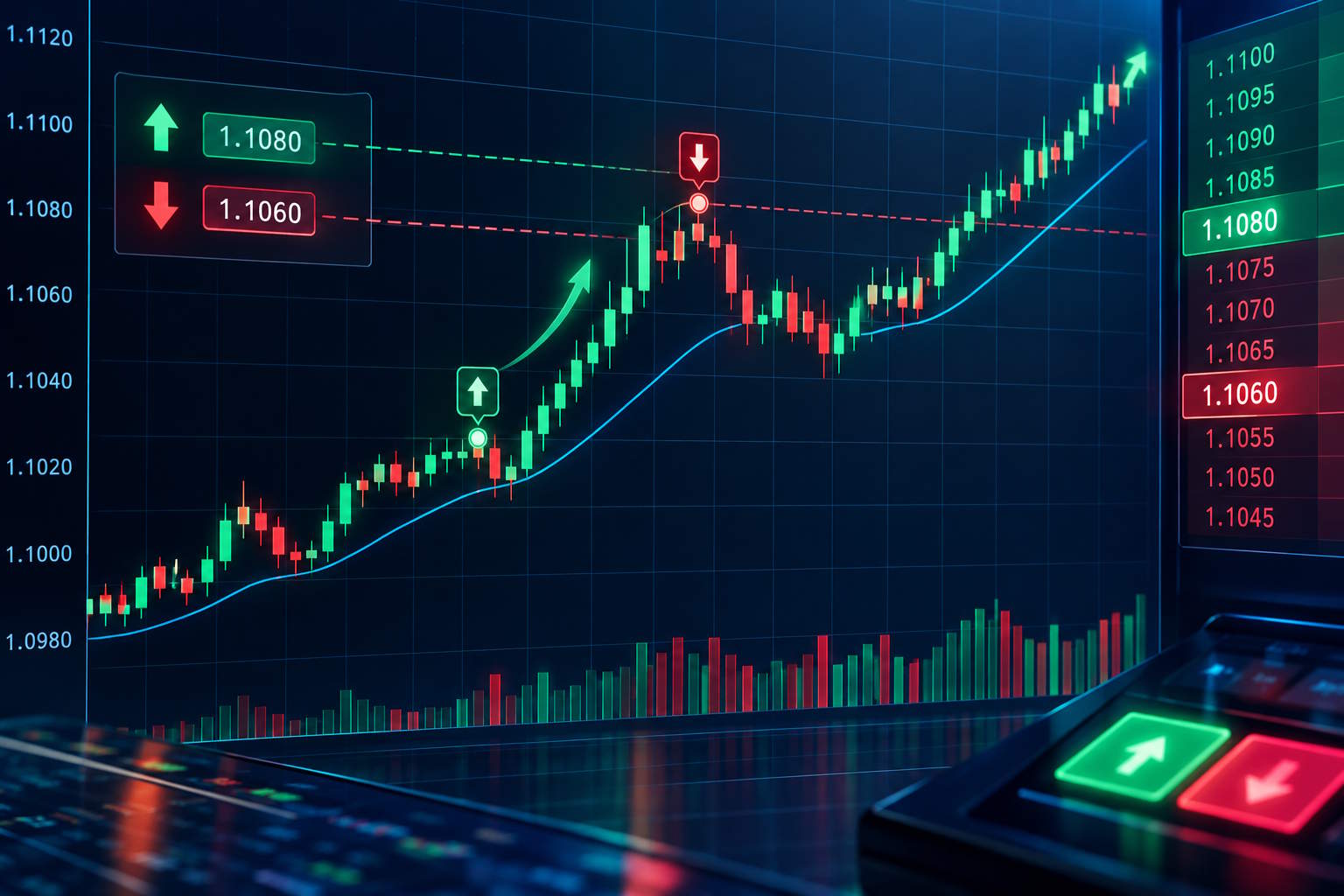
A quote is the current price of a financial instrument at which it can be bought or sold at a given moment. In the market, a quote is always presented as two values: Bid — the price at which you can sell an asset, and Ask — the price at which you can buy it. The difference between them is called the spread and forms the broker's income. Quotes are exactly what you see in the terminal window: they update continuously, reflecting every change in supply and demand.
Quotes differ across markets. In the currency market, the quote of a currency pair is the price of one currency expressed in another: for example, EURUSD 1.0850 means that one euro costs 1.0850 dollars. Prices are shown with four or five decimal places, and a change in the last digit is called a point (pip). The same logic applies to stocks, metals and cryptocurrencies: a quote shows the current market price in real time.
Why does a trader need to understand quotes? Without knowing the exact Bid and Ask prices, it is impossible to open a position correctly, calculate spread costs or identify an entry point. A quote is the language of the market: the ability to read it and track its changes is the foundation of any analysis. A beginner should get used to seeing two prices in the terminal rather than one — this makes trading conscious and predictable.
In my profile you will find a lot of useful educational information (don't forget to add me as a friend) Profile: https://www.mql5.com/en/users/voldemar
Что такое котировка?
Котировка — это текущая цена финансового инструмента, по которой его можно купить или продать в данный момент. На рынке котировка всегда представлена двумя значениями: Bid — цена, по которой вы можете продать актив, и Ask — цена, по которой вы можете его купить. Разница между ними называется спредом и составляет доход брокера. Именно котировки вы видите в окне терминала: они непрерывно обновляются, отражая каждое изменение спроса и предложения.
Котировки бывают разными для разных рынков. На валютном рынке котировка валютной пары — это цена одной валюты, выраженная в другой: например, EURUSD 1.0850 означает, что за один евро дают 1.0850 доллара. Цены отображаются с точностью до четырёх или пяти знаков после запятой, а изменение последнего знака называют пунктом. Для акций, металлов и криптовалют действует та же логика: котировка показывает актуальную рыночную цену в реальном времени.
Зачем трейдеру понимать котировки? Без точного знания цены Bid и Ask невозможно корректно открыть позицию, рассчитать издержки на спред и определить точку входа. Котировка — это язык рынка: умение читать её и следить за её изменением лежит в основе любого анализа. Новичку стоит привыкнуть видеть в терминале именно две цены, а не одну, — и тогда торговля станет осознанной и предсказуемой.
В моём профиле Вы найдете много полезной обучающей информации, (не забудь добавить в друзья) Профиль: https://www.mql5.com/ru/users/voldemar
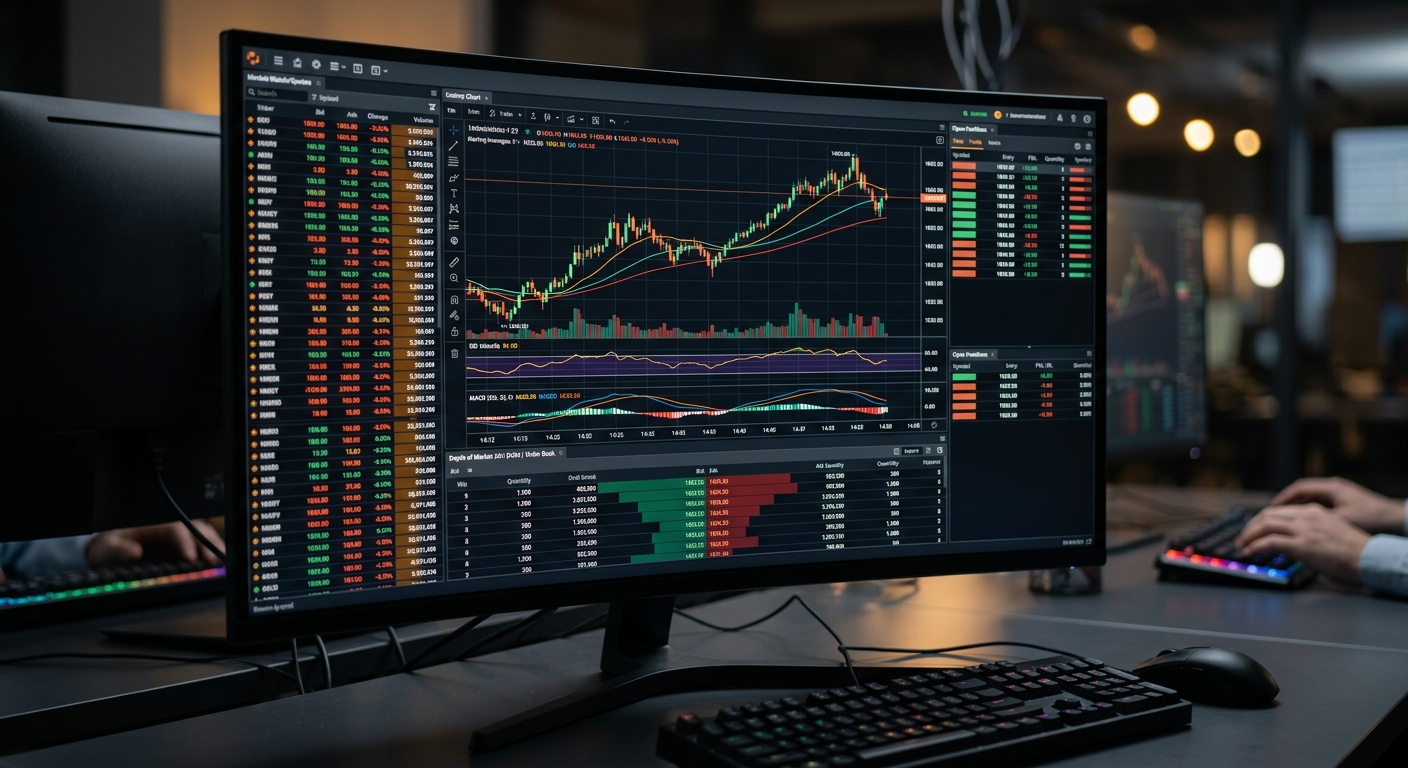
A trading terminal is the program through which a trader works with the financial market. It is in the terminal that charts, quotes, the order book and open positions are displayed, and all trading commands — buying, selling, modifying a deal — pass through it. A trading terminal can be called the trader's workplace: without it, you can neither see the market nor influence it. The best-known example is MetaTrader 5, which provides chart analysis, trading orders, quotes and the ability to automate trading.
What does a trading terminal consist of? The core of the system is the price chart, where candlesticks are built, indicators are applied and support and resistance levels are drawn. Around the chart there are the quote window with Bid and Ask prices, the open positions tab, the trade journal and the orders window. A modern terminal lets you place pending orders, open positions instantly with one click, manage Stop Loss and Take Profit, and launch trading robots — Expert Advisors that analyze the market and trade automatically.
A trading terminal is not just a "window with charts" but a full-fledged tool for managing capital and risk. It is important for a beginner to choose a terminal that is clear and convenient, and to master it on a demo account: this way you can learn the mechanics — from opening a chart to closing a position — without risking real money. A deep knowledge of your terminal saves time, reduces mistakes and makes trading truly conscious.
In my profile you will find a lot of useful educational information (don't forget to add me as a friend) Profile: https://www.mql5.com/en/users/voldemar
Что такое торговый терминал?
Торговый терминал — это программа, через которую трейдер работает с финансовым рынком. Именно в терминале отображаются графики, котировки, стакан заявок и открытые позиции, а все торговые команды — покупка, продажа, модификация сделки — проходят именно через него. Терминал можно назвать рабочим местом трейдера: без него невозможно ни увидеть рынок, ни повлиять на него. Самый известный пример — MetaTrader 5, который предоставляет графический анализ, торговые ордера, котировки и возможность автоматизации торговли.
Из чего состоит торговый терминал? Ядро системы — график цены, на котором строятся японские свечи, наносятся индикаторы и рисуются уровни поддержки и сопротивления. Вокруг графика располагаются окно котировок с ценами Bid и Ask, вкладка открытых позиций, журнал сделок и окно ордеров. Современный терминал позволяет выставлять отложенные заявки, мгновенно открывать позиции в один клик, управлять Stop Loss и Take Profit, а также запускать торговых роботов — советников Expert Advisor, которые анализируют рынок и торгуют автоматически.
Торговый терминал — это не просто «окно с графиками», а полноценный инструмент для управления капиталом и риском. Новичку важно выбирать терминал, который понятен и удобен, и осваивать его на демо-счёте: так получится изучить механику — от открытия графика до закрытия позиции — без риска для реальных денег. Глубокое знание своего терминала экономит время, уменьшает количество ошибок и делает торговлю по-настоящему осознанной.
В моём профиле Вы найдете много полезной обучающей информации, (не забудь добавить в друзья) Профиль: https://www.mql5.com/ru/users/voldemar
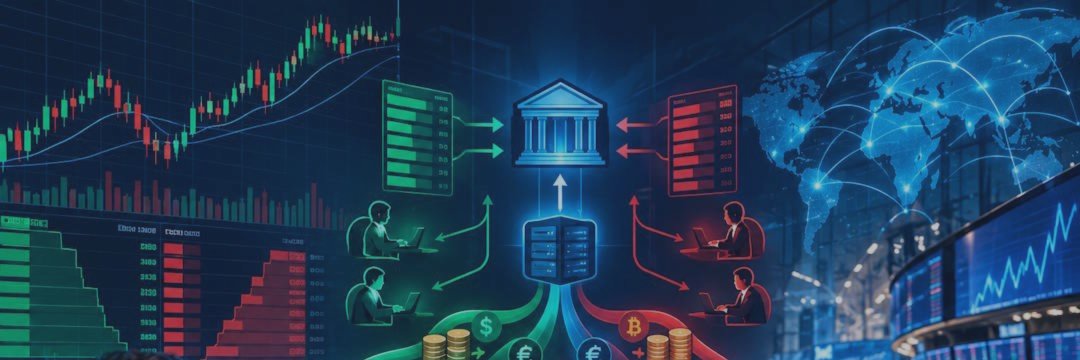
A broker is a professional intermediary between a trader and the exchange. As a licensed company or a private specialist, he provides a retail trader with access to trading: it is the broker who accepts the client's orders, checks them, and sends them to the exchange for execution. An ordinary person has no direct access to trading — this path is closed by venue rules, so without a broker you can neither open an account, nor buy a share, nor make a currency deal. The terminal in which you see charts is also part of the broker's services.
Why do you need a broker? He solves several tasks at once: gives access to the market, executes trades on your behalf, keeps funds and financial instruments on a separate account, handles settlements, and provides analytics and educational materials. For his work, the broker receives a commission — a fixed fee per trade or a part of the spread. This is the payment for infrastructure: servers, licenses, insurance, and security that make trading possible for millions of retail clients.
How do you choose a reliable broker? Pay attention to the license and reputation, the size of commissions, the quality of order execution and the speed of withdrawals, as well as the convenience of the platform and the quality of support. For a beginner it is important that the broker offers a demo account for practice. Remember: a broker is your trading partner, not an adviser on profit. Choosing a broker responsibly is one of the first steps toward systematic and safe trading.
In my profile you will find a lot of useful educational information, (don't forget to add me as a friend) Profile: https://www.mql5.com/en/users/voldemar
Кто такой брокер и зачем он нужен?
Брокер — это профессиональный посредник между трейдером и биржей. Лицензированная компания или частный специалист, он предоставляет частному трейдеру доступ к торговле: именно брокер принимает заявки клиента, проверяет их и передаёт на биржу для исполнения. Прямого доступа к торгам у обычного человека нет — этот путь закрыт правилами площадок, поэтому без брокера невозможно ни открыть счёт, ни купить акцию, ни заключить сделку с валютой. Терминал, в котором вы видите графики, — тоже часть услуг брокера.
Зачем нужен брокер? Он решает сразу несколько задач: даёт доступ к рынку, исполняет сделки от вашего имени, хранит средства и финансовые инструменты на отдельном счёте, ведёт расчёты и предоставляет аналитику и обучающие материалы. За свою работу брокер получает комиссию — фиксированную плату за сделку или часть спреда. Это плата за инфраструктуру: серверы, лицензии, страхование и безопасность, которые делают торговлю возможной для миллионов частных клиентов.
Как выбрать надежного брокера? Обращайте внимание на лицензию и репутацию, размер комиссий, качество исполнения заявок и скорость вывода средств, а также на удобство платформы и качество поддержки. Для новичка важно, чтобы у брокера был демо-счёт для практики. Помните: брокер — ваш партнёр в торговле, а не советник по прибыли. Ответственный выбор брокера — один из первых шагов к системной и безопасной торговле.
В моём профиле Вы найдете много полезной обучающей информации, (не забудь добавить в друзья) Профиль: https://www.mql5.com/ru/users/voldemar
A trader is a participant of the financial market who earns money on price changes of financial instruments: stocks, currencies, indices, commodities, and cryptocurrencies. Unlike an investor, who puts money in for years and waits for long-term growth, a trader makes deals much more often — from several times a day to several times a month — and tries to profit both from rising and falling prices. The main working tool of a trader is a trading terminal: through it he sees quotes, analyzes charts, and sends orders to the broker and then to the exchange.
What does the work of a trader consist of? He studies the market, looks for entry and exit points, opens and closes positions, and manages risks. Analysis can be technical — based on charts, candlesticks, and indicators — or fundamental, based on news and economic data. A professional acts not on emotions but according to a well-thought-out trading system: he knows when to enter a trade, when to exit it, and what part of the capital he is ready to risk. It is risk management that distinguishes a master from a beginner who bets the entire deposit on a single trade and hopes for luck.
Trading can be a hobby or can become a profession, but in any case the path starts the same way: education, a demo account, testing the trading strategy, and only then real money. Start small, learn to read charts and protect your capital with stop losses, and over time trading will become conscious — and therefore stable. Remember: anyone who is ready to learn and accept losses as a natural part of the process can become a trader.
In my profile you will find a lot of useful educational information, (don't forget to add me as a friend) Profile: https://www.mql5.com/en/users/voldemar
Кто такой трейдер?
Трейдер — это участник финансового рынка, который зарабатывает на изменении цен финансовых инструментов: акций, валют, индексов, сырья и криптовалют. В отличие от инвестора, который вкладывает деньги на годы и ждёт долгосрочного роста, трейдер совершает сделки значительно чаще — от нескольких раз в день до нескольких раз в месяц — и пытается получить прибыль как на росте, так и на падении цены. Главный рабочий инструмент трейдера — торговый терминал: через него он видит котировки, анализирует графики и отправляет заявки брокеру на биржу.
В чём заключается работа трейдера? Он изучает рынок, ищет моменты входа и выхода, открывает и закрывает позиции и управляет рисками. Анализ бывает техническим — на основе графиков, свечей и индикаторов, — и фундаментальным, на основе новостей и экономических данных. Профессионал действует не на эмоциях, а по заранее продуманной торговой системе: он знает, когда войти в сделку, когда из неё выйти и какой частью капитала готов рискнуть. Именно управление риском отличает мастера от новичка, который ставит весь депозит на одну сделку и надеется на удачу.
Трейдинг может быть хобби, а может стать профессией, но путь в любом случае начинается одинаково: обучение, демо-счёт, тестирование торговой стратегии и только потом реальные деньги. Начните с малого, научитесь читать графики и защищать капитал стоп-лоссами, и со временем торговля станет осознанной — а значит, стабильной. Помните: трейдером может стать каждый, кто готов учиться и принимать убытки как естественную часть процесса.
В моём профиле Вы найдете много полезной обучающей информации, (не забудь добавить в друзья) Профиль: https://www.mql5.com/ru/users/voldemar
A stock exchange is an organized trading venue where buyers and sellers meet to make deals in financial instruments: stocks, bonds, currencies, futures, and other assets. Unlike an over-the-counter market, where the terms of every deal are negotiated from scratch, an exchange operates under uniform rules: all participants trade through transparent procedures, and prices form as a result of free competition between orders. That is why an exchange quote can be considered an objective valuation of an asset at a given moment.
How does an exchange work? All participant orders — to buy and to sell — are collected in a single electronic order book. Buy orders are sorted by descending price, sell orders by ascending price, and when the buyer's price matches or crosses the seller's price, the system automatically executes the trade. This process is called matching, and settlements for completed trades are handled by a special clearing house that assumes the risk of default. To keep order on the venue, the exchange sets listing rules — which instruments are admitted for trading — and also controls participant behavior through margin requirements and position limits.
For a trader, an exchange is a source of fair market prices and liquidity: instruments on an exchange venue can be bought or sold quickly and at a fair price thanks to the large number of participants. To access an exchange, you do not need to be its member: it is enough to open an account with a broker who has access to trading. The largest venues in the world are the New York Stock Exchange, the London Stock Exchange, and the Moscow Exchange, while the Forex currency market is a global interbank system operating almost around the clock. Understanding how an exchange works helps a beginner perceive quotes, spreads, and trade execution consciously — this is the first step toward systematic trading.
In my profile you will find a lot of useful educational information, (don't forget to add me as a friend) Profile: https://www.mql5.com/en/users/voldemar
Что такое биржа?
Биржа — это организованная торговая площадка, на которой покупатели и продавцы встречаются для заключения сделок с финансовыми инструментами: акциями, облигациями, валютами, фьючерсами и другими активами. В отличие от стихийного рынка, где условия каждой сделки договариваются заново, биржа работает по единым правилам: все участники торгуют по прозрачным процедурам, а цены формируются в результате свободной конкуренции заявок. Именно поэтому биржевую котировку можно считать объективной оценкой стоимости актива в конкретный момент времени.
Как устроена биржа? Все заявки участников — на покупку и на продажу — собираются в едином электронном стакане. Заявки на покупку сортируются по убыванию цены, заявки на продажу — по возрастанию, и когда цена покупателя совпадает или пересекается с ценой продавца, система автоматически заключает сделку. Сам процесс называют матчингом, а расчёты по совершённым сделкам ведёт специальная клиринговая структура, которая берёт на себя риск неисполнения обязательств. Чтобы на площадке был порядок, биржа устанавливает правила листинга — какие инструменты допускаются к торгам, — и контролирует поведение участников через механизмы маржинальных требований и лимитов.
Для трейдера биржа — это источник честных рыночных цен и ликвидности: инструменты на биржевой площадке можно купить или продать быстро и по справедливой цене благодаря множеству участников. Чтобы выйти на биржу, не нужно быть её членом: достаточно открыть счёт у брокера, который имеет доступ к торгам. Крупнейшие площадки мира — Нью-Йоркская фондовая биржа, Лондонская фондовая биржа и Московская биржа, а валютный рынок Forex представляет собой глобальную межбанковскую систему, работающую практически круглосуточно. Понимание того, как устроена биржа, помогает новичку осознанно воспринимать котировки, спред и исполнение сделок — это первый шаг к системной торговле.
В моём профиле Вы найдете много полезной обучающей информации, (не забудь добавить в друзья) Профиль: https://www.mql5.com/ru/users/voldemar
A financial instrument is an asset that can be bought or sold on the financial market to make a profit: stocks, currencies, indices, metals, oil, and cryptocurrencies. This is the basic concept that starts any trade. A trader selects an instrument, studies its features, analyzes the chart, and opens a position. Everything displayed in the terminal — price, spread, quote, volume — always relates to a specific financial instrument.
Financial instruments are divided into several large groups. Stocks are shares of companies that give the right to a part of their profit. Currencies are traded in pairs on the Forex market: EURUSD, GBPUSD, USDJPY, and others. Stock indices show the state of a group of companies, for example, the S&P 500 or NASDAQ. Metals such as gold and silver are considered safe-haven assets and attract investors in times of uncertainty. Oil and gas are commodity instruments that react sensitively to world news. Cryptocurrencies are the youngest and most volatile class, operating around the clock.
Each instrument has its own characteristics: liquidity, volatility, spread size, and trading hours. A beginner should start with one or two liquid and understandable instruments — for example, shares of large companies or major currency pairs. Study their behavior on the chart, practice on a demo account, and only then move on to more exotic assets. Understanding what you trade is half the success in trading.
In my profile you will find a lot of useful educational information, (don't forget to add me as a friend) Profile: https://www.mql5.com/en/users/voldemar
Что такое финансовый инструмент?
Финансовый инструмент — это актив, который можно купить или продать на финансовом рынке с целью получения прибыли: акции, валюты, индексы, металлы, нефть и криптовалюты. Это базовое понятие, с которого начинается любая сделка. Трейдер выбирает инструмент, изучает его особенности, анализирует график и открывает позицию. Всё, что отображается в терминале — цена, спред, котировка, объём, — всегда относится к конкретному финансовому инструменту.
Финансовые инструменты делятся на несколько больших групп. Акции — это доли компаний, дающие право на часть их прибыли. Валюты торгуются парами на рынке Forex: EURUSD, GBPUSD, USDJPY и другие. Фондовые индексы показывают состояние группы компаний, например, S&P 500 или NASDAQ. Металлы, такие как золото и серебро, считаются защитными активами и привлекают инвесторов в периоды неопределённости. Нефть и газ относятся к сырьевым инструментам и чутко реагируют на мировые новости. Криптовалюты — самый молодой и волатильный класс, работающий круглосуточно.
Каждый инструмент имеет свои характеристики: ликвидность, волатильность, величину спреда и время торгов. Новичку важно начать с одного-двух ликвидных и понятных инструментов — например, с акций крупных компаний или основных валютных пар. Изучите их поведение на графике, потренируйтесь на демо-счёте и только потом переходите к более экзотическим активам. Понимание того, чем вы торгуете, — половина успеха в трейдинге.
В моём профиле Вы найдете много полезной обучающей информации, (не забудь добавить в друзья) Профиль: https://www.mql5.com/ru/users/voldemar
The financial market is a space where buyers and sellers of assets meet: stocks, currencies, metals, oil, and cryptocurrencies. Participants exchange money and securities, while the price is formed as a result of the balance between supply and demand. If there are more buyers than sellers, the price rises; if sellers dominate, it falls. This constant negotiation is the real "job" of the financial market.
Real participants stand behind price movement: traders, investors, brokers, exchanges, and large banks. A trader or investor sends an order to buy or sell an asset to a broker, the broker forwards the order to the exchange, and the trading system matches it with opposite orders from other participants. This is how a trade finds its counterparty, and information about completed trades forms the price chart you see in the terminal.
The key thing for a beginner to understand is that the market does not "move by itself." Prices change under the influence of news, economic reports, central bank decisions, participants' expectations, and trading volume. Liquid instruments, such as the major currency pairs, trade quickly with a minimal spread, and any price movement is always the result of the actions of thousands of participants. Once you understand the logic of the market, you will be able to read charts consciously and make balanced trading decisions.
In my profile you will find a lot of useful educational information, (don't forget to add me as a friend) Profile: https://www.mql5.com/en/users/voldemar
Как работает финансовый рынок?
Финансовый рынок — это пространство, где встречаются покупатели и продавцы активов: акций, валют, металлов, нефти и криптовалют. Участники обмениваются деньгами и ценными бумагами, а цена формируется как результат баланса спроса и предложения. Если желающих купить больше, чем продать, цена растёт; если продавцы доминируют — падает. Именно этот непрерывный торг и есть главная «работа» финансового рынка.
За движением цен стоят реальные участники: трейдеры, инвесторы, брокеры, биржи и крупные банки. Трейдер или инвестор отдаёт брокеру поручение купить или продать актив, брокер передаёт заявку на биржу, а торговая система сопоставляет её с встречными заявками других участников. Так сделка находит своего контрагента, а информация о совершённых сделках формирует график цены, который мы видим в терминале.
Начинающему важно понять главное: рынок не «двигается сам по себе». Цены меняются под влиянием новостей, экономических отчётов, решений центральных банков, ожиданий участников и объёма торгов. Ликвидные инструменты, такие как основные валютные пары, торгуются быстро и с минимальным спредом, а любое движение цены — это всегда результат действий тысяч участников. Изучив логику рынка, вы сможете читать графики осознанно и принимать взвешенные торговые решения.
В моём профиле Вы найдете много полезной обучающей информации, (не забудь добавить в друзья) Профиль: https://www.mql5.com/ru/users/voldemar
Trading is the active buying and selling of financial instruments over short timeframes with the goal of making a profit from price changes. A trader opens and closes positions in stocks, currencies, metals, or futures, trying to catch market moves. Income depends not on the quality of a company, but on how accurately the trader predicts the near-term price action.
Investing is the allocation of capital over a long period with the expectation of gradual asset growth and passive income. An investor buys securities, bonds, or funds and holds them for years, relying on business growth, dividends, and compound interest. Time is the investor's main advantage: even modest amounts can grow significantly over the long run.
The key difference between trading and investing lies in the time horizon, the goal, and the attitude to risk. A trader profits from volatility and needs constant market monitoring, while an investor builds wealth over the long term and checks the terminal less often. Beginners should honestly decide which approach suits them better — fast deals or calm accumulation — and choose their learning path accordingly.
In my profile you will find a lot of useful educational information, (don't forget to add me as a friend) Profile: https://www.mql5.com/en/users/voldemar
Что такое трейдинг и чем он отличается от инвестирования?
Трейдинг — это активная торговля финансовыми инструментами на коротких временных отрезках с целью получения прибыли от изменения цены. Трейдер открывает и закрывает сделки на рынке акций, валют, металлов или фьючерсов, стараясь поймать движение рынка. Его доход зависит не от качества компании, а от того, насколько точно он предсказал ближайшее поведение цены.
Инвестирование — это вложение капитала на длительный срок с расчётом на постепенный рост стоимости активов и получение пассивного дохода. Инвестор покупает ценные бумаги, облигации или фонды и держит их годами, полагаясь на рост бизнеса, дивиденды и сложный процент. Его главное преимущество — время: даже небольшие суммы при регулярных вложениях способны заметно вырасти на дистанции.
Главное отличие между трейдингом и инвестированием — горизонт, цель и отношение к риску. Трейдер зарабатывает на волатильности и требует постоянного контроля рынка, а инвестор строит капитал на длинной дистанции и реже заглядывает в терминал. Начинающим стоит честно ответить себе, что ближе: быстрые сделки или спокойное накопление, и уже на основе этого выбирать путь обучения.
В моём профиле Вы найдете много полезной обучающей информации, (не забудь добавить в друзья) Профиль: https://www.mql5.com/ru/users/voldemar
Turn market slope into your greatest trading advantage! Tired of lagging and subjective indicators? AngleMeter Pro is here to revolutionize your chart analysis in MetaTrader 5. Powered by advanced trigonometry and statistical linear regression, it measures the exact trend angle in real time using a striking visual protractor with a continuous color gradient. Featuring dual-timeframe support for macro context analysis, dynamic bisection channels, an embedded normalized mini-chart, and an
SMC Visual Indicator – Trade Like Smart Money Most traders spend hours trying to identify market structure, liquidity zones, Fair Value Gaps, and potential reversals. By the time they finish their analysis, the market has already moved. SMC Visual Indicator v6 does the hard work for you. Built around advanced Smart Money Concepts (SMC) and ICT methodologies, this indicator automatically identifies the key areas where institutional traders leave their footprints. Imagine opening your chart and
🚀 PRICE ACTION PRO v4. 90 — The Smart Chart Pattern Scanner for MetaTrader 4 Transform how you analyze the market with Price Action Pro v4. 90, the most advanced version of this powerful indicator that automatically detects key chart patterns and trend reversal or continuation signals in real time. Forget spending hours analyzing charts manually. Price Action Pro continuously scans the market and highlights high-probability opportunities directly on your chart — now featuring context
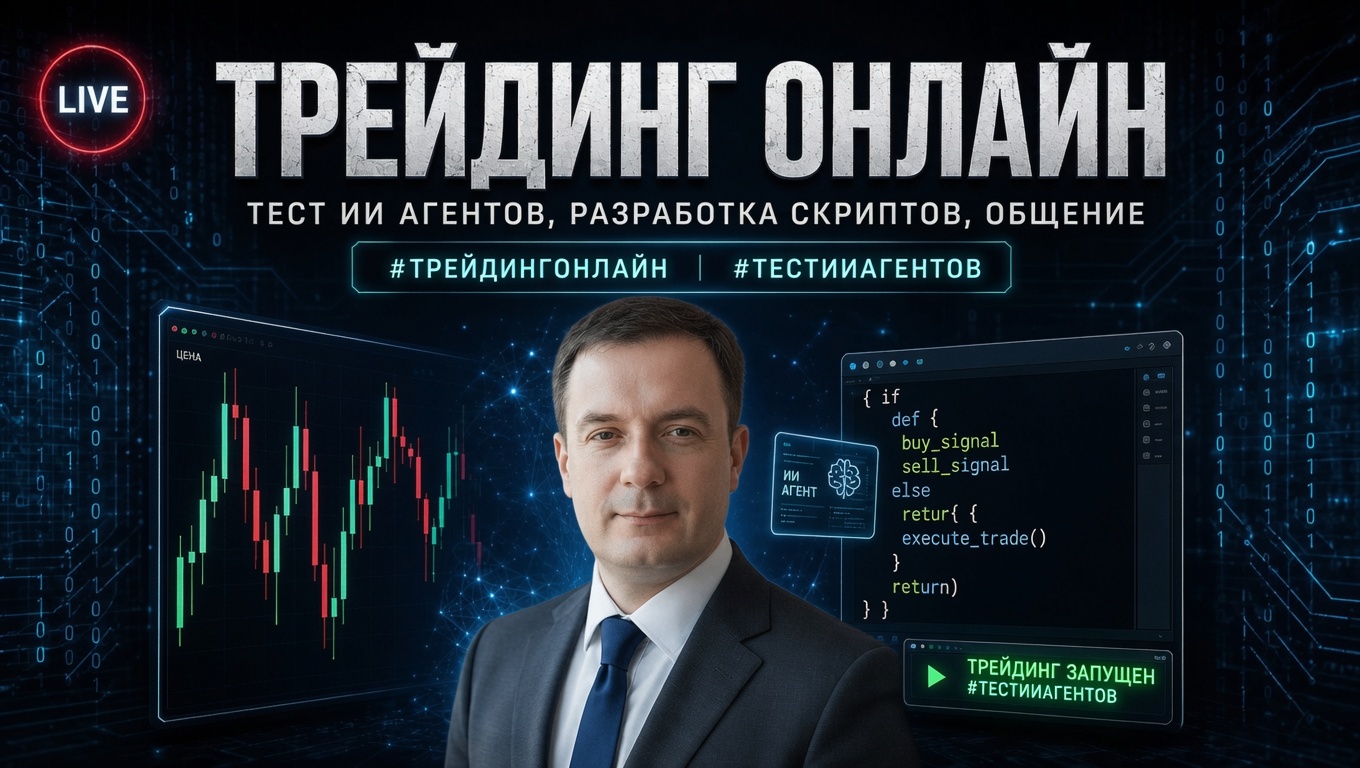
Друзья, сегодня в 19 00 по МСК буду вести трансляцию на Ютуб
Буду и торговать и объяснять сделки, буду писать простые скрипты для облегчения торговли. Общение, торговля и разработка онлайн.
Дата и время 06.07.2026 19 00 Понедельник
https://youtube.com/live/NuZnmQYsHRo?feature=share
The AI agent also showed the possibility of working with the source code: he analyzed the existing VR Locker Lite Expert Advisor, pointing out its strengths and weaknesses, and then generated a full-fledged Pin Bar trading robot, compiled it without errors and created a file. After that, the robot was tested in the strategy tester of MetaTrader 5 for the period from August 2024 to June 2026 and showed a result of + $ 15 profit. At the same time, it is important to remember that AI can add unnecessary parameters or deviate from the task. Therefore, knowledge of the MQL5 language is necessary to verify the generated code.
Despite its impressive capabilities, AI is still a tool for simple tasks and is not a substitute for understanding programming. Without the skills to read code, you risk getting a "pig in a poke". It is recommended to always test robots on demo accounts and in the strategy tester before using them on real funds. Learning the MQL5 language remains relevant — human expertise is still indispensable, especially when creating complex trading strategies.
Subscribe to my profile (Add to friends) https://www.mql5.com/en/users/voldemar
Telegram: https://t.me/tgforexen
В MetaTrader 5 вышло бета-обновление сборки 5956 с интеграцией искусственного интеллекта. В терминале появилась кнопка со звёздочкой, через которую можно задавать запросы (промты) прямо в MetaTrader. ИИ-агент способен анализировать валютные пары, рыночную ситуацию, открытые позиции, историю торговли и отвечать на вопросы о финансовых инструментах. В тесте ИИ проанализировал пару EURUSD — определил тренд, ключевые уровни, фазу движения и дал прогноз с несколькими сценариями. Также он проанализировал торговую историю демо-счета, выявил паттерны (мартингейл, торговля против тренда) и дал рекомендации. Пока что торговые операции (открытие и закрытие сделок) не поддерживаются — агент работает только в режиме чтения данных.
Также ИИ-агент показал возможность работы с исходным кодом: он проанализировал существующий советник VR Locker Lite, указав на его сильные и слабые стороны, а затем сгенерировал полноценного торгового робота по стратегии Pin Bar, скомпилировал его без ошибок и создал файл. После этого робот был протестирован в стратегии-тестере MetaTrader 5 за период с августа 2024 по июнь 2026 года и показал результат +15 долларов прибыли. При этом важно помнить, что ИИ может добавлять лишние параметры или отклоняться от задания — поэтому знание языка MQL5 необходимо для проверки сгенерированного кода.
Несмотря на впечатляющие возможности, ИИ пока что остаётся инструментом для простых задач и не заменяет понимания программирования. Без навыков чтения кода вы рискуете получить «кота в мешке». Рекомендуется всегда проверять роботов на демо-счетах и в тестере стратегий перед использованием на реальных средствах. Изучение языка MQL5 остаётся актуальным — человеческая экспертиза по-прежнему незаменима, особенно при создании сложных торговых стратегий.
Подписывайся на мой профиль (Добавить в друзья) https://www.mql5.com/ru/users/voldemar
Телеграм: https://t.me/tgforexru
A trading strategy is a formalized set of rules and algorithms that determines every action of a trader in the market: from searching for a signal to closing a position and managing capital. In a professional environment, a strategy transforms chaotic price movements into a reproducible process with measurable statistical advantages. It is not merely “I buy when one line crosses another,” but a complete mechanical or semi-mechanical system that excludes subjective guesswork.
The strategy is needed to remove emotions from decision-making and to obtain an objective tool for assessing the market situation. Without it, trading turns into an intuitive game where fear and greed inevitably lead to losing the deposit. A clearly defined strategy allows you to test ideas on history, determine trade frequency, average profit, maximum drawdown, and optimal risk per trade. This is how a statistical edge is formed, without which consistent earnings are impossible.
To apply this in practice, develop your own system: choose a market and timeframe, set entry conditions (for example, based on the interaction of moving averages and support/resistance levels), define stop-loss and take-profit according to volatility, limit the risk of a single position to 1–2% of the account. Then backtest the strategy on historical data, optimize it, conduct a forward test on a demo account, and only after confirming its stability implement it with real funds.
Subscribe to my profile (Add to friends) https://www.mql5.com/en/users/voldemar
Telegram: https://t.me/tgforexen
Что такое технический анализ?
Технический анализ — это комплекс методов и инструментов оценки стоимости финансовых активов на основе изучения исторических данных о ценах и объёмах торгов. В отличие от фундаментального анализа, который оценивает внутреннюю стоимость актива через макроэкономические показатели или корпоративные отчеты, ТА фокусируется исключительно на динамике самого графика. Основная теоретическая база метода опирается на трёх краеугольных камнях: 1) Все доступные данные уже учтены в текущей цене; 2) Цена имеет склонность следовать трендам (Trend Following); и 3) Исторические паттерны повторяются.
Этот метод критически необходим для современного трейдера, поскольку он позволяет перейти от интуитивных догадок к строго математически обоснованным решениям. Знание техник технического анализа помогает не просто прогнозировать движение цены (что невозможно), а, скорее, определить вероятные зоны поддержки и сопротивления, а также оптимальные точки входа (Entry) и выхода (Exit). Это прямо влияет на управление капиталом и расчет ключевого показателя — соотношения риска к прибыли (Risk:Reward Ratio).
В практике технический анализ требует многоступенчатого подхода. Прежде всего, необходимо определить текущий доминирующий таймфрейм (D1/H4) для установления глобального тренда, а затем использовать более мелкие интервалы (M15/M5) для поиска точных точек входа с минимальным шумом. В качестве инструментов используются не только индикаторы (MACD, RSI), но и, что гораздо важнее, классический Price Action — анализ структуры рынка, паттернов свечей и геометрических фигур (голова плечи, треугольники). Помните о принципе многотаймфреймового анализа: сигнал на 5-минутном графике должен подтверждаться общей структурой более крупного графика. Всегда используйте стоп-лоссы, рассчитанные не произвольно, а на основе измеримой волатильности (например, Average True Range, ATR).
Подписывайся на мой профиль (Добавить в друзья) https://www.mql5.com/ru/users/voldemar
Телеграм: https://t.me/tgforexru