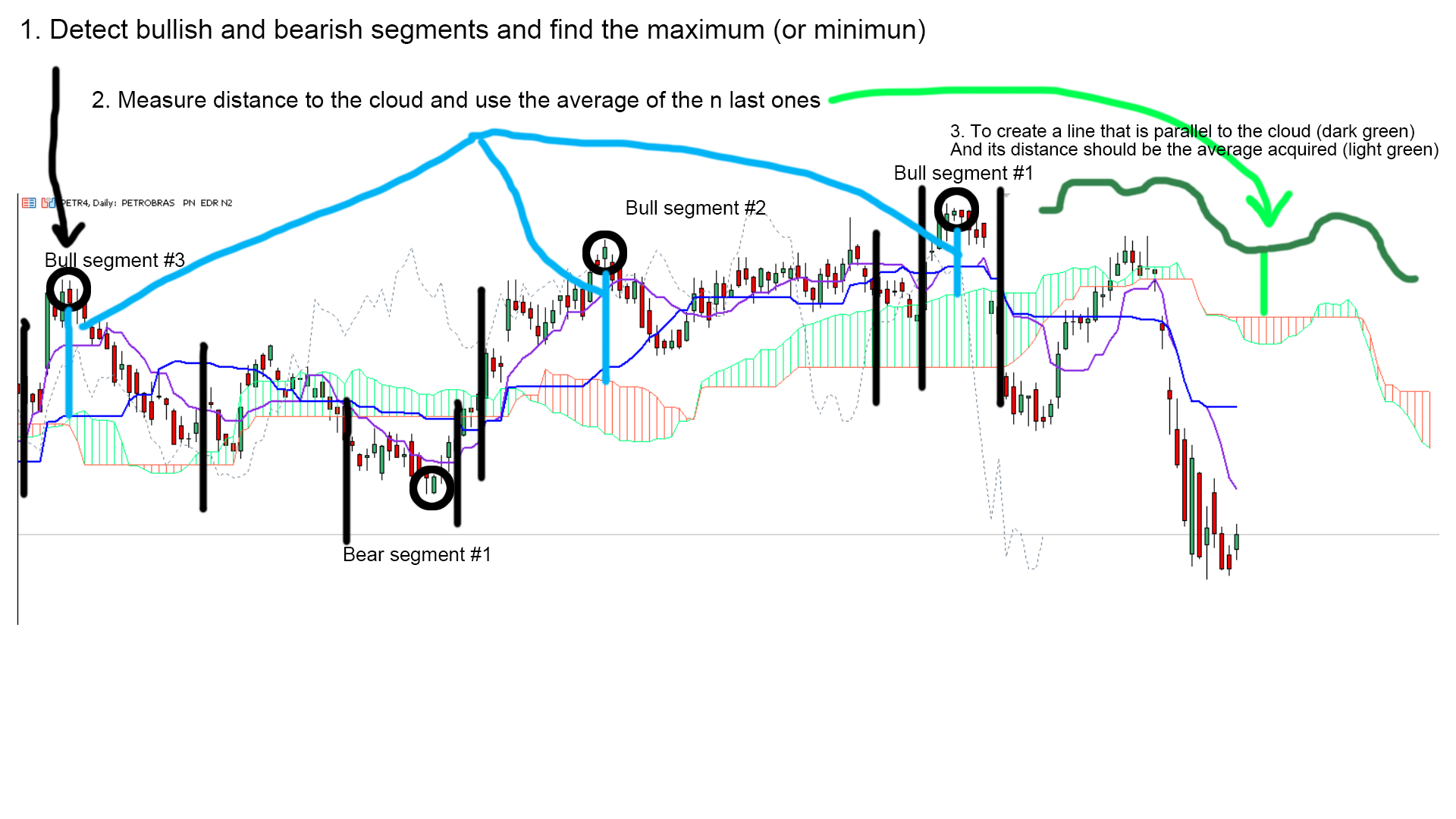
PROJECT OVERVIEW I need a production-grade, modular Expert Advisor for MetaTrader 5 built to institutional coding standards. This is not a simple indicator-crossover bot. The system must be object-oriented, fully commented, and structured so individual modules can be replaced or disabled without breaking the build. Broker: IC Markets Raw. Primary symbol: XAUUSD. Secondary validation: EURUSD, GBPUSD, USDJPY, AUDUSD
//@version=5 strategy("Vol10 Triple Confluence M15", overlay=true, margin_long=100, margin_short=100) // === INPUTS === emaLen = input.int(200, "EMA Trend") rsiLen = input.int(14, "RSI Length") bbLen = input.int(14, "Bands Length") rsiOversold = input.float(25, "RSI Buy Zone") rsiOverbought = input.float(77.38, "RSI Sell Zone") // === INDICATORS === emaTrend = ta.ema(close, emaLen) ema1 = ta.ema(close, bbLen) ema2 =
Access and confidentiality restrictions: You will receive only a separately named copy of the Commander . Existing trading EAs, presets, account credentials, Telegram credentials and proprietary entry/exit code will not be shared. The Commander intelligence must be developed using: Defined signal/input interfaces Anonymized historical logs and replay data Mock EA signals and test harnesses Documented authority and
I need an MQL5 trading robot for Forex. It should open and close trades based on my strategy rules. Please include money management, stop loss, take profit, and lot size settings. The EA should be stable, easy to edit, and tested before delivery. I will share the exact entry and exit rules with the developer
We are looking for an expert algorithmic trading developer to build a high-performance, fully automated Custom Expert Advisor (EA) or trading bot. The bot must integrate advanced Smart Money Concepts (SMC) , Inner Circle Trader (ICT) methodologies, and Volume Spread Analysis (VSA) with a high-frequency trading (HFT) style execution and scaling model. The core objective is to program a bot that identifies
Automatic buy and sell entries. stoploss (sl) take profit (tp) risk management and adjustable lot size. Adjustable risk percentage per trade. Trailing stop maximum number of open trades. Trading hours filter. Ability to backtest and optimize the strategy. Easy to use settings. The EA should work reliably on mt5 and provide the source code. I want the developer to test the EA and provide backtest results before
Develop an Expert Advisor for MetaTrader 5 that manages existing positions. Features Automatically detect all open positions. Apply Break-Even after price reaches a configurable profit. Partial Close: Close X% of volume at the first target. Move Stop Loss to Break-Even. ATR Trailing Stop (optional). Magic Number filter. Comment filter. Symbol filter. Trading session filter. Retry mechanism for trade operations
I have a fast execution ea that need a little touch, it trade on gold and my problem is about the risk ratio the tp is 3pip and stop loss 20 but i cannot get it right to make the average win larger and average loss lower. I would like to know if i can get help to get it right without touching the tragedy and the trade frequency. Those two pictures I attached is the example of what my bot actually do like i explained
Requirements Specification Here is an example of Requirements Specification for the development of the MACD Sample Expert Advisor, which is available in the MetaTrader 5 standard package. 1. The idea of the trading system is as follows : market entries are performed when MACD's main and signal lines intersect in the current trend direction . 2. Trend is determined based on the Exponential Moving Average with
Hello, I am looking for someone to Run and Monitor the EA and Signals in the account. Should be able to monitor daily and fix any issue in the signal Copying and EA running. The Settings and configuration to be checked and updated periodically. Should be available to report and update on daily basis. Tell me the cost and your previous experience for the same. Thanks
 모든 주문
모든 주문
 규칙
규칙