Szymon Palczynski / Profile
- Information
|
11+ years
experience
|
39
products
|
422
demo versions
|
|
0
jobs
|
0
signals
|
0
subscribers
|
The world of grids and martingale.
Innovative solutions for currency markets.
Friends
869
Requests
Outgoing
Szymon Palczynski
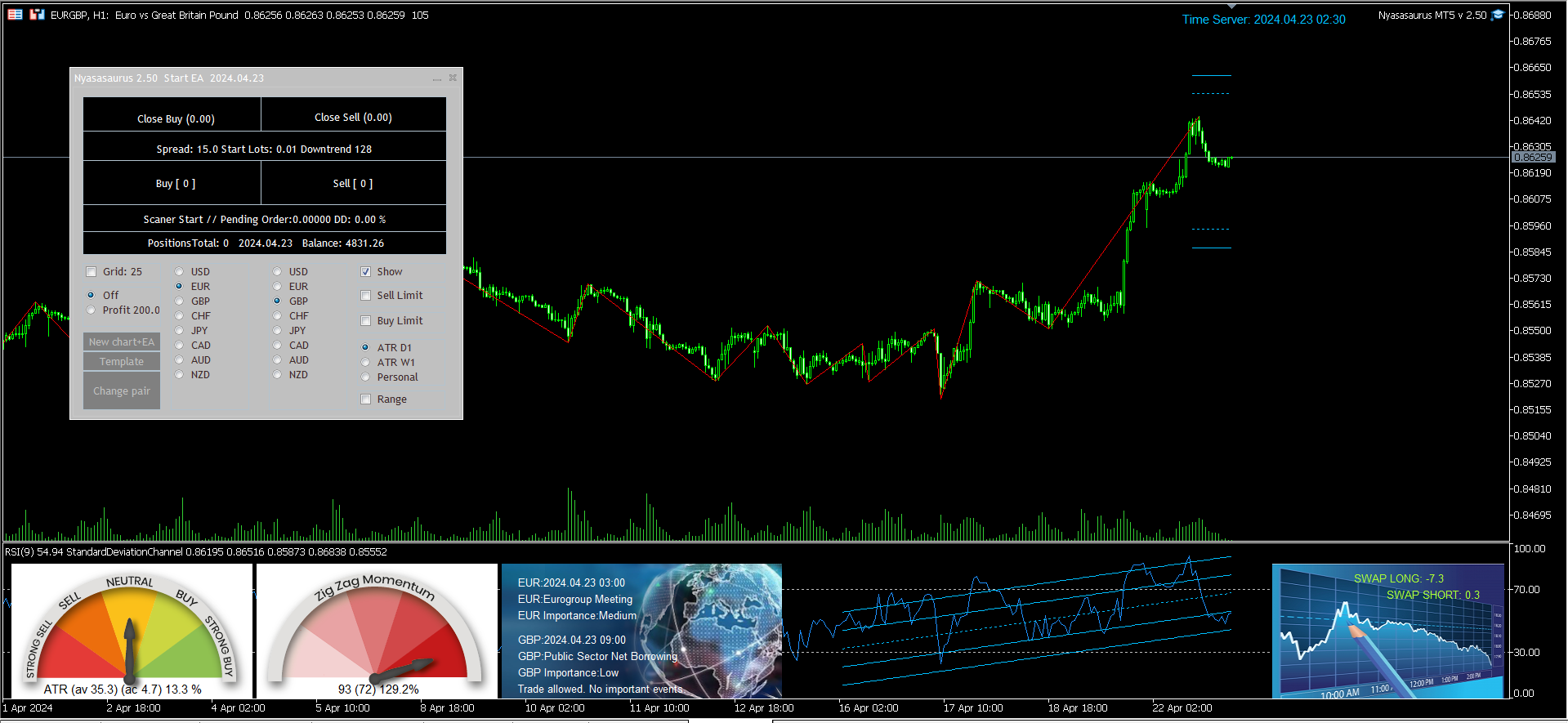
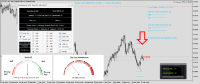
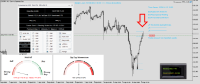
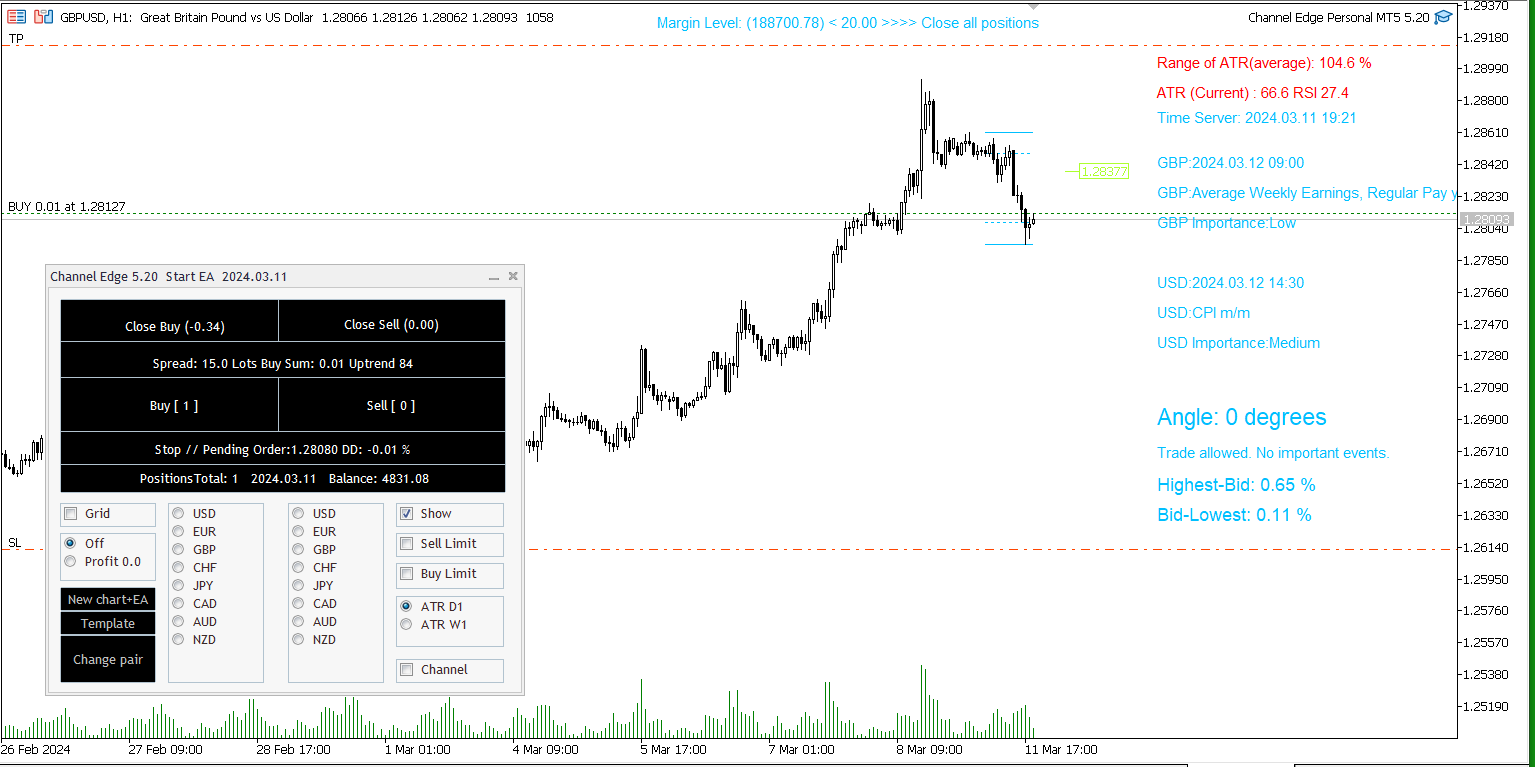
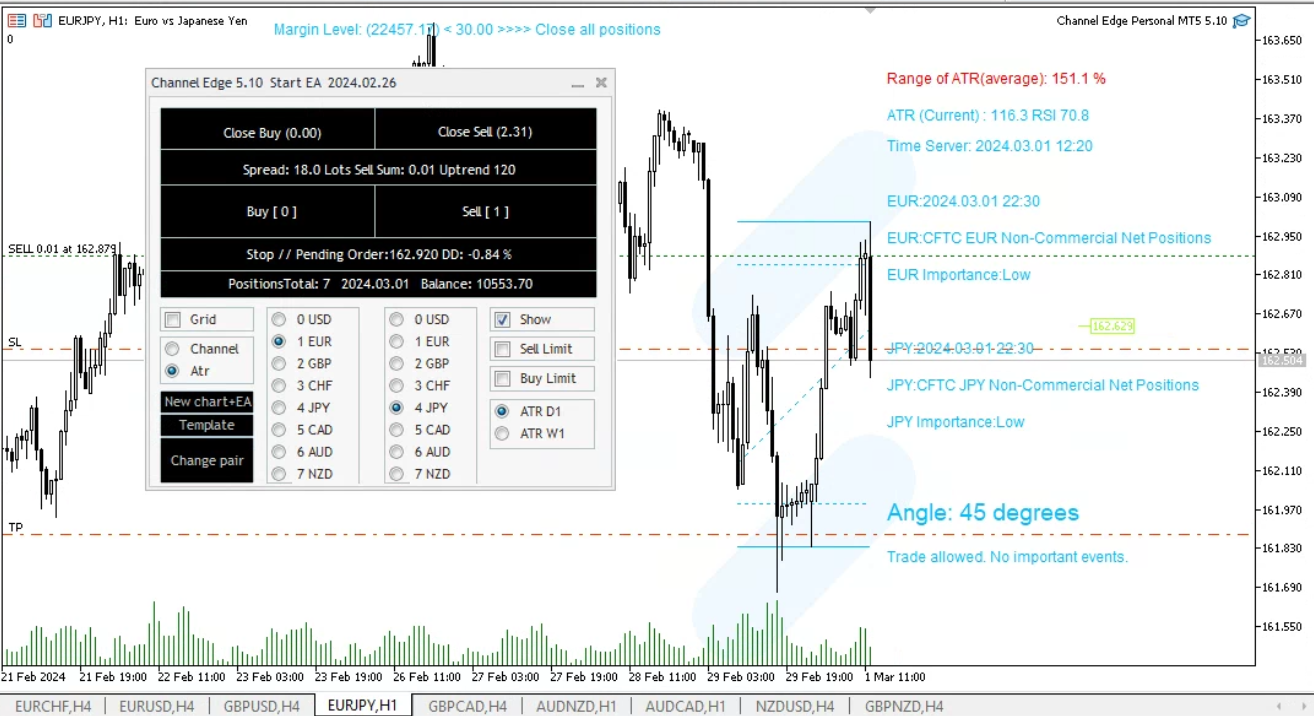
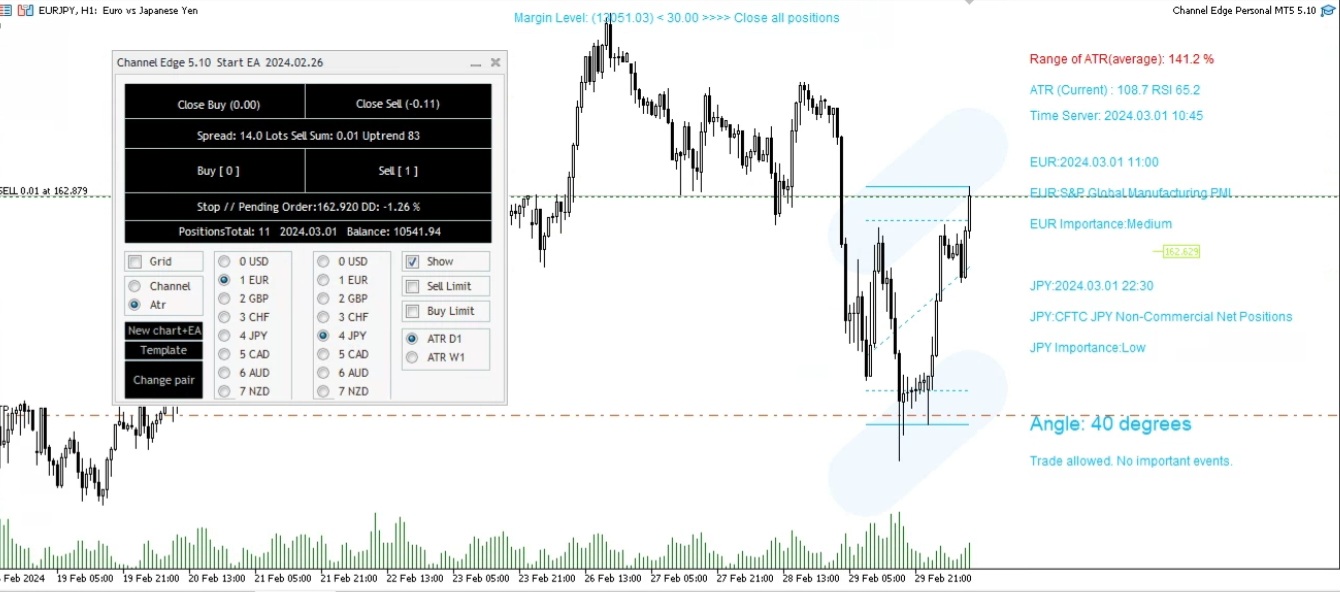
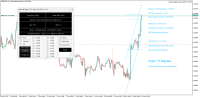
You can enter a short position at the new peak. This is a common strategy in trading where you anticipate a decrease in the market price. However, please remember that trading involves risks and it's important to make informed decisions. Always consider your risk tolerance and investment objectives.
Szymon Palczynski
Testing a Forex robot in the market is a key step in assessing its effectiveness. There are several stages that can be taken to test a Forex robot:
1. Collecting historical data: The first step in testing a Forex robot is collecting historical data for the currency pairs the robot is intended to trade.
2. Backtesting: After collecting historical data, backtesting is conducted. Backtesting involves evaluating the performance of the algorithm by reviewing historical market data.
3. Forward Testing: After backtesting, forward testing is conducted. Forward testing involves running the algorithm on a demo account to assess its performance in a real-time environment.
4. Optimization: After conducting the tests, the next step is to optimize the robot. Optimization involves identifying and adjusting any issues and adjusting settings based on the test results.
5. Live Trading: After optimization, the robot is ready for live trading.
1. Collecting historical data: The first step in testing a Forex robot is collecting historical data for the currency pairs the robot is intended to trade.
2. Backtesting: After collecting historical data, backtesting is conducted. Backtesting involves evaluating the performance of the algorithm by reviewing historical market data.
3. Forward Testing: After backtesting, forward testing is conducted. Forward testing involves running the algorithm on a demo account to assess its performance in a real-time environment.
4. Optimization: After conducting the tests, the next step is to optimize the robot. Optimization involves identifying and adjusting any issues and adjusting settings based on the test results.
5. Live Trading: After optimization, the robot is ready for live trading.
Szymon Palczynski
Published product
🤖 Semi-Automatic Trading System – Smart Trading with Human Control Combine the power of automation with the intelligence of human decision-making. This semi-automatic trading system gives you full control over trade execution, while leveraging the speed and analytical power of algorithms to optimize your performance. 🔎 What Is Semi-Automatic Trading? Semi-automatic trading, also known as semi-algorithmic trading, is a method where trading decisions are guided by automated systems, but the
: