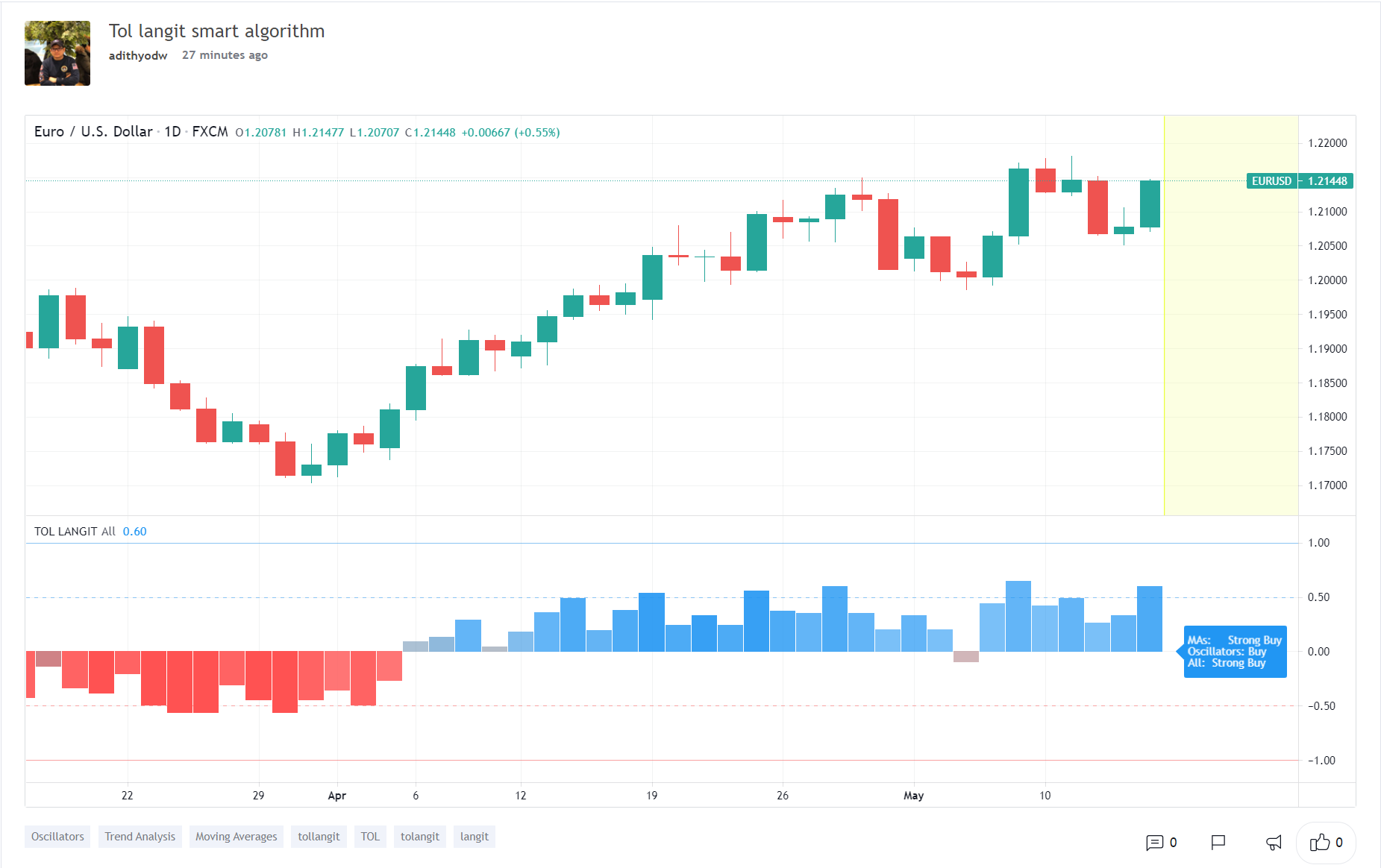
Our investment update for 2021-2024.
*Performance:*
- 2021 Profit: 87.58%
- 2022 Profit: 83.06%
- 2023 Profit: 46.87%
Overall: Our strategy delivered consistent profits even through challenging markets.
*Strategy Overview:*
Despite market volatility, our strategy remains focused on a stable 3-5% monthly return with a very low-risk setup (0.01 per $1000). With a low-risk and stable system, we managed to survive the volatile markets throughout 2021-2023.
*Key Events (2021-2024):*
Here's a comprehensive breakdown of major events impacting the forex market from 2021 to 2024 :
1. COVID-19 Pandemic (2020-present):
Initial Shock (2020-2021): Global panic, risk aversion, "flight to safety" fueled USD, CHF, JPY surge. Emerging markets tumbled.
Uneven Recovery and Policy Divergence (2021-2022): Gradual market recovery. USD initially strengthened due to faster US vaccine rollout and hawkish Fed, then cooled as other economies gained traction. Specific impacts:
EUR vs. USD: Euro initially weakened due to proximity to virus epicenters, later recovered amid EU stimulus measures and improving economic data.
Emerging Markets: BRL, MXN, ZAR particularly vulnerable due to reliance on commodities and tourism.
New Variants and Shifting Focus (2023-2024): Emergence of Omicron and other variants caused temporary market jitters but less severe than initially. Focus shifted to inflation and geopolitical tensions.
2. US Elections:
2020 US Presidential Election: Limited immediate impact as Biden's victory was largely anticipated. Potential longer-term policy concerns regarding stimulus and fiscal spending influenced risk sentiment.
2022 Midterm Elections: Republican gains raised potential for policy gridlock and reduced fiscal spending, initially strengthening USD but later fading due to continued economic momentum.
3. Yen's Depreciation:
Structural Factors: Long-term structural issues like Japan's aging population and deflationary pressures contributed to a weakening Yen trend.
Central Bank Policy Divergence: Bank of Japan's dovish stance (keeping interest rates low) contrasted with Fed's tightening measures, widening the interest rate differential and attracting capital away from JPY.
Geopolitical Tensions: Heightened tensions around Taiwan and North Korea occasionally triggered safe-haven flows into USD, further pressuring JPY.
4. Other Key Events:
Ukraine-Russia War (2022-present): Safe havens (USD, CHF, JPY) soared, Ruble plummeted due to sanctions and economic disruption. Euro initially weakened due to proximity to the conflict but later stabilized.
Global Supply Chain Disruptions: Bottlenecks and rising commodity prices fueled inflation, impacting currencies of commodity-dependent economies.
Central Bank Policy Divergence: Monetary policy decisions by major central banks, particularly the Fed's interest rate hikes and quantitative tightening, significantly impacted currency valuations.
5. Volatile Currencies:
Emerging Markets: Generally more sensitive to global economic shocks and policy changes, experiencing higher volatility compared to major currencies.
Commodity-Linked Currencies: Those tied to specific commodities (e.g., oil, metals) were heavily influenced by fluctuations in those commodity prices.
Currencies with Geopolitical Risks: Currencies of countries experiencing political instability or conflicts were prone to higher volatility.
*Performance:*
- 2021 Profit: 87.58%
- 2022 Profit: 83.06%
- 2023 Profit: 46.87%
Overall: Our strategy delivered consistent profits even through challenging markets.
*Strategy Overview:*
Despite market volatility, our strategy remains focused on a stable 3-5% monthly return with a very low-risk setup (0.01 per $1000). With a low-risk and stable system, we managed to survive the volatile markets throughout 2021-2023.
*Key Events (2021-2024):*
Here's a comprehensive breakdown of major events impacting the forex market from 2021 to 2024 :
1. COVID-19 Pandemic (2020-present):
Initial Shock (2020-2021): Global panic, risk aversion, "flight to safety" fueled USD, CHF, JPY surge. Emerging markets tumbled.
Uneven Recovery and Policy Divergence (2021-2022): Gradual market recovery. USD initially strengthened due to faster US vaccine rollout and hawkish Fed, then cooled as other economies gained traction. Specific impacts:
EUR vs. USD: Euro initially weakened due to proximity to virus epicenters, later recovered amid EU stimulus measures and improving economic data.
Emerging Markets: BRL, MXN, ZAR particularly vulnerable due to reliance on commodities and tourism.
New Variants and Shifting Focus (2023-2024): Emergence of Omicron and other variants caused temporary market jitters but less severe than initially. Focus shifted to inflation and geopolitical tensions.
2. US Elections:
2020 US Presidential Election: Limited immediate impact as Biden's victory was largely anticipated. Potential longer-term policy concerns regarding stimulus and fiscal spending influenced risk sentiment.
2022 Midterm Elections: Republican gains raised potential for policy gridlock and reduced fiscal spending, initially strengthening USD but later fading due to continued economic momentum.
3. Yen's Depreciation:
Structural Factors: Long-term structural issues like Japan's aging population and deflationary pressures contributed to a weakening Yen trend.
Central Bank Policy Divergence: Bank of Japan's dovish stance (keeping interest rates low) contrasted with Fed's tightening measures, widening the interest rate differential and attracting capital away from JPY.
Geopolitical Tensions: Heightened tensions around Taiwan and North Korea occasionally triggered safe-haven flows into USD, further pressuring JPY.
4. Other Key Events:
Ukraine-Russia War (2022-present): Safe havens (USD, CHF, JPY) soared, Ruble plummeted due to sanctions and economic disruption. Euro initially weakened due to proximity to the conflict but later stabilized.
Global Supply Chain Disruptions: Bottlenecks and rising commodity prices fueled inflation, impacting currencies of commodity-dependent economies.
Central Bank Policy Divergence: Monetary policy decisions by major central banks, particularly the Fed's interest rate hikes and quantitative tightening, significantly impacted currency valuations.
5. Volatile Currencies:
Emerging Markets: Generally more sensitive to global economic shocks and policy changes, experiencing higher volatility compared to major currencies.
Commodity-Linked Currencies: Those tied to specific commodities (e.g., oil, metals) were heavily influenced by fluctuations in those commodity prices.
Currencies with Geopolitical Risks: Currencies of countries experiencing political instability or conflicts were prone to higher volatility.