Sergey Golubev / Profilo
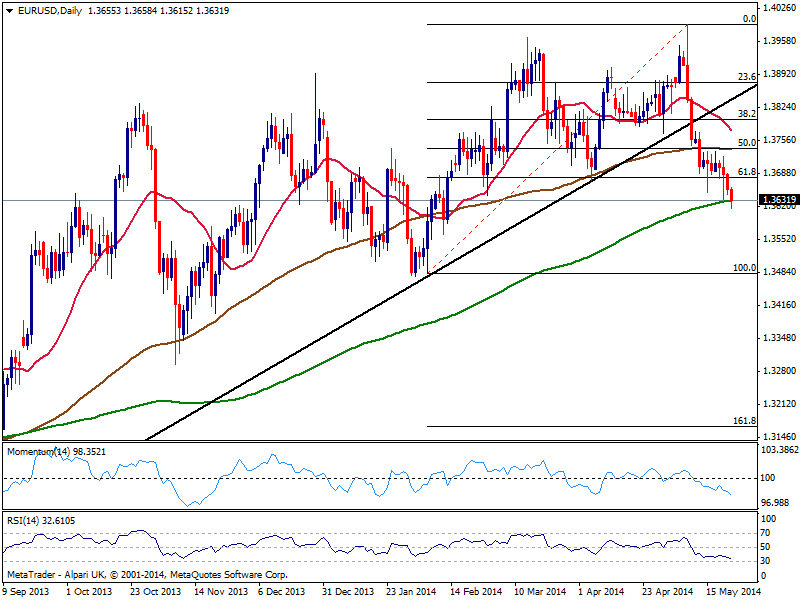
The most simple and uncomplicated trading method in the world is price action. All that is needed for trading price action is a blank raw price action chart and your trading method. The major difference between indicators and price action is; with indicators you are using old lagging price action information to try to predict the future, but with price action you are continually reading the raw and live price as it is being printed on the chart.
There are no indicators or outside influences at all used to trade price action. Basically Price action trading is the skill of being able to read the price and make trades on any chart, in any market, in any time frame and without the use of any indicators at all. Below are two charts side by side with the price action chart on the left with just raw price action and the chart full of indicators on the right hand side.
Education and commitment are needed to be successful with price action trading just like any other trading methods or systems that are worthwhile, but the reason price action trading is so successful and so many professional traders use it is because it simplifies the trading process and the mindset required to be profitable.
Quali sono le differenze tra le tre modalità di testing in MetaTrader 5 e cosa dovremmo cercare in particolare? Come si svolge il testing di un EA, facendo trading simultaneamente su più strumenti? Quando e in che modo vengono calcolati i valori degli indicatori durante il testing e in che modo vengono gestiti gli eventi? Come sincronizzare le barre di diversi strumenti durante il testing in modalità "solo prezzi di apertura"? Questo articolo si propone di fornire risposte a queste e a molte altre domande.
Ogni oggetto, sia esso un oggetto personalizzato, un array dinamico o un array di oggetti, viene creato ed eliminato nel programma MQL5 nel suo modo particolare. Spesso, alcuni oggetti fanno parte di altri oggetti e l'ordine di eliminazione dell'oggetto durante la reinizializzazione diventa particolarmente importante. Questo articolo fornisce alcuni esempi che illustrano i meccanismi di utilizzo degli oggetti.
È consentito fare trading con questo simbolo lunedì? Ci sono abbastanza soldi per aprire una posizione? Quanto è grande la perdita se si attiva lo Stop Loss? Come limitare il numero di ordini in sospeso? L'operazione commerciale è stata eseguita nella barra corrente o in quella precedente? Se un robot di trading non può eseguire questo tipo di verifiche, qualsiasi strategia di trading può rivelarsi perdente. Questo articolo mostra gli esempi di verifiche utili su qualsiasi Expert Advisor.
Quando si scrive un indicatore che utilizza la forma abbreviata della chiamata di funzione OnCalculate(), potresti non considerare il fatto che un indicatore può essere calcolato non solo dai dati di prezzo, ma anche dai dati di un altro indicatore (indipendentemente dal fatto che sia integrato o uno personalizzato). Vuoi migliorare un indicatore per la sua corretta applicazione ai dati dell'altro indicatore? In questo articolo, esamineremo tutti i passaggi necessari per tale modifica.
Cos'è un indicatore? È un insieme di valori calcolati che vogliamo siano visualizzati sullo schermo in un modo pratico. Gli insiemi di valori sono rappresentati nei programmi, come array. Pertanto, la creazione di un indicatore equivale alla scrittura di un algoritmo che gestisce alcuni array (matrici di prezzo) e registra i risultati della gestione su altri array (valori dell'indicatore). Descrivendo la creazione del True Strength Index, l'autore mostra come scrivere indicatori in MQL5.
Questo articolo tratta i principi generali di sviluppo dei controlli grafici. Prepariamo strumenti per un lavoro rapido e conveniente con oggetti grafici, analizzeremo un esempio di creazione di un semplice controllo per l'inserimento di testo o dati numerici e le sue modalità di utilizzo.

Apple AAPL +0.83% (AAPL), Bank of America BAC -0.95% (BAC), Coca-Cola KO +0.45% (KO), CVS Caremark (CVS), Facebook (FB), Ford (F), Home Depot (HD), McDonald’s (MCD), Pfizer (PFE), TJX Cos. (TJX), United Health Group (UNH), and Walt Disney (DIS).
Monday, December 23
The U.S. is to produce government data on personal spending and expenditure, while the University of Michigan is to release revised data on consumer sentiment and inflation expectations.
Tuesday, December 24
The U.K. is to release industry data on mortgage approvals, an important indicator of demand in the housing market.
The U.S. is to release data on durable goods orders, a leading indicator of production, as well as a report on new home sales.
Wednesday, December 25
Markets in the U.K. and the U.S. will remain closed for the Christmas Day holiday.
Thursday, December 26
Markets in the U.K. will remain closed in observance of Boxing Day.
Meanwhile, the U.S. is to release weekly data on initial jobless claims.
Friday, December 27
The U.S. is to round up the week with a report on crude oil supplies.
Monday, December 23
The U.S. is to produce government data on personal spending and expenditure, while the University of Michigan is to release revised data on consumer sentiment and inflation expectations.
Tuesday, December 24
The U.S. is to release data on durable goods orders, a leading indicator of production, as well as a report on new home sales.
Wednesday, December 25
Markets in New Zealand and the U.S. will remain closed for the Christmas Day holiday.
Thursday, December 26
Markets in New Zealand will remain closed in observance of Boxing Day.
Meanwhile, the U.S. is to release weekly data on initial jobless claims.
Friday, December 27
The U.S. is to round up the week with a report on crude oil supplies.


The difference between trading stocks and futures is the amount of capital required to enter a trade. While this could be a very long and detailed section with examples of leverage, I am going to keep things simple and short cause it’s really not that difficult.
Using an example of a trader which we will say his name is “Dave” who wants to trade the SP500 index with their risk capital here are two examples that show how leverage drastically changed the outcome of a position.
Dave has a $10,000 account, and wants to swing trade the SP500 index.
Option #1: He buys $5000 worth of the SP500 ETF (SPY). And if the SP500 rises in value by 3% Dave would see a $150 gain on his trade. This ETF has no leverage and follows the performance of the stock market.
Option #2: Dave decides to buy 1 ES mini futures contract which is the SP500 Index futures contract. Using the same numbers as the previous option, the SP500 rises in value just 3%. How much money did Dave make on this trade? He made a whopping $2,625 on the same move that the ETF did, how is that possible?
Let me explain, when you buy a non-leveraged ETF like the SPY with $5000, you are literally only trading with a $5000 investment. But with futures, when you buy one ES mini contract which is worth roughly $5000, you are actually controlling roughly $75,000. So think if it as 17.5x leverage on your money.
So that 3% gain in the stock market is based off a $75,000 investment which is how you get $2625 or a 52.5% return on your money.
Futures trading in my opinion is not for beginner or intermediate traders. The only way your money should be involved with futures is if you truly understand how the market move and have strict money management rules, or us a system that trades and managed positions for you. Remember, leverage is a double edge sword that can make you wealthy or broke quickly if not traded appropriately.