GBPUSD Fundamentals : December 23 - 27 (based on investing.com article)
Monday, December 23
The U.S. is to produce government data on personal spending and expenditure, while the University of Michigan is to release revised data on consumer sentiment and inflation expectations.
Tuesday, December 24
The U.K. is to release industry data on mortgage approvals, an important indicator of demand in the housing market.
The U.S. is to release data on durable goods orders, a leading indicator of production, as well as a report on new home sales.
Wednesday, December 25
Markets in the U.K. and the U.S. will remain closed for the Christmas Day holiday.
Thursday, December 26
Markets in the U.K. will remain closed in observance of Boxing Day.
Meanwhile, the U.S. is to release weekly data on initial jobless claims.
Friday, December 27
The U.S. is to round up the week with a report on crude oil supplies.
NZD/USD fundamentals: December 23 - 27 (based on investing.com article)
Monday, December 23
The U.S. is to produce government data on personal spending and expenditure, while the University of Michigan is to release revised data on consumer sentiment and inflation expectations.
Tuesday, December 24
The U.S. is to release data on durable goods orders, a leading indicator of production, as well as a report on new home sales.
Wednesday, December 25
Markets in New Zealand and the U.S. will remain closed for the Christmas Day holiday.
Thursday, December 26
Markets in New Zealand will remain closed in observance of Boxing Day.
Meanwhile, the U.S. is to release weekly data on initial jobless claims.
Friday, December 27
The U.S. is to round up the week with a report on crude oil supplies.
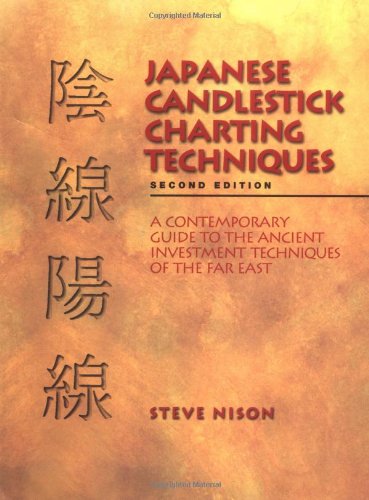
Japanese Candlestick Charting Techniques by Steven Nison This book introduces candlestick charting, which some investors may find useful in their trading. It sure helps to make charts more visual! A
The difference between trading stocks and futures is the amount of capital required to enter a trade. While this could be a very long and detailed section with examples of leverage, I am going to keep things simple and short cause it’s really not that difficult.
Using an example of a trader which we will say his name is “Dave” who wants to trade the SP500 index with their risk capital here are two examples that show how leverage drastically changed the outcome of a position.
Dave has a $10,000 account, and wants to swing trade the SP500 index. Option #1: He buys $5000 worth of the SP500 ETF (SPY). And if the SP500 rises in value by 3% Dave would see a $150 gain on his trade. This ETF has no leverage and follows the performance of the stock market. Option #2: Dave decides to buy 1 ES mini futures contract which is the SP500 Index futures contract. Using the same numbers as the previous option, the SP500 rises in value just 3%. How much money did Dave make on this trade? He made a whopping $2,625 on the same move that the ETF did, how is that possible? Let me explain, when you buy a non-leveraged ETF like the SPY with $5000, you are literally only trading with a $5000 investment. But with futures, when you buy one ES mini contract which is worth roughly $5000, you are actually controlling roughly $75,000. So think if it as 17.5x leverage on your money. So that 3% gain in the stock market is based off a $75,000 investment which is how you get $2625 or a 52.5% return on your money.
Futures trading in my opinion is not for beginner or intermediate traders. The only way your money should be involved with futures is if you truly understand how the market move and have strict money management rules, or us a system that trades and managed positions for you. Remember, leverage is a double edge sword that can make you wealthy or broke quickly if not traded appropriately.
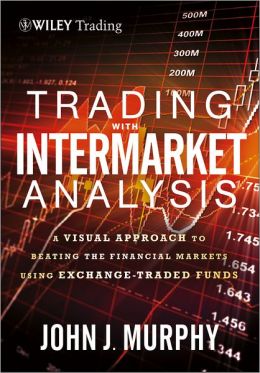
Trading With Intermarket Analysis : A Visual Approach To Beat the Financial Markets Using Exchange-Traded Funds by John J. Murphy With global markets and asset classes growing even more
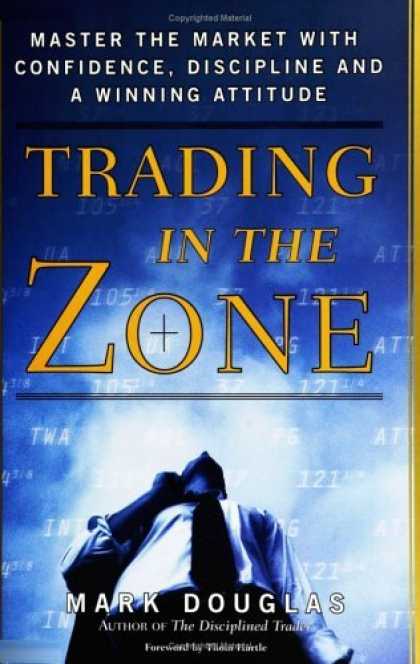
Trading in the Zone : Master the Market with Confidence, Discipline and a Winning Attitude Douglas uncovers the underlying reasons for lack of consistency and helps traders overcome the ingrained